
Vintage Dressing Glass
A vintage dressing glass sits upon a surface or stands independently, offering a clear reflection while bringing period character to a room.
Vintage Dressing Glass
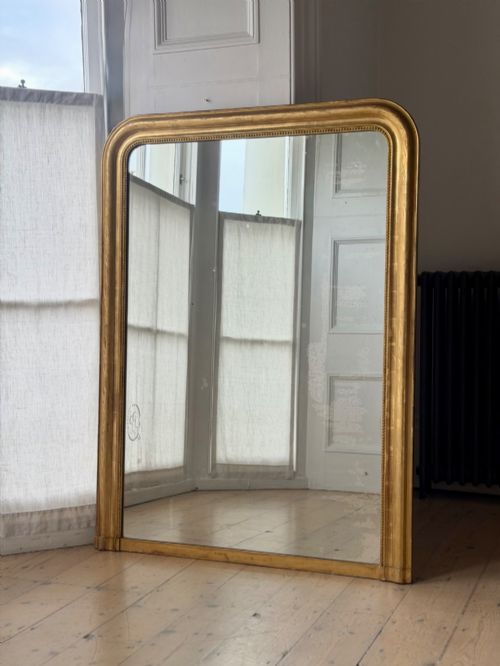
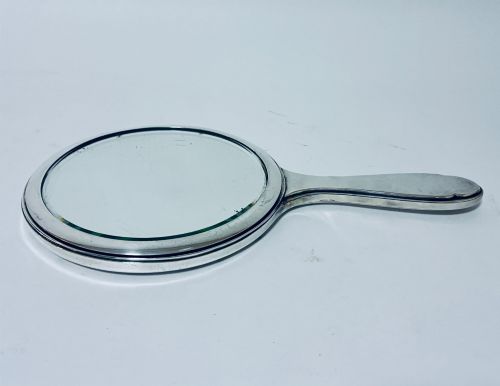
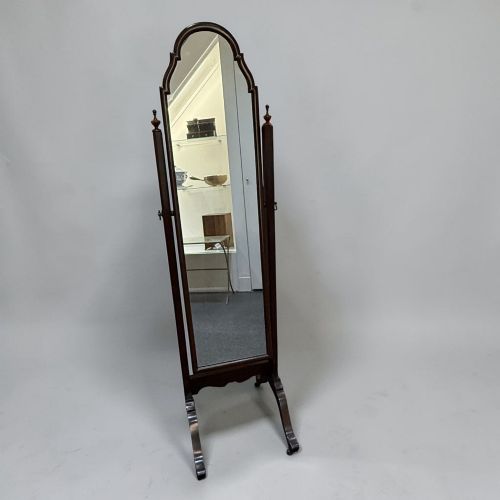
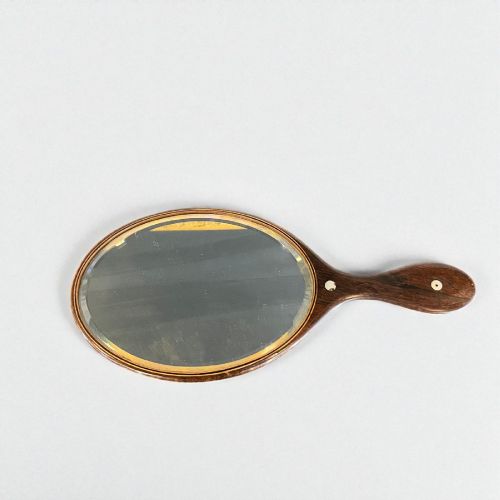
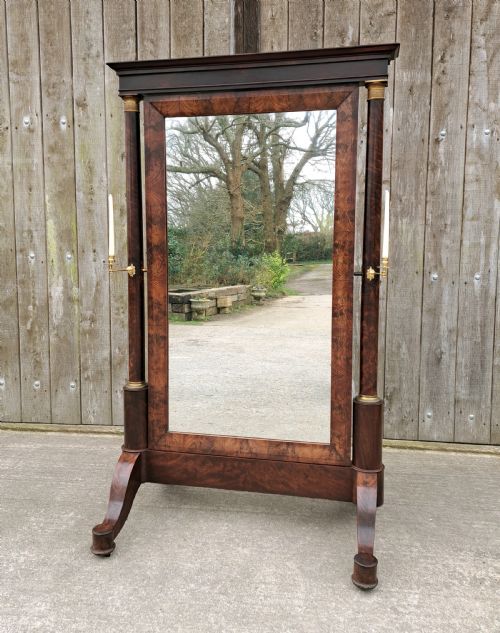
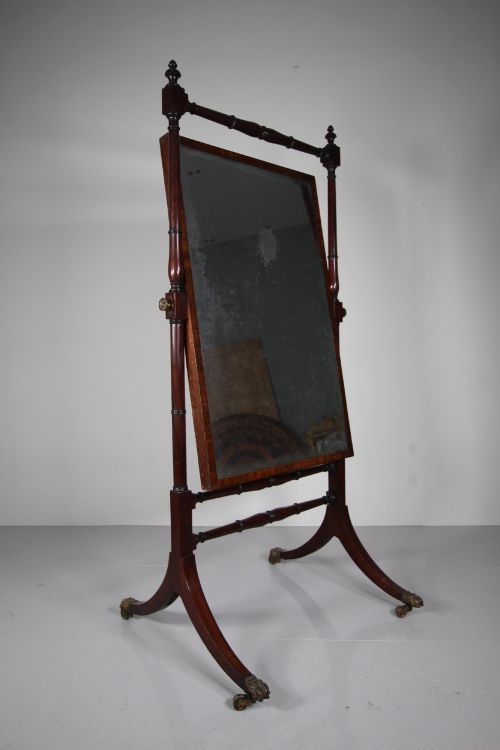
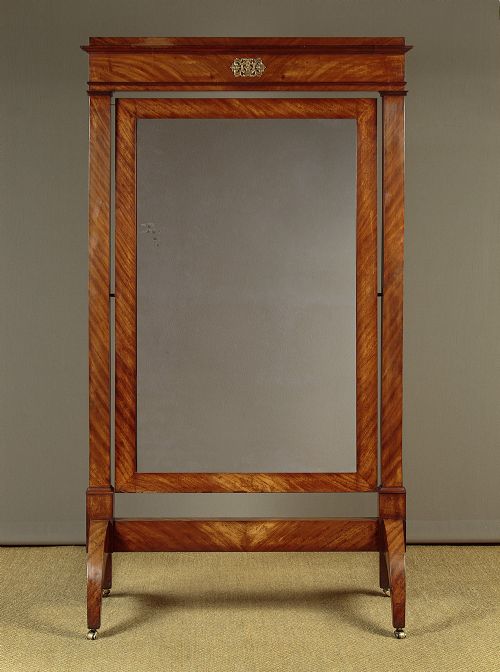
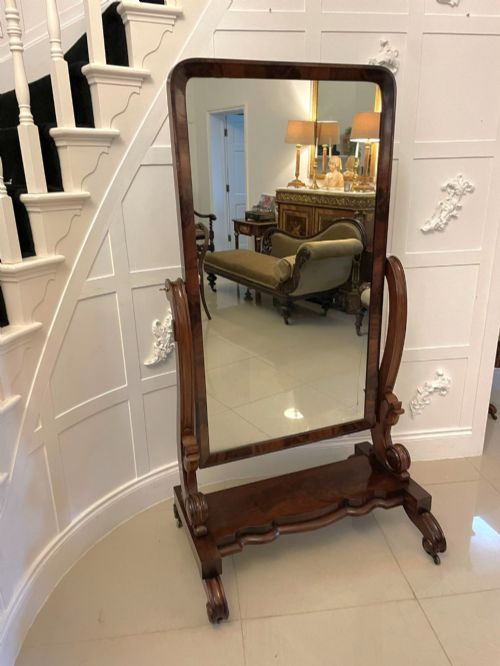
A vintage dressing glass encompasses both smaller table mirrors and large floor-standing cheval mirrors designed for personal grooming. These pieces originate from various periods including the Georgian era, the Victorian epoch, and the 1930s.
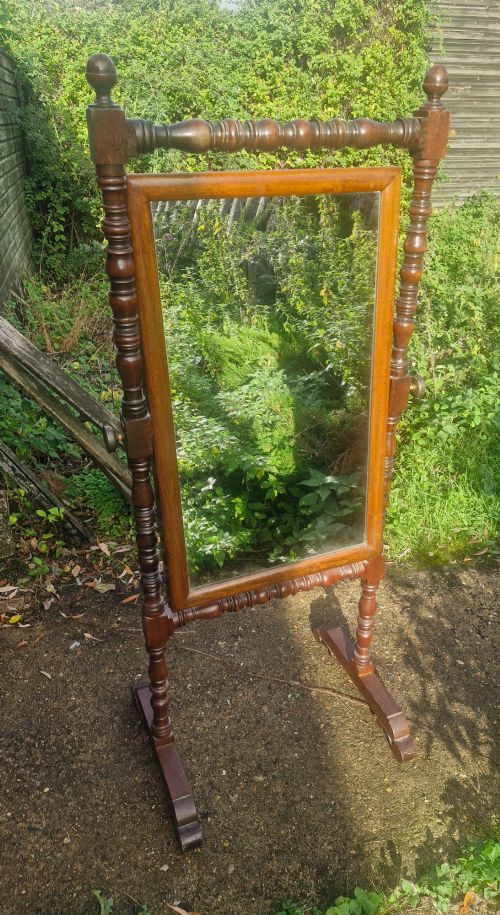
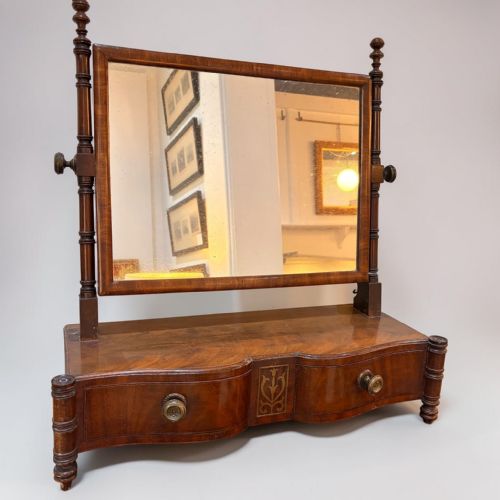
The version most frequently met on this page is the mahogany dressing table mirror or swing mirror, often featuring a pivoted frame mounted upon small drawers or supports. Examples range from simple 19th-century designs to Queen Anne style walnut pieces.
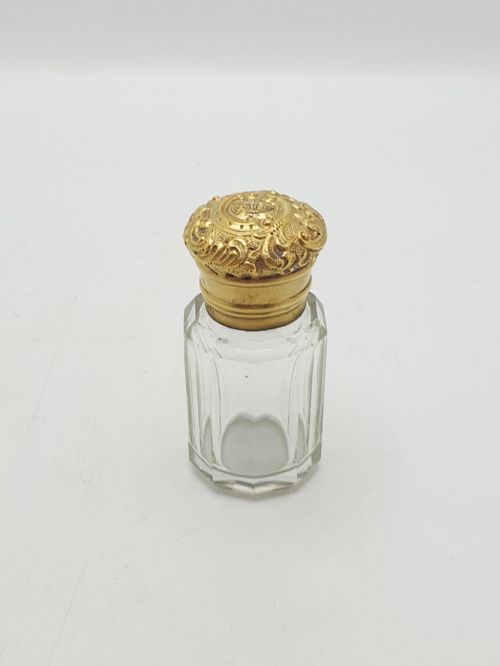
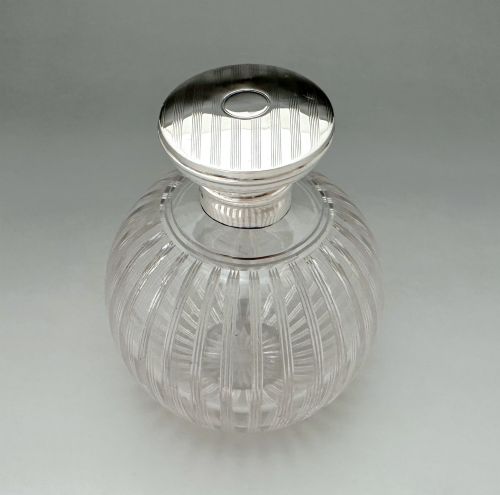
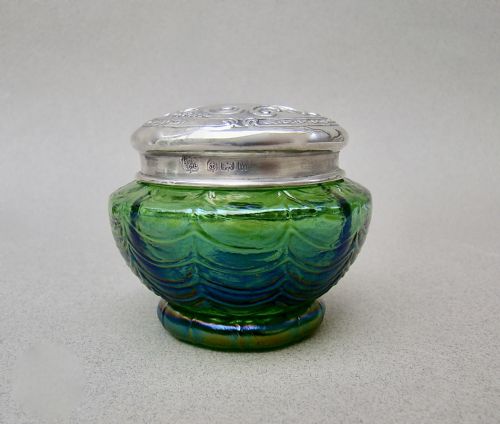
Beyond traditional mirrors, the selection includes related dressing items such as silver-lidded glass trinket boxes, cut glass perfume bottles, and vanity jars which share the materials and aesthetics of the dressing glass.
Materials and Technique
Cabinet makers utilised dense hardwoods such as mahogany, walnut, and kingwood to construct the frames and stands, sometimes incorporating burr elm or maple veneers for decorative grain patterns.
Metal components including brass hinges, mountings, and sterling silver overlays were worked by hand to secure the swivelling mirror plates and adorn companion bottles and boxes.
Distinctions in Execution
The refinement of the woodwork distinguishes pieces, seen in the choice of figured timber veneers and the precision of the joinery on the miniature drawers beneath the glass.
The clarity and weight of the glass plate itself, alongside the hand-cut geometric patterns on companion perfume bottles or the guilloché enamel work on silver lids, separate standard items from finer works.
A. J. Pepper & Co·Henry Clifford Davis·A. Bromet & Co·Heal & Sons·Gorham·Rene Lalique
The Vintage Dressing Glass Glossary
- Cheval mirror
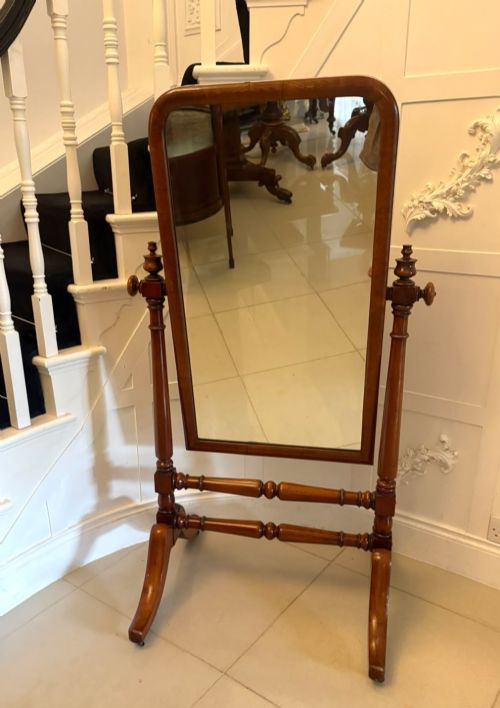
- A large floor-standing mirror suspended within a frame that allows it to swing fully. These tall pivoting glasses enabled a person to view their entire outfit.
- Swing mirror
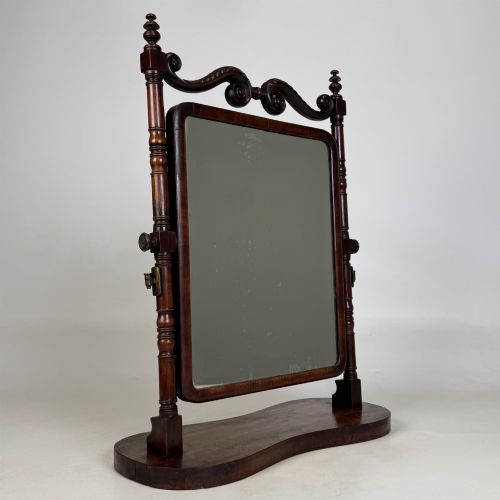
- A mirror plate mounted on vertical pivots between two upright posts, allowing the glass angle to be adjusted. They typically sit atop small dressing chests or tables.
- Guilloché enamel
- A decorative technique where a precise, intricate pattern is mechanically engraved beneath a translucent layer of coloured enamel. It frequently appears on silver-topped vanity jars.
- Sterling silver overlay
- Silver decoration applied directly onto the surface of a glass perfume bottle or jar. The metal is bonded to the glass to form intricate floral or geometric motifs.
- Paste stones
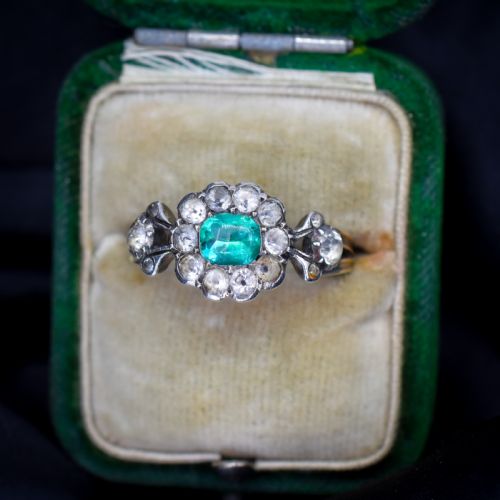
- Faceted glass or lead crystal gems hand-set into jewellery and decorative accessories to imitate precious gemstones. They were widely used in rings and trinket boxes.
Vintage Dressing Glass: Frequently Asked Questions
What is a dressing glass?
A dressing glass is a mirror designed specifically for personal grooming and dressing. They are built as tabletop swing mirrors or large floor-standing cheval mirrors.
Historically placed upon dressing tables or chests of drawers, these mirrors allowed users to adjust the angle of reflection for putting on jewellery or checking attire.
How do I date a mirror?
Dating a mirror involves examining the wood species, construction methods of the frame, and the bevel or thickness of the glass plate. Georgian and Victorian pieces show specific cabinet-making traits.
Makers often utilised mahogany or walnut depending on the period, while Edwardian and Art Deco examples introduce lighter oaks, contrasting veneers, and geometric cuts.
Where were these placed?
These mirrors were primarily used in bedrooms and dressing rooms, positioned on top of dedicated dressing tables or tallboys. Table mirrors required a sturdy surface to rest upon.
Cheval mirrors stood directly on the floor in bedrooms, offering a full-length reflection without needing furniture beneath them.
What are companion dressing items?
Companion items include cut glass perfume bottles, silver-lidded trinket boxes, and vanity jars. These pieces were manufactured to sit alongside dressing glasses on vanity surfaces.
They share the prevailing decorative styles of their era, featuring materials like sterling silver, guilloché enamel, and coloured glass.