


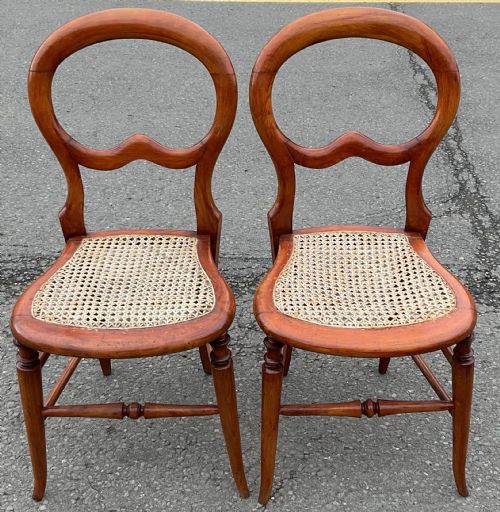


Vintage Dressing Chair
A vintage dressing chair is a compact seat designed for the bedroom or vanity, offering period charm and practical seating.
Vintage Dressing Chair
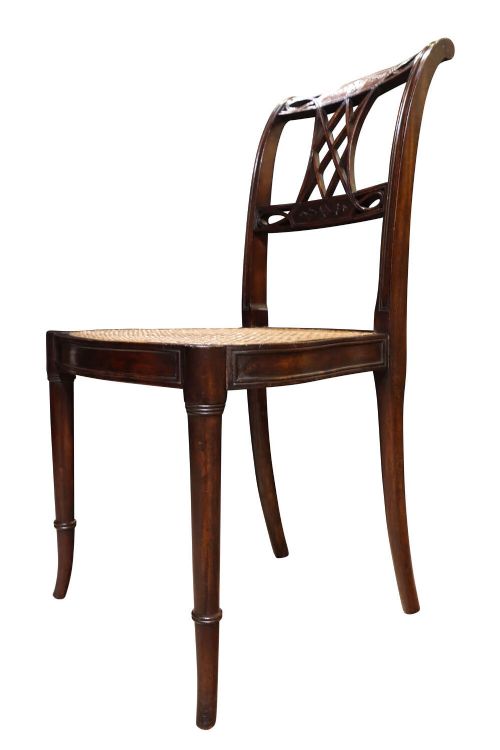
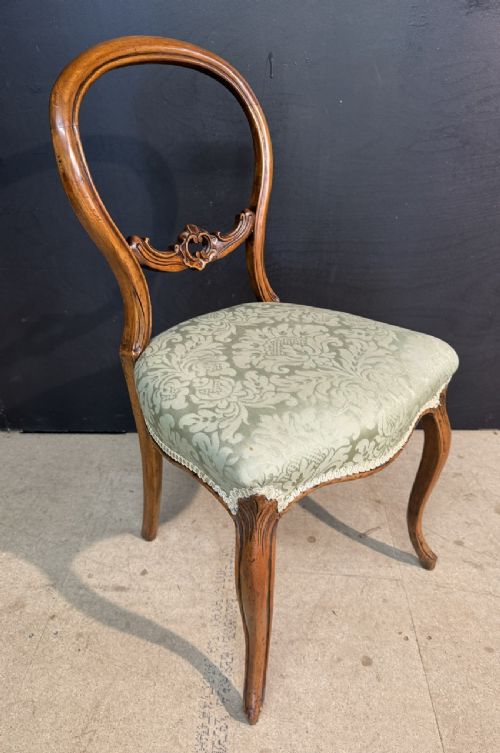
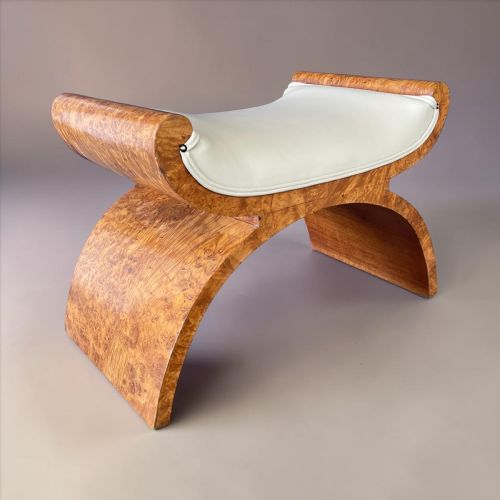
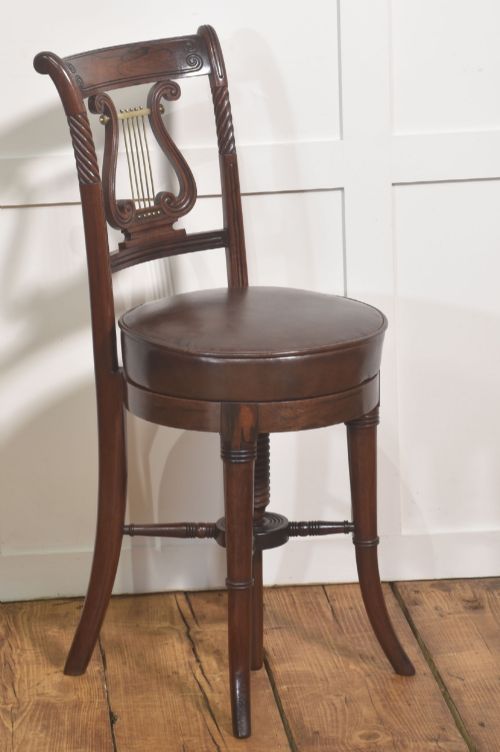
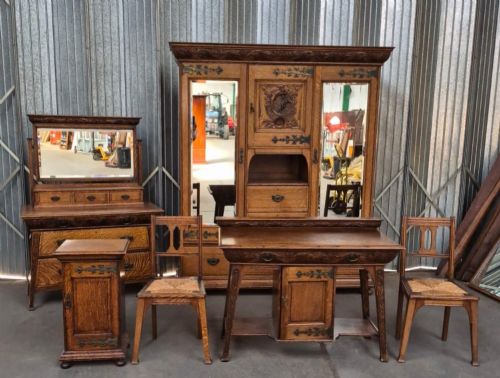
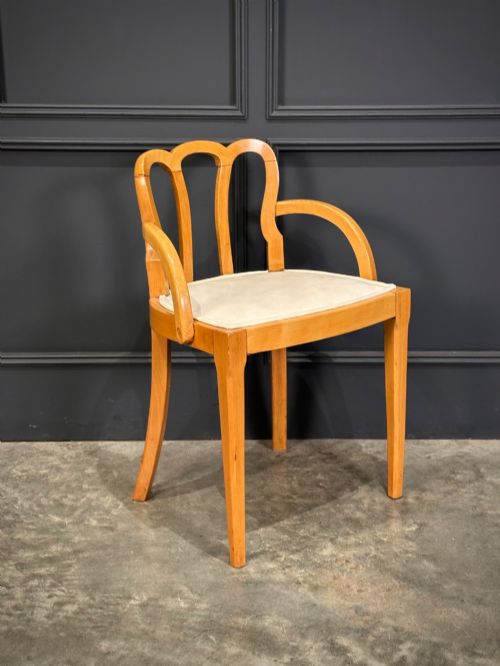
A vintage dressing chair encompasses various small seating forms designed for bedrooms and vanity areas, including stools, side chairs, armchairs, and bedroom chairs. These pieces appear across multiple periods ranging from the nineteenth century through the Edwardian era and into the Art Deco style of nineteen thirty.
The version most frequently met on this page is the wooden stool or small bedroom chair, often featuring walnut or mahogany frames alongside textile, fabric, velvet, or leather upholstery. Makers and designers such as Harry and Lou Epstein, Bath Cabinet Makers, and Hille contributed notable examples during the Art Deco period.
How they were made
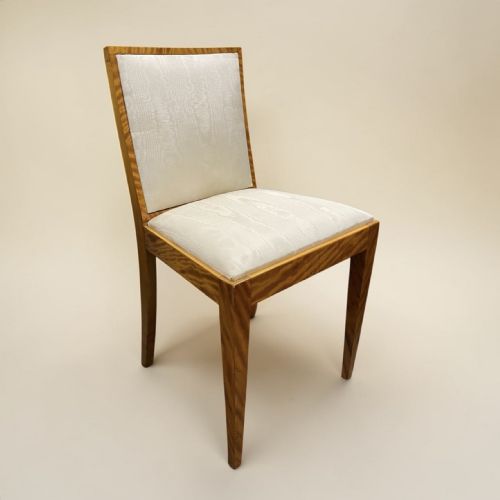
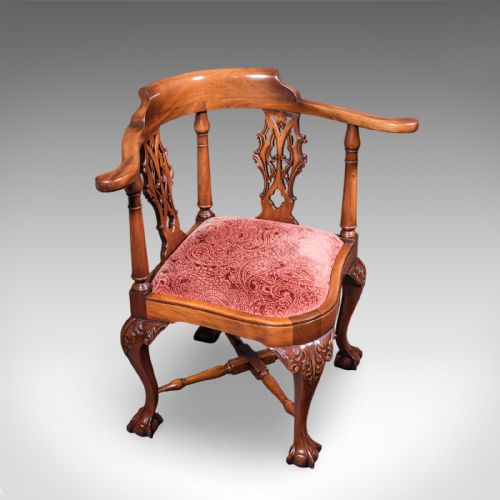
Construction relies heavily on traditional hardwoods such as mahogany and walnut, alongside golden oak, satinwood, and sycamore, shaped with techniques like scroll carving and inlay. Many pieces incorporate decorative elements such as brass fittings, cane seats, twisted rope legs, or carved cabriole legs.
Upholstery techniques utilise textiles, needlepoint, tweed linen, satin, and velvet, sometimes updated with new flowery top covers during restoration. Frames range from simple side chairs to adjustable dressing table chairs and stools featuring built-in storage.
Some Art Deco dressing stools cleverly hide interior storage compartments beneath their new flowery top covers for secret powder storage.
What varies in quality
Quality rests upon the refinement of the timber work and the depth of the carving, distinguishing simpler utilitarian pieces from finely detailed items with inlaid decoration or substantial scrollwork. The choice of primary wood, whether standard oak or figured walnut and satinwood, dictates much of the visual distinction.
The integrity of the frame construction and the preservation of original or sympathetic upholstery materials further separate standard examples from superior pieces. Attribution to recognised makers like Bath Cabinet Makers or Hille introduces another layer of distinction in the higher tiers.
Harry and Lou Epstein·Bath Cabinet Makers·Heals·Hille
The Vintage Dressing Chair Glossary
- Cabriole leg
- A furniture leg that curves out and then in, resembling an animal's hind leg. This form appears frequently on walnut and mahogany pieces from the nineteenth and early twentieth centuries.
- Curule stool
- An ancient Roman chair shape consisting of two curved legs crossing to form an X-shape. These often feature gilded finishes and classical proportions.
- Needlepoint
- Canvas work embroidery using tent stitch to create pictorial or geometric patterns on chair seats. It provides a textured, durable surface for dressing stools.
- Satinwood
- A hard, durable timber with a golden yellow sheen used for decorative furniture veneers. Art Deco pieces often utilise this wood for smooth, polished surfaces.
- Sycamore
- A pale hardwood utilised in cabinet making and marquetry. It offers a light ground for twentieth-century bedroom furniture designs.
Vintage Dressing Chair: Frequently Asked Questions
What is a dressing chair?
A dressing chair is a small seat intended for placement at a vanity, dressing table, or within a bedroom suite. These pieces provide low-backed or backless support suited to personal grooming routines.
They appear in forms ranging from upholstered stools to armchairs and side chairs, produced across Victorian, Edwardian, and Art Deco periods.
How do I date a dressing chair?
Dating relies on identifying stylistic markers, timber choices, and construction methods associated with specific eras. Victorian examples often feature heavy mahogany carving, while Edwardian pieces frequently display inlaid wood and cane work.
Art Deco items from nineteen thirty typically present sleek walnut or sycamore surfaces, sometimes bearing attribution to known cabinet makers.
Where should I place a dressing chair?
These chairs fit naturally in bedrooms, dressing rooms, or hallways as occasional seating. Their compact proportions allow them to slide beneath vanity tables or stand quietly in corners.
They also serve effectively as piano stools or low accent seats in living spaces.
Are these chairs comfortable for daily use?
Most vintage dressing chairs are built for short periods of sitting rather than lounging. Many incorporate padded upholstery in velvet, leather, or textile to ensure comfort during grooming.
Some variants include adjustable heights or built-in storage compartments for added utility.