



Vintage Dresser with Rack
A vintage dresser with rack combines a sturdy base cabinet with open upper shelving, offering practical display and storage rooted in centuries of rural tradition.
Vintage Dresser with Rack
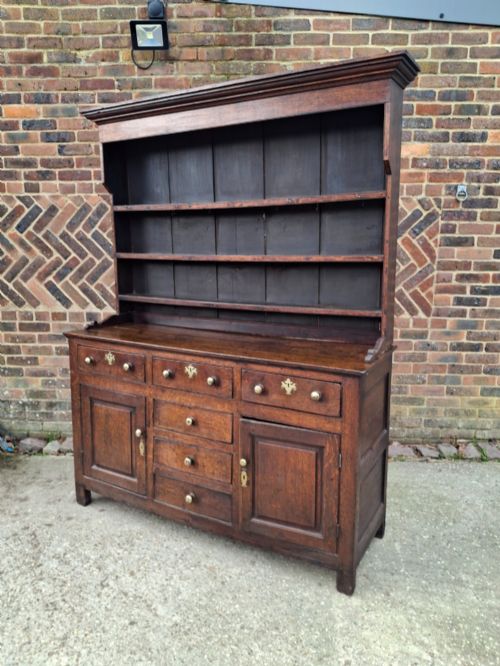
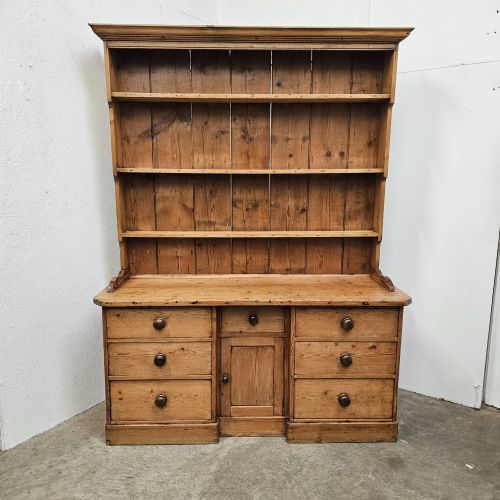
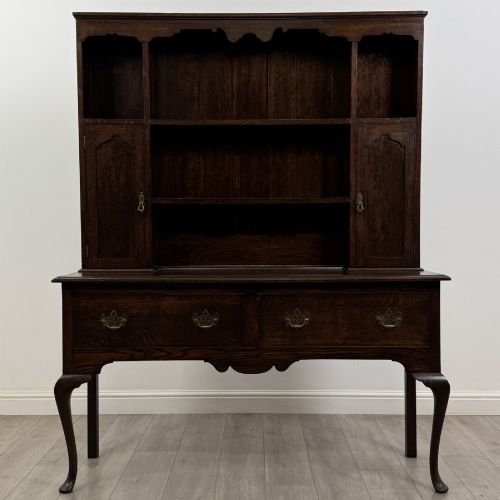
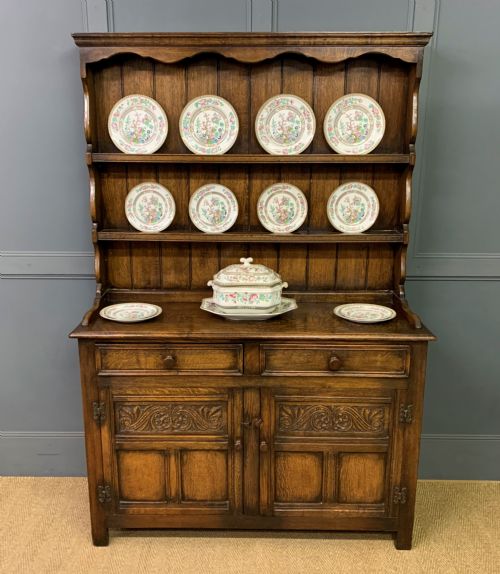
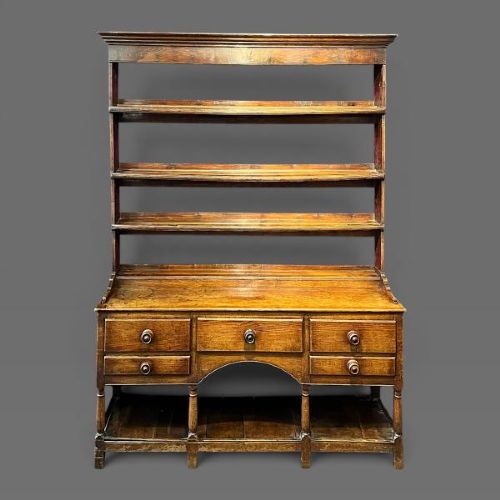
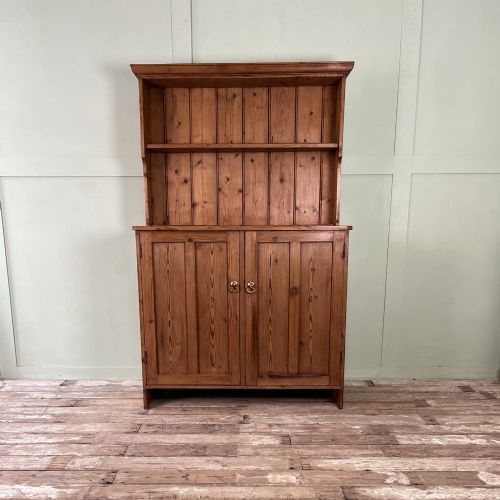
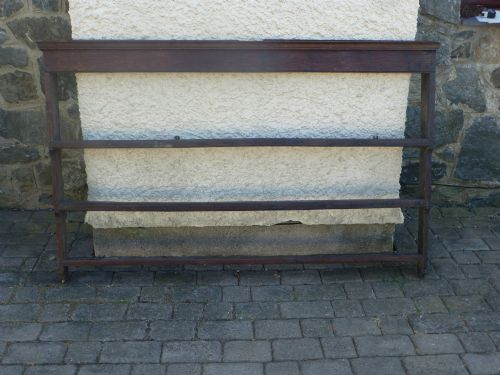
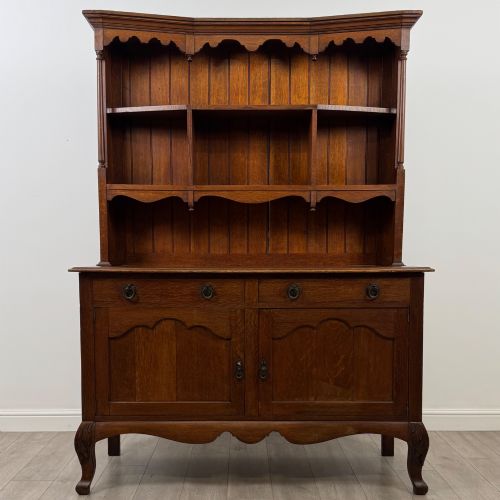
A vintage dresser with rack serves as a principal storage and display piece, typically featuring a lower sideboard or cabinet surmounted by an open wooden plate rack. These items span periods from the eighteenth century through the Edwardian era and the early twentieth century, taking forms such as Welsh country, English farmhouse, and cottage styles.
The most frequent examples encountered on this page are constructed from oak or pine, reflecting regional vernacular traditions from English and Welsh workshops. Buyers select these furniture pieces for domestic utility and traditional character, accommodating everything from everyday kitchenware to decorative ceramics upon the upper shelves.
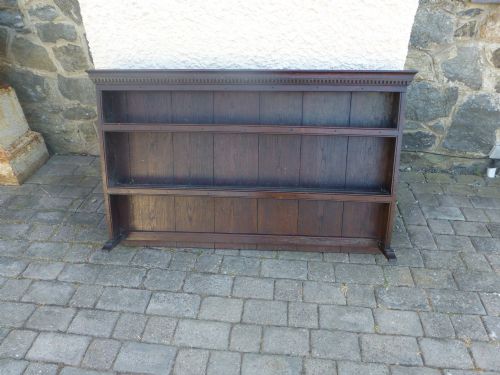
Makers and regional craftsmen utilised native timbers to build two-part constructions or integrated wall shelving units that anchored dining rooms and kitchens. The structural division between the lower base and upper rack allows for modular movement within domestic interiors while maintaining a commanding vertical presence.
Distinguishing quality across pieces
Quality rests upon the integrity of the timber selection and the retention of original surface finishes, such as historic patinated wax or early painted layers. Pieces exhibiting uncompromised structural joinery and proportionate scaling between the base and upper rack command greater appreciation.
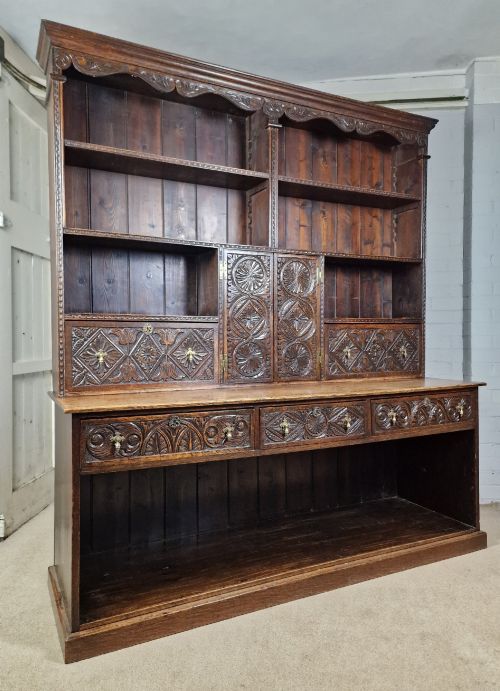
Finer examples display careful hand-carving, inlaid details, or sophisticated regional joinery traditions that elevate simple utilitarian furniture into distinguished examples of cabinet making.
Vintage Dresser with Rack Retail Price Guide 2026
Typical asking prices for vintage dresser with rack among the pieces listed under this phrase on Sellingantiques today, from the lower quarter to the upper quarter. They describe what is for sale here now, not the wider market.
Regional furniture styles represented include Welsh vernacular, English country, Jacobean revival, and Arts and Crafts designs.
The Vintage Dresser with Rack Glossary
- Plate rack
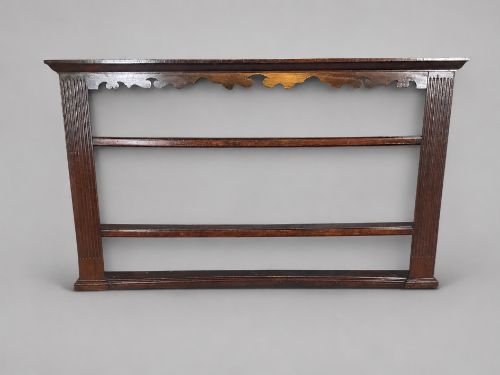
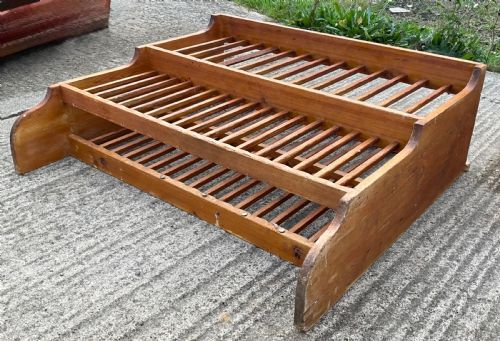
- An upper wooden shelving structure attached to or hung above a dresser base, designed specifically for displaying ceramic plates and platters upright.
- Welsh dresser
- A traditional vernacular furniture form featuring an enclosed lower cabinet or base paired with an open-shelved rack, originating prominently in Wales.
- Patina
- The deep surface sheen and mellow coloration developed by wood and hardware over centuries of handling, exposure, and maintenance.
- Two-part dresser
- A large cabinet constructed as separate upper and lower sections to facilitate transport and placement within domestic spaces.
Vintage Dresser with Rack: Frequently Asked Questions
How do I secure a dresser rack to the wall?
Because these tall units carry considerable weight in their upper shelves, standard installation requires fastening the top frame directly to wall studs using appropriate brackets.
Ensuring the base stands level on uneven historic floors also prevents structural leaning and relieves stress from the connecting joints.
What is the difference between oak and pine dressers?
Oak dressers generally offer heavier structural density, darker natural grain patterns, and an association with formal vernacular or revival styles.
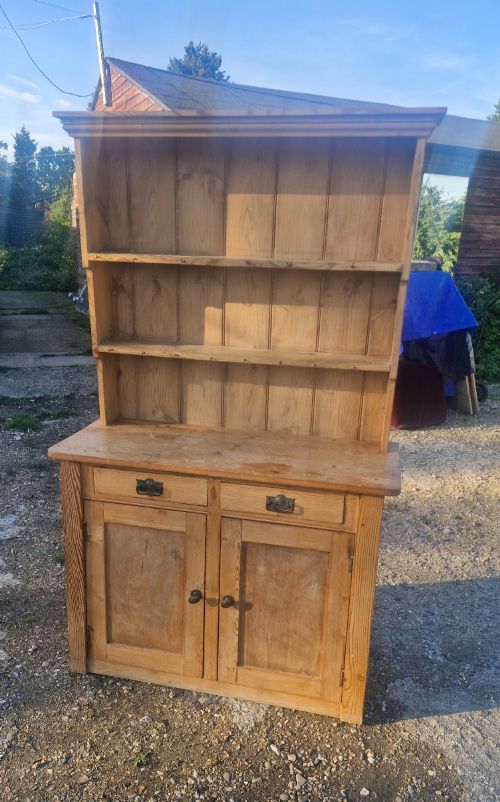
Pine versions tend to be lighter in weight, frequently carry historic painted finishes or natural wax, and lean toward cottage or farmhouse aesthetics.
Can the rack be separated from the base?
Many traditional examples are built as two-part furniture, allowing the upper plate rack to lift off the lower sideboard or buffet base for easier moving.
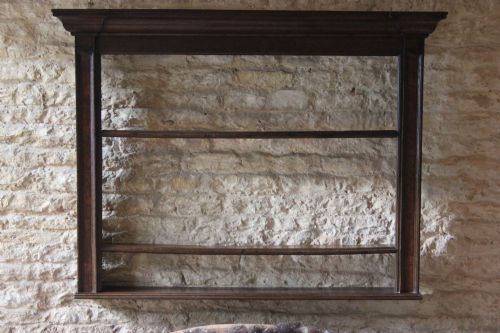
Some smaller or wall-hung variations, however, exist as integrated single pieces or separate wall shelves paired with a sideboard.
How should I clean historic wood finishes?
Maintenance requires dusting with a soft dry cloth and applying traditional beeswax sparingly to nourish dry timber without disturbing the accumulated patina.
Harsh chemical cleaners or modern silicone polishes must be avoided to protect the integrity of antique surface coatings.