
Vintage Drawing
A vintage drawing captures the direct hand of an artist on paper, offering an immediate connection to the past through ink, pastel, or pencil.
Vintage Drawing
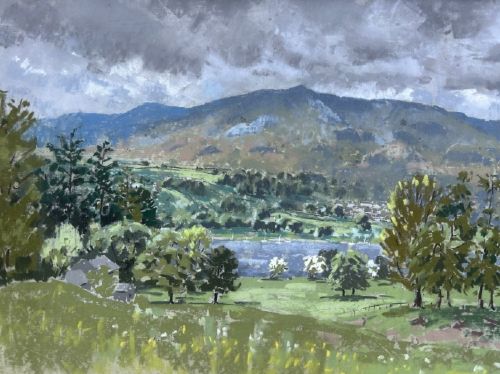
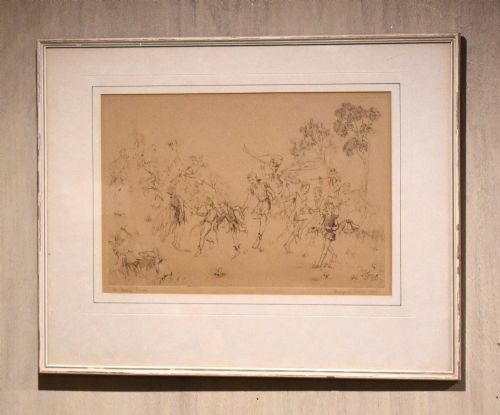
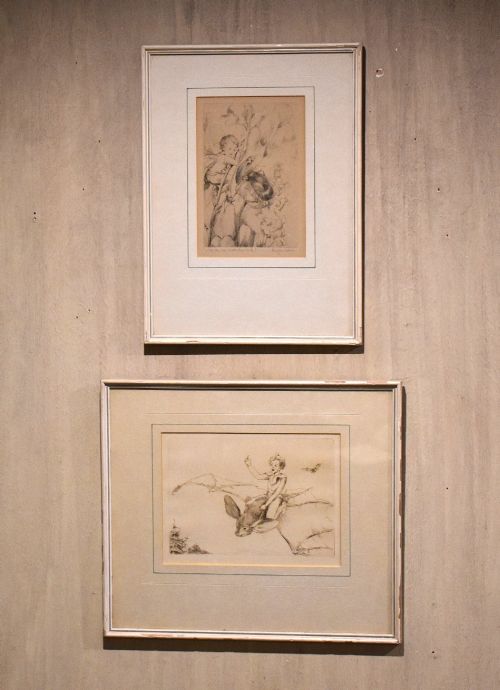
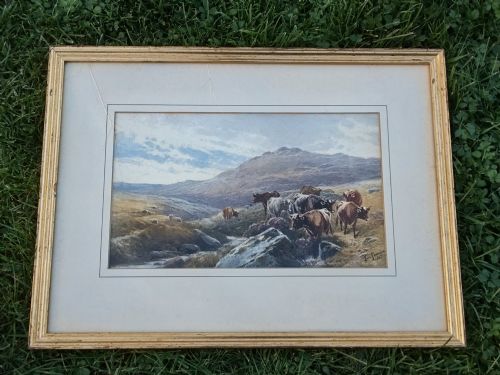
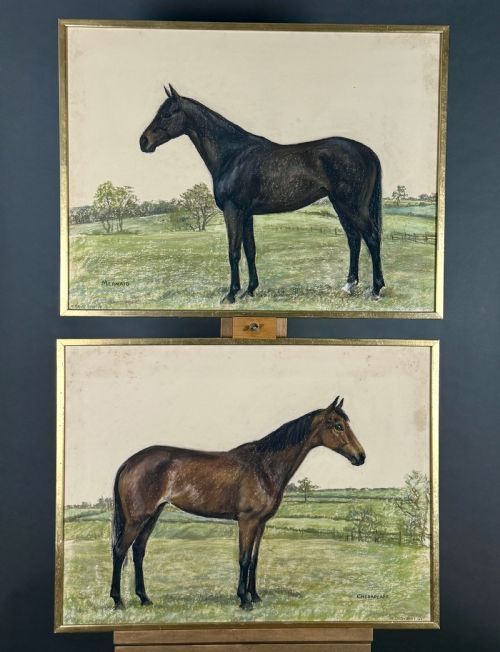
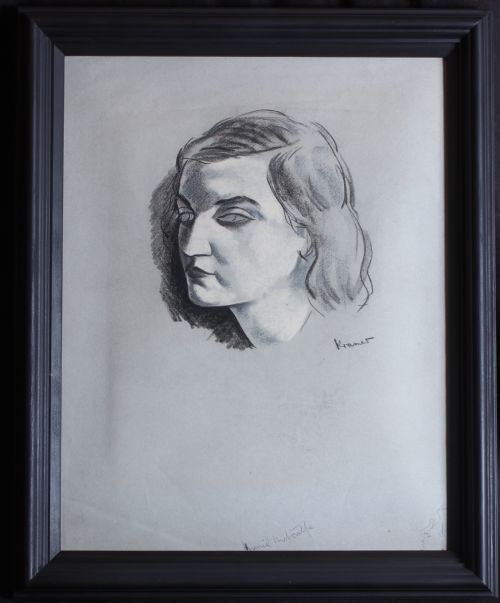
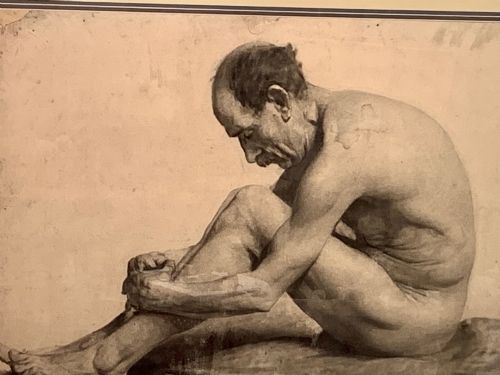
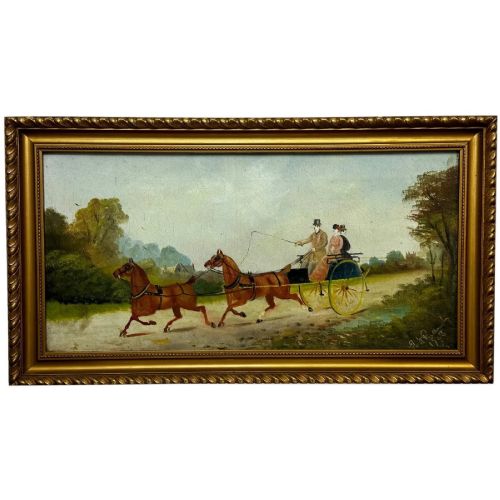
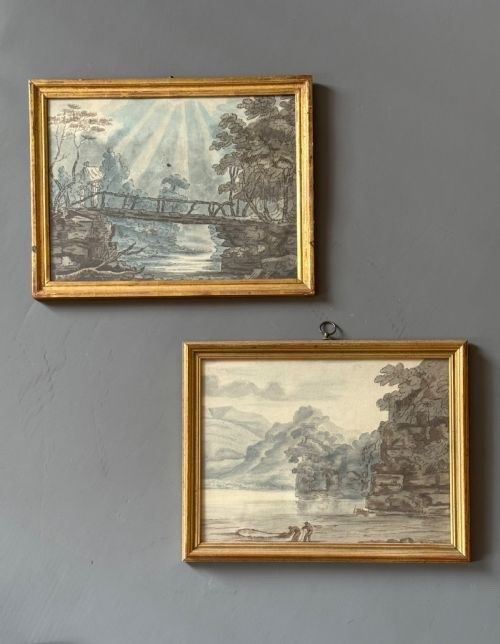
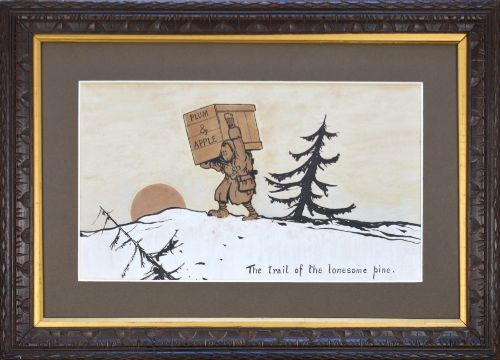
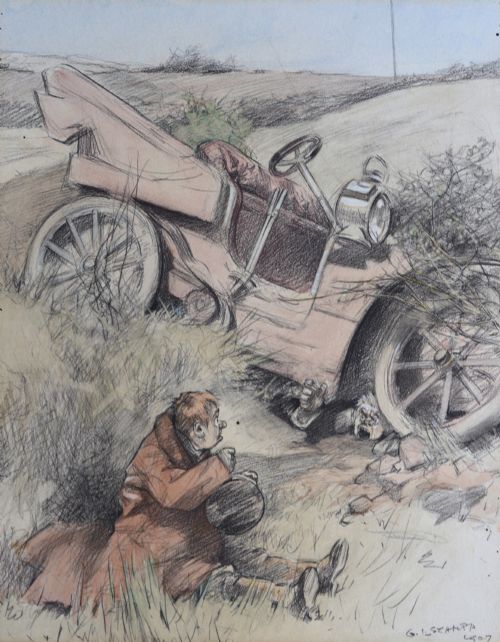
When searching for a vintage drawing, collectors encounter works on paper spanning from the nineteenth century through the mid-twentieth century, including portraits, landscapes, and figure studies. These pieces take the form of original artwork and framed works, capturing subjects from delicate animal studies to robust architectural plates.
How they were made
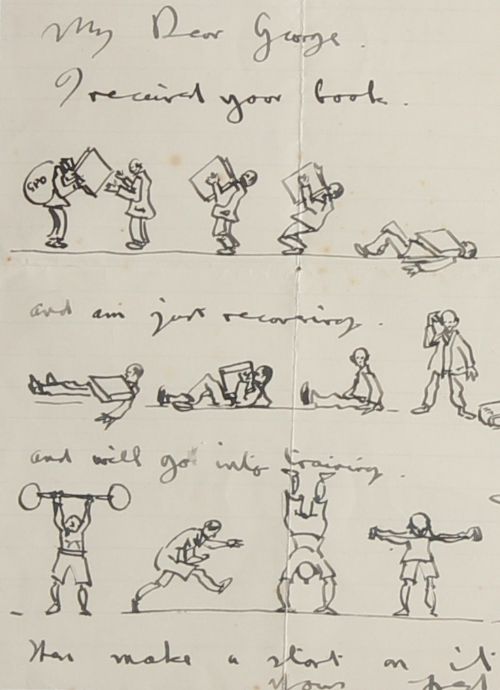
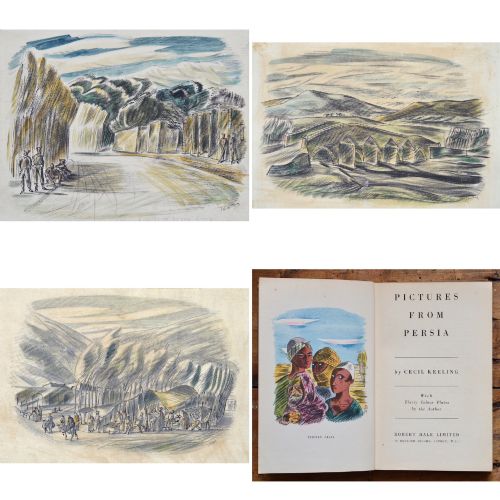
Artists relied primarily on paper supports, utilising media such as ink, pastel, charcoal, and gouache to build line and tone. Many works combine these materials, pairing pencil underdrawing with washes of watercolour or gouache on tinted or buff paper.
Framing preserves these fragile works on paper, often housing them behind glass to protect the delicate dry pigments of pastel and charcoal from disturbance.
Canines take centre stage in several pieces, capturing the distinct personalities of Borzois and Pekingese dogs.
What varies in quality
Quality rests upon the sureness of the draftsmanship and the economy of line, where an artist demonstrates total command of the medium. The vitality of the observation separates a swift, confident sketch from a laboured academic exercise.
Condition of the paper and stability of the medium dictate desirability, with well-preserved sheets retaining the original vibrancy of pastel pigments or the crispness of pen and ink lines.
Angus Rands·Marjorie L Davies·Thomas Rowden·Jacob Kramer·Philip H Rideout·Fred Lawson·Cecil Keeling·Bruce Bairnsfather·George Lorain Stampa·Henry Percy Huggill·Emily Eyres·Alfred Young Nutt·Herskind·William Etty·Robert Leslie Howey·Augustus John·Maurice Brianchon
The Vintage Drawing Glossary
- Drawing
- A graphic work executed on paper using dry or fluid media such as pencil, ink, or pastel. It forms the foundation of much visual art and stands alone as a finished piece.
- Gouache
- An opaque watercolour paint consisting of pigment, water, and a binding agent such as gum, often providing solid fields of colour in works on paper.
- Pastel
- A dry painting medium in the form of a stick, consisting of pure powdered pigment and a binder. It relies on the tooth of the paper to hold the pigment particles in place.
- Academic Realism
- A style of painting and drawing produced under the influence of European academies of art, prioritising accurate anatomy, perspective, and detailed observation.
- Works on Paper
- A broad category encompassing drawings, watercolours, prints, and pastels executed upon paper supports.
Vintage Drawing: Frequently Asked Questions
What is a vintage drawing?
A vintage drawing is an original work on paper created by an artist using media like ink, pencil, or pastel during the nineteenth or twentieth century.
These pieces offer a direct glimpse into the preparatory thoughts or finished visions of artists working across various British and European schools.
How do I identify the date of a drawing?
Dating relies upon signatures, artist biographies, stylistic markers of specific periods like the Edwardian era, and sometimes inscriptions or gallery labels on the reverse.
Paper types and framing materials can also offer contextual clues to narrow down the decade of creation.
What is the difference between ink and pastel?
Ink utilises a fluid medium applied with a pen or brush to create permanent, crisp lines and tonal washes on paper.
Pastel consists of dry pigment sticks that leave a velvety, powdery surface requiring careful handling and protection behind glass.