





Vintage Dragon Bowl
A vintage dragon bowl brings mythical intensity to a room, combining fierce mythological motifs with the quiet craft of porcelain, brass, and lustre glaze.
Vintage Dragon Bowl
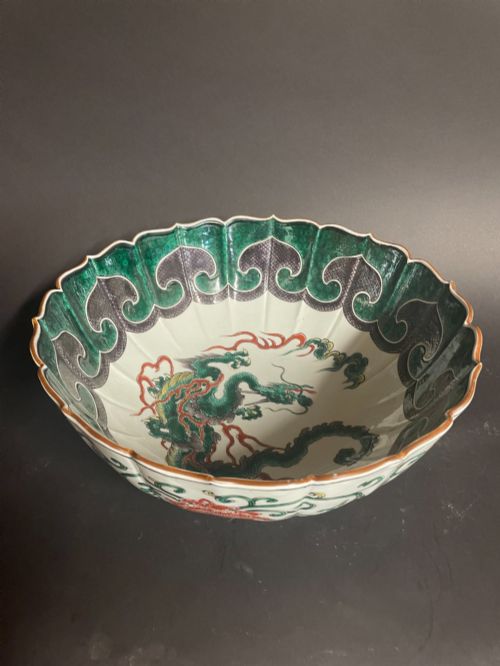
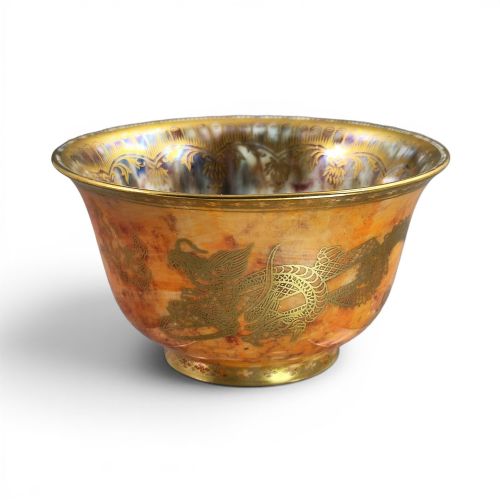
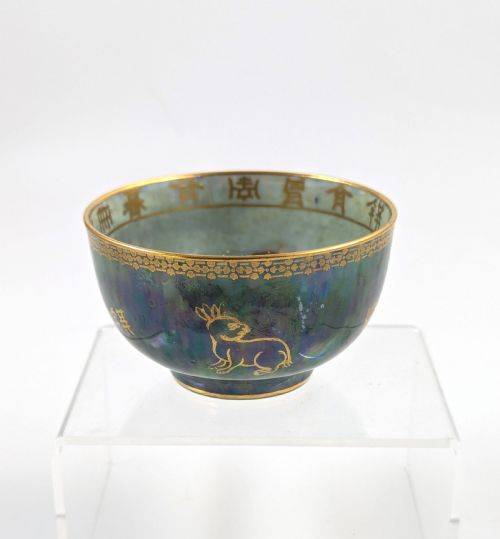
A vintage dragon bowl typically takes the form of a decorative vessel, miniature cup, trinket dish, or jardiniere. These pieces range from Chinese export wares and Japanese Meiji period works to Edwardian bone china creations.
Buyers encounter everything from large octagonal lustre bowls to heavy brass vessels and delicate Imari porcelain. The common thread is the prominent depiction of dragons, rendered across various periods spanning the late nineteenth century to the interwar decades.
Materials and methods
Makers utilised fine porcelain, bone china, and cast brass as the primary foundation for these vessels. Techniques involved shaping clay or metal before applying detailed surface decoration.
Artisans layered enamel, gold leaf, and vibrant lustre glazes to create the shimmering surfaces characteristic of these pieces. Firing processes fixed these metallic and enamel pigments permanently to the ceramic body.
Vintage Dragon Bowl Retail Price Guide 2026
Typical asking prices for vintage dragon bowl among the pieces listed under this phrase on Sellingantiques today, from the lower quarter to the upper quarter. They describe what is for sale here now, not the wider market.
Materials represented include porcelain, bone china, lustre glaze, enamel, brass, and gilt.
Assessing quality and execution
Quality reveals itself in the crispness of the moulded or painted dragon motif and the depth of the glaze. Superior pieces display precise brushwork or intricate relief work without blurring.
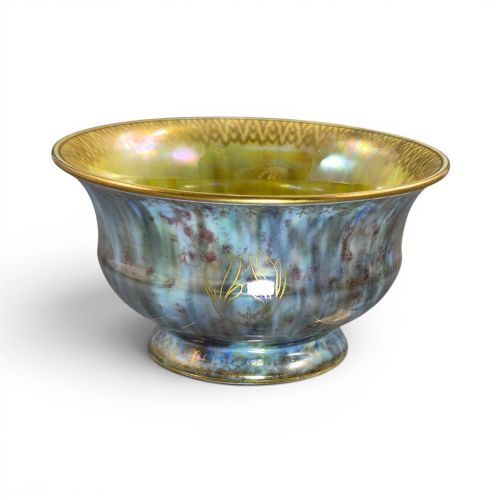
The application of gold leaf and lustre glaze distinguishes finer examples from simpler commercial outputs. Richness of colour and stability of the metallic sheen indicate the skill of the original workshop.
Wedgwood
The Vintage Dragon Bowl Glossary
- Lustre glaze
- A type of ceramic glaze containing metallic oxides that produce an iridescent, pearlescent sheen upon firing. This finish catches the light and highlights painted motifs.
- Imari
- A style of Japanese porcelain decorated in underglaze blue and overglaze red, gold, and other colours. Pieces display dense, patterned borders alongside central pictorial scenes.
- Bone china
- A type of soft-paste porcelain incorporating animal bone ash, producing a strong, highly translucent body. It allows for thin-walled vessels with a bright white background.
- Jardiniere
- A large ornamental pot or bowl designed to hold plants or flowers. These sturdy vessels often feature heavy metallic or ceramic construction.
Vintage Dragon Bowl: Frequently Asked Questions
How do I date a dragon bowl?
Dating relies on identifying backstamps, stylistic markers, and material composition. Pieces from the Edwardian era often bear specific pottery marks associated with early twentieth-century production.
Later items from the interwar decades reflect distinct Art Deco or traditional revival influences. Comparing the glaze type and decorative style helps narrow the period of origin.
How should I display a dragon bowl?
These bowls suit placement on plain wooden surfaces where their intricate surface patterns can stand out. Octagonal or round vessels function well as standalone centrepieces on sideboards or tables.
Smaller trinket dishes and miniature cups sit comfortably within cabinet displays alongside other ceramics.
What is Fairyland Lustre?
Fairyland Lustre is a distinctive line of decorative ceramics developed during the early twentieth century. These pieces feature fantastical themes, including dragons, rendered in rich, iridescent glazes.
The complex manufacturing process involved multiple firings to achieve deep, shimmering layers of colour.