



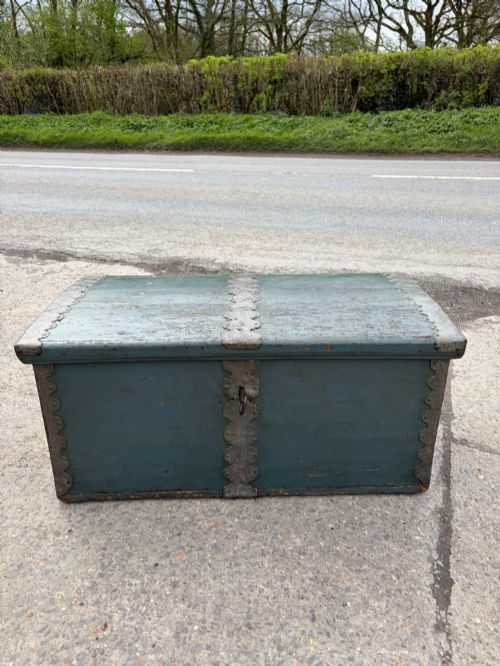


Vintage Dome Trunk
A vintage dome trunk offers robust storage with character, bringing arched lids and centuries of practical craftsmanship straight into the modern home.
Vintage Dome Trunk
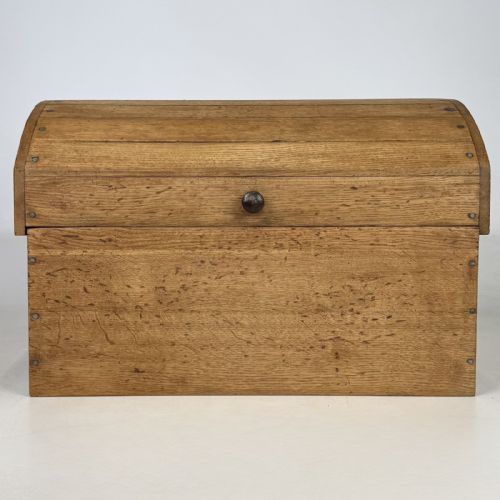
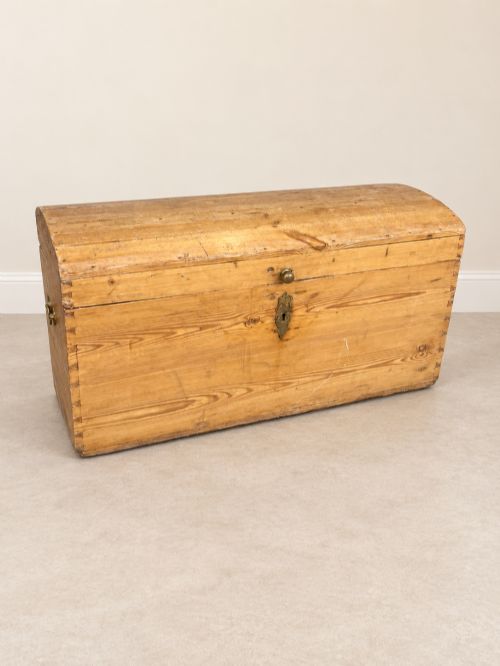
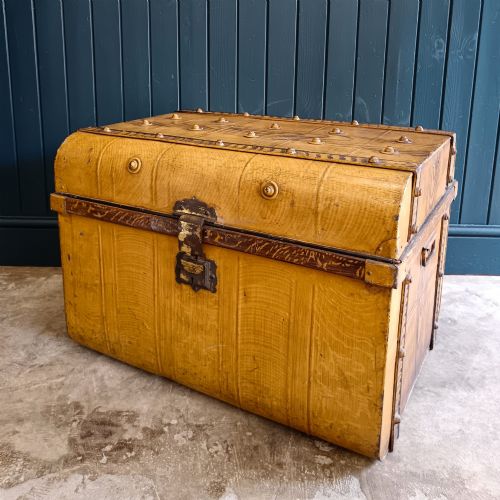
A vintage dome trunk serves as both functional luggage and decorative storage, featuring a curved lid designed to shed water during travel. These pieces emerge in various forms, including sturdy travel chests, smaller caskets, and rustic coffers.
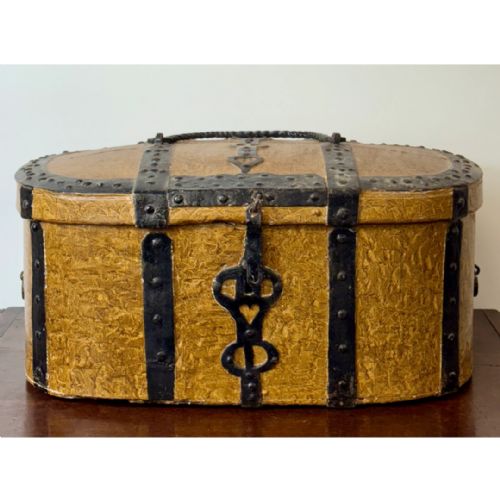
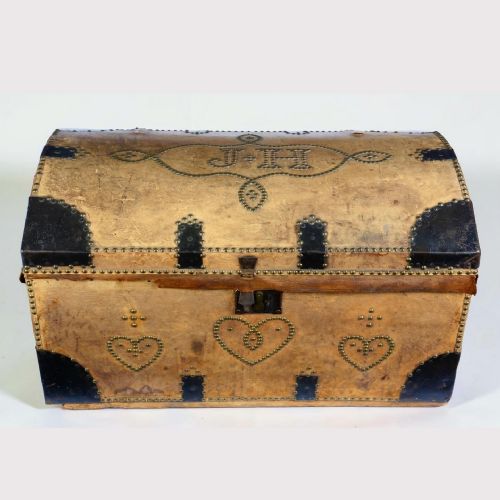
The selections available here lean heavily toward nineteenth-century pine and eighteenth-century oak examples, often reflecting Scandinavian country, rustic farmhouse, or Victorian aesthetics. Buyers frequently encounter painted finishes, studded leather, and metal-bound timber constructions.
Originating from domestic and international journeys, these trunks range from simple pine blanket chests to travel luggage cases bearing the marks of transit. Each piece carries a distinct silhouette defined by its arched top.
Materials and Construction Techniques
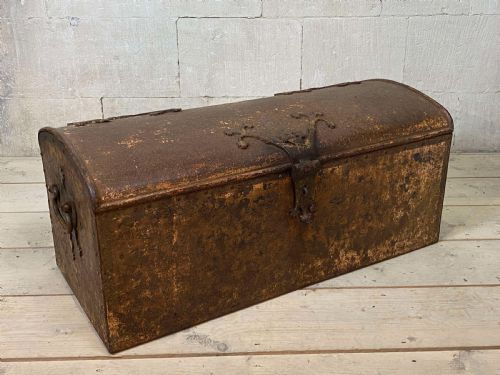
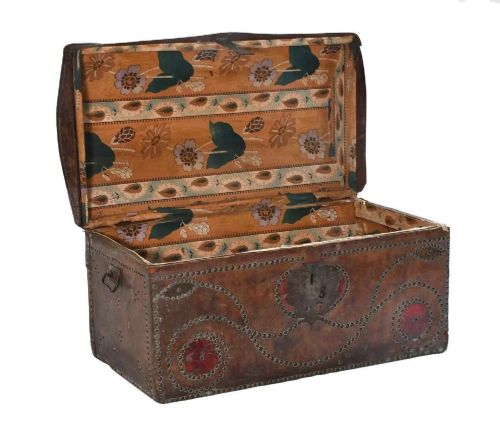
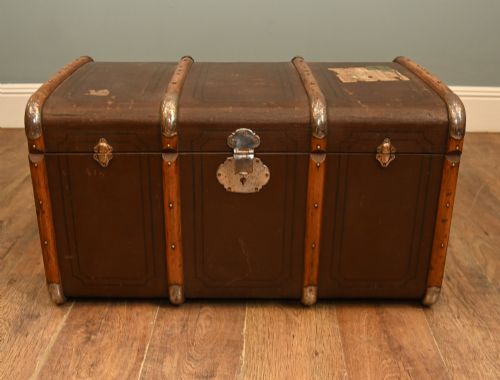
Makers built these pieces using primary timbers such as pine, oak, and teak, frequently reinforcing them with iron, wrought iron, and brass bands. Leather and hide also appear as outer coverings, secured with meticulous brass studwork.
Surfaces often display original paint, faux-wood finishes, or polished canvas, preserving the tactile quality of the materials. Traditional joinery and metal fastenings ensured the structural integrity needed for rigorous travel and daily domestic use.
Vintage Dome Trunk Retail Price Guide 2026
Typical asking prices for vintage dome trunk among the pieces listed under this phrase on Sellingantiques today, from the lower quarter to the upper quarter. They describe what is for sale here now, not the wider market.
Listings feature eighteenth and nineteenth-century pieces constructed from pine, oak, leather, and iron, spanning Scandinavian, British, and continental European origins.
Assessing Quality and Character
The distinction between ordinary and exceptional pieces lies in the survival of original surface treatments, such as folk art paintwork or patinated leather. Trunks retaining their authentic ironwork, brass studding, and untouched interior linings command greater appreciation.
Proportion and scale also dictate quality, as smaller strong boxes and finely detailed coffers demonstrate higher levels of specialised joinery. The harmony between the timber's age and the integrity of the domed lid separates standard utility items from notable decorative works.
Arthur Wannop
The Vintage Dome Trunk Glossary
- Dome top
- A lid constructed with a rounded or arched upper profile, originally designed to prevent water accumulation during travel. This curved shape defines the primary silhouette of the pieces found in this category.
- Cofer
- A large wooden chest traditionally used for storing valuables, often reinforced with metal bands. These sturdy containers frequently feature domed lids and heavy fastenings.
- Studwork
- The decorative and structural application of brass or iron nails across leather or wood surfaces. This technique creates geometric patterns while securing the covering material to the trunk body.
- Folk art
- Artistic traditions and decorative painting created within rural communities, frequently seen on Scandinavian pine boxes and coffers. These hand-painted motifs reflect regional cultural heritage.
- Strong box
- A heavily fortified small chest designed for securing currency, documents, or precious items. They typically incorporate robust metal bindings and secure locking mechanisms.
Vintage Dome Trunk: Frequently Asked Questions
How were dome trunks used originally?
These trunks served as durable luggage for maritime and overland travel, designed with curved lids so moisture would run off easily.
Inside homes, they doubled as blanket chests and secure storage for household valuables and textiles.
How do I care for a leather-covered trunk?
Keep leather surfaces away from direct sunlight and excessive heat to prevent the hide and brass studwork from drying out.
Dust gently with a dry cloth and avoid modern chemical cleaners that might strip the historic finish.
Are painted finishes on these trunks original?
Many pieces retain their original folk art paint or early decorative finishes, which display natural wear and authentic patination over the wood.
Close inspection of the pigment layers helps distinguish period surface treatments from later repaintings.
What is the difference between a trunk and a coffer?
A coffer is traditionally a heavy, stationary chest built for storing high-value possessions, often featuring deeper carving and iron reinforcement.
Trunks were generally constructed lighter and equipped for travel, though the terms frequently overlap in historical listings.