



Vintage Dome Cover
These vintage dome cover pieces are protective glass bells and lidded ceramic vessels designed to shelter food and display curiosities.
Vintage Dome Cover
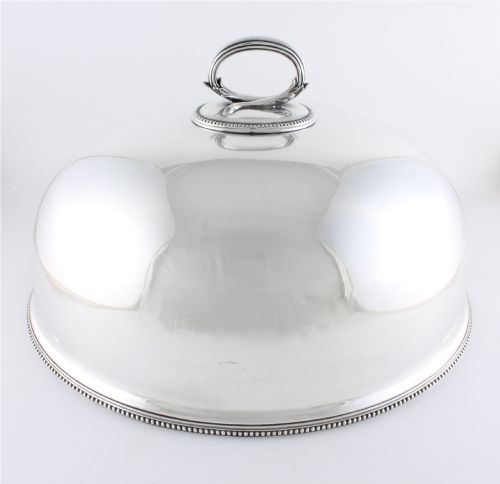
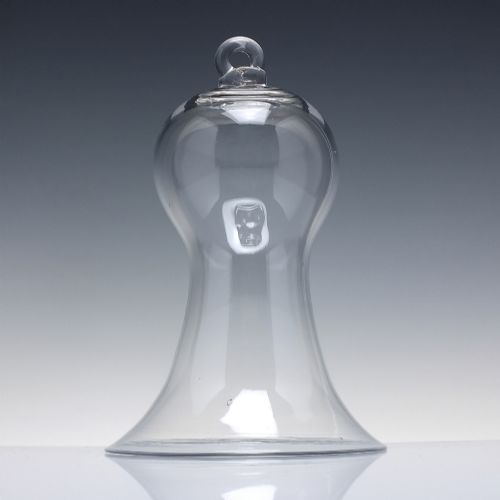
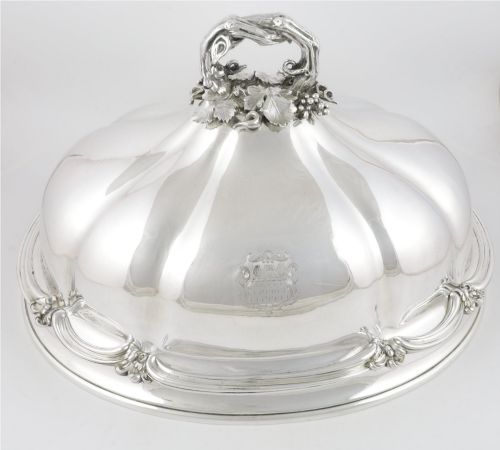
When you search for a vintage dome cover, you encounter a varied assortment of protective glass bells, lidded serving vessels, and heavy metal covers originating from the Georgian, Victorian, and Edwardian eras. The selection spans utilitarian dining items and decorative display cases, reflecting a broad range of domestic applications.
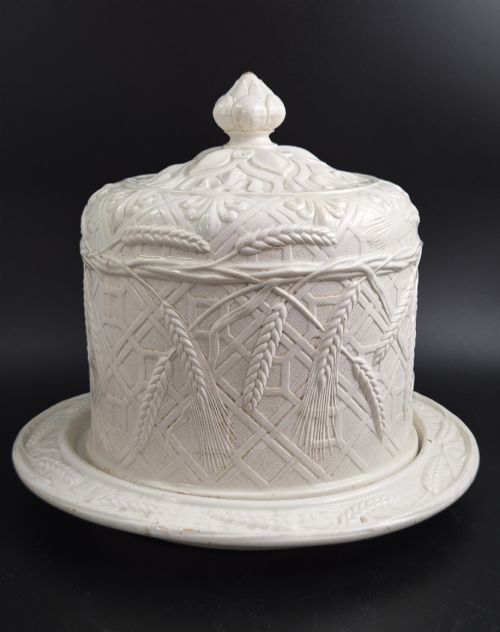
The most common forms on this page are cheese domes, meat covers, and glass display cloches resting on wooden bases. These items served distinct purposes in historic households, from preserving perishable foods on the dining table to protecting delicate taxidermy specimens and clocks from dust.
Origins stretch across English workshops and continental makers, incorporating periods from the early nineteenth century through to the nineteen-twenties. Buyers will find earthenware cheese dishes alongside tall glass showcases with beech, oak, or pine bases.
How they were made
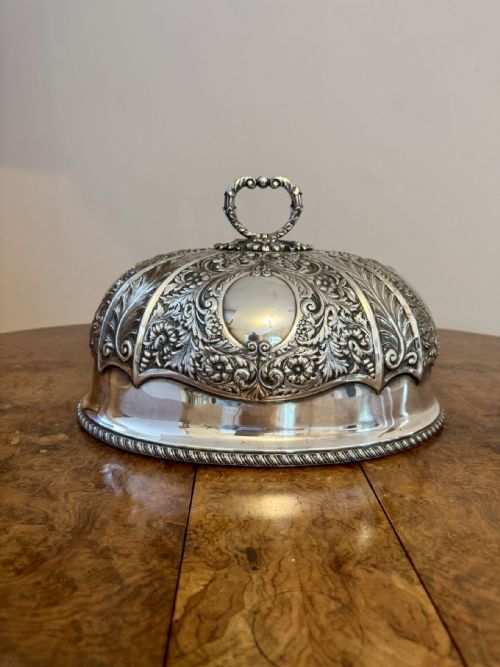
Makers utilised blown and cast glass for the transparent covers, pairing them with turned wooden bases made from beech, oak, pine, or ebonised wood. Metal pieces rely on silver plate, Old Sheffield plate, and EPNS over a base metal foundation.
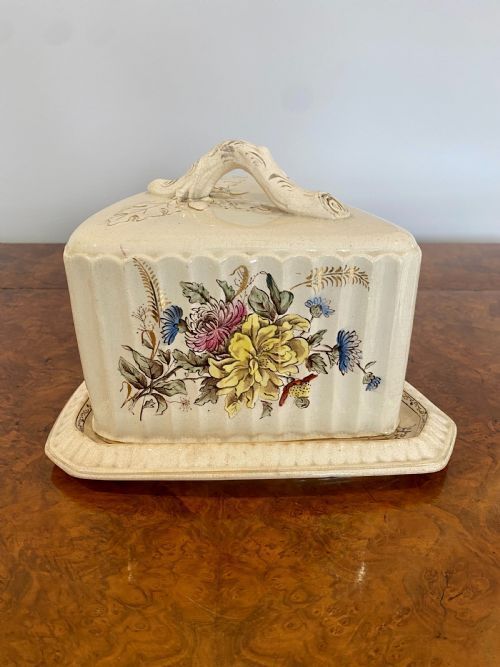
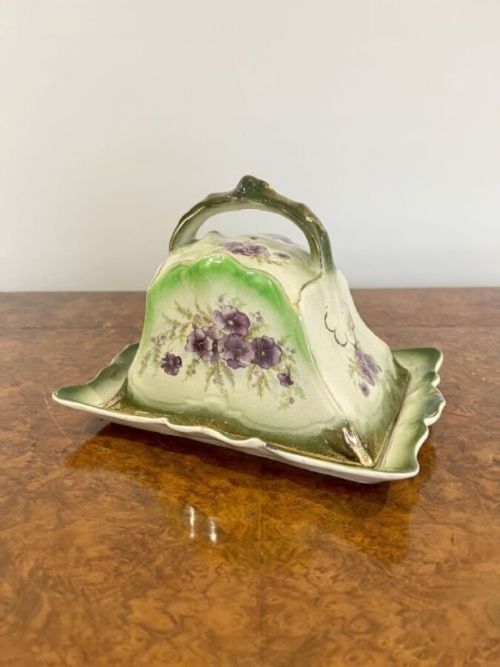
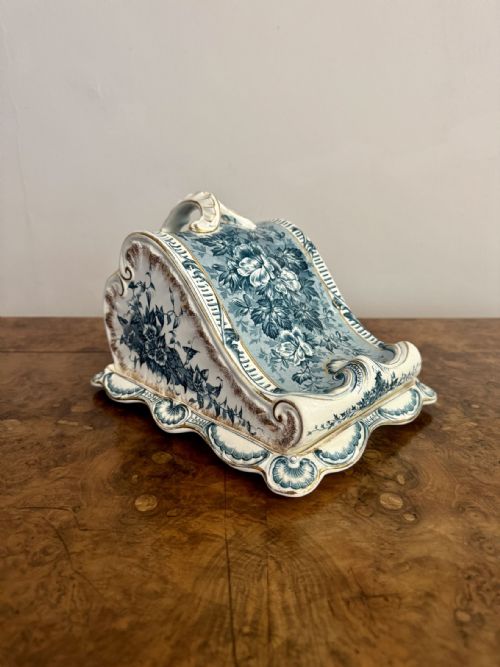
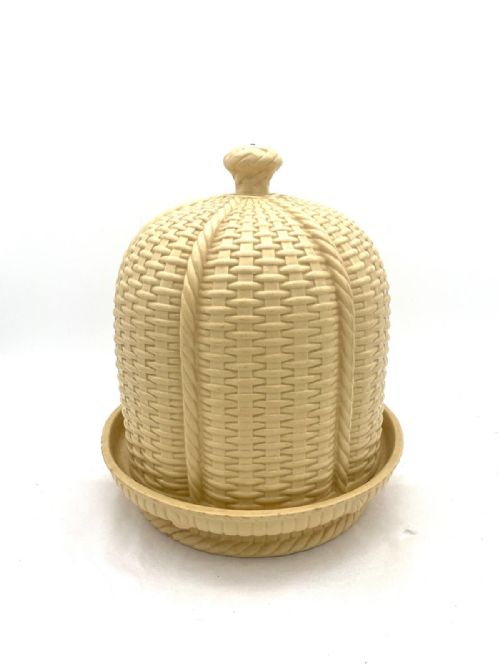
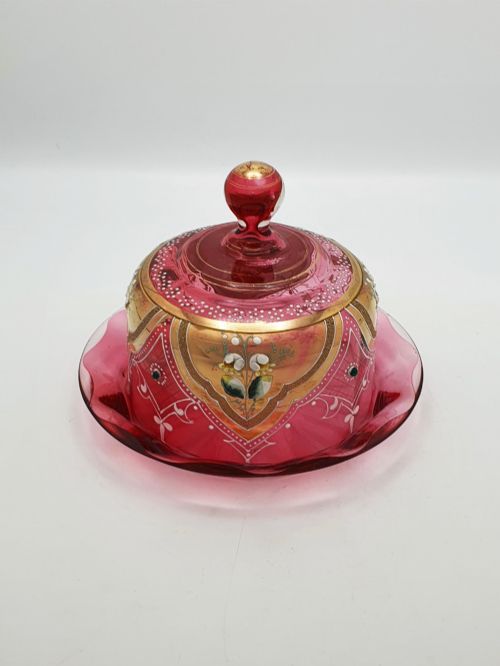
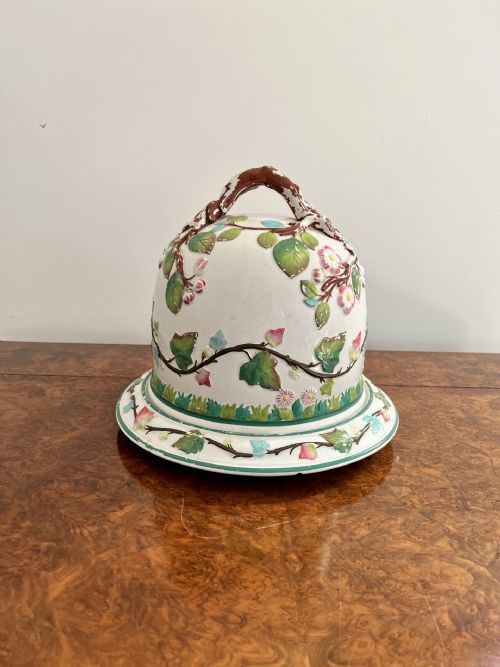
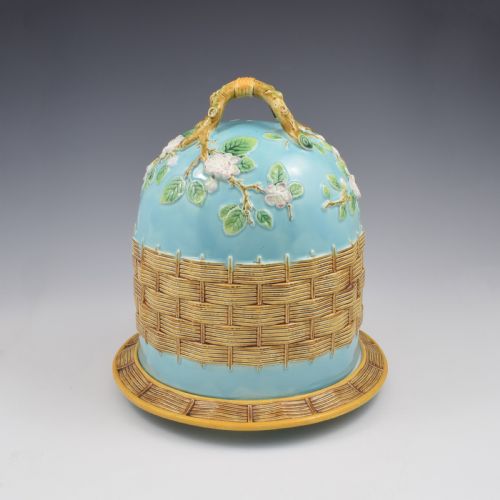
Ceramic versions employ earthenware, ironstone, drabware, and jasperware, frequently decorated with majolica glaze, coloured glass such as cranberry, or moulded relief patterns like wheat and lattice, basket weave, and apple blossom.
Vintage Dome Cover Retail Price Guide 2026
Typical asking prices for vintage dome cover among the pieces listed under this phrase on Sellingantiques today, from the lower quarter to the upper quarter. They describe what is for sale here now, not the wider market.
Periods represented span from the Georgian era through the Victorian and Edwardian periods up to nineteen-twenty.
What varies in quality
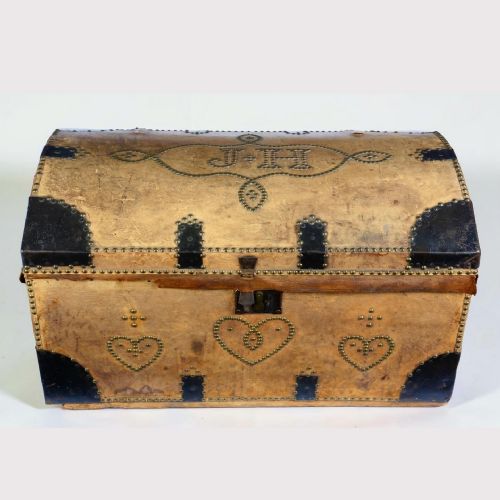
Quality reveals itself in the weight and clarity of the glass, the depth of the ceramic moulding, and the crispness of applied decorative details like brass studwork or silver-plated handles. Superior ceramic dishes display fine detail in hand-painted majolica glazes and well-fitted matching stands.
Metal covers differ in the thickness of the silver plating and the substantial feel of the handle and body, while display domes are distinguished by the seasoned quality of their wooden bases and the absence of bubbles or major distortions in the blown glass.
Roberts Cadman·Arthur Wannop·George Jones·Henry Wilkinson
The Vintage Dome Cover Glossary
- Old Sheffield Plate
- An early form of plated metal produced by fusing a sheet of silver to a copper core before rolling them together into sheets. This technique predates modern electroplating.
- Drabware
- A type of unglazed or salt-glazed stoneware characterised by a dull brownish-grey or olive body. It was commonly utilised for utilitarian nineteenth-century kitchen and dining wares.
- Cloche
- A bell-shaped glass cover used originally in gardening to protect plants, and later adopted indoors to shield food or display delicate ornaments.
- EPNS
- Electroplated Nickel Silver, a common base metal alloy coated with a thin layer of silver using an electrical process. This method became widespread in late nineteenth-century manufacturing.
Vintage Dome Cover: Frequently Asked Questions
What were cheese domes used for?
Cheese domes served to keep hard cheeses moist and protected from pests on the dining table. They were typically paired with a matching ceramic stand or plate.
In Victorian households, they were brought out during the course of the meal and kept covered between servings to preserve the cheese.
How do I use a display dome?
Display domes house fragile objects such as clocks, taxidermy, botanical specimens, and ornaments upon a wooden base. The glass cover lifts off to allow placement of the item.
They keep dust and moisture away from delicate interior items while permitting all-around visibility on a shelf or table.
What is the difference between a meat dome and a cheese dish?
Meat domes are large metal covers designed to fit over platters of roast meat to retain heat before carving. Cheese dishes consist of a ceramic plate and a smaller matching lid.
Meat covers focus on thermal preservation using silver plate, whereas cheese covers utilise ceramic bodies for table presentation.
How do I date a glass display dome?
Dating relies on the thickness and clarity of the glass, the presence of pontil marks on the underside, and the wood used for the base. Victorian examples often feature hand-blown glass with minor irregularities.
Edwardian and later pieces tend to show more uniform machine-made glass production alongside oak or beech bases.