


Vintage Dog Canvas
These vintage dog canvas works bring centuries of sporting art and canine portraits directly to your walls.
Vintage Dog Canvas
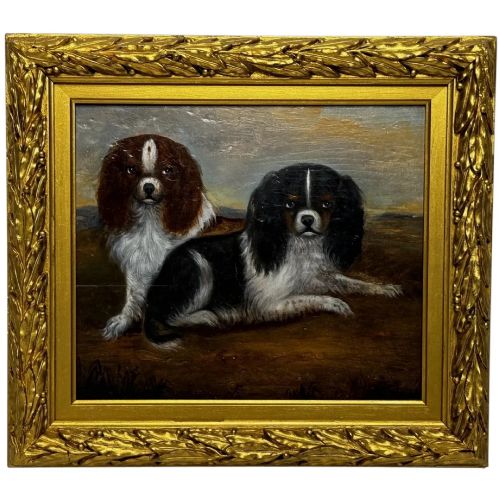
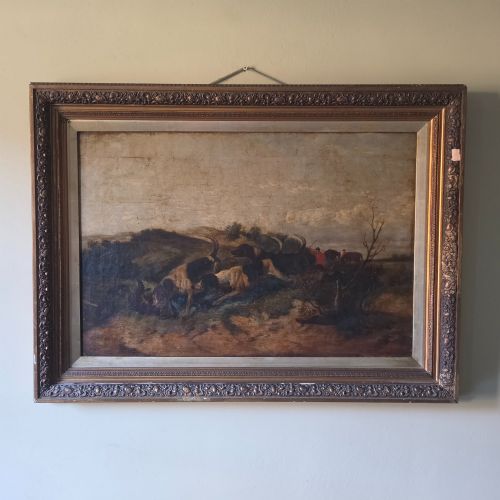
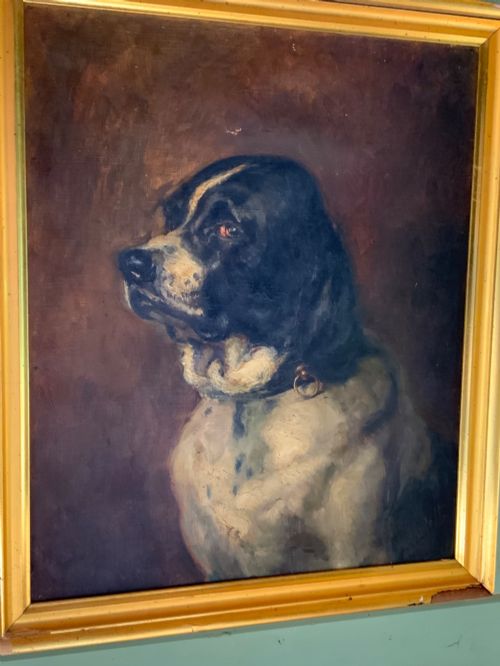
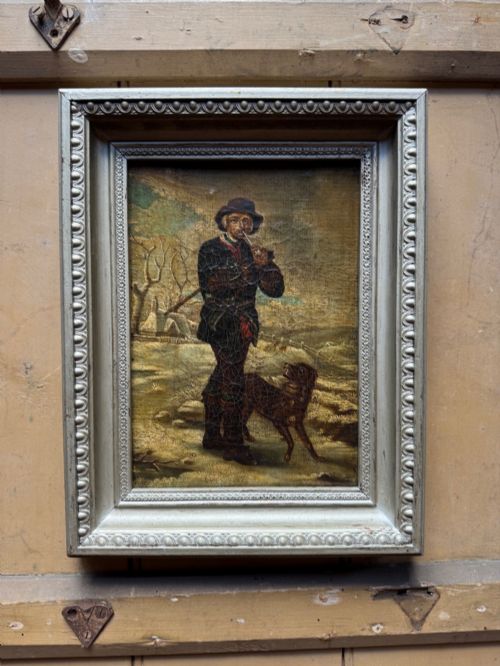
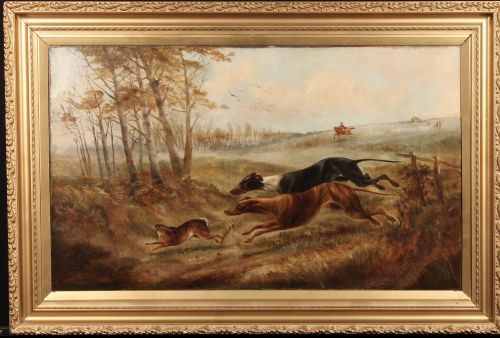
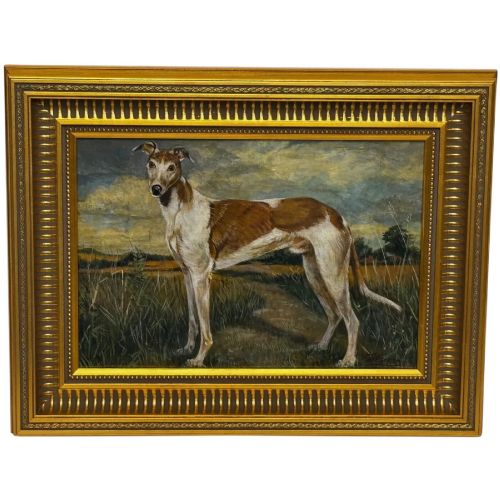
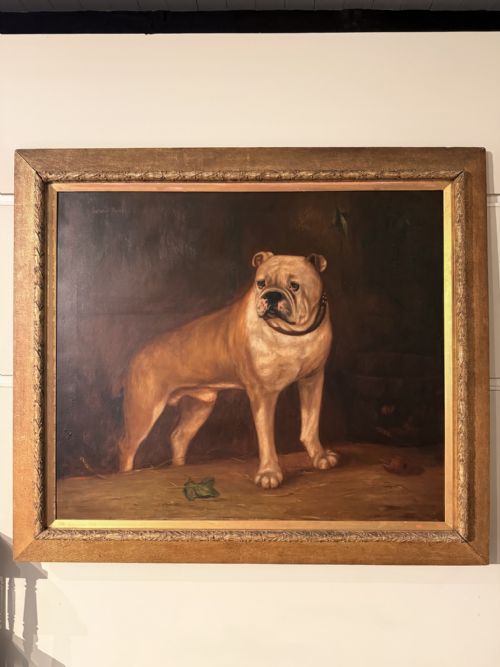
A vintage dog canvas presents oil paintings of hounds, terriers, spaniels, and working dogs executed across the nineteenth and twentieth centuries. These artworks capture individual animal portraits as well as dynamic hunting and sporting scenes framed by landscape or interior settings.
The selections on this page lean heavily towards Victorian and Edwardian portrayals, alongside mid-twentieth-century compositions. Buyers encounter both intimate character studies of cherished pets and formal depictions associated with British and French sporting traditions.
The physical form is straightforward, consisting primarily of oil paint applied to canvas supports, frequently housed within period wooden or gilt frames. Works range from modest character sketches to large gallery-scale canvases depicting multiple hounds or working terriers.
Materials and Methods
Artists relied upon oil paint layered onto stretched canvas to build depth and texture within each animal coat. This medium allowed painters to capture the sheen of a spaniels ear or the rugged wire hair of a working terrier through careful blending and visible brushwork.
Wooden stretchers and heavy wooden frames, often finished in gilt or giltwood, completed the physical construction of these paintings. The combination of durable oil pigments on fabric secured longevity, allowing these portraits to survive across multiple centuries of domestic display.
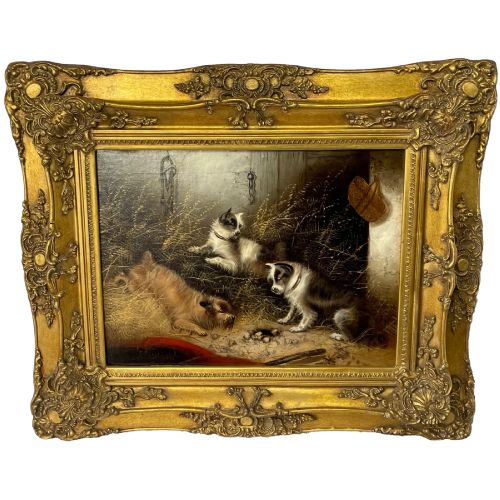
Several canvases record working terriers mid-action, caught permanently in the act of guarding a rat or watching a rabbit.
Distinctions in Quality
Anatomy and expression separate the finest animal portraits from standard decorative workshop pieces. Superior artists demonstrate a precise understanding of canine skeletal structure, muscular movement, and individual temperament rather than relying on generic canine shapes.
Brushwork precision and handling of light also define the upper tier of works. Master painters create convincing textures in fur and integrate the animal naturally into its surrounding landscape or interior backdrop, whereas lesser examples present flat subjects detached from their environment.
Edward Armfield·John Emms·William Barraud·Sir Edwin Landseer·Henri Schouten
The Vintage Dog Canvas Glossary
- Oil on Canvas
- A traditional painting medium where pigmented oil is suspended in a drying oil and applied to a woven fabric support. This combination provides rich colour saturation and longevity.
- Sporting Art
- A genre of painting dedicated to depictions of rural sports, hunting, horses, and dogs. These works frequently document prized hunting dogs or historic field events.
- Giltwood
- Wood that has been treated with a thin layer of gold leaf or gilt finish. Frames constructed in this manner add considerable visual weight and period authenticity to nineteenth-century paintings.
- French School
- A classification indicating that an artwork originated from artists trained within the French artistic tradition. These pieces often display distinct handling of light and mood compared to British counterparts.
Vintage Dog Canvas: Frequently Asked Questions
How do I hang a heavy oil painting?
Heavy canvases require secure wall anchors fixed directly into studwork or solid masonry to support the combined weight of the painting and its wooden frame.
Position the centre of the canvas at standard eye level to ensure proper viewing proportions within your room.
Can I clean an old canvas?
Surface dust should be removed gently using a soft, dry brush without applying moisture or pressure to the painted surface.
Professional conservators must handle deeper cleaning or varnish removal to avoid damaging the original oil pigments underneath.
Where should I display dog paintings?
These works suit traditional reception rooms, studies, or hallways where sporting art and animal portraits traditionally hang.
Keep canvases away from direct sunlight and steady heat sources to prevent the oil paint and canvas from drying out or cracking.
How do I identify a Victorian dog painting?
Victorian examples typically display realistic handling of anatomy, darker earthy palettes, and subjects focused on hunting hounds, terriers, or gundogs.
Examine the construction of the wooden stretcher bars and the style of the gilt frame for additional period indicators.