






Vintage Document Safe
These vintage document safe pieces offer secure storage wrapped in historical craftsmanship.
Vintage Document Safe
A vintage document safe is a sturdy container designed to protect valuable papers and currency, appearing in forms ranging from heavy iron boxes to disguised faux books. When searching for a vintage document safe, buyers encounter diverse iterations spanning centuries of protective design.
The selections on this page incorporate sturdy strongboxes, decorative caskets, and functional cash boxes alongside heavier banker pedestals and filing cabinets. Origins stretch across multiple eras, taking shape through Victorian ironmongery, Regency brass fittings, and mid-century interpretations.
Makers and designers of the past utilised robust construction to ensure security, resulting in objects that function equally well as display items and secure repositories. The variety available reflects shifting domestic and commercial needs for document preservation over hundreds of years.
Materials and Construction
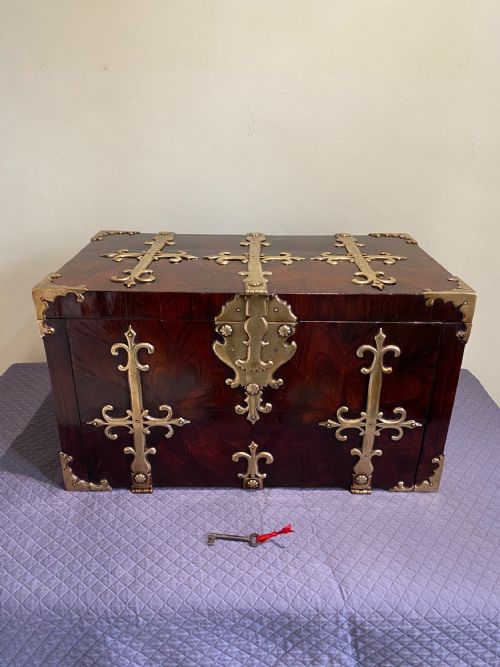
Makers built these pieces primarily from heavy metals such as cast iron, wrought iron, and steel to provide physical security against theft and fire. Wood such as mahogany, oak, and kingwood frequently formed the carcass or exterior housing for internal metal locking mechanisms.
Surface treatments included tooled leather, hand painting, and bronze or brass mounts that elevated utilitarian security boxes into decorative household objects. Interior compartments often featured secret letter drops and multi-dial combination locks or patent locking systems.
Vintage Document Safe Retail Price Guide 2026
Typical asking prices for vintage document safe among the pieces listed under this phrase on Sellingantiques today, from the lower quarter to the upper quarter. They describe what is for sale here now, not the wider market.
Some document safes disguised themselves as leather-bound books so perfectly that librarians accidentally shelved them.
Assessing Quality and Execution
Superior examples distinguish themselves through the sophistication of their locking mechanisms, such as multi-dial combination systems and proprietary patent locks. The weight and thickness of the metal or timber carcass directly indicate the intended security level of the piece.
Artistic execution separates standard utility boxes from exceptional decorative pieces, seen in fine hand-painted surfaces, intricate tooled leather, and specialised cabinetry like faux book casings. Preserved original hardware and functional keys elevate the standing of any surviving specimen.
Milners of Liverpool·George Price
The Vintage Document Safe Glossary
- Strongbox
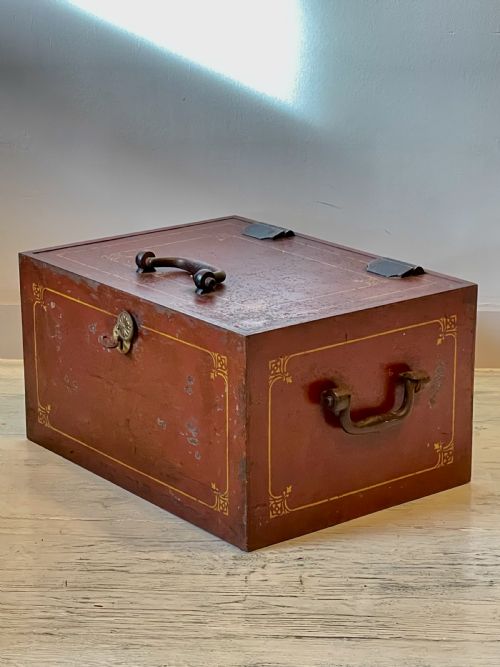
- A heavily reinforced metal or wooden chest designed to secure valuables and documents against theft and unauthorised access. These boxes typically feature robust locking lids and heavy carrying handles.
- Deed box
- A specialised storage container traditionally used by legal professionals and landowners for keeping land indentures and titles. They often incorporate fall fronts or lift lids with reliable brass lever locks.
- Combination safe
- A secure enclosure that opens via a sequence of numbers or letters dialled in a specific order rather than a standard key. This mechanism reduced the vulnerability associated with lost keys.
- Faux book casket
- A decorative container constructed to resemble a leather-bound volume or stack of books while housing a concealed cavity for papers. These items allowed owners to store documents in plain sight on library shelves.
- Patent safe
- A security box produced under a registered industrial design or locking invention, often bearing the maker's stamp. Such pieces represent documented advancements in nineteenth-century security engineering.
Vintage Document Safe: Frequently Asked Questions
How do I open a vintage combination safe?
Many older combination boxes require a precise sequence of turns to align internal tumblers with the locking bolt. Without the original numeric or letter combination, forcing the mechanism can damage the historic interior.
Consulting a professional locksmith experienced in antique security devices remains the safest method to gain entry without destroying the original brass or iron dials.
Were these safes fireproof?
Some nineteenth-century iron and steel boxes incorporated double-walled construction with insulating materials to resist high temperatures. However, verification depends entirely on the specific manufacturer's stated specifications rather than the mere presence of heavy metal.
Buyers should treat most period boxes as secure containers against theft rather than certified modern fire safes.
How should I clean the leather on a faux book safe?
Tooled and bound leather surfaces benefit from gentle dusting with a soft, dry cloth to remove accumulated particles. Avoid harsh modern chemical cleaners that strip natural oils from historic hides.
Applying a specialist microcrystalline wax or leather conservation dressing can help maintain flexibility and protect the embossed details from further drying.
Can I use a strongbox for daily document storage?
These robust metal and wooden chests accommodate modern paper documents, passports, and small valuables easily. Ensuring the interior is clean and dry prevents any transfer of moisture or old odours to stored items.
While functional, consideration must be given to the weight of cast iron and steel structures on standard household shelving or furniture.