




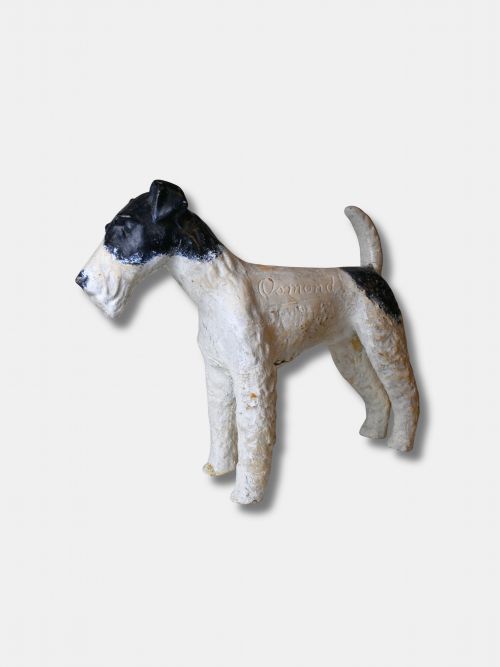
Vintage Display Model
When you handle a vintage display model, you touch tangible fragments of maritime history, shop advertising, and architectural skill.
Vintage Display Model
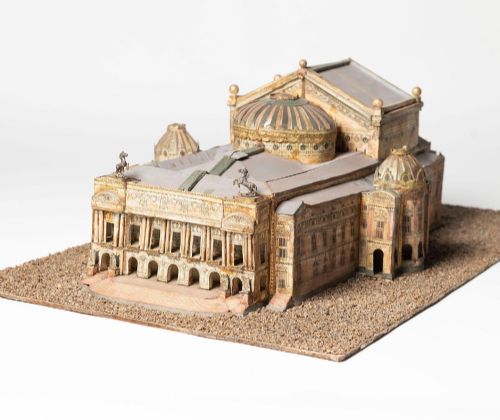
A vintage display model encompasses varied physical representations ranging from maritime dioramas and pond yachts to shop advertising figures, architectural models, and teaching aids. These objects originate from periods spanning the nineteenth century through the nineteen-thirties, including Victorian and Edwardian eras.
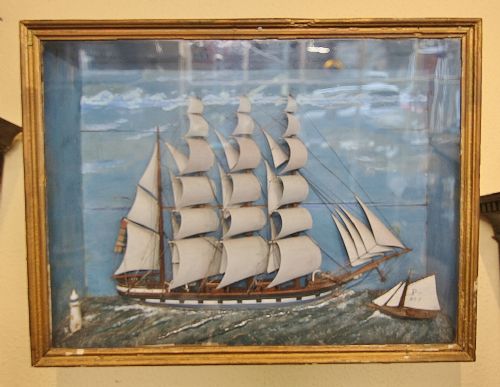
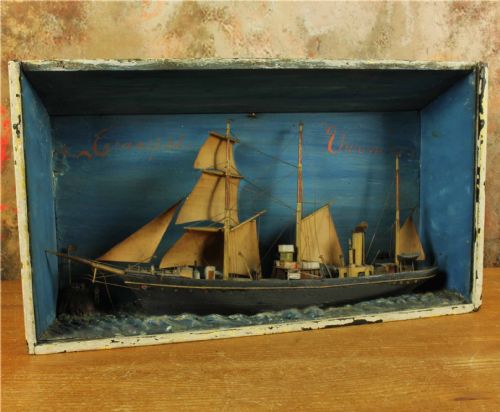
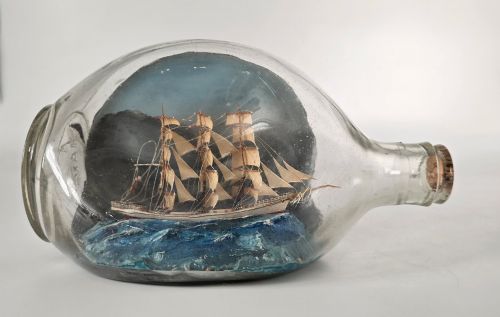
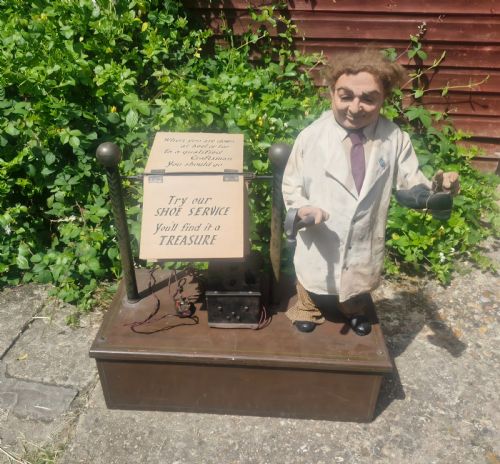
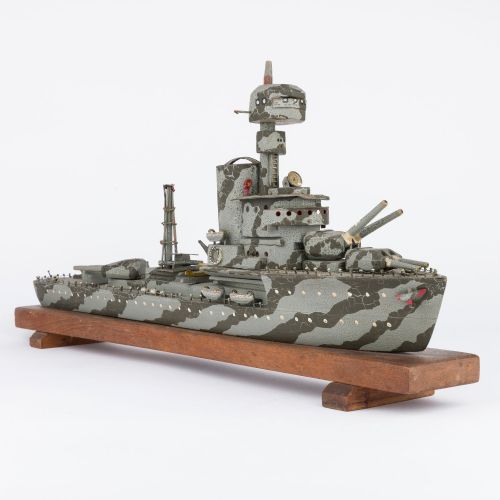
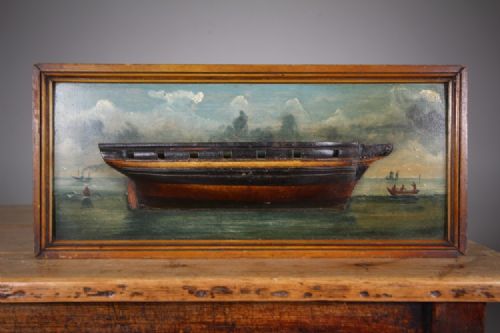
The version most frequently met on this page is the maritime diorama or ship model, often enclosed in glass or housed within a shadow box. Alongside these nautical subjects, buyers frequently encounter trade displays, such as bakers' bread models and butchers' butcher shop displays, reflecting commercial life of the past.
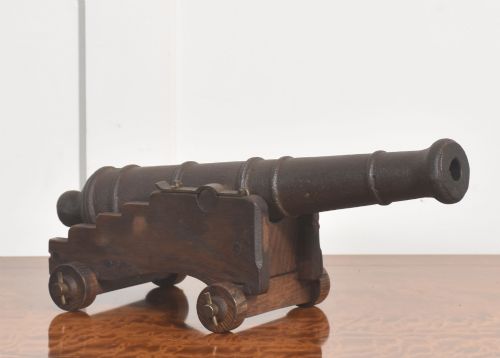
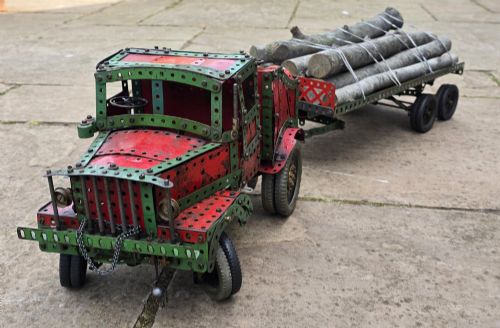
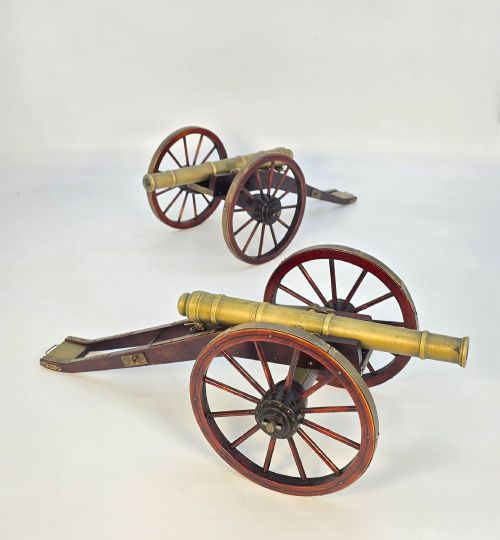
Objects on this page also include mechanical subjects like steam traction engines and revolvers, alongside botanical teaching aids and human mannequins. Such diversity reflects the broad functional scope of items created for exhibition, instruction, or commercial promotion during the nineteenth and early twentieth centuries.
Materials and construction techniques
Makers utilised traditional construction materials such as wood, paint, glass, metal, brass, canvas, plaster, and steel to build these pieces. Structural elements rely heavily on carved timber, cast iron, and composition materials shaped by hand or machinery.
Maritime models incorporate detailed rigging, painted canvas sails, and wooden hulls housed within glazed display boxes. Advertising figures and shop displays combine painted plaster, carved sycamore or pine, and textiles to achieve lifelike presence.
Vintage Display Model Retail Price Guide 2026
Typical asking prices for vintage display model among the pieces listed under this phrase on Sellingantiques today, from the lower quarter to the upper quarter. They describe what is for sale here now, not the wider market.
Listings incorporate wood, paint, glass, metal, brass, canvas, plaster, and steel across nineteenth-century and early twentieth-century forms.
Factors determining quality
Quality in these objects rests upon the precision of scale, the fineness of hand-carved detail, and the preservation of original paint surfaces. Pieces exhibiting superior execution show meticulous attention to anatomical or architectural accuracy rather than generalized mass production.
The integrity of original enclosures, such as glass domes or shadow box frames, preserves the internal components from modern alteration. Surviving original polychrome paint and authentic rigging elevate the standing of a piece considerably.
The Vintage Display Model Glossary
- Diorama
- A three-dimensional miniature scene enclosed in a box or glass case, frequently depicting ships at sea or historical events. These displays use layered painted backdrops and physical models to create depth.
- Pond yacht
- A large model sailing boat designed for recreational racing on open water. They possess weighted keels and functional rigging.
- Shadow box
- A shallow, glass-fronted wooden display case built to house and protect delicate objects like ship models or dioramas. This housing protects fragile interior components from dust and handling.
- Teaching aid
- A physical model created for classroom instruction, such as botanical mushrooms or anatomical forms. These objects combine scientific accuracy with durable materials.
Vintage Display Model: Frequently Asked Questions
What is a vintage display model?
A vintage display model is a physical representation of an object, building, ship, or human figure created for trade advertising, maritime record, or instruction.
These pieces originate from the nineteenth and early twentieth centuries, constructed using traditional materials like wood, metal, glass, and plaster.
How were ship dioramas used?
Ship dioramas and cased vessel models served as commemorative pieces for maritime communities or decorative artworks for domestic interiors.
The glass cases protected the delicate rigging and painted canvas sails from dust and sea air.
What materials are common in these models?
Common materials include carved wood, brass, cast iron, glass, canvas, and painted plaster or composition.
Makers selected these substances for durability and their ability to hold fine detail over decades of exhibition.