





Vintage Display Hutch
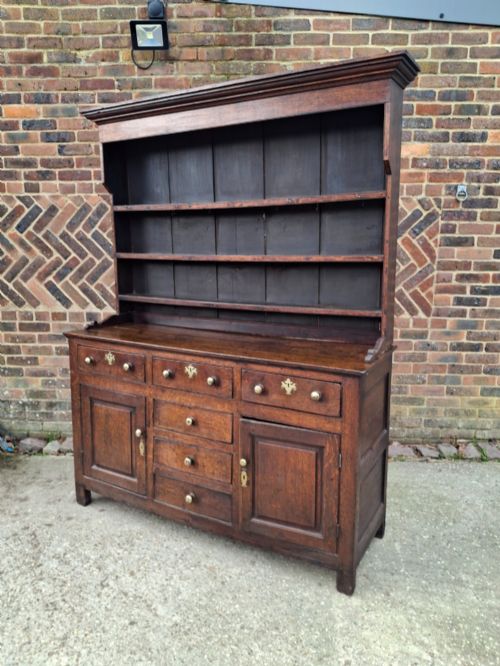
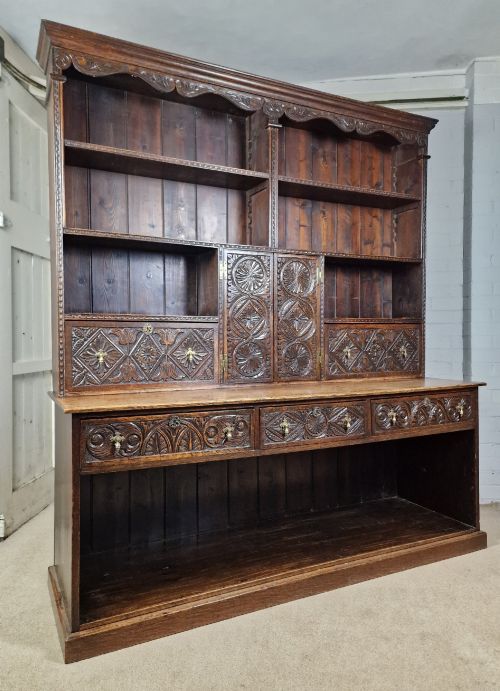
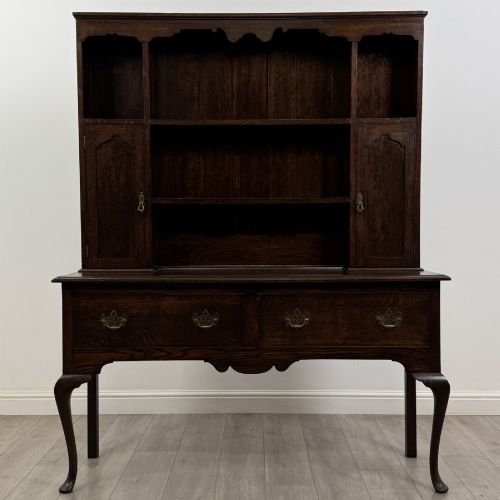
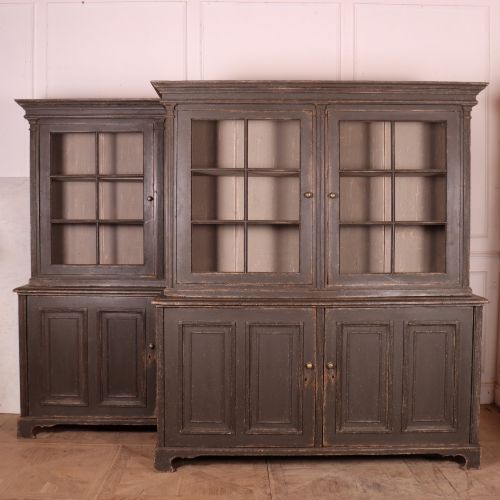
These vintage display hutch examples offer practical storage and plate display, combining useful open shelving and cabinet storage across diverse regional styles.
Vintage Display Hutch
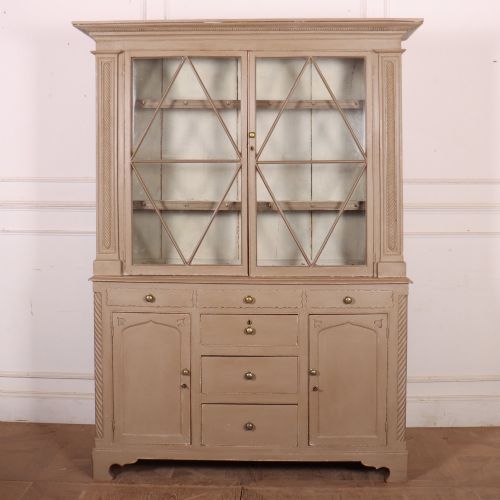
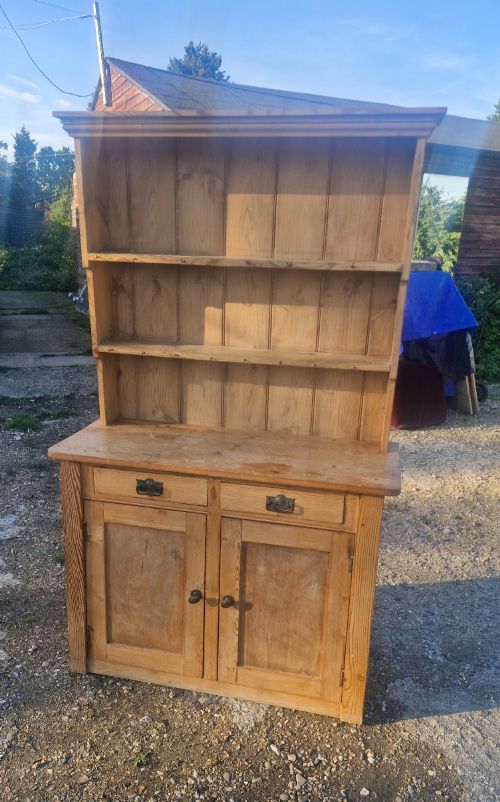
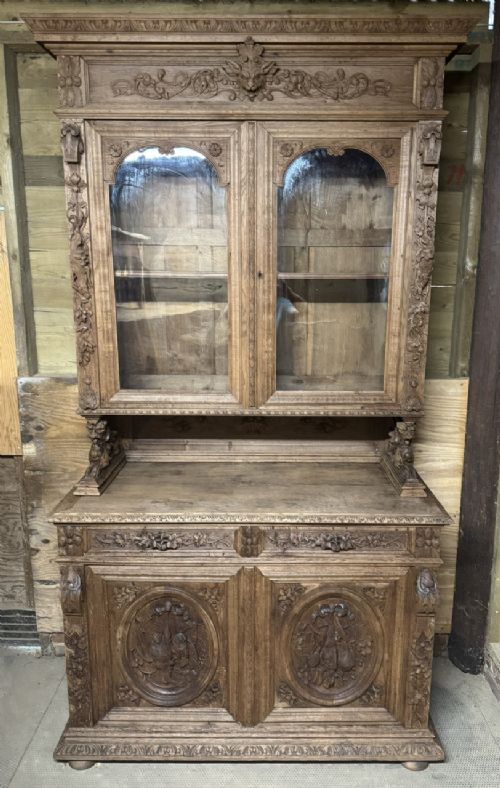
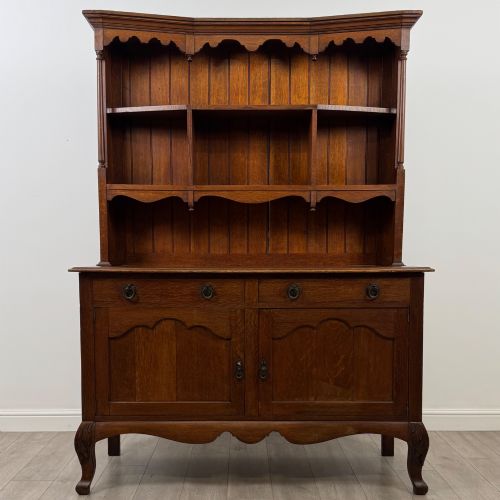
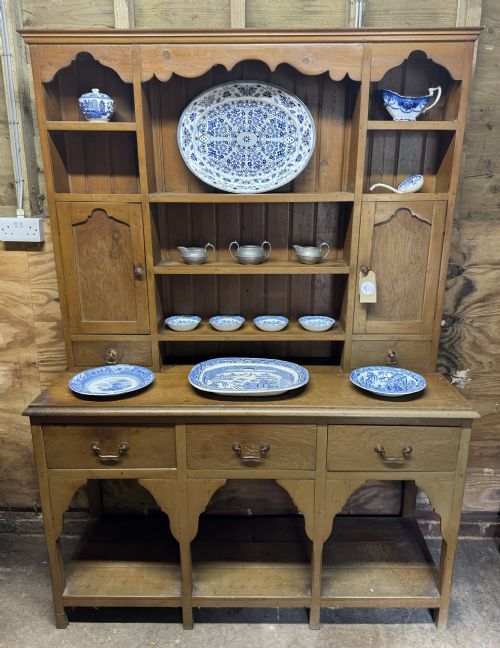
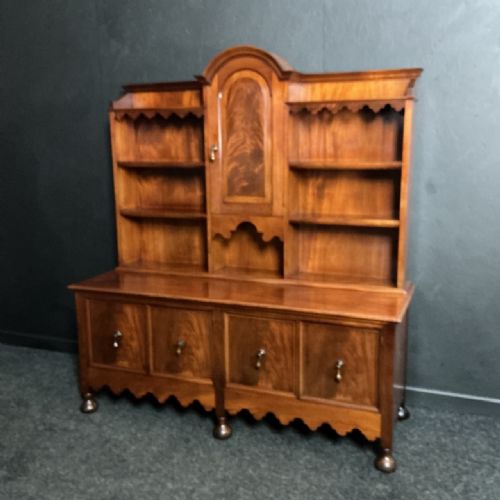
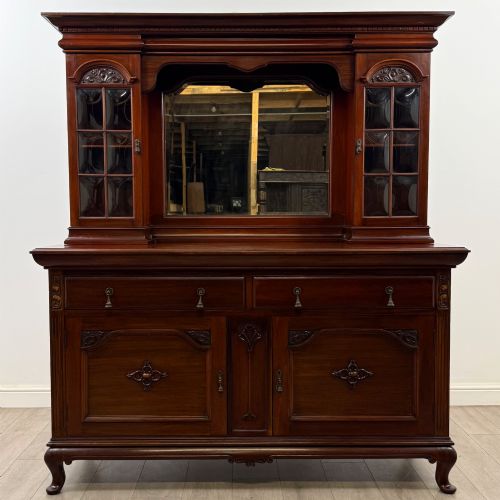
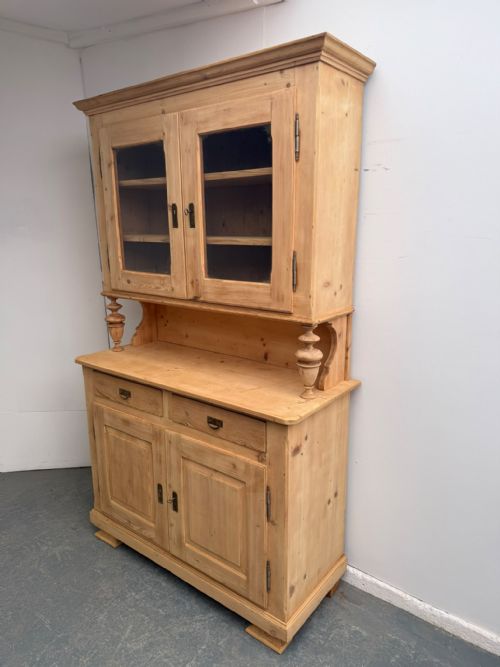
When searching for a vintage display hutch, buyers encounter a variety of traditional forms including kitchen dressers, Welsh dressers, bookcases, and cabinets spanning the eighteenth to twentieth centuries. These pieces typically combine a lower storage base of cupboards or drawers with an upper section designed for display, often featuring open shelves or glazed doors.
The version most commonly met on this page is the oak or pine kitchen dresser, originating from English regional workshops, Welsh makers, or continental sources. Stylistic variations range from simple rustic farmhouse designs and English country pieces to more ornate Jacobean, Renaissance, and Arts and Crafts interpretations.
Makers utilised local timbers and regional building traditions to construct these functional furniture items for domestic use in kitchens, dining rooms, and parlours. The resulting variety encompasses everything from small pine cupboards to large breakfront bookcases and multi-shelf plate racks.
How they were made
Makers constructed these pieces primarily using solid timbers such as oak, pine, and mahogany, frequently supplemented by satinwood inlay, brass hardware, and iron elements. Structural integrity relied on traditional joinery methods suited to heavy domestic furniture intended for daily service.
Glass panels appeared in upper cabinet doors to protect displayed ceramics and books, while metal handles and hinges secured doors and drawers. Surfaces received various finishes including natural wax, original paint, scrumbled effects, or carved ornamentation characteristic of revival styles.
Vintage Display Hutch Retail Price Guide 2026
Typical asking prices for vintage display hutch among the pieces listed under this phrase on Sellingantiques today, from the lower quarter to the upper quarter. They describe what is for sale here now, not the wider market.
A tiny minority of these heavy storage units hide secret night watch holders inside their venerable timbers.
What varies in quality
The standard of a piece depends heavily on the selection of timber and the complexity of its construction, from simple boarded pine up to finely figured mahogany and quarter-sawn oak. The integration of decorative elements like carved oak panels, leaded glass, and satinwood inlay distinguishes standard workshop output from finer cabinet work.
Preservation of original surfaces, such as early paint finishes, patinated wax, and period hardware, elevates an example above pieces that have undergone extensive refinishing or replacement of parts.
Heals of London
The Vintage Display Hutch Glossary
- Welsh dresser
- A traditional dining room or kitchen storage unit featuring an open plate rack mounted above a base of drawers and cupboards. These pieces served to store and display domestic tableware.
- Breakfront
- A piece of furniture where the central section projects forward from the flanking outer sections. This architectural arrangement creates depth and visual interest on larger cabinets and bookcases.
- Plate rack
- An open shelving attachment fitted to the top of a dresser, designed with vertical slats or grooves to display plates upright. This feature allows everyday ceramics to remain visible and accessible.
- Scrumbled
- A decorative surface finish created by applying a translucent glaze over a lighter base coat and manipulating the wet layer to imitate wood grain or texture. It appears frequently on vernacular pine furniture.
- Satinwood
- A durable, light-coloured tropical hardwood prized for its luminous sheen and used primarily for fine stringing, banding, and inlay work on mahogany furniture.
Vintage Display Hutch: Frequently Asked Questions
What is a vintage display hutch used for?
These pieces function primarily as dual-purpose furniture for storage and display within domestic settings. The lower cupboards and drawers hold tableware and household items, while the upper shelves or glass cabinets showcase ceramics and books.
Historically, they evolved as central fixtures in kitchens and dining rooms to keep everyday utensils organised and accessible. Today, they serve a similar practical role while anchoring the decor of a room.
How do I identify an 18th century piece?
Eighteenth-century examples typically display heavy regional construction in solid oak, featuring pegged joinery and hand-planed surfaces that show the marks of early tools. The proportions tend to be robust, reflecting vernacular country traditions.
Examining the backboards, drawer linings, and interior fixings provides further clues to age, as older pieces use hand-cut boards and forged iron hardware rather than modern screws.
Are pine dressers durable?
Pine furniture offers reliable durability despite being a softer wood than oak or mahogany. Generations of domestic use demonstrate that solid pine withstands everyday kitchen and dining room demands.
Maintaining a wax or painted finish protects the timber from moisture and wear, ensuring the structure remains stable over decades of continuous service.
What distinguishes a Welsh dresser?
A Welsh dresser specifically incorporates an open plate rack fixed directly to the top of a base cabinet with drawers and lower doors. This distinct two-piece configuration was developed for organising and displaying pottery collections.
Regional variations in the cornices, side supports, and drawer arrangements help distinguish Welsh examples from general country dressers made in other parts of Britain.