

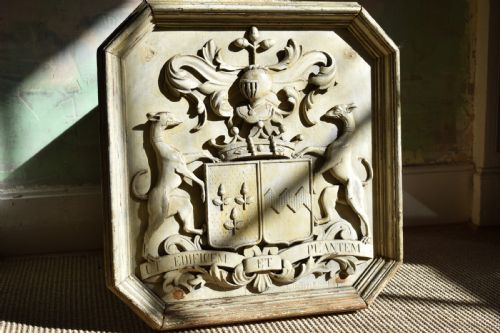


Vintage Display Frame
A vintage display frame holds portraits, taxidermy, and curiosities behind glass, turning ordinary walls into cabinets of wonder.
Vintage Display Frame
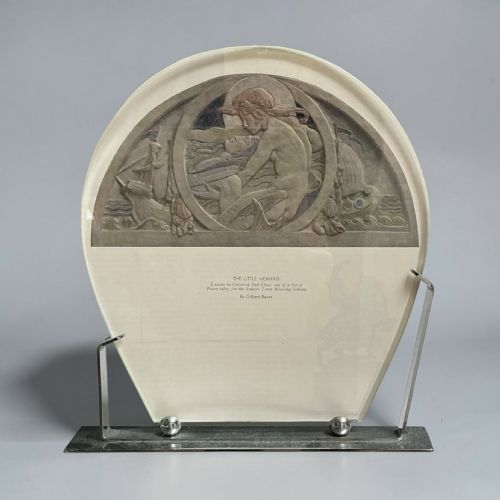
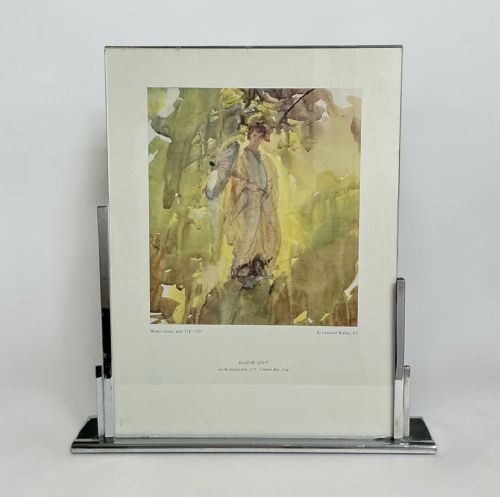
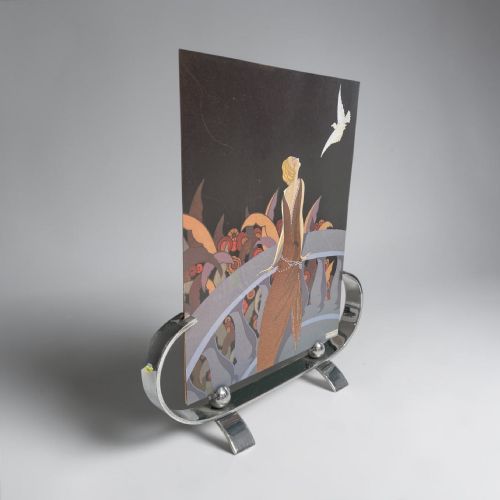
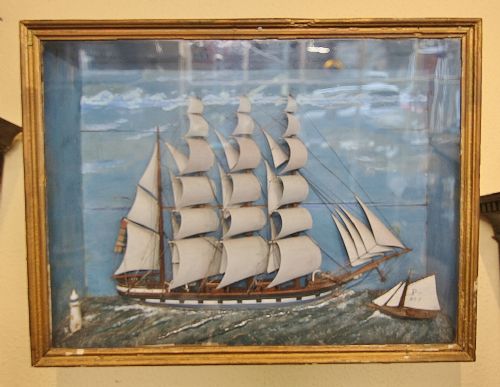
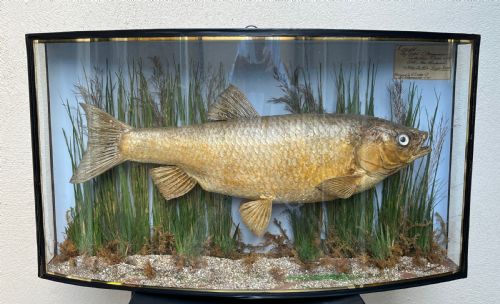
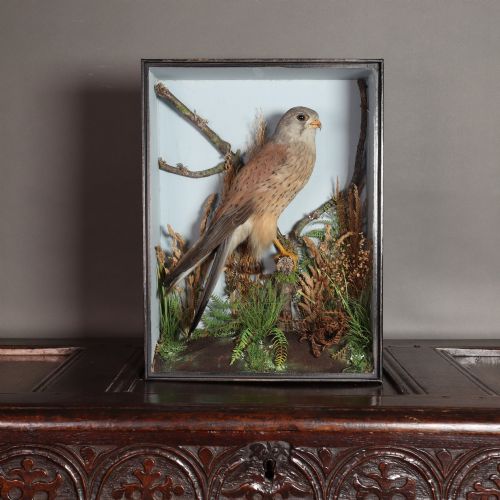
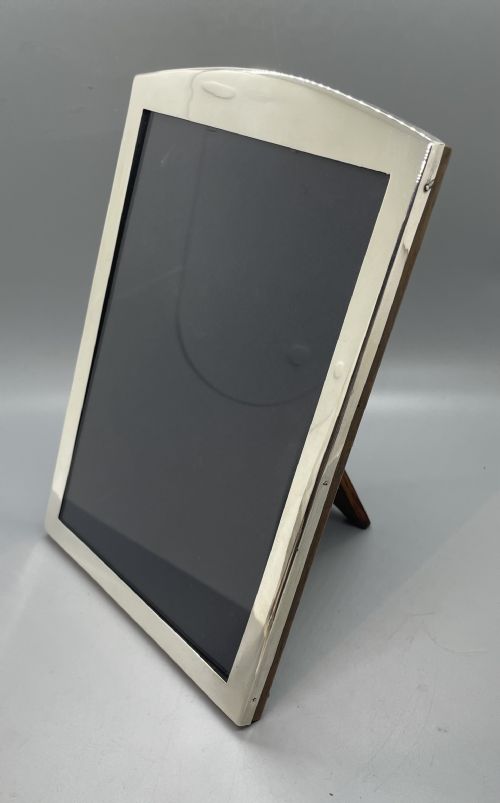
A vintage display frame encompasses everything from sterling silver photograph mounts to deep wooden taxidermy cases and maritime dioramas. Buyers searching this phrase encounter protective glass enclosures designed to elevate flat images and three-dimensional objects alike.
The selection ranges from Edwardian and Victorian table easels to deep glass-fronted boxes housing birds, ships, and botanical specimens. These pieces originate from domestic parlours, artist studios, and natural history collections of the nineteenth and early twentieth centuries.
Materials and Construction
Makers utilised timber such as oak, walnut, and mahogany alongside precious metals including sterling silver and silver gilt to build robust enclosures. Velvet, painted paper, and glass linings provided contrasting backgrounds designed to catch the eye.
Joinery and metalworking techniques varied by application, utilising corner brackets for heavy wooden shadow boxes and hallmarked bezels for silver photograph surrounds. Glazing protected delicate contents like preserved insects, hand-tinted photographs, and fabric samples from airborne dust.
Vintage Display Frame Retail Price Guide 2026
Typical asking prices for vintage display frame among the pieces listed under this phrase on Sellingantiques today, from the lower quarter to the upper quarter. They describe what is for sale here now, not the wider market.
Several frames on offer choose to house preserved birds, beetles, and erotica rather than family portraits.
Judging Quality
Quality rests upon the integrity of the original housing and the skill involved in its construction, whether cast silver or hand-carved oak. Heavy gauge metals, crisp hallmarks, and tightly sealed glazed compartments separate finer examples from standard commercial pieces.
The preservation state of the internal contents dictates overall merit, particularly in taxidermy dioramas and paper displays. Original backing materials, intact glass panels, and documented maker attributions elevate certain pieces above anonymous workshop output.
Little & Co·T. E. Gunn·William Bazeley & Sons·Gerwin & Co·Mappin Bros·W.I.Broadway & Co·Julian Mandel·Amile Coppieters·Hutchings of Aberystwyth
The Vintage Display Frame Glossary
- Diorama
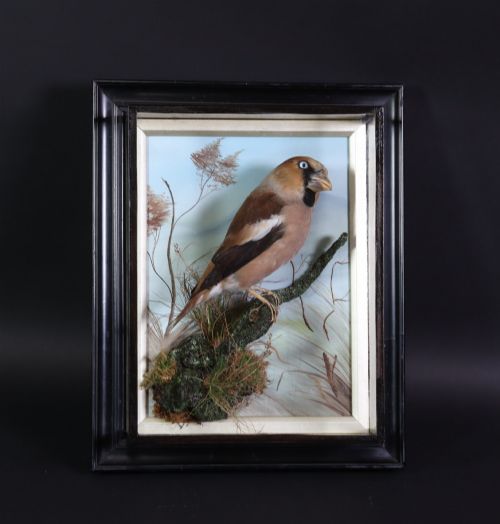
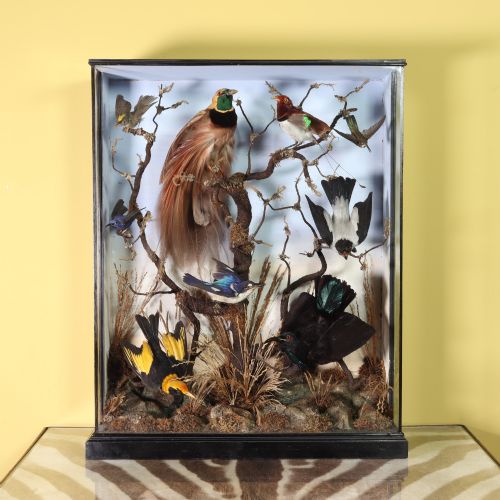
- A three-dimensional scene housed inside a glazed box, often depicting maritime vessels or taxidermy birds in natural settings. These setups relied on painted backdrops to create an illusion of depth.
- Sterling silver
- A silver alloy containing ninety-two point five percent pure silver by mass, frequently stamped with assay office hallmarks. Birmingham and Chester were prominent hubs for manufacturing photograph frames from this metal.
- Taxidermy case
- A specialised wooden and glass enclosure built to protect preserved specimens from humidity and pests. Makers arranged internal habitats using twigs, painted paper, and moss.
- Easels
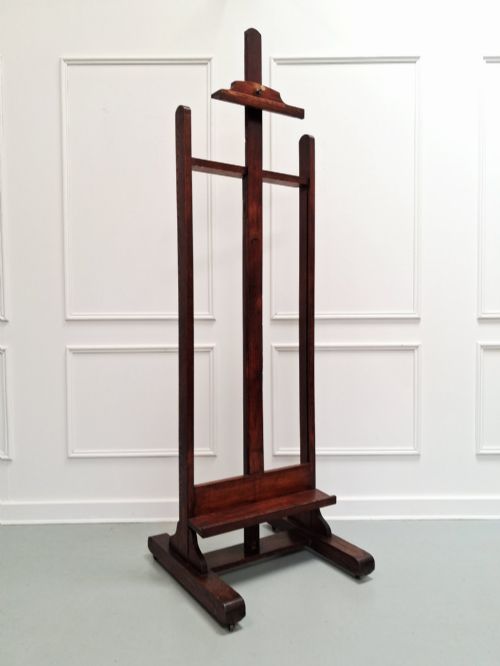
- Standing frameworks of wood or brass used to support pictures, fans, or display boards without wall hanging. They allowed tabletop presentation of framed artwork and portrait photographs.
- Hallmark
- An official stamp applied to precious metals indicating purity, maker, and assay town. These marks help date silver photo frames accurately.
Vintage Display Frame: Frequently Asked Questions
How do I clean the glass on a vintage display frame?
Use a soft microfiber cloth slightly dampened with water or a mild glass cleaner, applying the liquid to the cloth rather than spraying directly onto the frame. This prevents moisture from seeping past old seals and damaging fragile interiors like paper or taxidermy.
Take extra care around wooden mouldings and silver mounts, keeping liquids away from vulnerable backings such as velvet or cardboard. Gentle dusting with a dry brush remains the safest method for internal components.
Can I hang a heavy taxidermy display case on a partition wall?
Heavy wooden shadow boxes and taxidermy dioramas require secure mounting directly into wall studs or solid masonry using appropriate fixings. The combined weight of the timber frame, glass, and internal specimens places significant strain on standard plasterboard.
Verify that hanging loops or brackets screwed into the back of the case are structurally sound before installation. Consulting a professional installer ensures the piece remains secure.
How do I identify a sterling silver photograph frame?
Examine the borders or edges of the frame for small stamped hallmarks indicating the lion passant, maker's initials, and assay office symbols. Sterling silver frames typically feature wooden or velvet backing boards held in place by swivel clips.
Silver-plated alternatives lack these official assay stamps and often reveal base metal underneath where handling has worn the plating away. Weight and coldness to the touch also help distinguish solid silver from plated substitutes.
Where should I place a display frame containing delicate paper or photographs?
Position framed photographs, posters, and paper goods away from direct sunlight to prevent fading and discolouration of the inks. Stable indoor humidity levels protect against warping in wooden frames and foxing on paper.
Interior walls with consistent temperature control suit these sensitive items best. Avoid placement near radiators or damp exterior walls.