
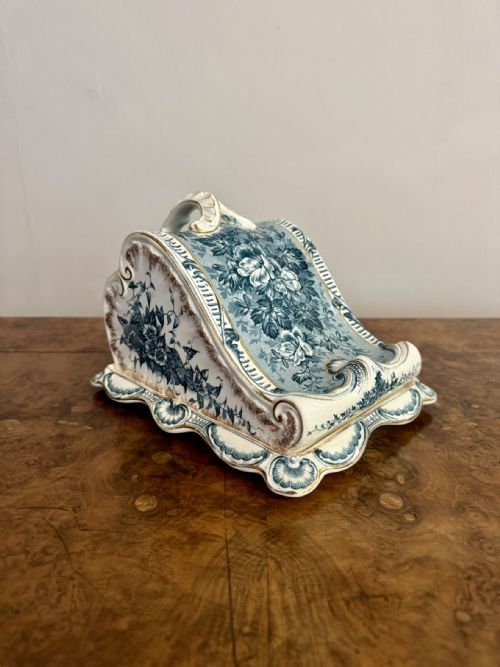
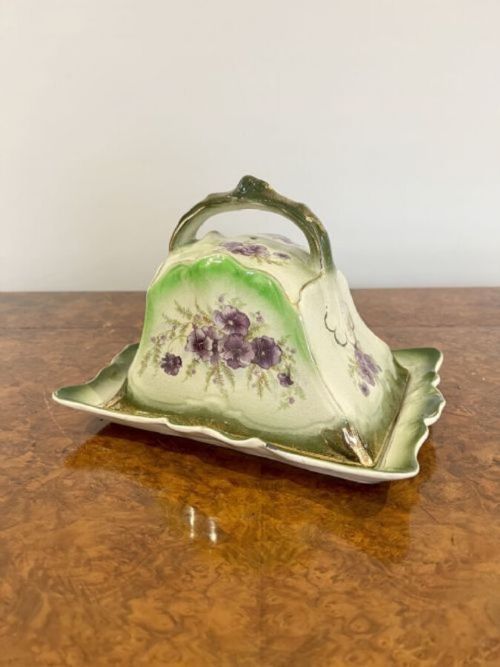
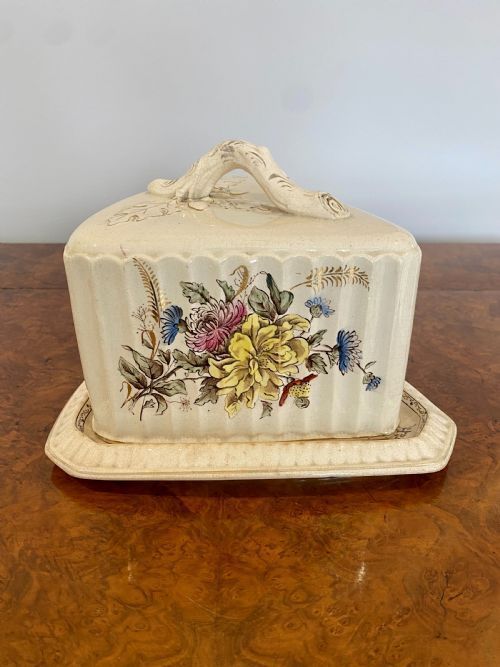
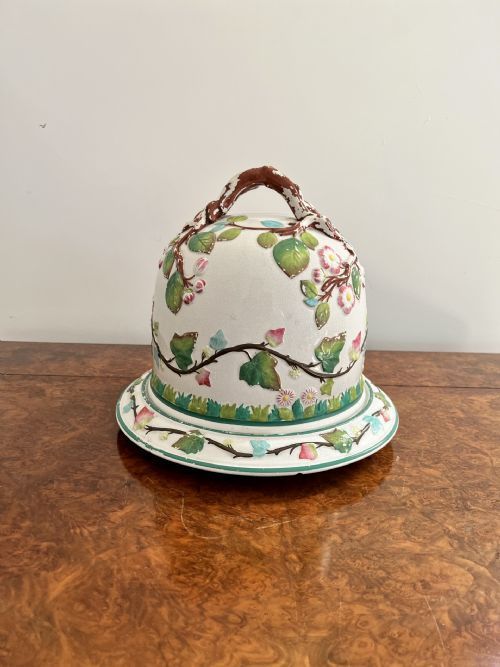
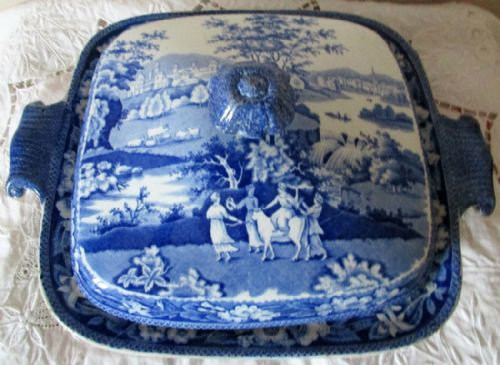
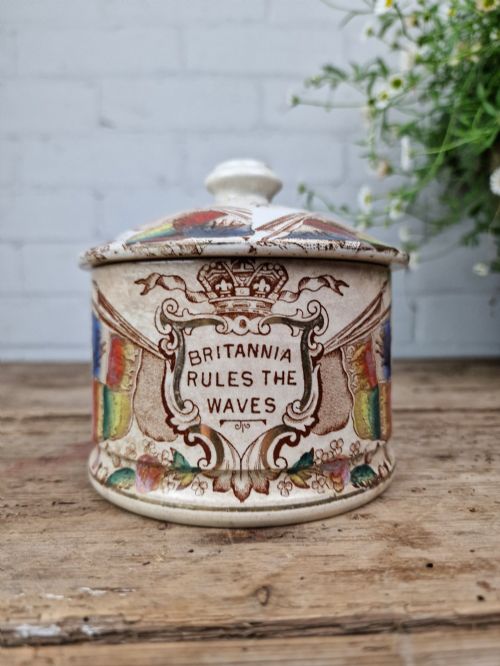

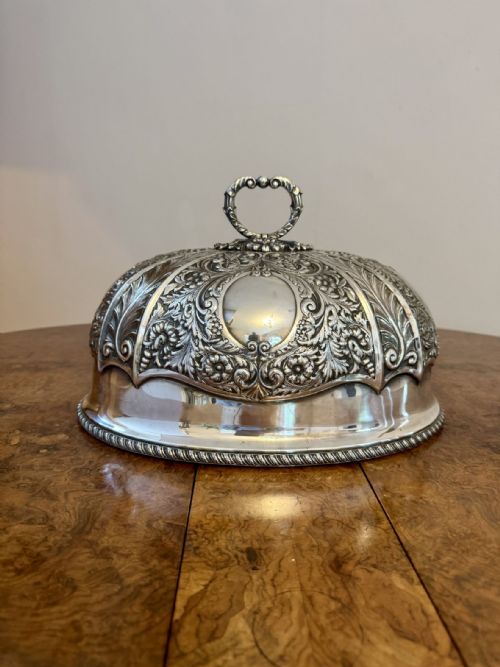
Vintage Dish Cover
A vintage dish cover protects food at table, and these pieces span heavy ironstone, gleaming silver plate and rich ceramic.
Vintage Dish Cover
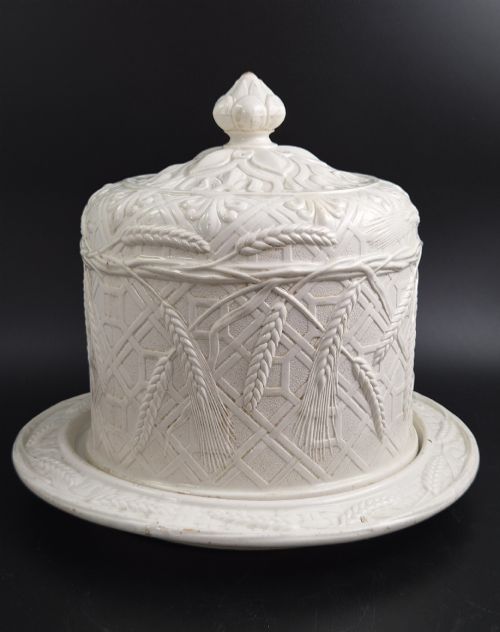
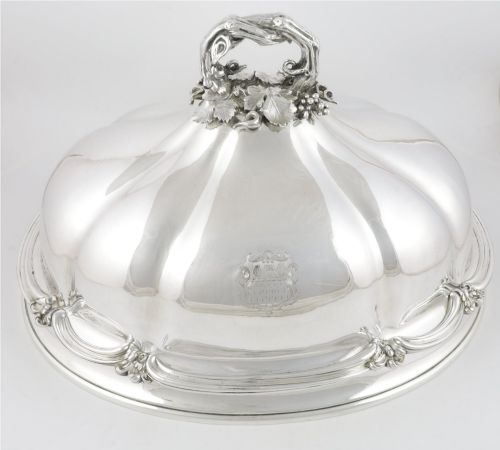
When you search for a vintage dish cover, you encounter a practical assortment of serving vessels designed to keep food warm and presented neatly at the dining table. The selection spans utilitarian ironstone cheese domes, substantial meat covers, and decorative ceramic tureens.
You are most likely to meet silver plated entree dishes from the Edwardian era alongside nineteenth-century earthenware and ironstone cheese dishes. These items cross multiple forms, including sauce tureens, butter dishes, and vegetable tureens made across the Georgian, Victorian, and Edwardian periods.
Materials and construction
The objects combine metals such as silver plate and Old Sheffield Plate with dense ceramics like ironstone, earthenware, and glazed pottery. Makers formed heavy meat domes and cloches from metal sheets, while ceramic cheese bells and tureens were moulded and fired before receiving transfers, glazes, or hand-painted enamel details.
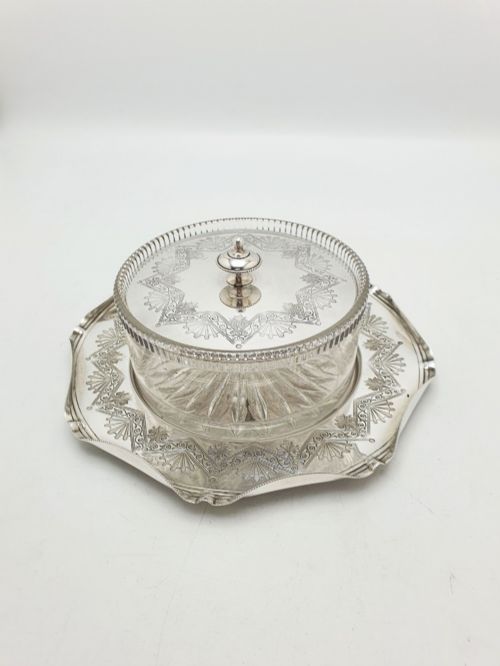
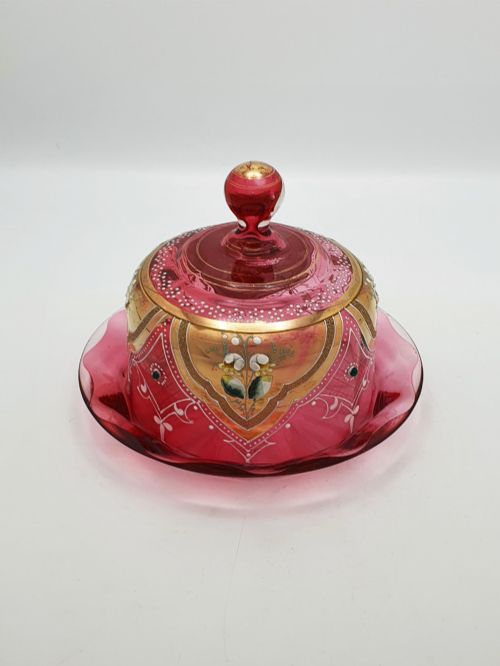
Glass and enamel examples demonstrate alternative techniques, utilising blown cranberry glass or intricate cloisonné work on metal bases. Silver plated items often incorporate applied mounts and handles soldered to the main body.
Materials represented across the inventory include silver plate, ironstone, glazed ceramic, copper, and enamel.
Assessing quality
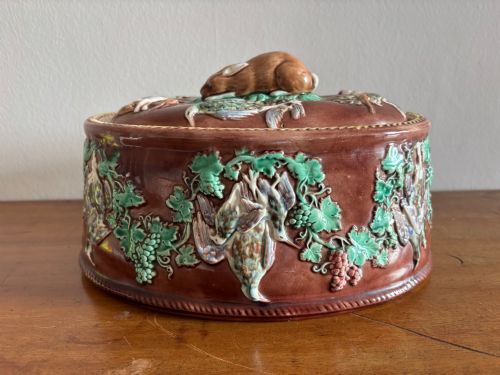
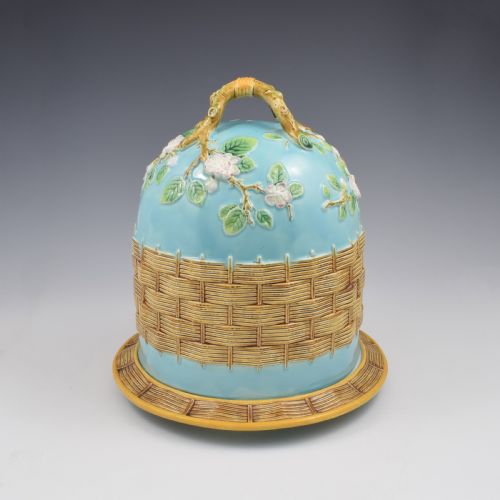
Quality rests in the crispness of the modelling and the weight of the material, whether in the deep relief of a majolica cheese bell or the heavy gauge of a silver plated meat cover. Superior pieces display finely detailed handles, clean transfer printing, and well-balanced proportions that denote careful workshop production.
The preservation of original surface finishes, such as intact glaze sheen or undisturbed silver plating over copper bases, marks out the finest examples. Inferior specimens often exhibit blurred transfers, clumsy repairs, or heavy wear to the underlying metal.
Roberts Cadman·George Jones·John and Richard Riley·Coalport·Henry Wilkinson·Mappin and Webb·Hamilton and Inches·Baccarat·Müller Volkstedt
The Vintage Dish Cover Glossary
- Ironstone
- A heavy, durable type of earthenware patented in the nineteenth century to imitate Chinese porcelain. It frequently appears in white or transfer-printed serving vessels.
- Old Sheffield Plate
- A method of fusing a thin sheet of silver to a thicker copper core before shaping the item. This technique precedes modern electroplating.
- Majolica
- A colourful, lead-glazed earthenware characterised by rich botanical or figural modelling in relief. It gained popularity during the Victorian period.
- Tureen
- A deep covered serving bowl used for soups, sauces, or vegetables. These often rest on matching stands and include ladles.
- Cloche
- A bell-shaped cover designed to fit over a dish and trap heat. They are typically rendered in polished silver plate.
Vintage Dish Cover: Frequently Asked Questions
What were vintage dish covers used for?
These covers kept food warm during transit from the kitchen to the dining table and protected meals from insects and drafts. They served specific culinary roles, from housing heavy cheeses to containing large joints of meat or steaming soups.
At the table, they added an element of theatre when lifted by diners or servants to reveal the meal. Different shapes corresponded directly to specific courses served during formal dining rituals.
How do I date a ceramic dish cover?
Dating relies on identifying the ceramic body, such as heavy ironstone or drabware, alongside the style of any transfer print or relief decoration. Victorian and Edwardian pieces often display registry marks or specific maker stamps on the base.
Stylistic cues like aesthetic movement patterns, Gothic revival motifs, or classical Regency shapes help narrow the manufacturing window. Comparing the glaze texture and colour palette to documented periods provides further chronological context.
How do I care for silver plated covers?
Silver plated items require gentle cleaning with non-abrasive polishes formulated specifically for plated metals to avoid wearing through the thin silver layer. Hand washing in warm water with mild soap prevents moisture damage to soldered joints and handles.
Storage in dry environments away from direct sunlight protects the metal from excessive tarnish. Using soft cloths for drying preserves the polished finish without scratching the surface.
What is the difference between ironstone and earthenware?
Ironstone is an exceptionally dense, vitrified type of earthenware designed to resist chipping and heavy daily kitchen use. It absorbs less moisture than standard earthenware and rings with a clearer tone when struck.
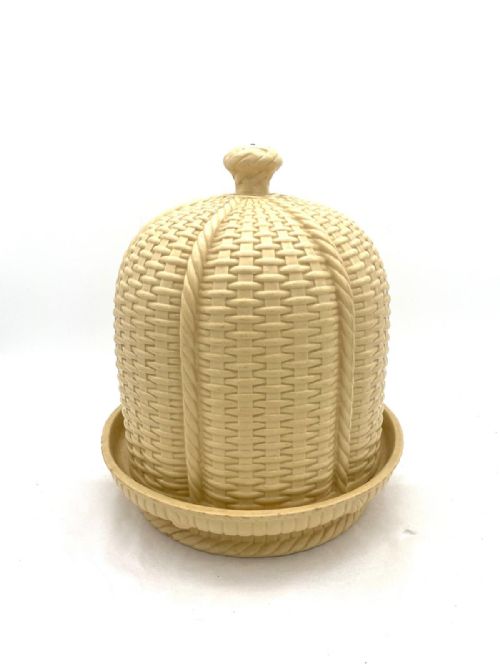
Standard earthenware offers a softer body that allows for more intricate relief moulding, such as basket weave patterns or majolica glazes. Both materials form the structural backbone of nineteenth-century utilitarian tableware.