
Vintage Dining Table Silver
Vintage dining table silver brings together tableware accessories and decorative dining objects spanning the Victorian, Edwardian, and mid-century periods.
Vintage Dining Table Silver
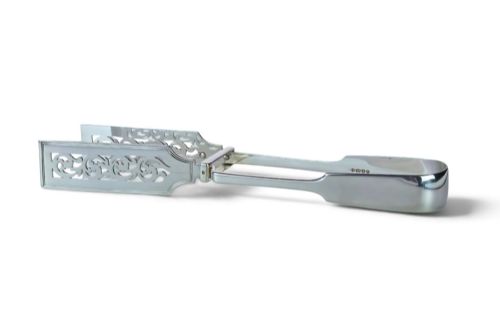
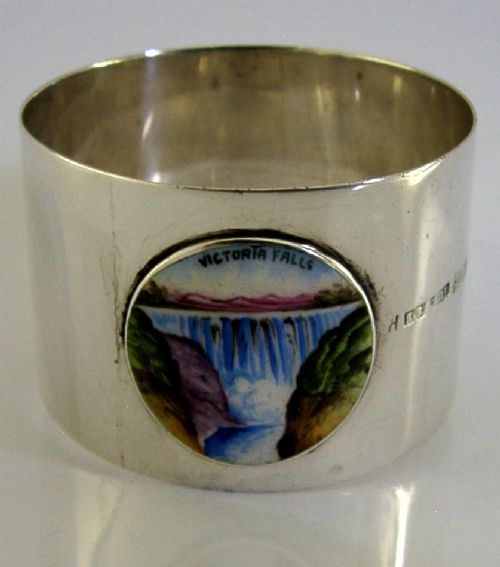
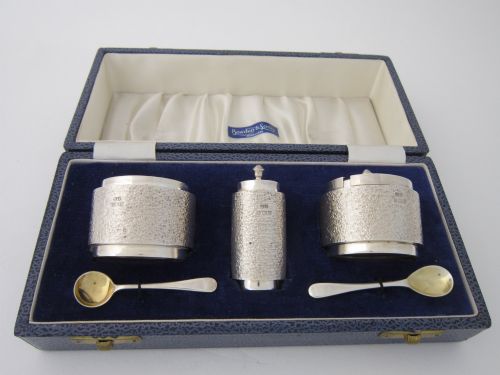
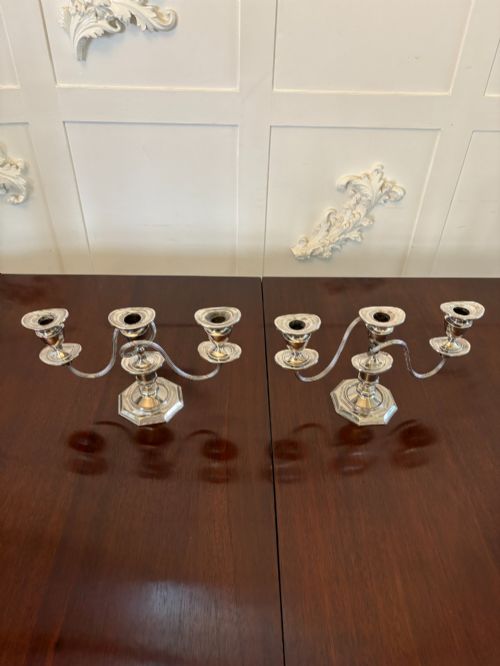
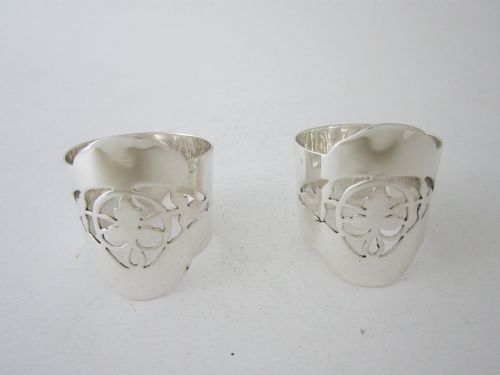
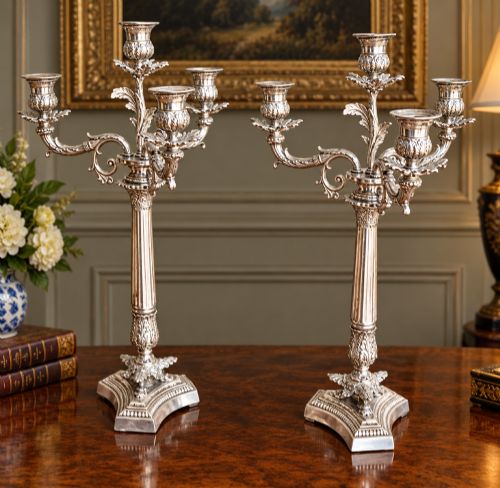
Vintage dining table silver encompasses functional tableware and decorative accessories designed for the dining room. Napkin rings, candlesticks, cruet sets, and knife rests form the core of these gatherings.
The pieces on this page span several decades, reaching from the nineteenth century through the Edwardian era into the mid-twentieth century. Napkin rings and candlesticks appear most frequently among the current selection.
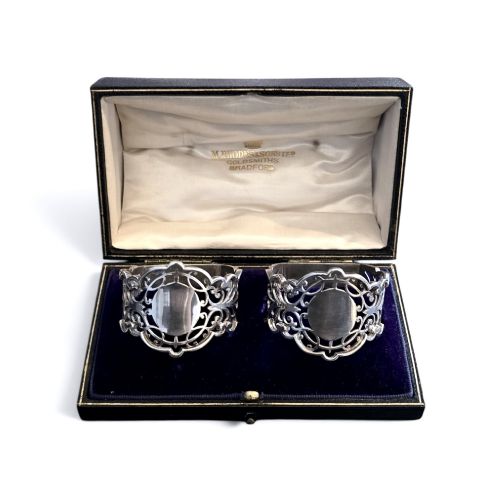
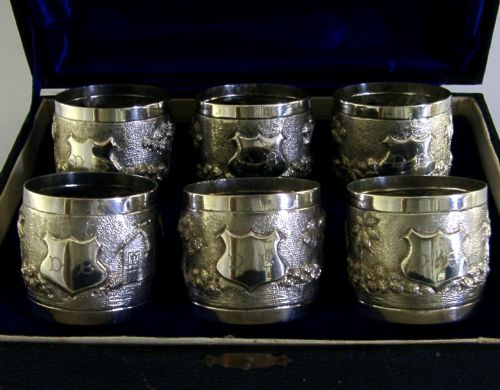
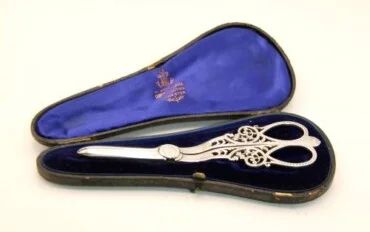
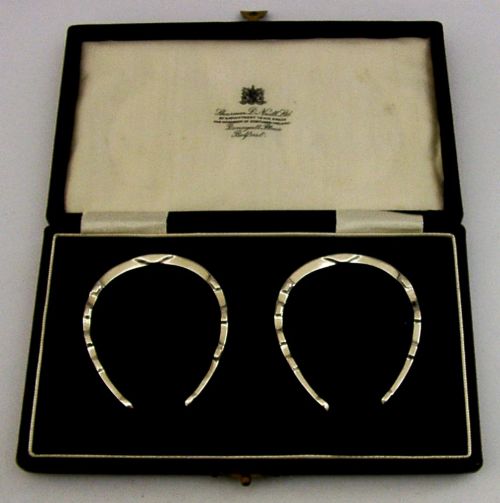
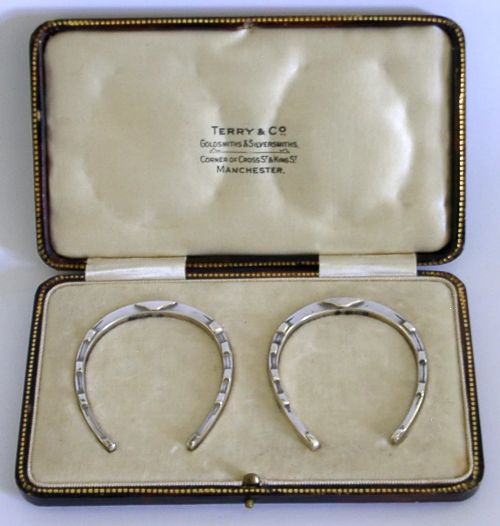
Objects range from individual table settings to matched cased sets intended for formal dining. Materials vary from sterling silver to silver plate, occasionally incorporating glass, wood, silk, and velvet.
Materials and construction methods
Silversmiths utilised solid sterling silver and silver plate over base metals, applying techniques such as casting, piercing, and engraving to shape tableware. Old Sheffield plate appears alongside standard silver plating on nineteenth-century pieces.
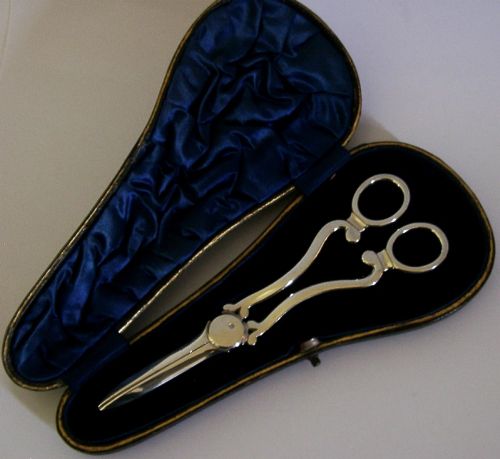
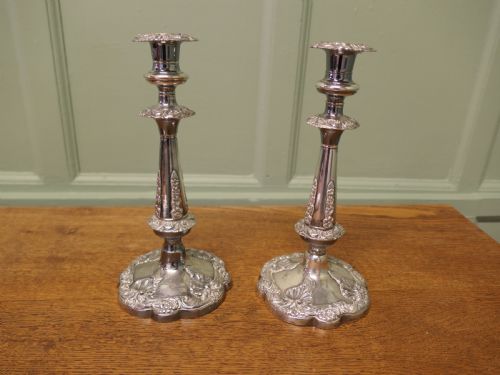
Accessory items frequently integrate supplementary elements, combining cut glass liners with silver frames in cruet sets and pepper grinders. Wooden bases support heavier candlesticks, while textile linings feature inside presentation cases.
Current listings feature sterling silver and silver plate across the Edwardian, Victorian, and mid-century periods.
Factors influencing quality
Weight and gauge of metal dictate the substance of individual items, separating heavier cast or wrought pieces from lighter stamped alternatives. Substantial gauge silver maintains structural integrity through decades of regular use and polishing.
The clarity of hallmarks, precision of engraved detailing, and preservation of original fitted presentation cases distinguish superior examples. Retaining crisp surface decoration indicates minimal wear from historical cleaning.
Levi & Salaman·Roberts Cadman·R. E. Stone
The Vintage Dining Table Silver Glossary
- Sterling silver
- A silver alloy containing 92.5 percent pure silver by mass, with the remainder consisting of other metals. This standard grade applies to the majority of solid silver tableware.
- Silver plate
- A layer of silver applied to a base metal core, such as copper or nickel silver. Old Sheffield plate represents an early form of this technique.
- Cruet set
- A matched collection of small containers holding condiments, vinegar, oil, salt, pepper, or mustard for the dining table. These sets often sit within fitted stands.
- Knife rest
- A small horizontal support designed to hold used carving or dining knives above the tablecloth between courses. They protect table linen from grease and food residue.
- Menu holder
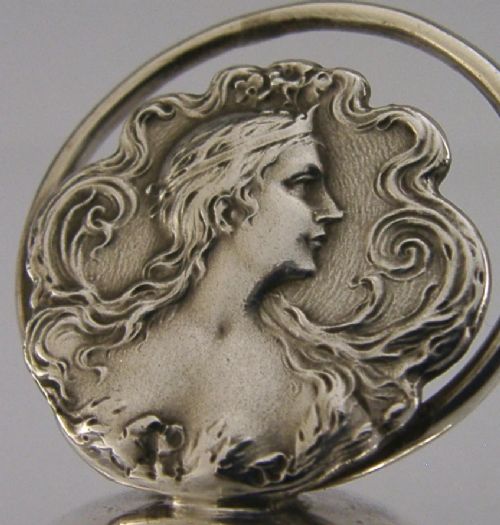
- A small upright display stand placed beside dining settings to hold printed menus. Edwardian examples frequently adopt figurative designs such as animals and birds.
Vintage Dining Table Silver: Frequently Asked Questions
What is vintage dining table silver?
Vintage dining table silver comprises tableware accessories and decorative items used during meals, produced across the nineteenth and twentieth centuries. The category includes practical items like napkin rings, knife rests, and cruet sets alongside decorative candlesticks and menu holders.
Items are encountered in both solid sterling silver and silver plate. Many survive within original fitted presentation cases from the Edwardian and Georgian periods.
How were silver cruet sets used?
Silver cruet sets held condiments, salt, pepper, mustard, oil, and vinegar for diners to season food at the table. Individual pots and shakers were arranged in small matched groups, often accompanied by glass liners and spoons.
These sets stood at the centre or ends of the dining table for shared access during formal meals. They combined functional utility with decorative metalwork displays.
How do I clean vintage silver tableware?
Cleaning vintage silver requires a soft cloth and a specialised silver polish formulated to remove tarnish without abrading the metal surface. Gentle application preserves engraved details and hallmarks.
Harsh chemical dips should be avoided, particularly on items featuring glass liners, wooden bases, or textile elements. Thorough rinsing and drying prevent residue buildup in crevices.
How can I date my silver table items?
Dating silver items relies primarily upon official hallmarks stamped into the metal, which indicate the assay office, standard of silver, and year of manufacture. Maker marks provide additional clues to the active production period.
Stylistic indicators, such as Edwardian figurative motifs or Art Deco geometric lines, help narrow down the date when hallmarks are worn or absent. Construction techniques like Old Sheffield plating also point to specific nineteenth-century eras.