
Vintage Dining Table Leaves
These vintage dining table leaves and expandable tables offer flexible surface area, bridging period craftsmanship with modern utility.
Vintage Dining Table Leaves
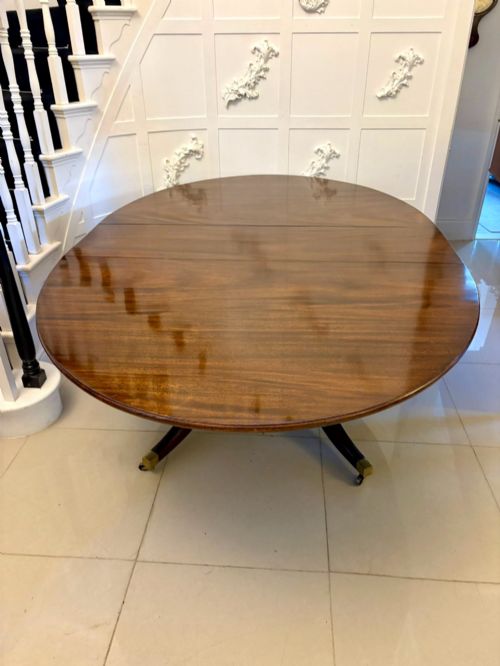
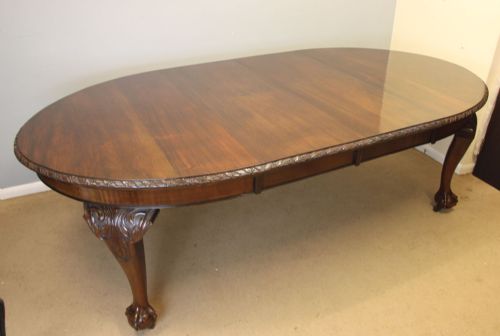
When searching for vintage dining table leaves, buyers encounter various expandable and folding formats designed to alter surface area. The listings here predominantly feature oak and mahogany pieces spanning the seventeenth century through to the twentieth century.
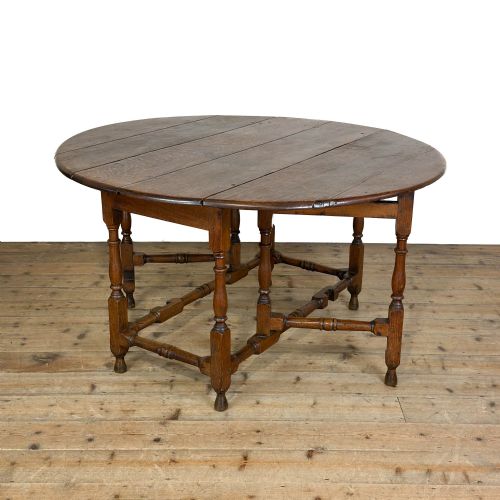
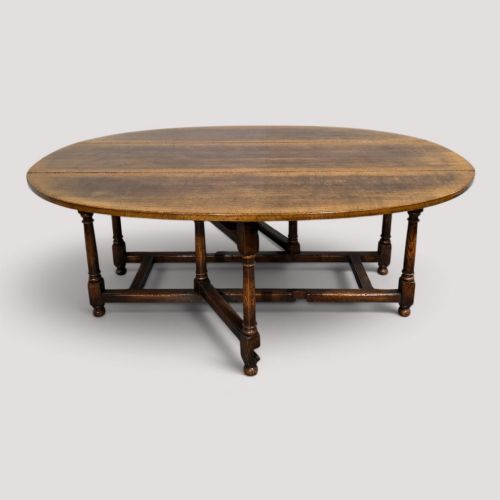
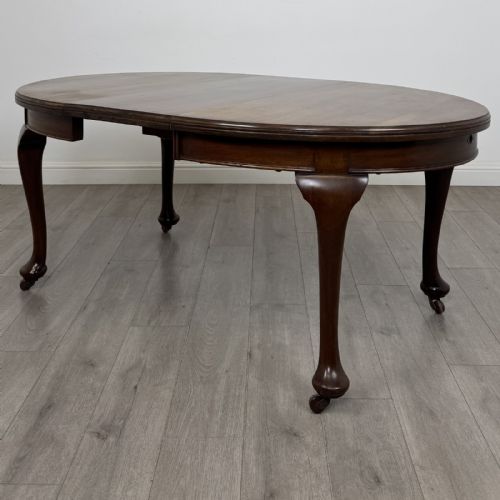
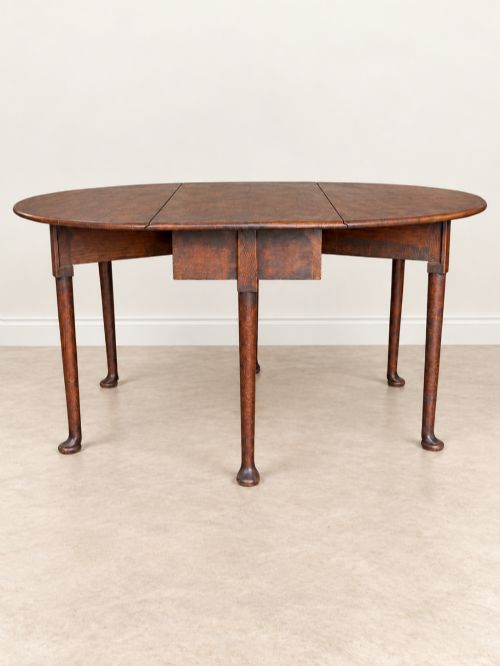
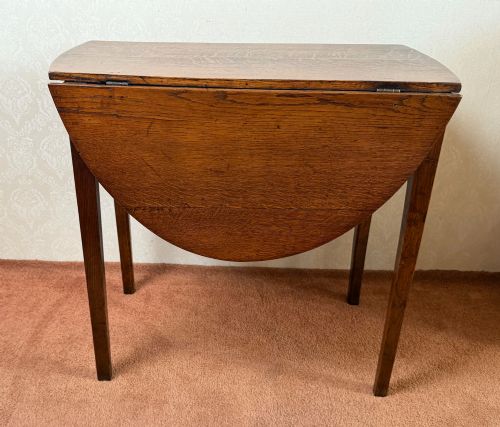
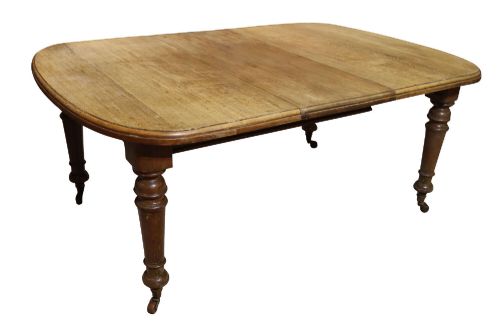
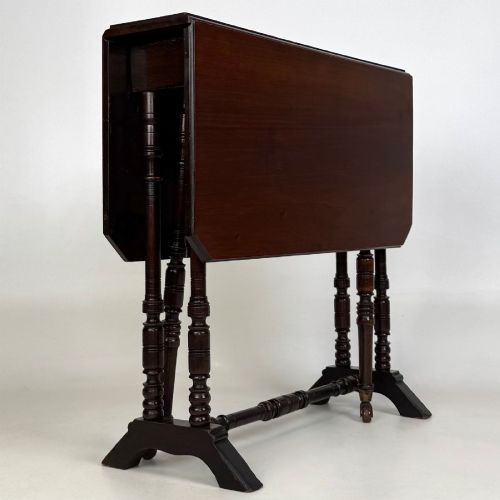
The most common formats on this page include draw leaf tables, drop leaf designs, and gateleg tables originating from periods such as the Victorian era, the Edwardian period, and the Regency style. These tables accommodate changing seating requirements by expanding through internal leaves or dropping hinged flaps.
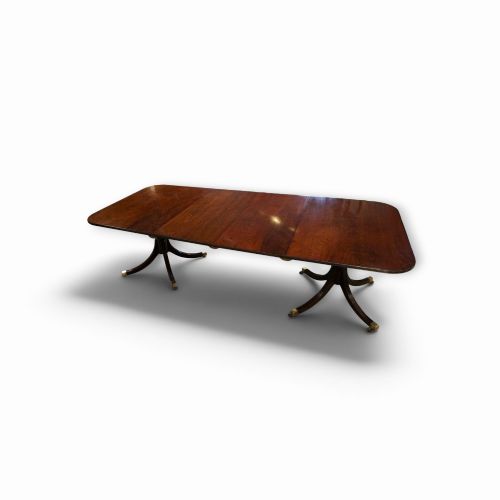
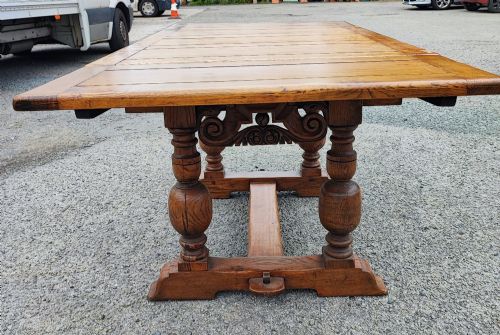
Refectory, farmhouse, and pillar dining tables also appear frequently, often constructed with dedicated extra leaves or extension mechanisms. Buyers find both formal mahogany dining sets and robust oak kitchen tables equipped for daily use.
Factors determining quality
Quality in these tables rests on the integrity of the timber selection and the precision of the extension mechanism. Fine examples maintain smooth operation when drawing out leaves or raising drop flaps, ensuring the surface remains level and stable.
The sophistication of the design, such as figured mahogany veneers, parquetry work, or hand-carved Jacobean and Elizabethan revival detailing, separates standard utilitarian tables from masterworks. Original hardware and consistent patination across both the main top and the extra leaves indicate superior preservation.
The Vintage Dining Table Leaves Glossary
- Draw leaf table
- A table equipped with two sliding leaves stored underneath the main top that pull out to extend the surface length.
- Gateleg table
- A table with hinged drop leaves supported by swinging legs that pivot out like a gate to hold the flaps.
- Drop leaf table
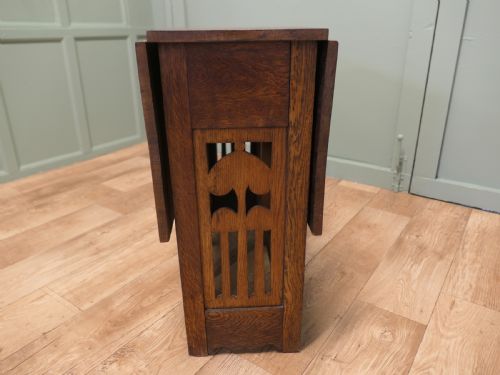
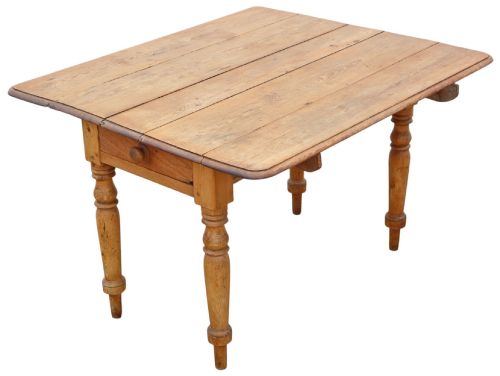
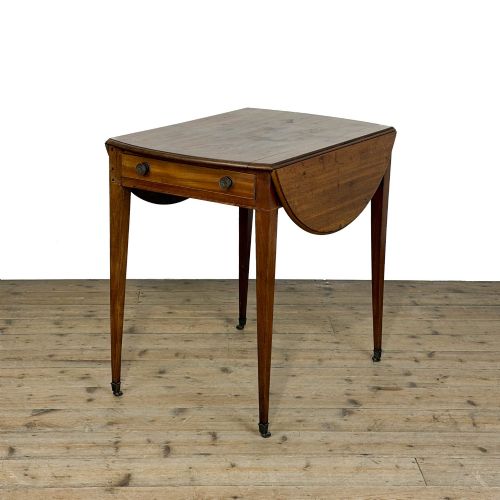
- A table featuring a fixed centre section and hinged flaps on either side that lower when not in use.
- Refectory table
- A long, narrow dining table traditionally built with solid timber and sturdy stretcher bases for communal dining.
- Parquetry
- Geometric mosaic woodwork arranged in decorative patterns, frequently utilised on table tops.
- Bobbin turned
- Legs or stretchers shaped on a lathe to resemble a series of wooden bobbins or spools stacked end to end.
Vintage Dining Table Leaves: Frequently Asked Questions
How do draw leaf tables work?
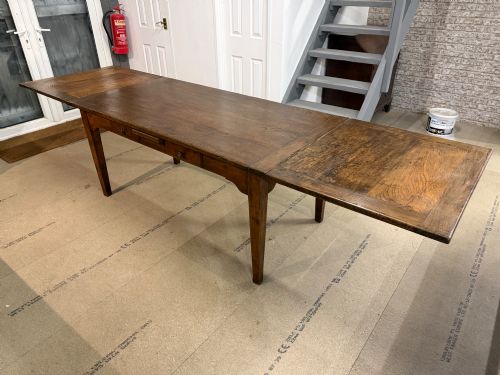
Draw leaf tables feature two additional leaves stored directly beneath the main surface. When guests arrive, you pull these leaves outward from each end, allowing them to drop neatly into place and extend the tabletop.
This mechanism eliminates the need to store separate loose boards elsewhere in the home. The underlying runners guide the leaves smoothly to maintain a level dining surface.
What is the difference between gateleg and drop leaf tables?
While both formats utilise hinged flaps that drop down to save space, their support systems differ significantly. Drop leaf tables often rely on simple swing brackets or pull-out wooden arms.
Gateleg tables incorporate hinged legs that physically swing outward from the central frame to support the full weight of the extended leaf. This provides robust structural support for heavy oak leaves.
How do I identify a Victorian extending dining table?
Victorian extending tables typically employ heavy mahogany or walnut timbers alongside mechanical screw mechanisms or wooden runners. They often include drop-in leaves that are stored separately when the table is closed.
Stylistic markers include turned or reeded legs, frequently fitted with brass castors to assist in moving the heavy framework during expansion.
Can I use an antique refectory table daily?
Antique refectory tables and farmhouse tables were originally built for heavy daily use from durable timbers like solid oak. Their sturdy stretcher bases provide exceptional stability for modern dining.
Using heat mats and appropriate surface protection helps preserve the historic finish and original wood patina against everyday wear.