

Vintage Dining Silver
Vintage dining silver brings formal table service and refined hosting from past decades to the modern dining room through durable pieces of solid metal and plate.
Vintage Dining Silver
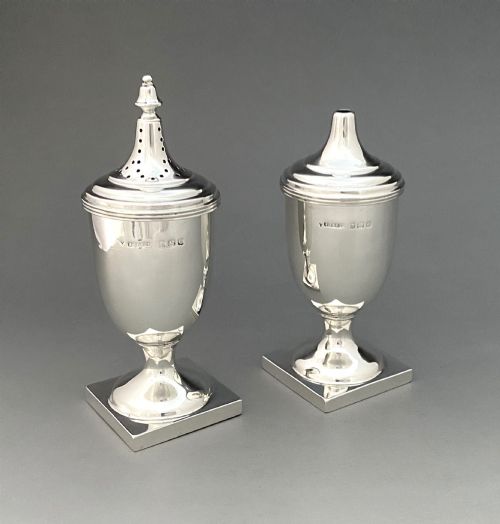
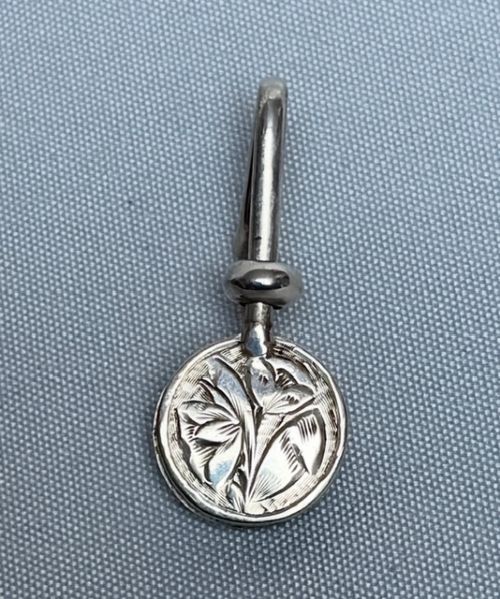
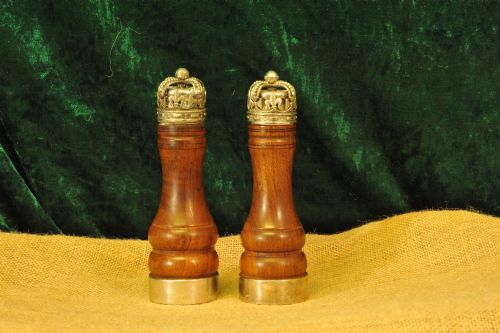
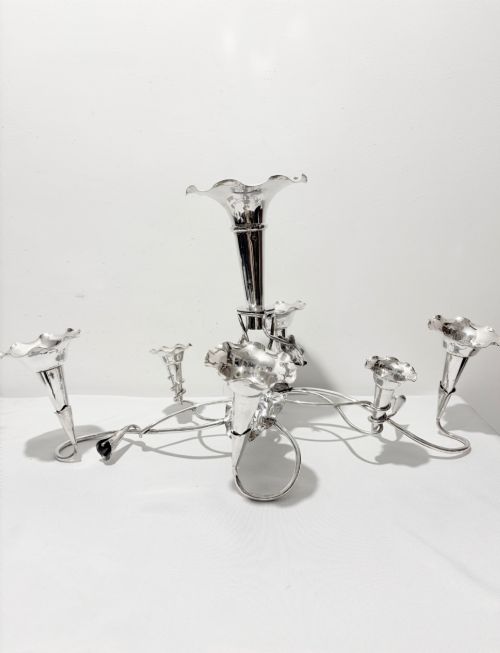
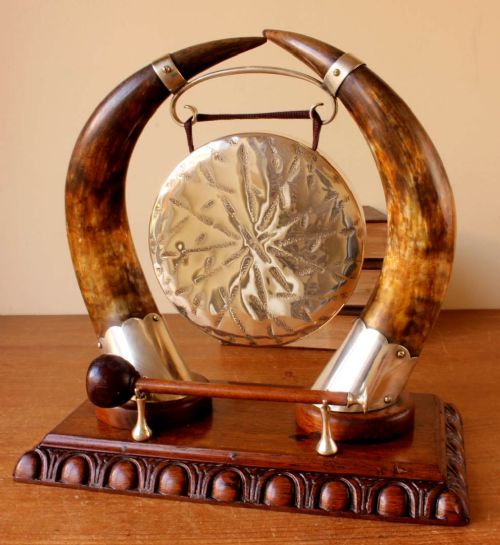
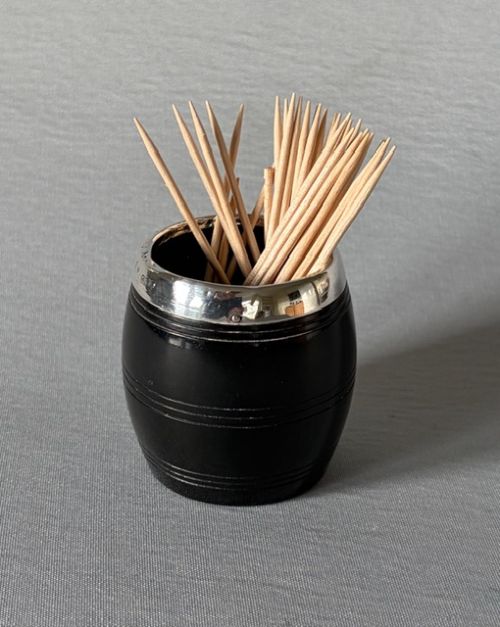
Vintage dining silver covers tableware accessories utilised for formal and everyday meals across the nineteenth and twentieth centuries. The selection spans distinct table settings from the Victorian, Edwardian, and mid-century periods, reflecting shifting domestic habits and dining customs.
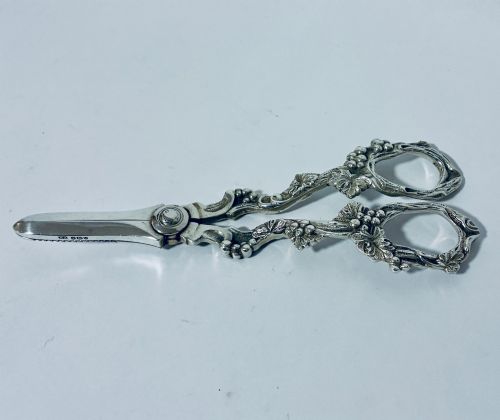
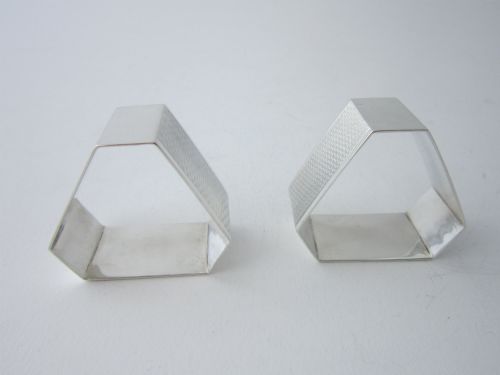
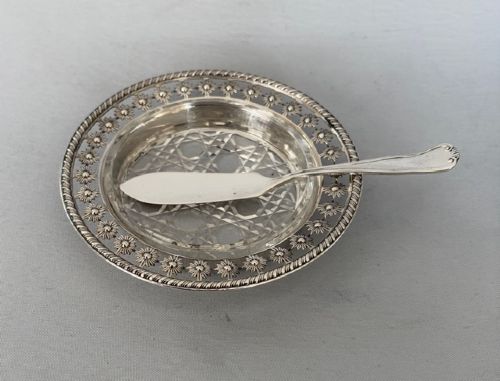
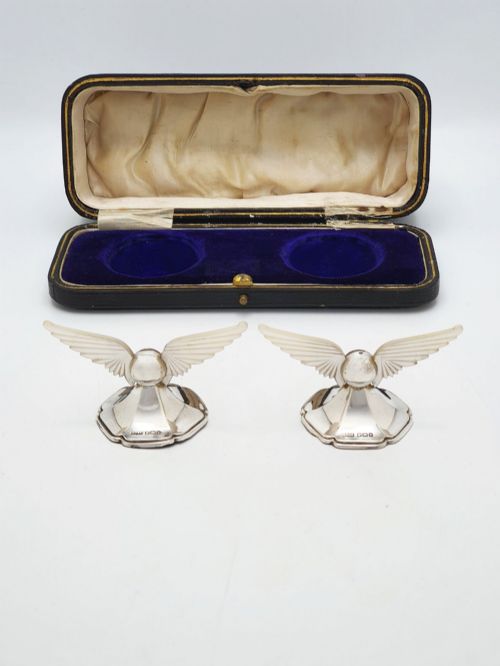
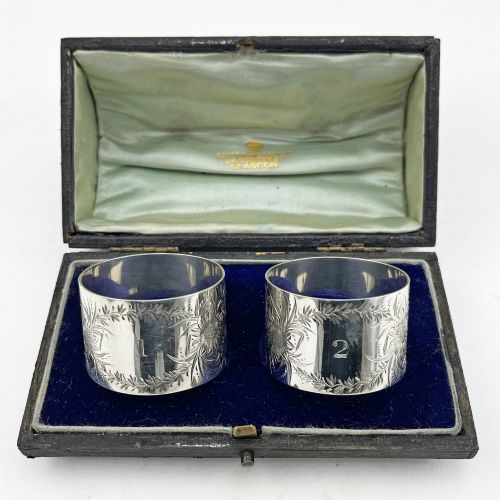
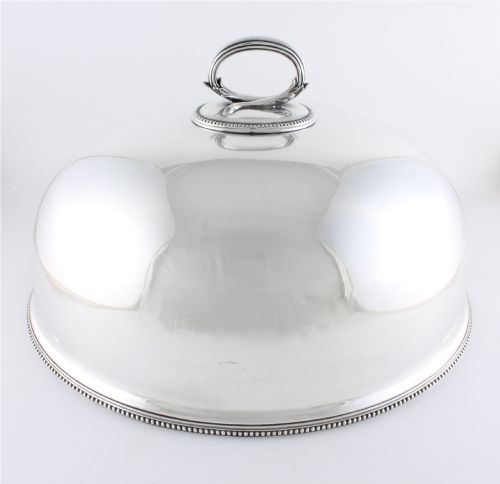
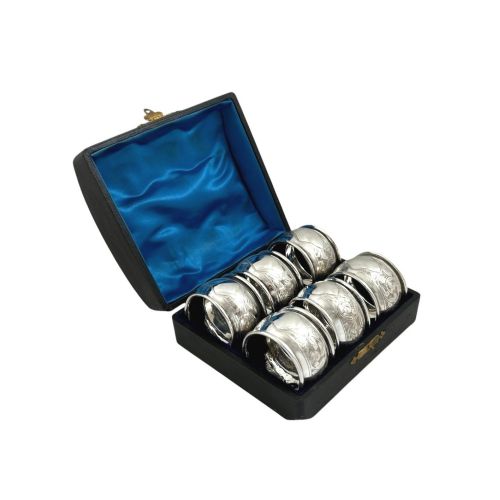
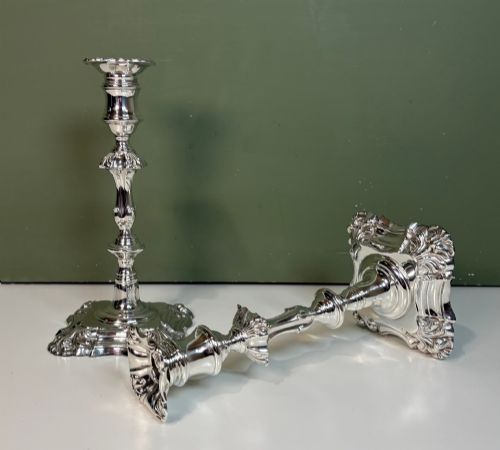
Napkin rings, cutlery sets, and candlesticks appear frequently among the listings, alongside specialised serving items like grape shears, stilton scoops, and menu holders. Cased presentation sets for dining utensils also form a significant portion of what is available.
Origin points range from British provincial workshops to continental European makers and Indian silver workshops. Buyers encounter both sterling silver standards and silver-plated metal wares designed to decorate and serve at the dining table.
Materials and production methods
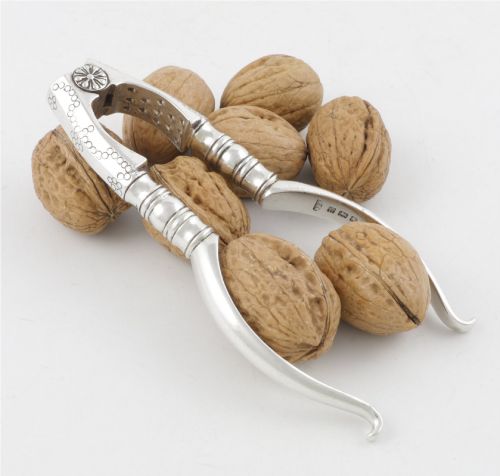
Makers utilised sterling silver and silver plate over base metals, alongside supplementary materials such as glass, enamel, and velvet or silk interior linings in presentation cases. Steel and metal components appear in functional elements like knife blades, scissors, and nutcrackers.
Production methods combine traditional silversmithing techniques including piercing, casting, and hand engraving with electroplating processes developed during the Victorian era. Fitted presentation boxes often employ leatherette, velvet, and satin to house coordinated sets of napkin rings or cutlery.
Vintage Dining Silver Retail Price Guide 2026
Typical asking prices for vintage dining silver among the pieces listed under this phrase on Sellingantiques today, from the lower quarter to the upper quarter. They describe what is for sale here now, not the wider market.
Listings for vintage dining silver span periods from the nineteenth century through the 1950s, featuring materials such as sterling silver, silver plate, velvet, and glass.
Distinctions in quality
The standard of execution depends on the crispness of chased or pierced decoration and the weight of the metal utilised in the construction. Pieces bearing clear hallmarks from established makers or prominent assay offices demonstrate superior provenance and material integrity.
The survival of original fitted presentation cases and the completeness of matched sets influence the overall desirability of the items. Finer examples retain their original gilding, structural rigidity, and uncompromised surface plating without thinning from excessive cleaning.
Mappin & Webb·Elizabeth Eaton·Martin Hall & Co·R. E. Stone·Roberts Cadman·Levi & Salaman·Garrard
The Vintage Dining Silver Glossary
- Sterling silver
- A silver alloy containing 92.5 percent pure silver and 7.5 percent other metals, usually copper, to increase durability. This standard is frequently denoted by hallmark stamps.
- Silver plate
- A layer of silver bonded to a base metal core, such as copper or nickel brass, utilised to produce tablewares at a lower cost than solid silver. Old Sheffield plate uses an older fused-sheet method.
- Hallmark
- A series of official marks stamped onto precious metal items to indicate the purity, the maker, the assay office, and the year of production. These marks provide reliable dating evidence.
- Cased set
- A collection of tableware items housed in a custom-fitted box, often lined with velvet or silk. These sets were frequently presented as gifts for weddings or anniversaries.
- Cruet set
- A matched group of small containers designed to hold condiments like salt, pepper, mustard, and vinegar at the table. They frequently sit on a dedicated silver stand or tray.
Vintage Dining Silver: Frequently Asked Questions
How do I clean vintage silver?
Clean items using a soft cloth and a dedicated silver polish designed to remove tarnish without abrading the surface details or wearing down thin plating layers.
Avoid harsh chemical dips that strip away the natural dark oxidation in recessed decorative areas and store pieces in dry environments away from direct sunlight.
Are these items suitable for daily use?
Solid sterling silver pieces withstand regular handling and use during meals provided they are washed by hand promptly after dining.
Silver-plated items require more careful treatment to preserve the underlying metal layer, and cased presentation sets are best reserved for special occasions.
How do I identify a silver hallmark?
Examine the surface of the piece with a magnifying glass to locate stamped symbols indicating the maker's mark, standard mark, assay office, and date letter.
Reference guides help match these tiny stamped punches to specific decades and silversmithing firms operating in British and international cities.
What is the difference between solid silver and silver plate?
Solid silver consists of a regulated high purity metal alloy throughout the entire object, whereas silver plate applies a thin coating of silver over a different base metal.
Weight, hallmarks, and areas of wear where the underlying base metal shows through help distinguish between the two categories.