
Vintage Dining Cabinet
A vintage dining cabinet serves as the focal point for storage and display in a traditional dining room.
Vintage Dining Cabinet
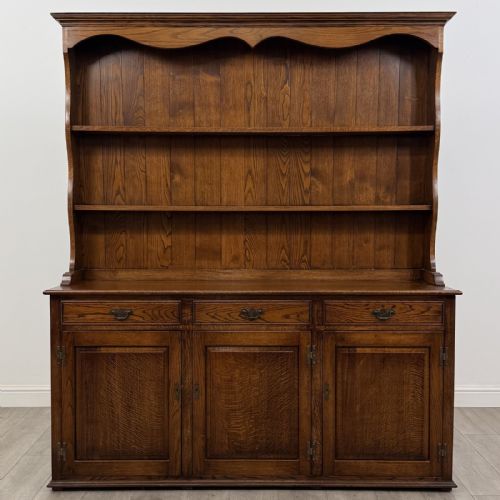
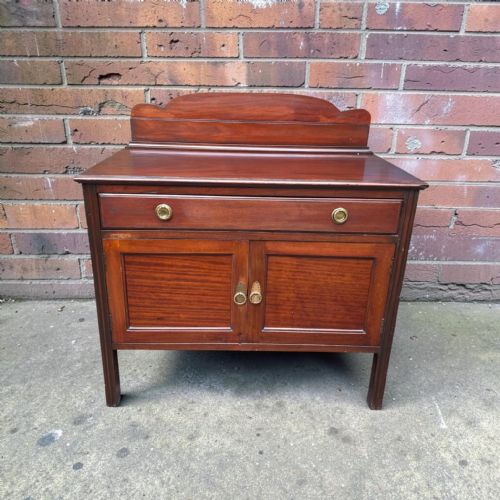
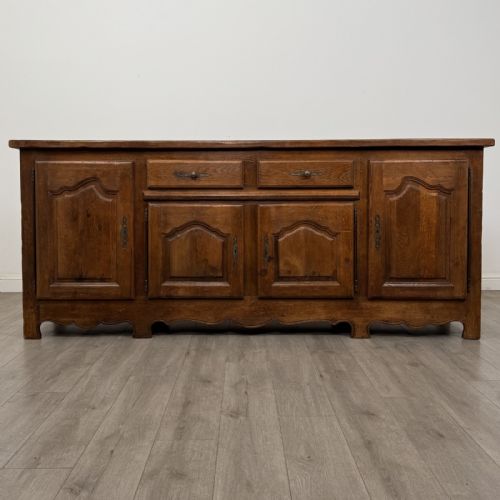
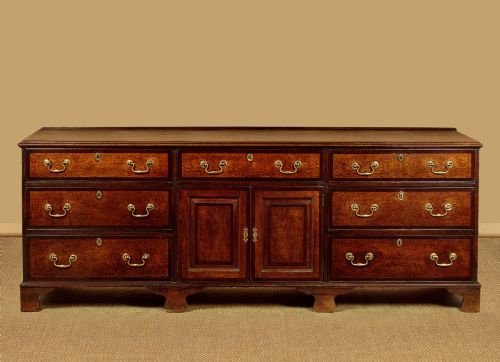
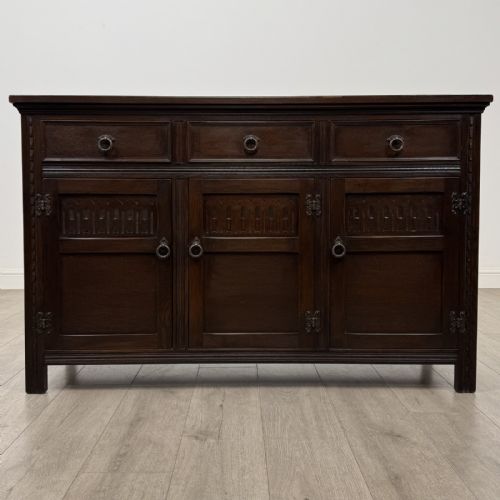
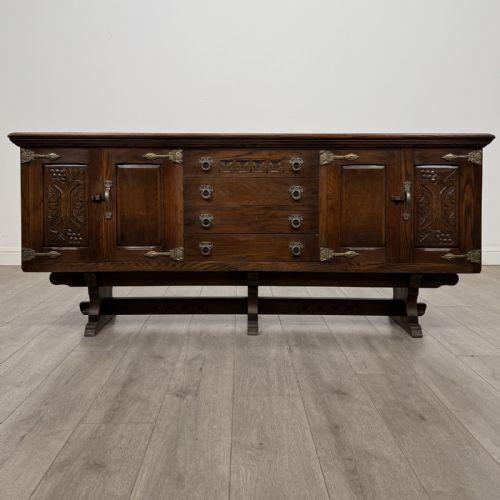
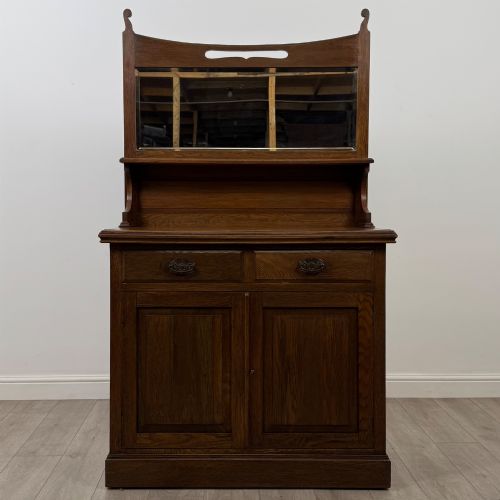
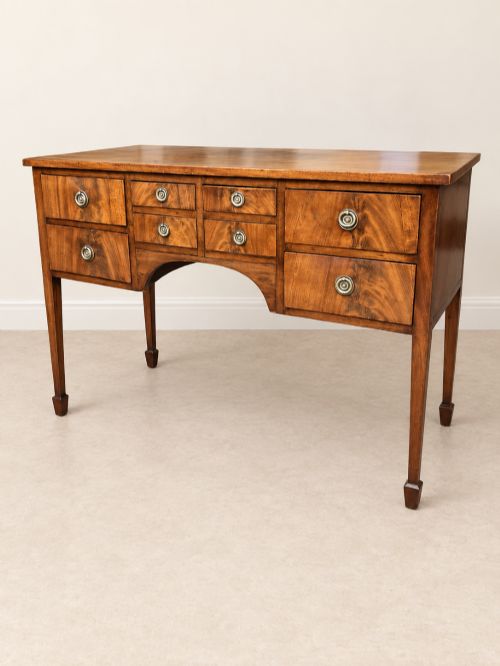
A vintage dining cabinet encompasses a variety of storage furniture designed for the dining room, most frequently appearing as sideboards, dressers, and side cabinets across this selection.
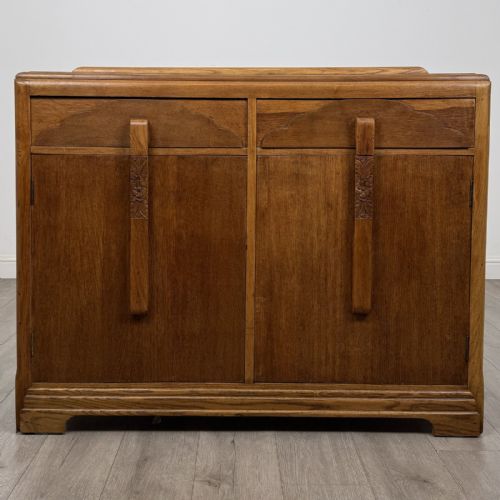
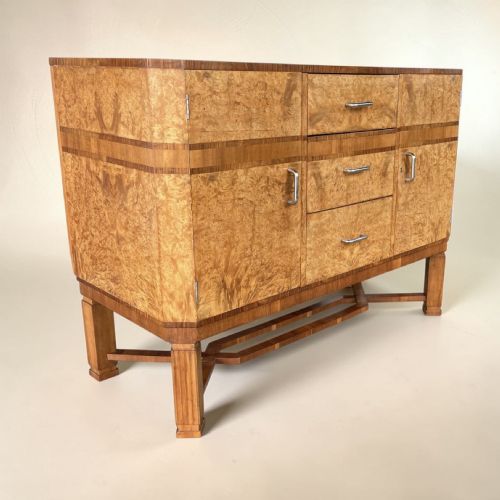
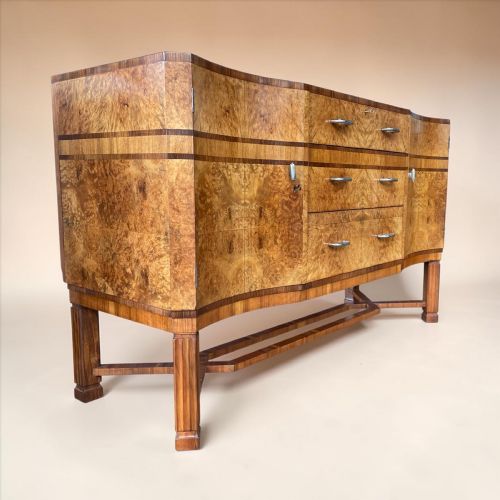
The pieces span multiple periods from the nineteenth century through the Edwardian era and into the 1930s Art Deco movement, offering distinct architectural forms for modern interiors.
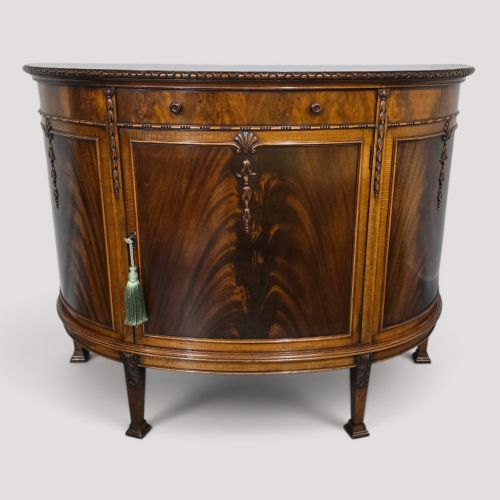
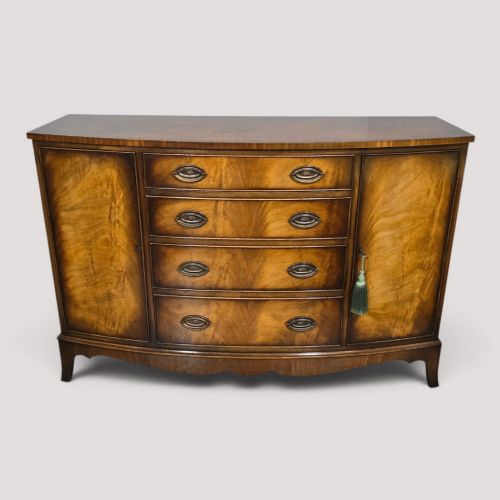
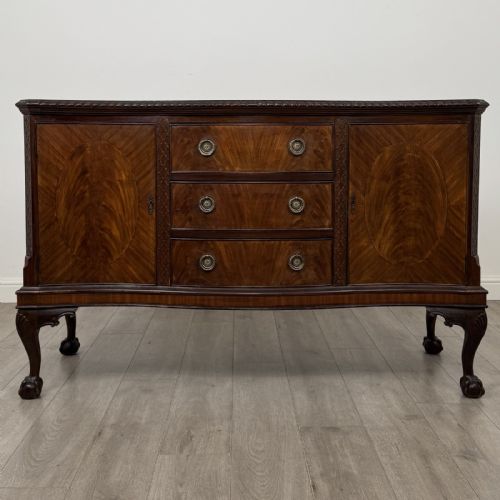
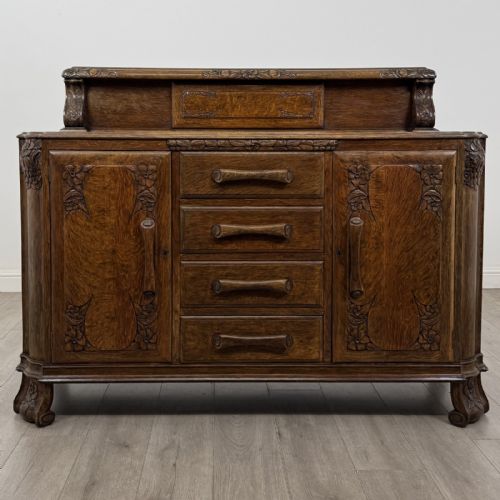
Buyers encounter heavy oak iterations with carved galleries alongside sleek walnut and mahogany designs featuring inlaid details or curved fronts.
Materials and construction methods
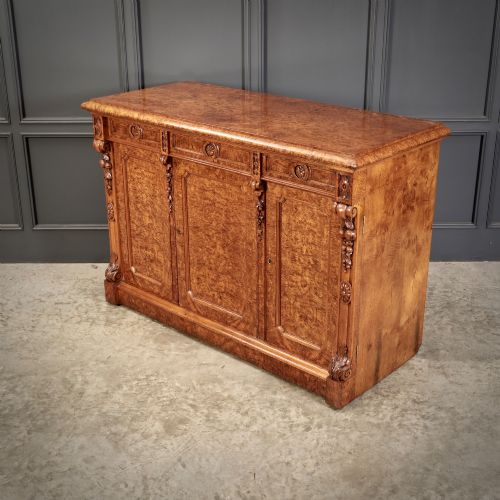
Cabinet makers utilised solid woods and veneers including mahogany, oak, burr walnut, and satinwood, often accentuating the grain with polished finishes.
Decorative elements such as brass handles, glass panels, marble tops, and carved wooden details like claw and ball or barley twist legs completed the construction.
Structural forms rely on traditional joinery techniques to support large frames, drawers, and heavy doors intended for heavy domestic use.
Some dining cabinets come equipped with hidden compartments designed specifically to keep silver cutlery from tarnishing.
Factors influencing quality
Superior quality in a vintage dining cabinet is determined by the selection of figured timbers, such as flame mahogany or burr walnut, matched across prominent surfaces.
Fine craftsmanship shows in the crispness of hand-carved details, the integration of specialised fitted interiors like cutlery drawers, and the robustness of the structural base.
Maurice Adams·Gomme
The Vintage Dining Cabinet Glossary
- Sideboard
- A large dining room furniture piece used for serving food and storing tableware. They frequently feature a combination of cupboards and drawers.
- Dresser base
- The lower section of a traditional Welsh dresser, comprising drawers and cupboards without the upper plate racks. These serve as standalone low storage cabinets.
- Bow front
- A convex curved front contour popular on mahogany and walnut cabinets. This shape softens the profile of large storage pieces.
- Chiffonier
- A compact sideboard equipped with a raised mirror or shelf back. These originated in the nineteenth century for smaller reception rooms.
- Serpentine front
- A furniture front shaped with a central convex curve flanked by concave sweeps. This styling requires advanced cabinet making skill.
Vintage Dining Cabinet: Frequently Asked Questions
How do I date a dining cabinet?
Dating relies on observing the primary wood types, hardware, and stylistic motifs present on the cabinet. Heavy oak with carved galleries typically points to the Edwardian period or earlier revivals.
Streamlined curves and burr walnut veneers suggest a 1930s Art Deco origin, while mahogany with inlay often indicates nineteenth-century craftsmanship.
Where should I place my cabinet?
These cabinets work best positioned against a primary wall in a dining room or open living space to anchor the room. Ensure adequate clearance for doors and drawers to open fully.
Keep wooden furniture away from direct heat sources to protect the polished timber and natural veneers.
How do I maintain the wood?
Regular dusting with a soft, dry cloth prevents particle buildup on polished mahogany, oak, and walnut surfaces. Occasional application of appropriate wax maintains the lustre of the finish.
Avoid using harsh chemical sprays or placing wet items directly onto antique wood surfaces.