



Vintage Diamond Timepiece
A vintage diamond timepiece brings together precision mechanics and glittering stones, offering elegance for the wrist or desk.
Vintage Diamond Timepiece
The selections span the 19th century through the Edwardian period, the 1920s, 1930s, and 1960s, up to later than 1960. Art Deco pieces stand out prominently, alongside mid-century luxury designs and late Victorian examples.
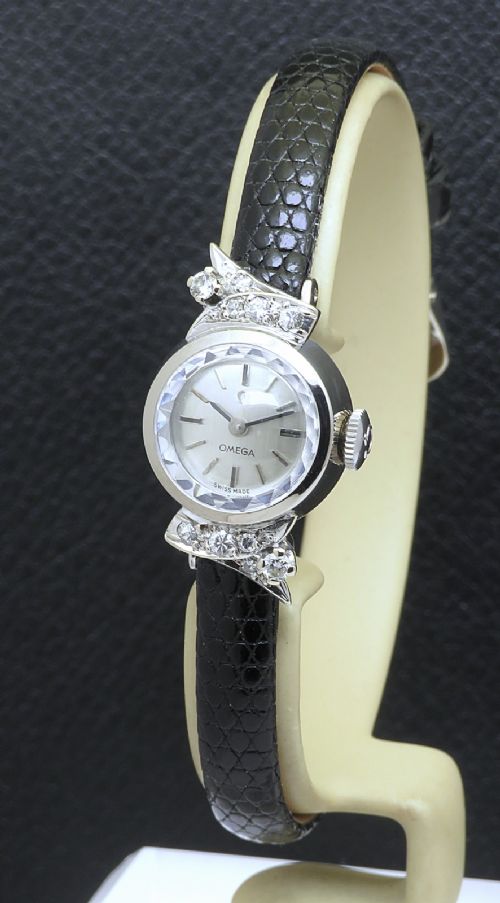
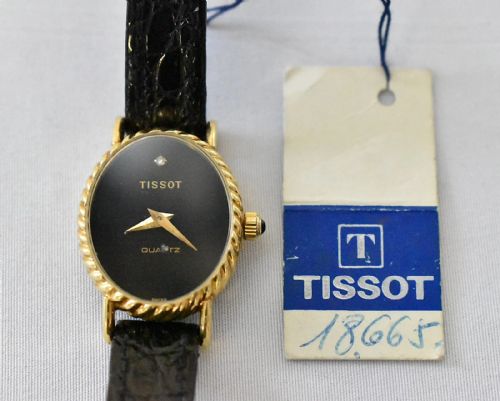
Makers and manufacturers represented include Omega, Tissot, Bucherer, Asprey, Vertex, Movado, DEP, Invicta, and Audemars Piguet. These items function simultaneously as working instruments for telling time and as pieces of fine jewellery.
How they were made
The construction of these items relies heavily on precious metals such as platinum, 18ct white gold, 18ct gold, and 14ct gold, paired with glass crystals and occasionally leather straps or marble and chrome.
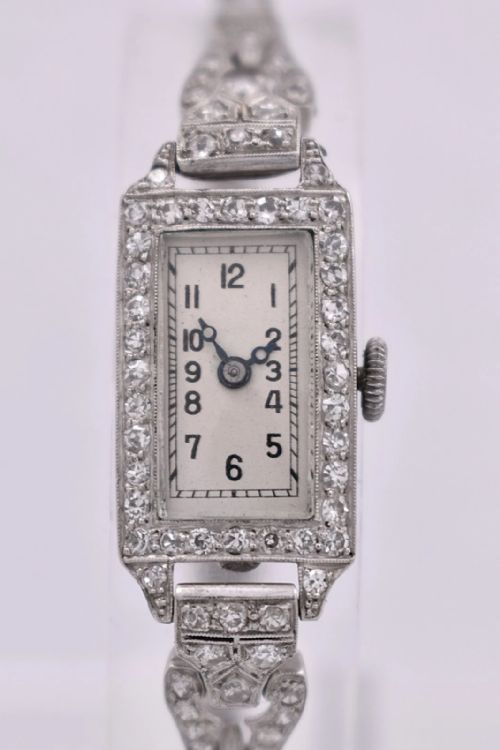
Gems are integrated into mountings using techniques suited to the period, such as the geometric platinum settings characteristic of the Art Deco era. Movements inside include Swiss jewelled lever mechanisms, quartz movements, and minute repeater chronographs.
What varies in quality
Quality differences emerge in the weight and clarity of the diamond pavé or stone settings, moving from modest carat weights up to substantial multi-carat designs. The choice of metal also dictates standing, with platinum and high-carat white gold occupying the upper tiers.
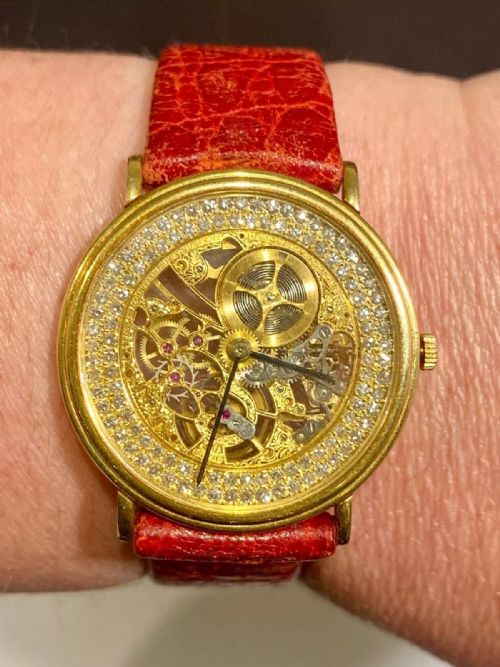
The reputation of the maker influences standing considerably, distinguishing standard production items from signed pieces by established houses like Asprey, Audemars Piguet, or Omega. The complexity of the internal movement, from basic quartz to intricate mechanical skeletonised or repeater systems, further differentiates the grade.
Omega·Tissot·Bucherer·Asprey·Vertex·Movado·Invicta·Audemars Piguet
The Vintage Diamond Timepiece Glossary
- Art Deco
- A design style from the 1920s and 1930s defined by geometric symmetry, stylised motifs, and clean lines. This aesthetic heavily influences many platinum cocktail watches.
- Cocktail watch
- A small, highly decorative ladies wristwatch designed primarily for evening wear rather than daily timekeeping. These pieces often feature dense diamond encrustation over diminutive dials.
- Minute repeater
- A complication in a mechanical watch that chimes the hours, quarters, and minutes on demand when a slide is activated. This intricate mechanism represents advanced watchmaking skill.
- Skeletonised
- A watch design where the dial and bridges are cut away to reveal the inner mechanical movement. This technique showcases the craftsmanship of the gear train and escapement.
- Swiss jewelled lever
- An escapement mechanism utilising small synthetic rubies or jewels to reduce friction in the gear pivots. It remains the standard for reliable mechanical timekeeping.
Vintage Diamond Timepiece: Frequently Asked Questions
What is a cocktail watch?
A cocktail watch is a small ladies timepiece created to resemble fine jewellery for evening events.
These pieces prioritise decorative diamond settings and precious metals over large, easy-to-read dials.
How do I wear a vintage watch?
Vintage timepieces suit formal occasions or daily wear, depending on the delicacy of the strap and case.
Many styles from the Art Deco period function effectively as statement bracelets alongside evening attire.
Are these watches mechanical or quartz?
The mechanisms vary by period, with earlier examples relying on manual-wind mechanical movements or Swiss jewelled levers.
Later pieces incorporate quartz movements alongside traditional mechanical calibres.
How can I tell the period?
Stylistic markers such as geometric platinum mountings point directly to the 1920s and 1930s Art Deco era.
Later decades introduce alternative casing shapes, different gold alloys, and quartz technology.