
Vintage Diamond Engagement
Vintage diamond engagement rings span periods from the Victorian era through the mid-century, offering distinctive old-cut stones and precious metal settings.
Vintage Diamond Engagement
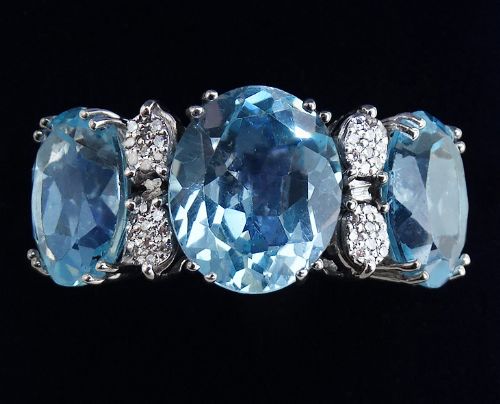
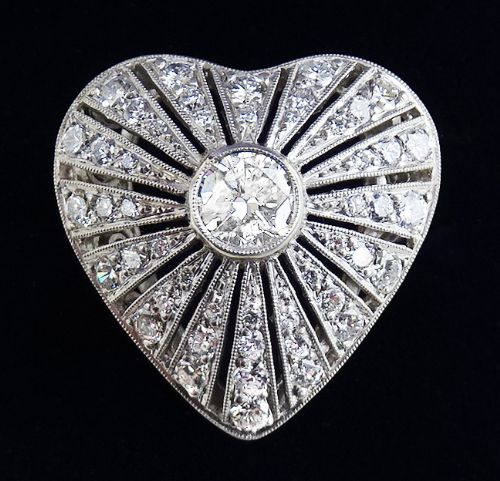
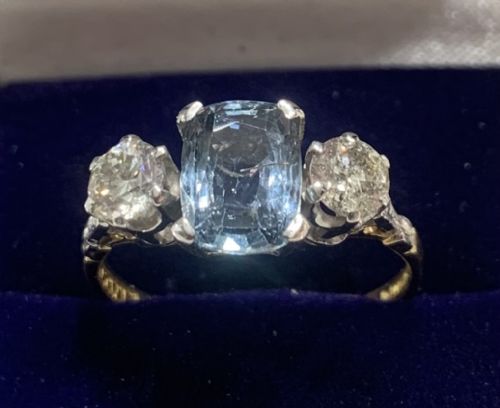
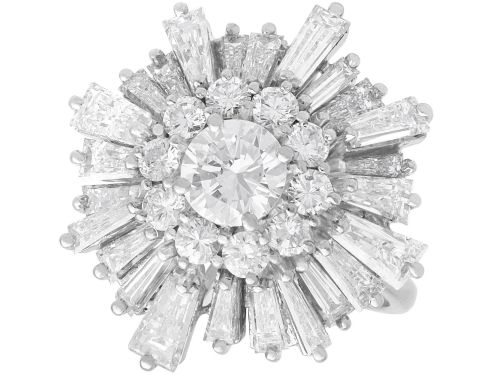
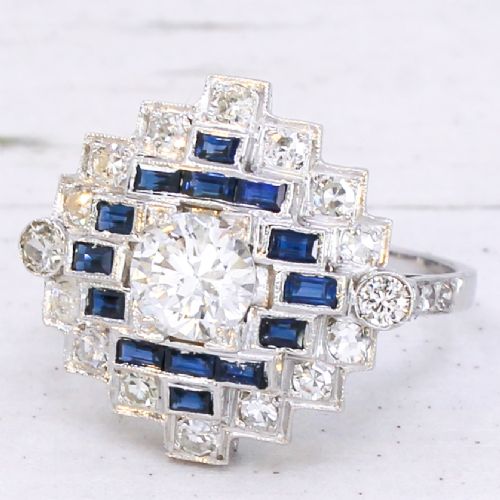
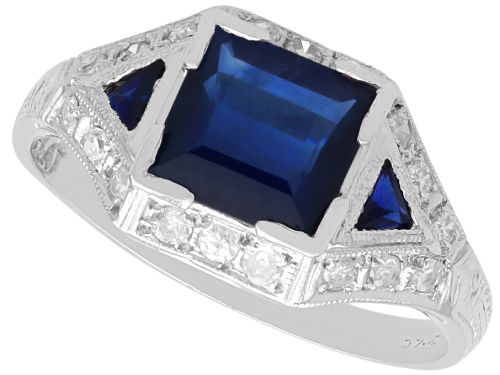
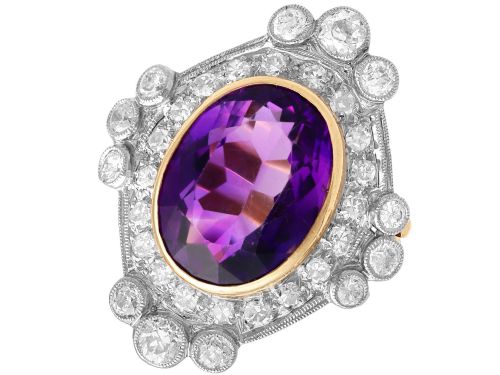
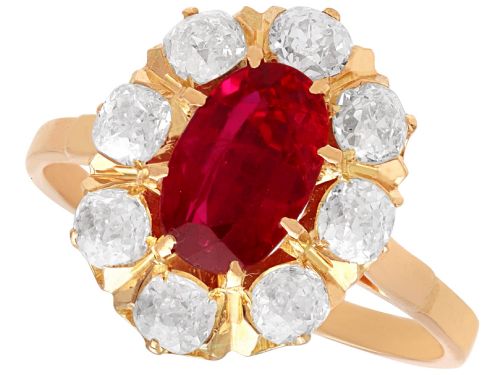
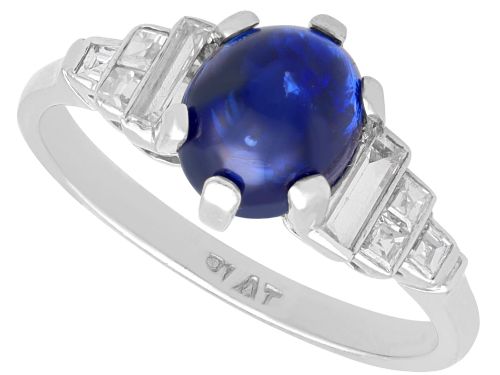
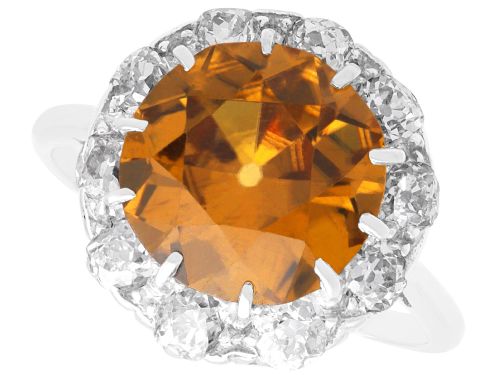
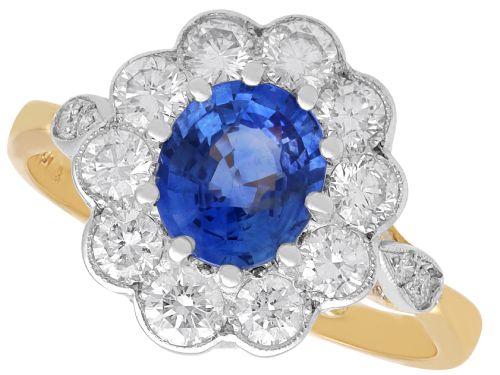
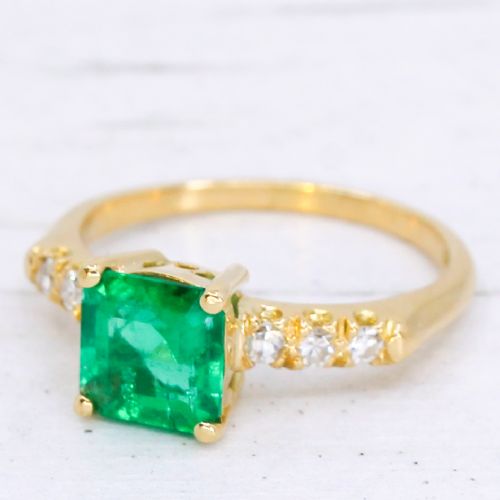
These pieces encompass rings from the Victorian, Edwardian, Art Deco and mid-century periods, capturing styles that range from delicate floral clusters to geometric settings. The selection frequently includes diamond solitaires, multi-stone rings, and combinations featuring sapphires, rubies, or emeralds set alongside central diamonds.
The historical span reaches from late nineteenth-century bands to mid-twentieth-century cocktail and solitaire designs. Each period brings distinct mounting techniques and stone cuts that define its overall character.
How they were made
Jewellers utilised durable combinations of 18ct gold and platinum to secure stones while maintaining refined proportions in Edwardian and Art Deco mounts. Platinum allowed for intricate, lacy openwork galleries and secure claw settings without adding excessive weight to the hand.
Gems were predominantly shaped by hand as old mine cuts, old European cuts, and old pear or cushion cuts, displaying smaller tables and higher crowns than modern brilliant cuts. These artisan-cut stones were then integrated into cast or hand-fabricated precious metal bands often accented with engraved or diamond-set shoulders.
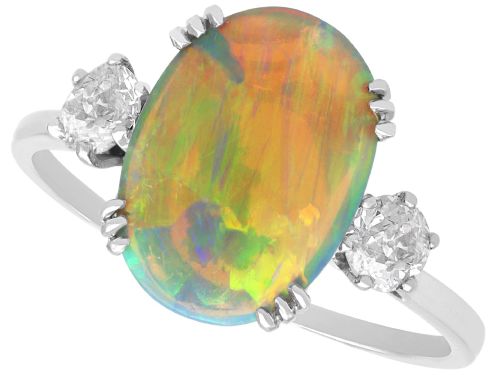
Common gemstone combinations paired with diamonds across the available inventory include sapphire, emerald, ruby, tourmaline, and opal.
What varies in quality
Differences across the range stem from the proportion and cutting quality of the primary diamonds, where hand-cut facets influence light return and visual depth. Superior examples display balanced symmetry in antique cuts and secure, well-preserved metalwork in the surrounding settings.
The choice and clarity of accompanying gemstones, such as Ceylon sapphires or Colombian emeralds, shift the overall presence of cluster and multi-stone rings. Heavier metal gauge in the shank and minimal wear to the original prongs and gallery work further distinguish finer specimens.
The Vintage Diamond Engagement Glossary
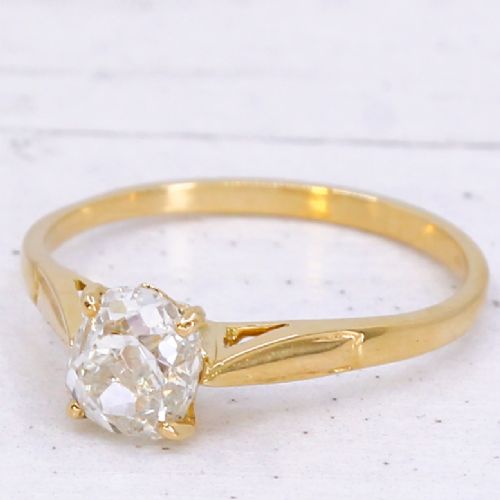
- Old Cut Diamond
- A diamond shaped by hand before modern machine precision, typically featuring a smaller table, high crown, and open culet. These stones produce a softer, candlelit sparkle compared to modern brilliant cuts.
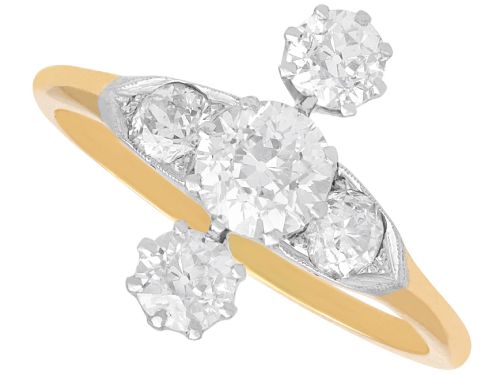
- Toi Et Moi
- A two-stone ring style translating to 'you and me', featuring twin gems placed closely side by side or in a twist configuration. This design symbolises a union of two individuals.
- Cluster Ring
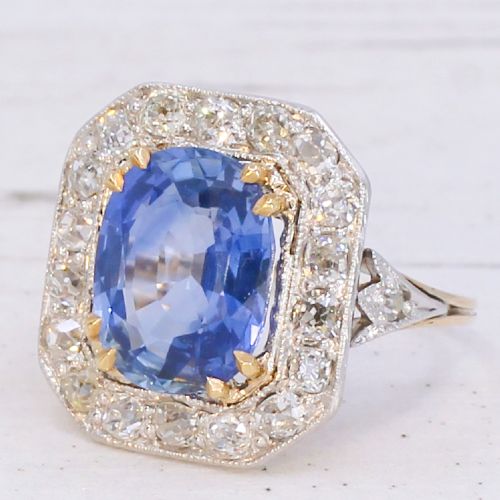
- A ring arrangement where a central gemstone is surrounded by a border of smaller stones, often diamonds framing a sapphire, ruby, or emerald. This layout maximises visual impact on the finger.
- Gypsy Ring
- A style where stones are flush-set directly into a thick tapering metal band rather than held in raised claws. It gained popularity during the late Victorian period for everyday practicality.
- Platinum
- A dense, silvery-white precious metal used extensively in Edwardian and Art Deco jewellery for its strength. Its durability enabled jewellers to craft exceptionally fine wirework and secure prong settings.
Vintage Diamond Engagement: Frequently Asked Questions
What is an old cut diamond?
An old cut diamond refers to stones shaped by hand during the Victorian, Edwardian, and Art Deco eras. These diamonds possess distinctive proportions including smaller tables and deeper pavilions.
Because they were cut by hand rather than by automated machinery, each stone exhibits unique facet arrangements that interact warmly with candlelight or low lighting.
How do I care for a vintage ring?
Caring for these rings involves regular gentle cleaning with warm water, mild soap, and a soft brush to remove everyday debris from beneath the settings. Avoiding harsh chemical cleaners protects both the soft precious metals and natural gemstones.
Periodic professional inspection of the claws and prongs ensures that antique settings remain secure and stable during daily wear.
How do I identify an Edwardian ring?
Edwardian rings are typically recognised by their abundant use of platinum-topped yellow gold, lacy openwork galleries, and delicate milgrain detailing along the edges of the metal. The aesthetic favors airy, garland-style motifs and bright old-cut diamond clusters.
Many pieces from this period also incorporate natural Colombian emeralds or Ceylon sapphires alongside white diamonds.