


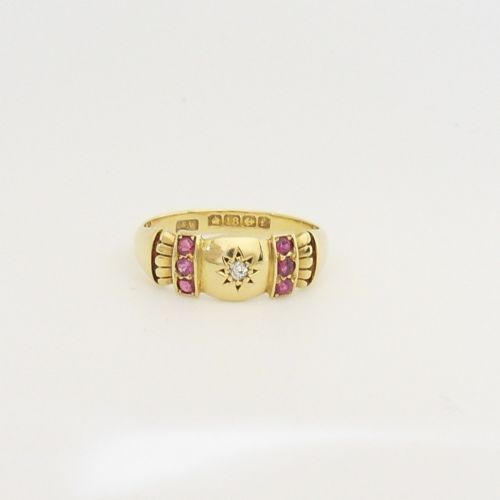
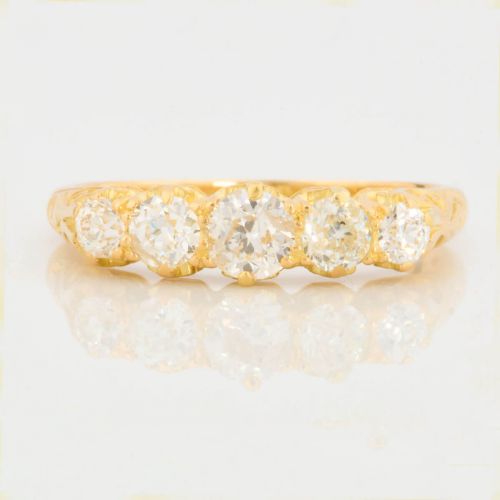
Vintage Diamond Carved Band
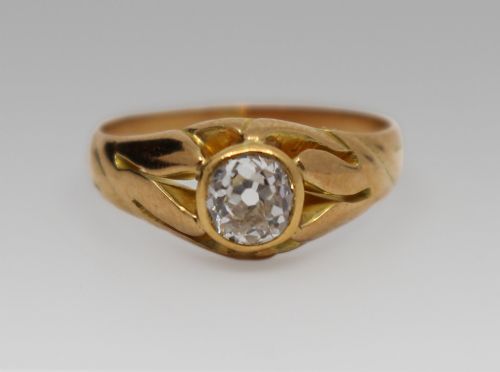
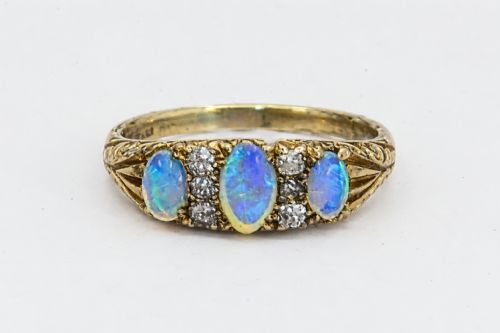
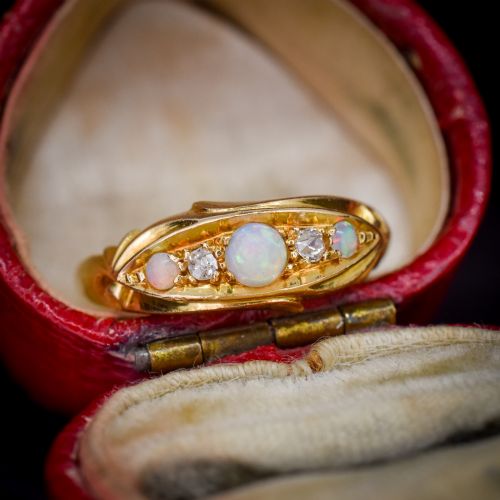
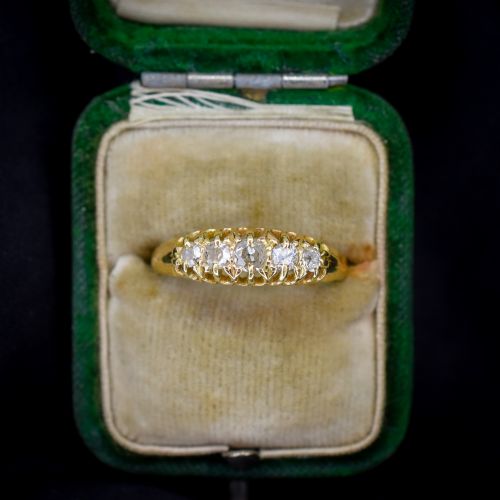
A vintage diamond carved band brings together old cut stones and rich gold settings from the late Victorian, Edwardian and mid-century periods.
Vintage Diamond Carved Band
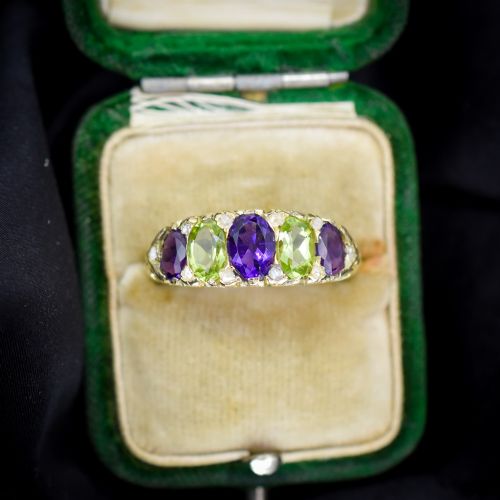
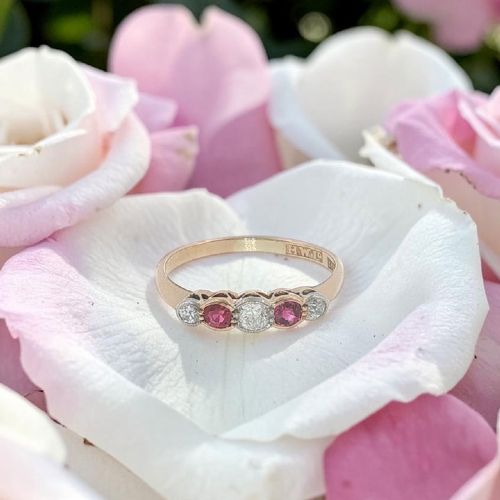
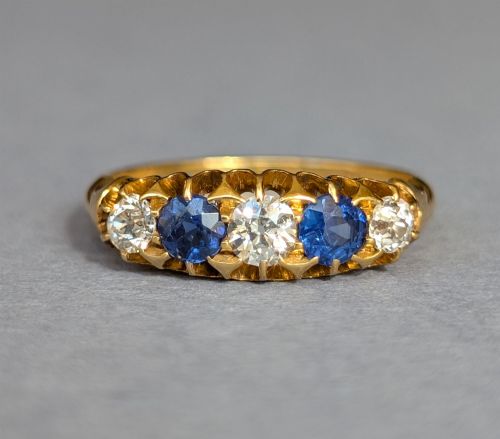
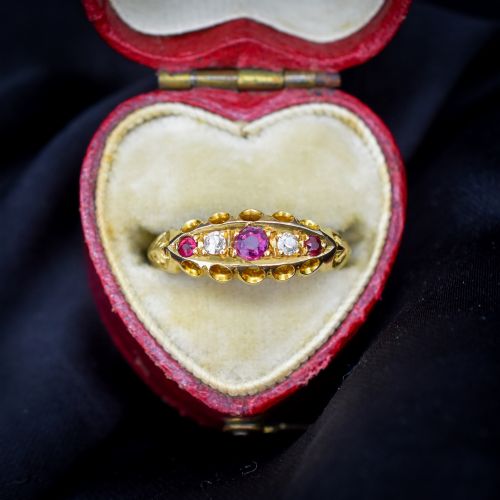
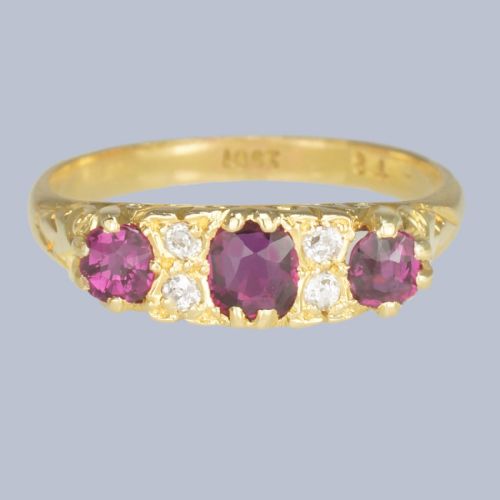
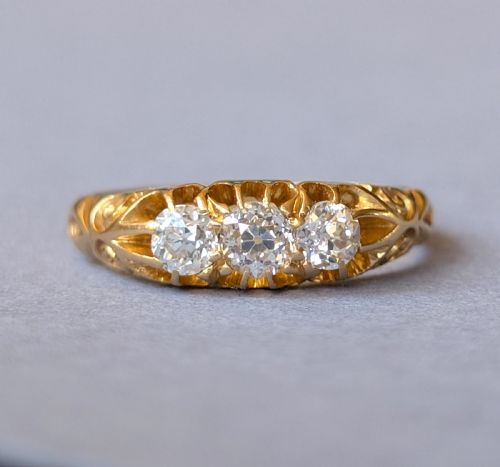
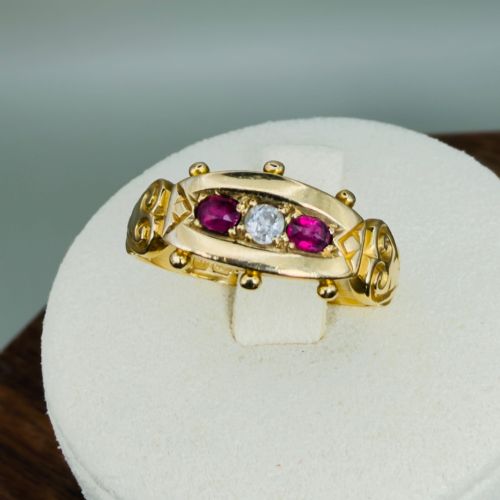
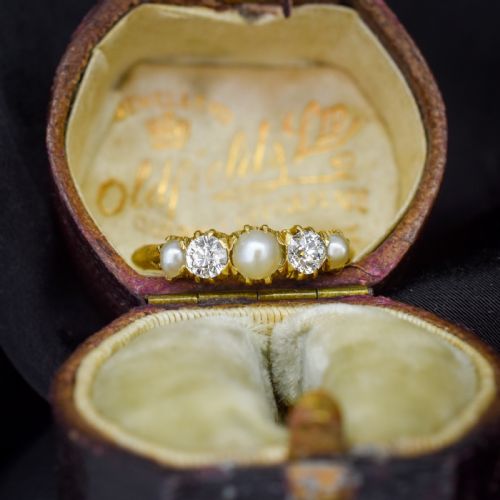
When you search for a vintage diamond carved band, you encounter rings shaped from 18ct yellow and white gold, often set with diamonds alongside rubies, sapphires, opals and other coloured stones. These pieces span from the late nineteenth century through the Edwardian era and into the mid-twentieth century, capturing periods of distinct goldsmithing traditions.
Makers shaped these bands to function as daily wear, combining durability with decorative scrollwork, engraved shoulders and clustered gemstones. They serve as enduring examples of classic fine jewellery that transition easily from historical collections to modern fingers.
How they were made
Jewellers utilised 18ct yellow gold, rose gold and platinum to forge the foundational bands, casting or hand-fabricating the metal to receive the stones. Old cut diamonds and vibrant gemstones like rubies, sapphires and opals were then hand-set using claw, starburst or gypsy techniques.
Workshops applied detailed engraving, enamel work and scroll motifs directly onto the gold shanks, particularly during the Edwardian and late Victorian periods. Hallmarks were stamped into the interior of the band to certify the metal purity and the specific year of assay.
Regional British assay offices including Chester and Birmingham appear frequently on these gold bands alongside London and international vintage pieces.
What varies in quality
The distinction between a standard band and a superior example lies in the precision of the hand-carved details and the retention of crisp hallmarks on the gold shank. Pieces featuring well-matched old cut diamonds with high clarity display a greater brilliance and fire that elevates the design.
The integration of secondary gemstones, such as deep blue sapphires or vibrant rubies, influences the overall harmony of the ring. Superior craftsmanship ensures that the prongs and flush settings remain secure while maintaining the delicate proportions intended by the period jeweller.
The Vintage Diamond Carved Band Glossary
- Old cut
- A diamond facet style popular in the nineteenth and early twentieth centuries featuring a small table, high crown and deep pavilion. These stones exhibit a distinctive, softer candlelight sparkle compared to modern brilliant cuts.
- Boat ring
- A ring setting characterised by a curved, boat-shaped platform that tapers toward the shoulders. This profile allowed jewellers to mount multiple stones securely across the finger.
- Gypsy ring
- A band style where gemstones are flush-set directly into the thick gold metal rather than held by raised claws. This technique creates a smooth, rounded surface across the top of the ring.
- Hallmark
- An official stamp applied by an assay office to indicate metal purity and origin. British pieces often show specific symbols for towns like Chester and Birmingham alongside date letters.
- Trilogy ring
- A jewellery design featuring three principal stones set in a row, often symbolising the past, present and future. In these listings, they typically combine diamonds with sapphires or rubies.
Vintage Diamond Carved Band: Frequently Asked Questions
How do I care for an antique gold ring?
Caring for an 18ct gold ring requires gentle cleaning with warm soapy water and a soft brush to remove everyday oils. Avoid harsh chemical cleaners and ultrasonic devices, particularly if the ring contains softer stones like opals, pearls or turquoise.
It is wise to have the settings checked periodically by a professional jeweller to ensure the old cut diamonds and coloured stones remain tightly secured in their original mountings.
What does an old cut diamond look like?
An old cut diamond possesses a hand-faceted appearance with a smaller table, a higher crown and a noticeably open culet at the bottom. These characteristics produce a warm, chunky light reflection rather than the precise brilliance of modern cut stones.
Cut by hand before the advent of automated machinery, each diamond has a unique geometry that reflects the individual hand of the period artisan who shaped it.
How can I date my Edwardian ring?
Dating an Edwardian ring involves examining the assay hallmarks stamped inside the 18ct gold band, which indicate the specific year and city of manufacture. British pieces frequently display official letters and office marks corresponding to registry records.
Stylistic elements such as delicate filigree, platinum-topped gold and the use of old cut diamonds paired with sapphires or rubies further confirm the Edwardian period of production.