



Vintage Dessert Flatware
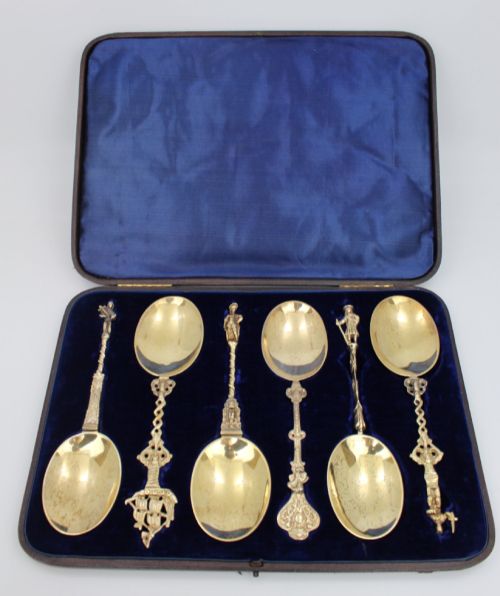
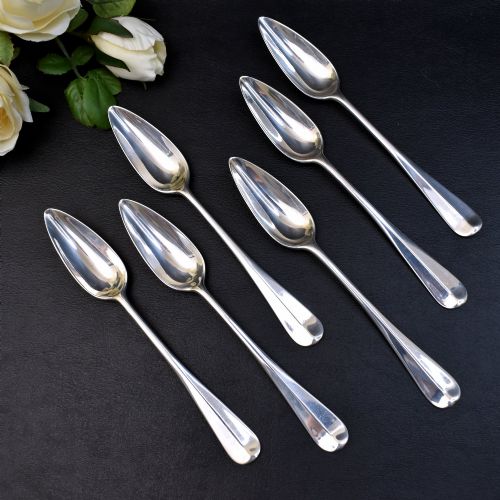
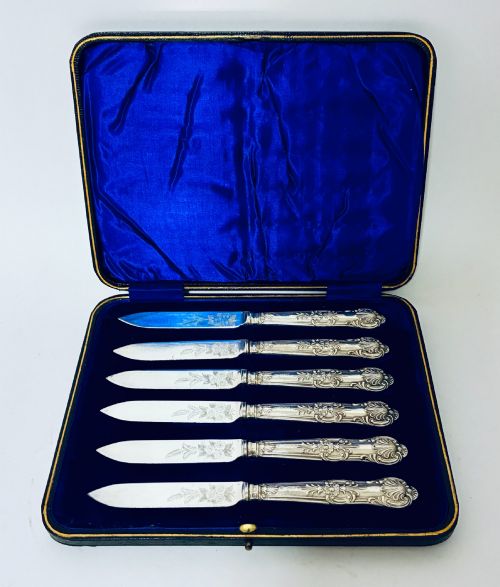
These vintage dessert flatware sets bring genuine period charm to the table, offering everything from cased fruit knives to silver-gilt apostle spoons.
Vintage Dessert Flatware
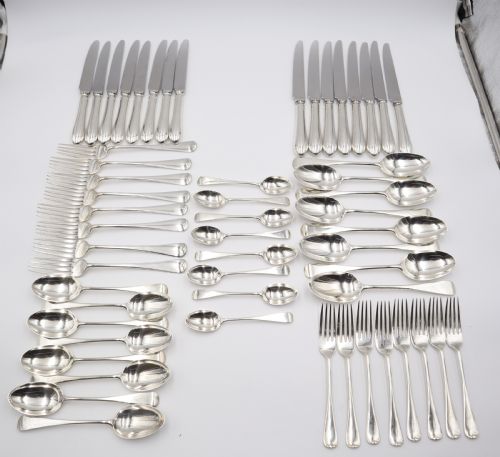
When you search for vintage dessert flatware, you encounter a specialised range of cutlery designed for sweet courses, fruit, and after-dinner service. The pieces span periods from the eighteenth century to the mid-twentieth century, encompassing Victorian, Edwardian, and Art Deco designs.
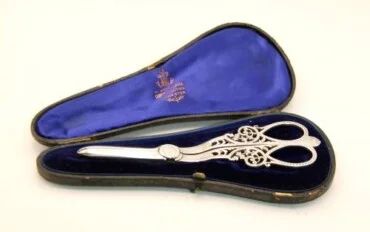
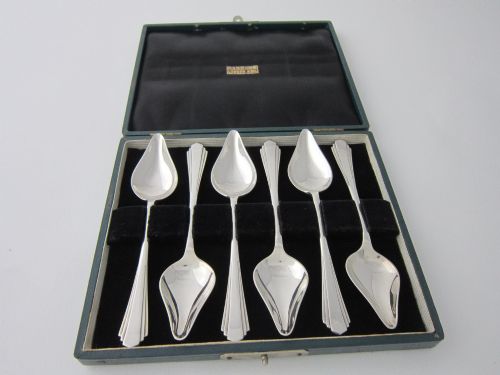
Most frequently, you meet cased sets of fruit knives, cake forks, and grapefruit spoons housed in fitted boxes lined with velvet or leatherette. Alongside these matched services, individual serving pieces such as grape scissors, berry spoons, and serving tongs appear regularly.
The assortment draws on diverse manufacturing traditions, ranging from traditional British silver-gilt and Scottish sterling pieces to continental silver and French silver-plate. Whether arranged in an oak cased canteen or presented as a small boxed pair, these implements reflect formal dining customs of past decades.
Materials and construction
Makers utilised sterling silver, silver plate, and steel, often combining metals with natural materials like mother of pearl for handles. Silver-gilt treatments and coloured enamel accents appear on specific decorative teaspoons and cake forks.
Blades and tines were cast or forged, sometimes featuring engraved details or cast silver fruit blades. Presentation cases rely on wood structures finished with protective outer coverings and soft interior linings.
Vintage Dessert Flatware Retail Price Guide 2026
Typical asking prices for vintage dessert flatware among the pieces listed under this phrase on Sellingantiques today, from the lower quarter to the upper quarter. They describe what is for sale here now, not the wider market.
Materials documented across the inventory include sterling silver, silver plate, steel, mother of pearl, velvet, leatherette, and fabric.
Distinguishing fine examples
Quality rests upon the crispness of hallmarks, the weight of the silver or plating, and the integrity of fitted presentation cases. Maker attributions to established workshops elevate certain cased sets above anonymous production.
The retention of original box linings, matching components within a set, and undamaged handle materials like mother of pearl or enamel separate superior survivals from incomplete or heavily worn items.
Deakin & Francis·Hamilton & Inches·Tiffany·Georg Jensen·Christofle
The Vintage Dessert Flatware Glossary
- Silver-gilt
- Silver that has been coated with a thin layer of gold on its surface. This technique imparts a rich golden sheen to apostle spoons and decorative flatware.
- Hallmark
- An official stamp applied to precious metals indicating the standard of purity, the assay office, and the date letter. These marks verify the origin and period of British silver.
- Silver plate
- A base metal coated with a layer of silver through electroplating or older methods. It provides the appearance of solid silver at a different scale of manufacture.
- Mother of pearl
- The iridescent inner layer of certain mollusc shells used traditionally for knife handles. It offers a smooth, tactile grip with natural tonal variations.
- Canteen
- A fitted box, chest, or cabinet designed to store a complete set of cutlery securely. These wooden containers often feature compartmentalised trays lined to protect the contents.
Vintage Dessert Flatware: Frequently Asked Questions
What is included in vintage dessert flatware?
This category covers specialist cutlery used for sweet courses, fruit, and serving, including cake forks, fruit knives, and berry spoons.
Many examples arrive in fitted presentation boxes containing matched sets for multiple guests alongside larger serving pieces.
How do I care for silver flatware?
Wash pieces gently by hand using mild soap and warm water, then dry them immediately with a soft cloth to prevent water spots. Avoid abrasive cleaners that can damage delicate surfaces or wear down thin plating.
Store silver in anti-tarnish rolls or lined presentation cases when not in use to minimise exposure to air and moisture.
Can I use these utensils daily?
Many solid silver and sturdy plated items remain entirely suitable for regular dining and occasional dinner parties. Items featuring fragile handles like mother of pearl or detailed enamel work benefit from more careful handling.
Hand washing is essential for all antique and vintage cutlery to preserve their structural integrity and decorative finishes.
How do I identify different periods?
Examination of official hallmarks reveals specific date letters and assay office symbols that date British pieces accurately. Stylistic indicators such as geometric Art Deco lines or ornate Victorian engraving also point to particular eras of manufacture.