




Vintage Dessert Display
Vintage dessert display pieces are service vessels and stands in glass, brass, and timber that bring period elegance to modern tables.
Vintage Dessert Display
When you search for vintage dessert display, you are looking at items designed to present sweet courses, cakes, and fruit with architectural presence. The selection ranges from tiered stands and comports to serving tables and dumb waiters intended for the dining room.
You are most likely to meet Victorian and Edwardian examples on this page, alongside earlier Georgian forms and later twentieth century brass and glass tiers. These pieces span materials from bone china and ceramic to polished mahogany, rosewood, and oak.
The assortment includes specific items such as Royal Crown Derby dessert services, étiers, and tazzas, each fulfilling a distinct role in formal hospitality. Their forms reflect the changing fashions of entertaining from the eighteenth century through to the early twentieth century.
Materials and construction
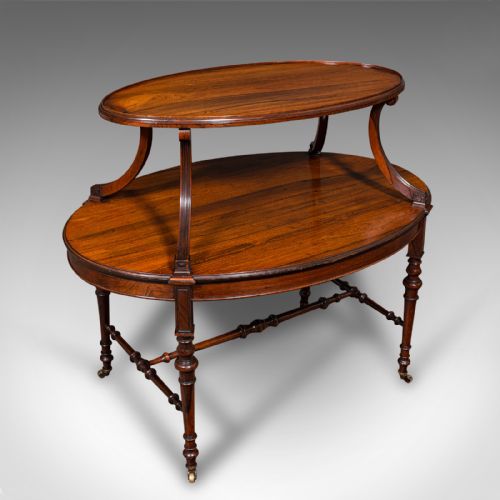
Cabinet makers utilised fine timbers including mahogany, rosewood, and satinwood to construct tiered stands, dumb waiters, and serving tables. These woods often feature polished surfaces and turned supports characteristic of their respective eras.
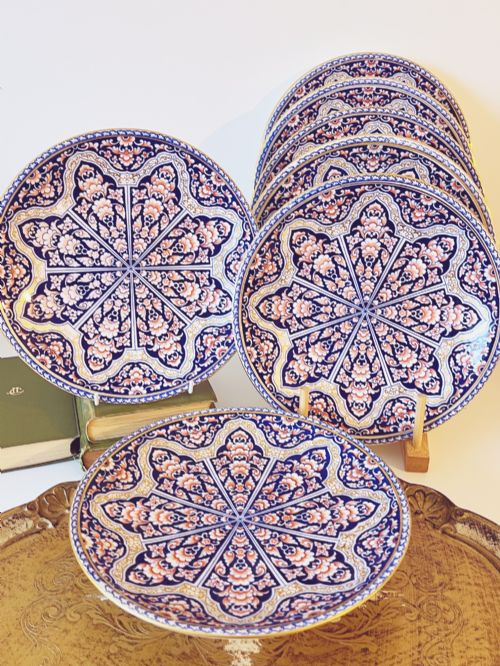
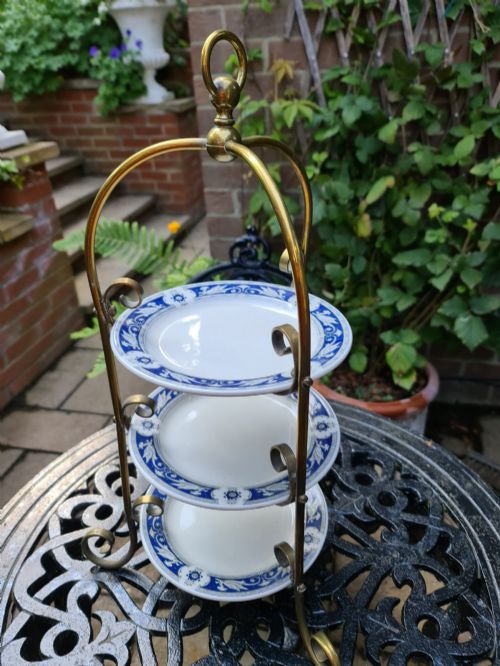
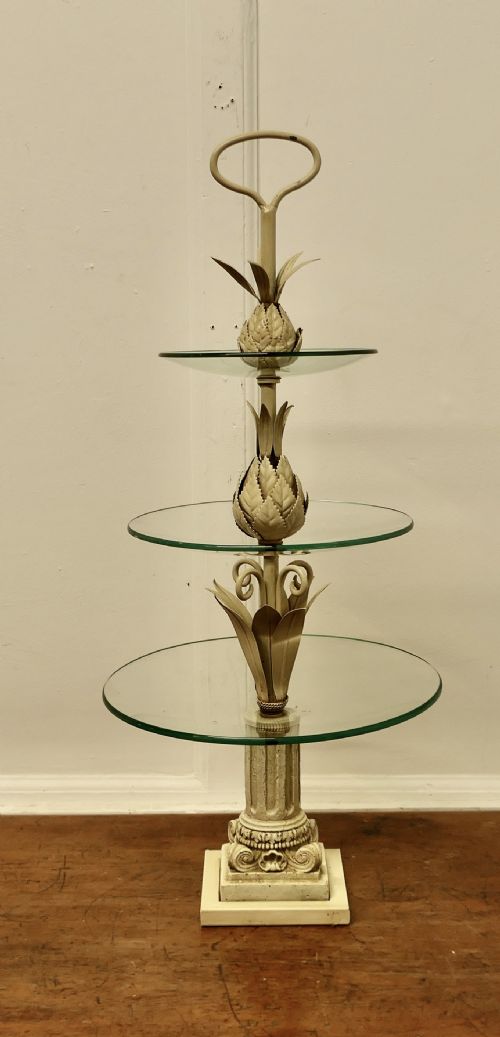
Ceramic pieces rely on bone china and porcelain, exemplified by nineteenth century makers utilising detailed decoration such as Imari patterns and gold leaf. Metalwork incorporates brass for pedestals, frames, and tiered display structures, frequently paired with glass plates or mirrored centrepieces.
Vintage Dessert Display Retail Price Guide 2026
Typical asking prices for vintage dessert display among the pieces listed under this phrase on Sellingantiques today, from the lower quarter to the upper quarter. They describe what is for sale here now, not the wider market.
German ingenuity met Victorian entertaining when mirrored glass was set into oak stands so cakes could admire their own reflection.
What separates the fine examples
Quality in these display pieces rests upon the integrity of the materials and the precision of the joinery or metal casting. Finer items demonstrate careful timber selection, robust tiered construction, and crisp detailing in ceramic services or brass mountings.
The distinction between standard utility and superior craftsmanship also shows in the retention of original components, such as matching plates within a service or undamaged mirrored glass inserts in gateau centrepieces.
The Vintage Dessert Display Glossary
- Comport
- A shallow dish or bowl raised on a stem, used for serving fruit or sweets as part of a dessert service.
- Dumb waiter
- A freestanding piece of furniture with multiple revolving or stationary tiers designed to hold tableware and food without the need for servants.
- Étagère
- A set of open shelves or tiers for displaying small objects, decorative items, or food.
- Imari
- A style of Japanese-inspired ceramic decoration featuring rich iron red, underglaze blue, and gold leaf, adopted by European potteries.
- Tazza
- A small, broad saucer-shaped vessel mounted on a stem and foot, utilised for presenting sweetmeats and cakes.
Vintage Dessert Display: Frequently Asked Questions
What is a vintage dessert display?
A vintage dessert display encompasses the various stands, services, and tables used historically to present sweets, fruit, and cakes at the conclusion of a meal.
These objects range from ceramic comports and bone china plates to multi-tiered timber and brass stands designed for dining rooms.
How were dumb waiters used?
Dumb waiters functioned as secondary serving tables placed beside the main dining table to hold dishes, glasses, and dessert courses.
Their tiered or revolving shelves allowed diners to help themselves without constant attendance from household staff.
How do I date a cake stand?
Dating a stand involves examining the timber species, construction joints, turnings, and any associated maker's marks or date stamps.
Victorian and Edwardian pieces often display heavier proportions or specific revival styles, whereas Georgian examples show earlier cabinet-making techniques.
Can I use these for modern dining?
Many of these pieces adapt well to contemporary entertaining for serving cakes, pastries, or afternoon tea.
Care should be taken with antique timber surfaces and gilt ceramics, avoiding harsh cleaning methods and excessive moisture.