





Vintage Desk Stool
A vintage desk stool provides sturdy, practical seating for workspaces and dressing rooms, bringing period character and tactile materials into a room.
Vintage Desk Stool
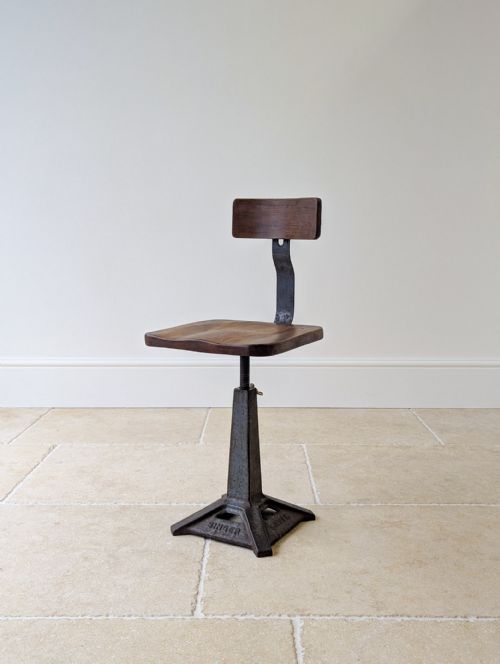
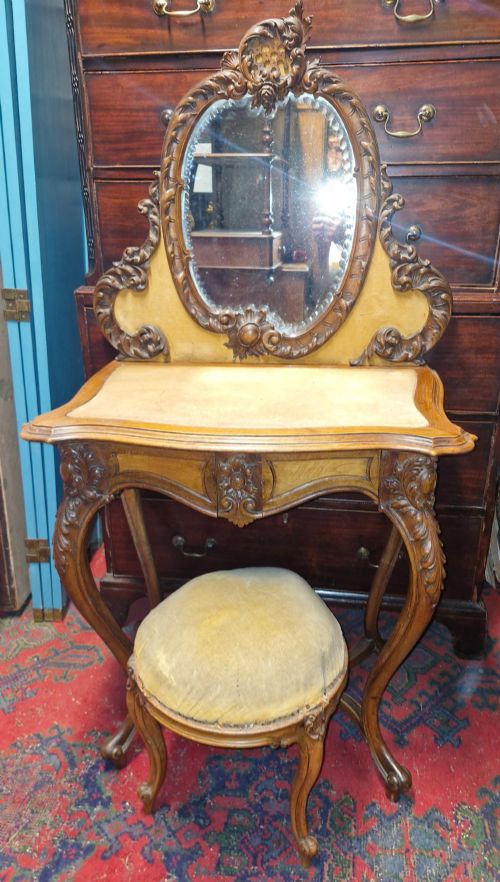
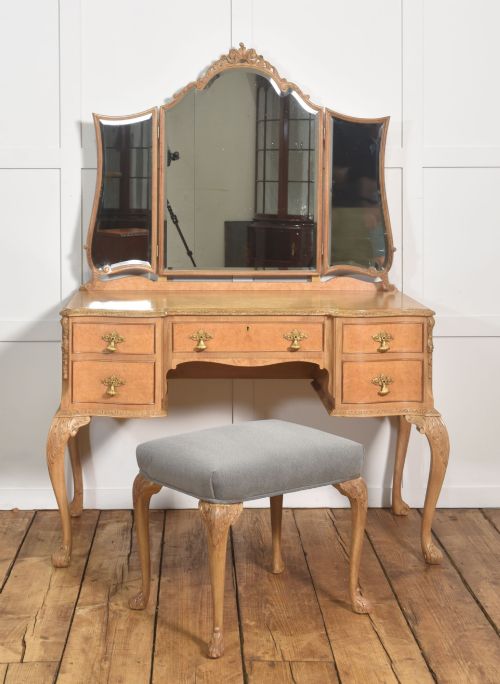
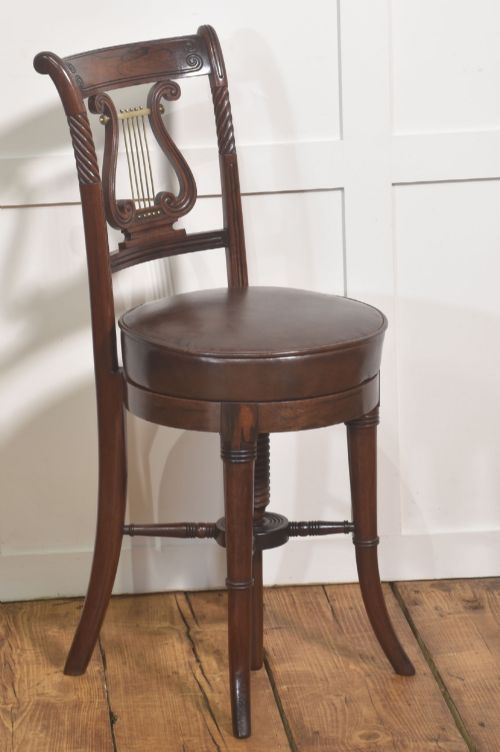
A vintage desk stool encompasses a diverse range of seating designed for offices, workshops, and dressing rooms from the nineteenth and early twentieth centuries. These pieces appear in forms such as revolving workshop seats, clerk's stools, music chairs, and dressing table stools.
The selections on this page span the Victorian era, the 1900s, 1910s, 1920s, and 1930s. Industrial models sit alongside domestic dressing room furniture linked to styles like Victorian Country, Cotswold School, and Art Deco.
Buyers seeking a vintage desk stool will encounter practical timber frames in walnut, oak, elm, beech, and pine, frequently paired with functional mechanisms or upholstered seats.
How they were made
Makers constructed these stools using robust structural timbers including walnut, oak, elm, beech, and pine, often shaped by turning or carving. Industrial examples combined these woods with heavy cast iron and brass for durability in workshops and offices.
Upholstered versions utilised materials like green leather and fabric over padded seats, whilst specialised pieces incorporated adjustable mechanisms and revolving actions for practical utility.
Vintage Desk Stool Retail Price Guide 2026
Typical asking prices for vintage desk stool among the pieces listed under this phrase on Sellingantiques today, from the lower quarter to the upper quarter. They describe what is for sale here now, not the wider market.
Listings feature periods from the 19th century up to the 1930s, utilising materials such as cast iron, brass, leather, walnut, oak, elm, fabric, pine, and beech.
What varies in quality
Quality in these pieces is dictated by the integrity of the materials, from dense turned beech and figured walnut to heavy cast iron bases. Superior examples maintain original mechanisms, such as revolving pivots and adjustable screws, in working order.
Design distinction separates standard utilitarian items from pieces attributed to specific workshops like the Cotswold School or the Rowley Gallery, where finer cabinetmaking and distinctive styling elevate the object.
Singer·Evertaut·Rowley Gallery
The Vintage Desk Stool Glossary
- Cast Iron
- A strong, heavy alloy poured into moulds to create intricate bases and machinery components. It provides industrial strength and stability for workshop stools.
- Revolving
- A design feature allowing the seat to spin on a central pivot or threaded screw. This mechanism was essential for industrial and office seating.
- Cotswold School
- An early twentieth-century design movement focusing on traditional craftsmanship and plain, honest construction using solid woods. Pieces from this tradition emphasise material quality and simple forms.
- Turned
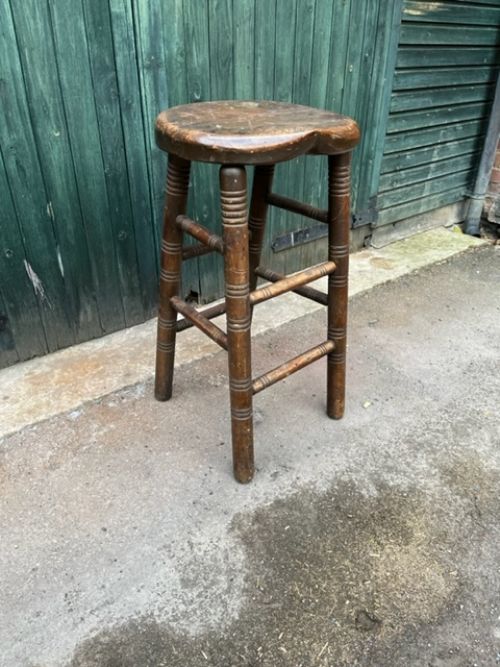
- Shaped on a lathe by rotating the wood against a cutting tool to produce symmetrical columns, legs, and stretchers. This technique defines the uprights of many nineteenth-century clerk's stools.
- Art Deco
- A twentieth-century style characterised by streamlined geometries and modern elegance. It appears in matched furniture suites from the interwar period.
Vintage Desk Stool: Frequently Asked Questions
What is a vintage desk stool?
A vintage desk stool is a period seat designed for writing desks, office work, or dressing tables. These items date from the nineteenth and early twentieth centuries.
They range from heavy industrial cast-iron workshop seats to turned wooden clerk's stools and upholstered dressing table chairs.
How were industrial stools used?
Industrial stools served workers in factories, machine shops, and offices where durability was paramount. Their robust construction and adjustable heights accommodated long hours at tall desks and workbenches.
Many featured revolving seats and cast-iron bases to withstand heavy daily use.
How do I identify a Victorian stool?
Victorian pieces often display turned wooden legs, traditional joinery, and darker timbers such as mahogany or walnut. Industrial versions from this era rely heavily on exposed cast-iron framing.
Stylistic cues may also point towards Revival aesthetics popular during the nineteenth century.
Can I use a dressing stool at a desk?
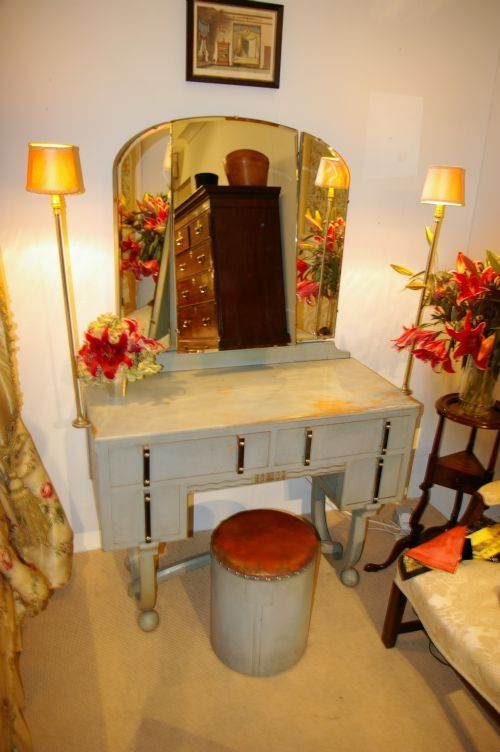
Dressing room stools function well at small writing desks if the height aligns comfortably with the worksurface. Many period examples offer padded leather or fabric seats suited for light seated tasks.
Checking the seat height against your desk ensures practical daily use.