
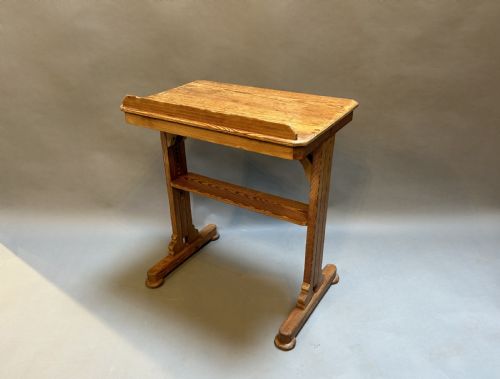


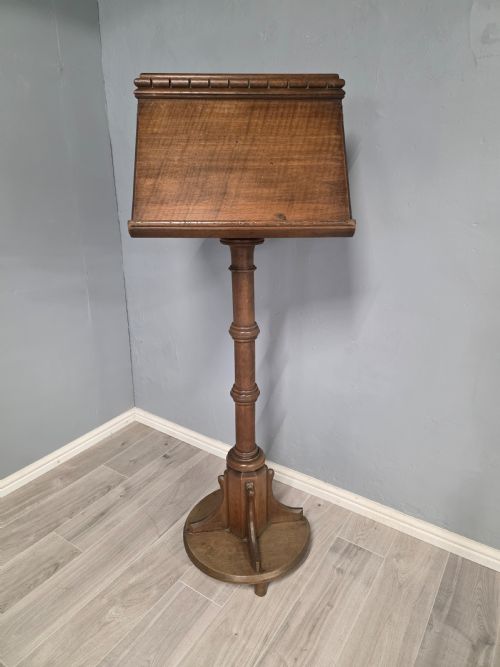
Vintage Desk Lectern
A vintage desk lectern brings an architectural slant to study or display, offering a sturdy surface designed for focused reading.
Vintage Desk Lectern
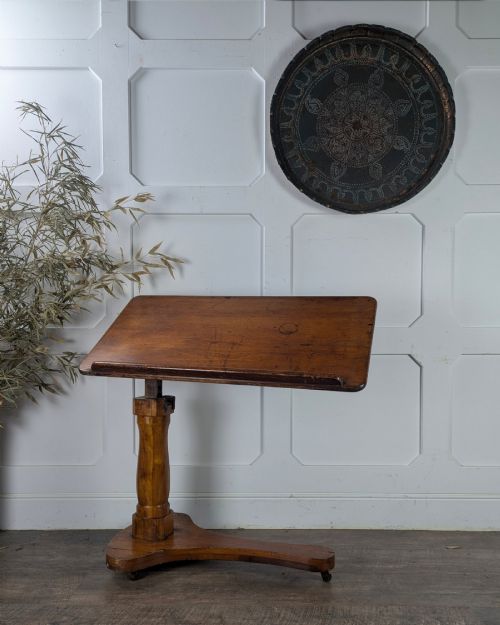
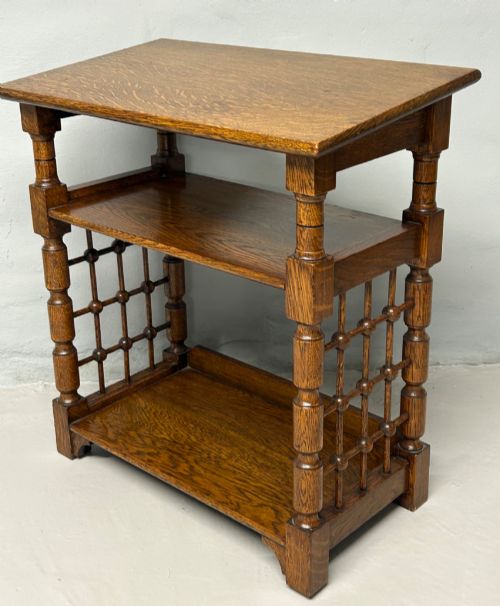
A vintage desk lectern provides an angled platform to support books, music, or manuscripts during reading and study. These pieces serve functional roles in libraries, churches, and studies, holding texts at a comfortable viewing angle. Buyers seeking a vintage desk lectern encounter items designed for practical reading support rather than simple decorative display.
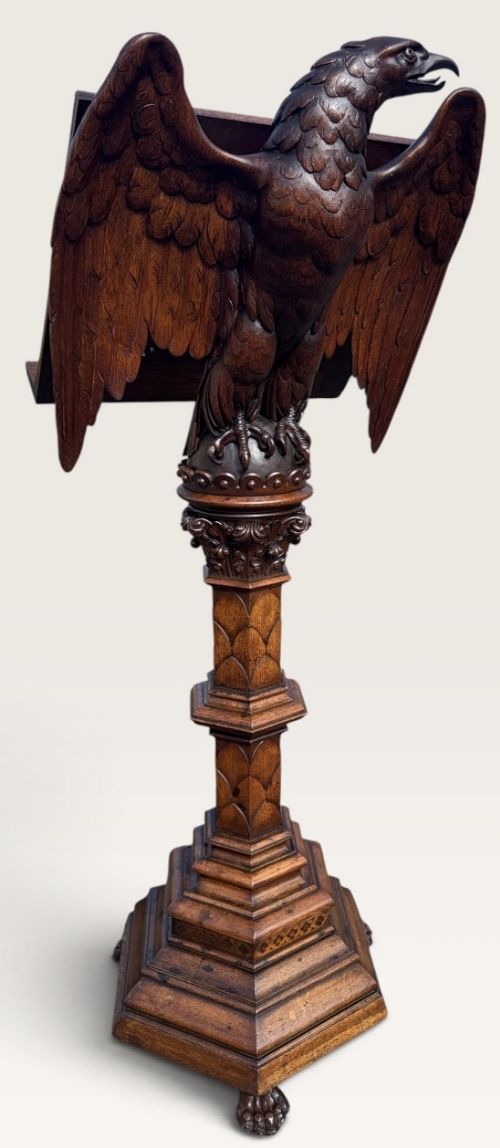
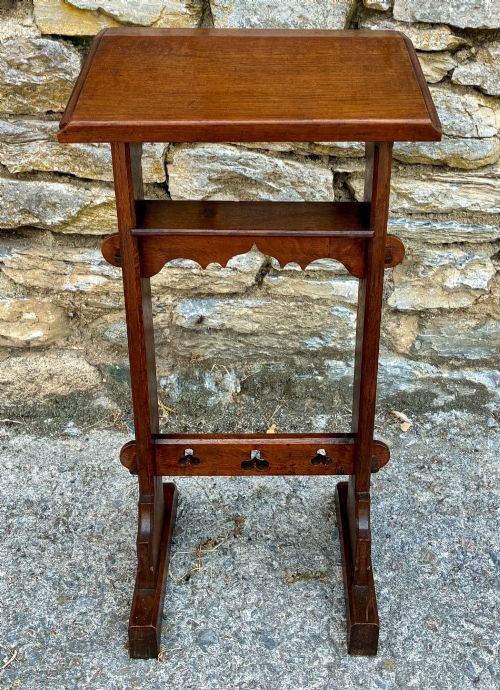
Religious and institutional roots shape many of the forms, with church book rests and ecclesiastical prayer desks appearing across the inventory. Domestic iterations also emerge, including music stands and adjustable bed tables designed for mobility. Each variation maintains the core slanted support characteristic of the group.
How they were made
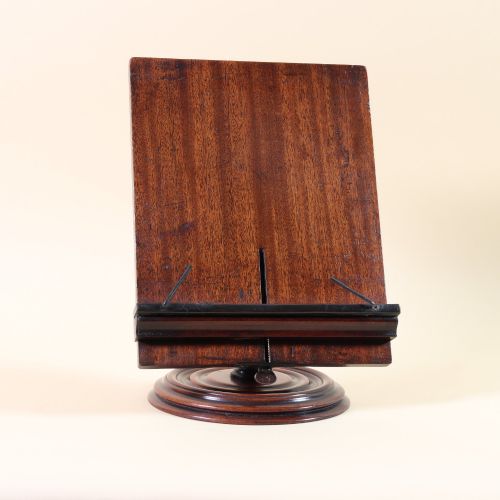
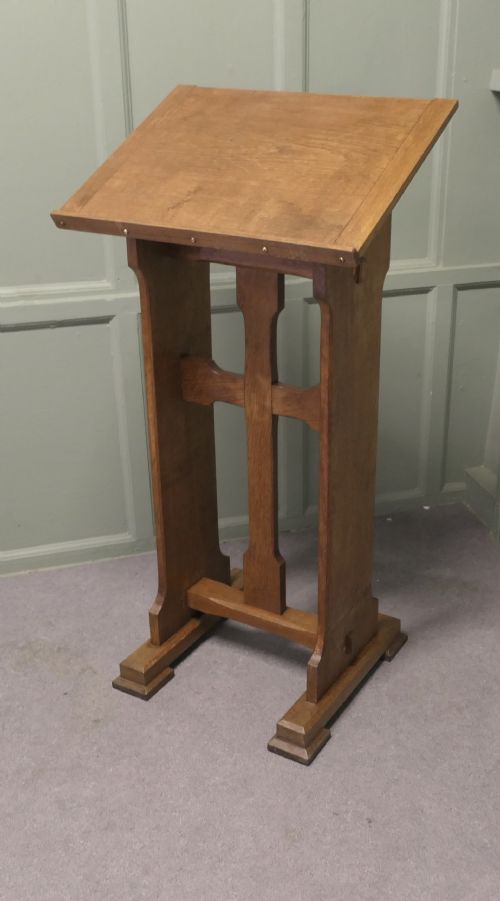
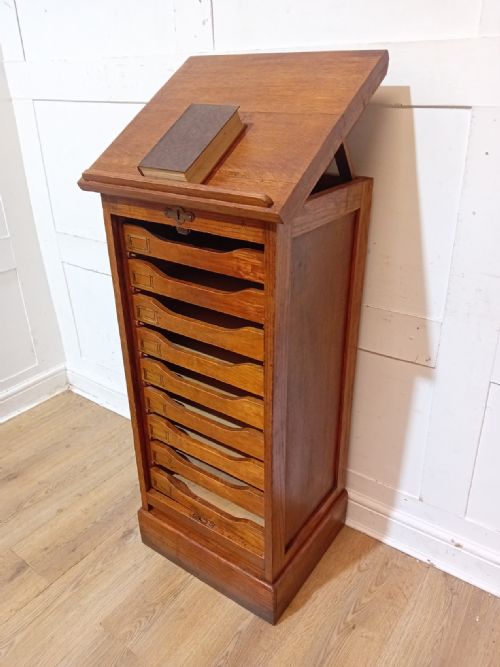
Cabinetmakers and manufacturers utilised solid hardwoods such as oak and mahogany to build the structural frames of these pieces. Pine appears in utility and church pieces, offering a lighter alternative to denser timbers. Joinery methods relied on traditional pegging and framing to withstand the daily weight of heavy volumes.
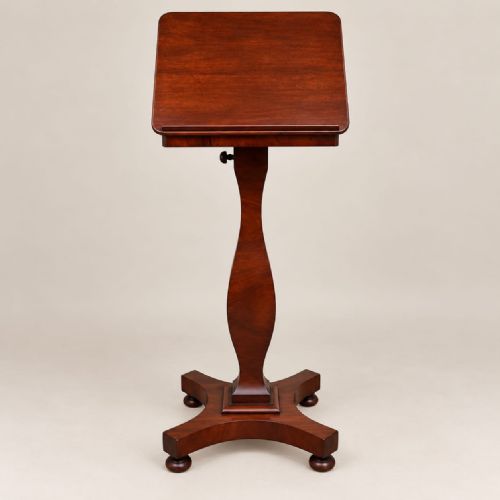
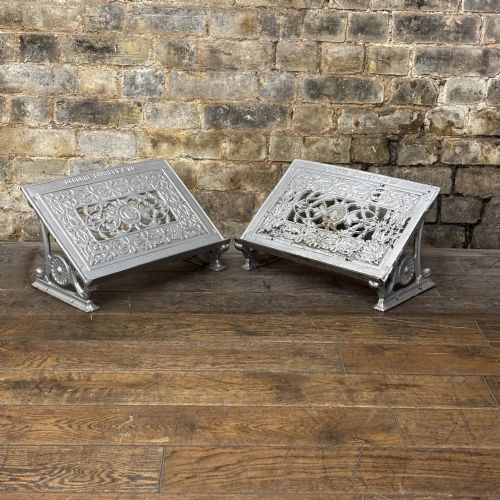
Metal components provide adjustment mechanisms, with brass and cast iron utilised for ratchets, hinges, and support columns. Brass work adds decorative contrast to mahogany reading stands, while heavy cast iron serves industrial and institutional adjustable tables. These combined materials allowed stands to tilt and raise according to the reader's needs.
Some nineteenth-century reading tables included integrated candle arms so scholars could burn the midnight oil without scorching the page.
What varies in quality
The sophistication of the mechanical adjustment mechanisms sets apart finer examples from simpler fixed designs. Smoothly operating brass ratchets and stable iron screws indicate thoughtful manufacturing and greater utility. Pieces with complex multi-position stands demonstrate superior engineering compared to basic static boards.
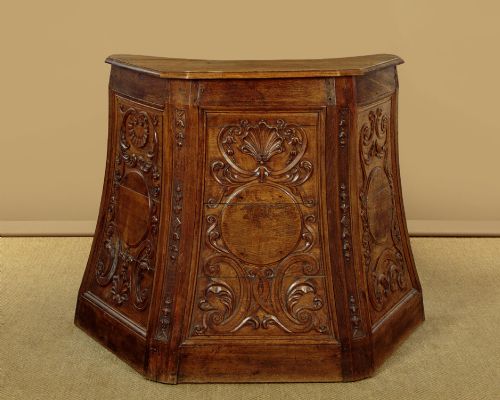
Timber selection and carving detail also divide the range, from plain utility pine to intricately carved oak and inlaid mahogany. Well-figured grain and crisp mouldings reflect the skill of the original maker, whereas utilitarian institutional pieces prioritise raw durability over ornamentation.
Osborne Garrett Co·Carters Of London
The Vintage Desk Lectern Glossary
- Lectern
- A reading desk with a slanted top designed to hold a book or speech at a height and angle for standing or seated use. These pieces often feature adjustable mechanisms or book ledges.
- Ratchet
- A mechanical device with teeth and a detent that allows linear or rotary motion in only one direction. In reading stands, this mechanism secures the adjustable angle of the desk top.
- Ecclesiastical
- Relating to the Christian Church or its clergy, often describing items sourced from chapels or churches. Such pieces include prayer desks, pulpits, and church book rests.
- Lyre-shaped
- Styled in the form of an ancient Greek U-shaped stringed instrument, commonly found on the central supports of music stands. This decorative motif appears frequently in nineteenth-century upright pieces.
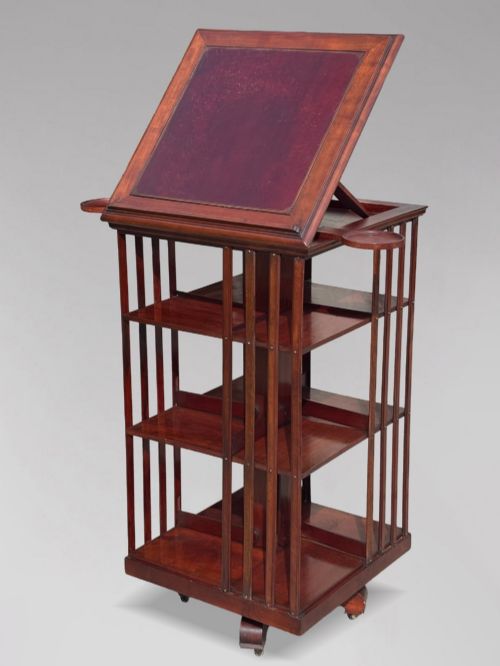
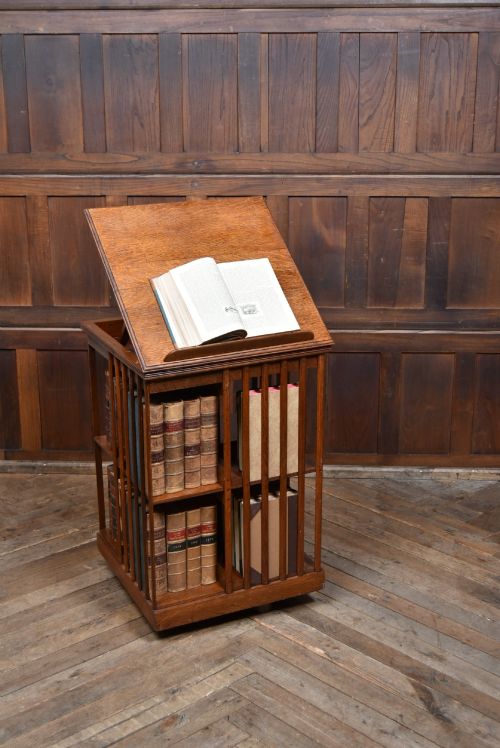
- Revolving bookcase
- A compact shelving unit mounted on a swivel base allowing access to books from multiple angles. Edwardian iterations often sit on desktop surfaces for ready reference.
Vintage Desk Lectern: Frequently Asked Questions
What is a vintage desk lectern used for?
These pieces support books, Bibles, or music sheets at an inclined angle to ease reading strain. They serve in studies, kitchens, and offices to hold working texts open.
Institutional examples often held heavy ledgers or service books, while smaller desktop versions kept reference volumes upright. Today, they function as display stands for art books or practical aids for modern reading.
How do I adjust the reading angle?
Many examples feature mechanical ratchets, brass struts, or iron hinges located beneath the book rest. Lifting the platform allows the support bar to slot into different notches.
Care should be taken with older brass and iron mechanisms to ensure the teeth align properly before lowering the weight of the desk.
Are these pieces suitable for modern desks?
Desktop book rests and small reading stands fit comfortably onto standard modern writing tables. They elevate screens, tablets, or heavy volumes to eye level.
Floor-standing or larger church lecterns require dedicated corner space due to their heavier timber footprints and permanent slant.
How do I date an oak lectern?
Dating relies on timber preparation, fastening methods, and prevailing style markers such as Gothic Revival or Arts and Crafts details. Solid oak construction with hand-cut joinery typically points to nineteenth-century or earlier craftsmanship.
Victorian and Edwardian pieces often incorporate cast iron or stamped brass adjustment hardware patented during those eras.