



Vintage Desk Book Ends
These vintage desk book ends bring character to a study, with animal figures, ships and classic motifs shaped in bronze, marble and carved wood.
Vintage Desk Book Ends
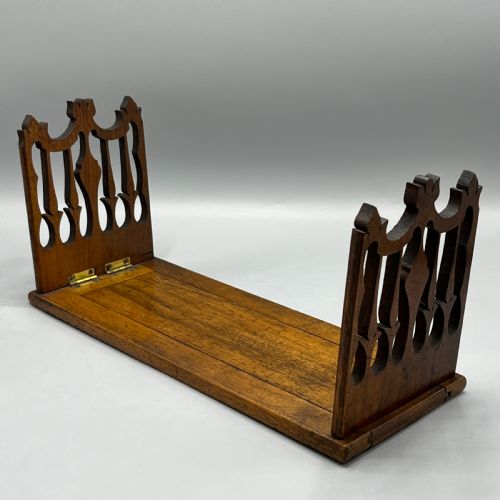
Vintage desk book ends span the nineteenth and twentieth centuries, taking the form of heavy uprights designed to support collections of volumes on desks and tables. The selection ranges from nineteenth-century extending book slides in maple and teak to twentieth-century figural pairs.
Art Deco examples from the nineteen-thirties appear frequently alongside earlier Black Forest carvings and Regency pieces. Buyers encounter various utilitarian and decorative forms, including specific desk accessories and novel rests.
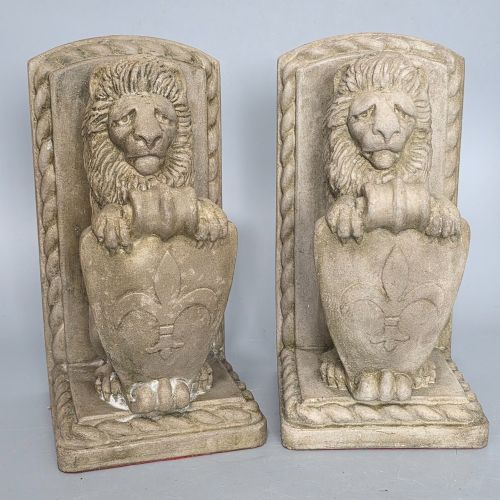
The objects serve to organise libraries while doubling as sculptural desk ornaments. Materials shift from traditional oak and bronze to cast stone and spelter depending on the decade of manufacture.
How they were made
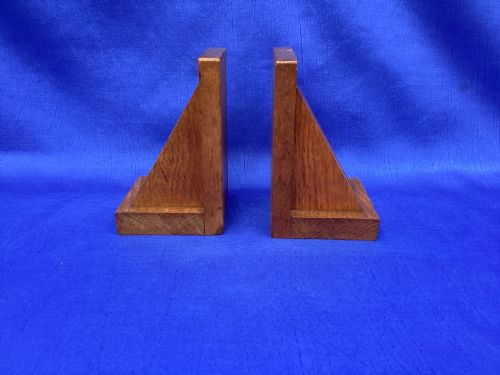
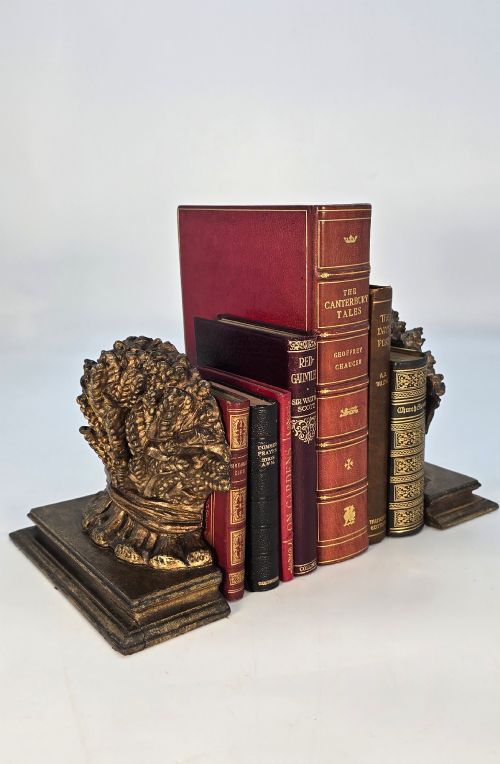
Craftsmen shaped these items from natural materials such as marble, alabaster, oak, maple, linden wood and teak using traditional carving and joinery techniques. Metal versions utilise bronze, brass, spelter and chromed metal, often cast in distinct figurative and architectural shapes.
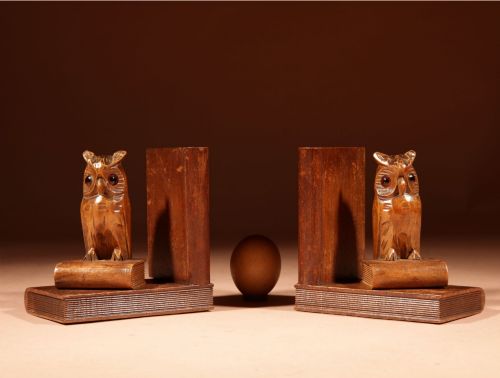
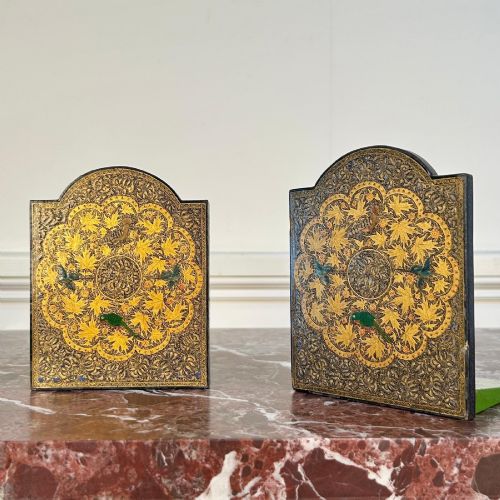
Some pieces incorporate surface treatments like cold painting on bronze or detailed hand-carving found in Black Forest and Kashmiri items. Extending mechanisms in book slides rely on wooden hinges and sliding tracks to adjust length.
Vintage Desk Book Ends Retail Price Guide 2026
Typical asking prices for vintage desk book ends among the pieces listed under this phrase on Sellingantiques today, from the lower quarter to the upper quarter. They describe what is for sale here now, not the wider market.
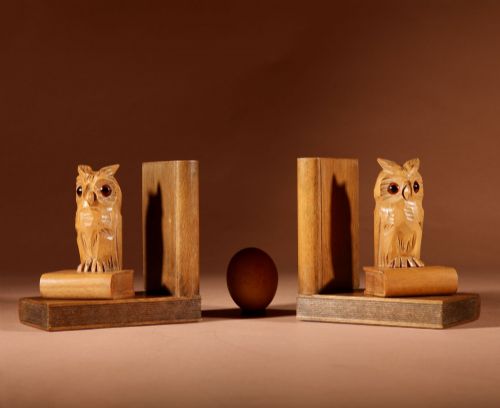
Scottish terriers and owls in the selection watch over your desk while keeping novels firmly in line.
What varies in quality
Quality rests upon the crispness of the carving or casting and the weight of the base material. Solid bronze and dense marble command attention through their heft and the precision of their detail, whereas lighter spelter or cast stone rely more on surface finish.
Design execution separates standard utilitarian items from artistic works bearing distinct maker signatures or careful proportions. The integrity of extending mechanisms in book slides also marks the standard of construction.
C Omin·Thornton Smith Co.·Herzig·Gordon Russell
The Vintage Desk Book Ends Glossary
- Book slide
- An extending desk accessory designed to hold an adjustable row of books between two upright ends. These often feature folding actions or sliding wooden platforms.
- Black Forest
- A nineteenth and early twentieth-century style of wood carving originating from central Europe. Pieces from this tradition frequently depict animals such as owls with glass eyes.
- Spelter
- A zinc alloy used as a less costly alternative to bronze for decorative metal castings. It frequently received bronze-coloured or painted finishes during the Art Deco period.
- Cold painted bronze
- A method where bronze sculptures are painted with oil-based paints without undergoing high-temperature firing. This technique produces detailed polychromatic animal figures.
- Extending book slide
- A library furnishing equipped with a mechanism to expand or contract the base platform. Victorian examples often utilise polished hardwoods like maple or teak.
Vintage Desk Book Ends: Frequently Asked Questions
How do I date vintage book ends?
Dating relies on material combinations, design styles such as Art Deco or Victorian Gothic Revival, and construction methods. Examining the base and fixings helps establish the manufacturing period.
Makers' signatures and specific production materials like spelter or chromed metal also point toward particular decades in the twentieth century.
What is an extending book slide?
An extending book slide is a desktop library accessory featuring a movable base that adjusts to fit varying quantities of books. They were common on nineteenth-century desks for keeping working volumes upright.
These slides often incorporate folding mechanisms or expanding wooden sections constructed from oak, maple or teak.
Are these book ends heavy enough for large books?
Many examples utilise dense materials like marble, alabaster, bronze and solid hardwoods to provide sufficient weight for supporting heavy volumes. Cast metal and stone pairs offer practical stability.
Lighter wooden or spelter versions suit smaller collections of novels and desk reference books rather than heavy folios.
Where should I place them?
They suit placement on office desks, library tables, mantelpieces and bookshelves where they organise books while acting as decorative objects. Their compact size fits workspace surfaces.
Pairing them with appropriate reading material enhances their appearance within a room.