




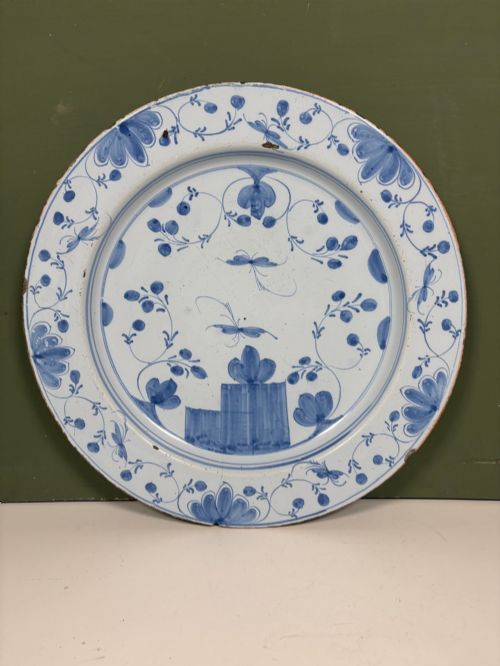


Vintage Delft Display
Vintage delft display brings together tin-glazed earthenware and sturdy oak plate racks to create the traditional look collectors seek for country interiors.
Vintage Delft Display
Vintage delft display centres on the combination of tin-glazed earthenware plates and chargers mounted within oak wall racks and plate shelves. The pieces span from the seventeenth century through the Georgian era and into the nineteenth century, reflecting long-standing European domestic traditions.
Buyers most frequently encounter large chargers and decorative plates paired with heavy oak dresser racks. These items originate from English, Dutch, and French workshops, utilising regional timber and tin glaze.
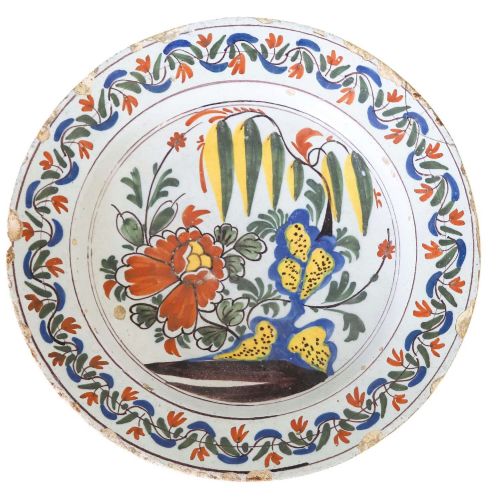
The objects serve primarily to organise and exhibit painted ceramics against timber backdrops. This arrangement showcases the cobalt blue, manganese, and polychrome palettes of early earthenware.
How these pieces were made
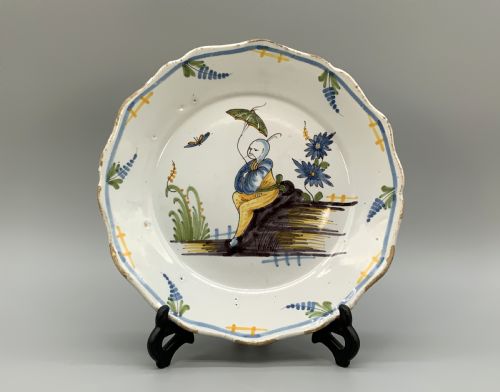
Potters shaped earthenware bodies and coated them in white tin glaze before applying cobalt oxide and other mineral pigments by hand. Firing fixed the hand-painted floral, Chinoiserie, and landscape motifs onto the surface.
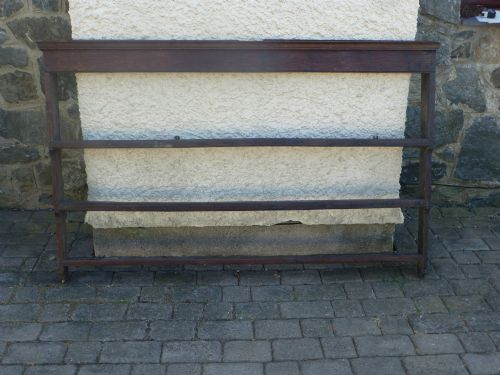
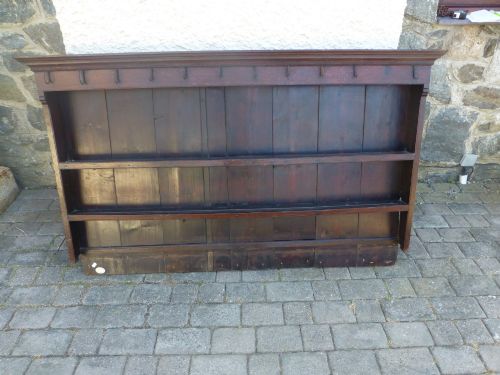
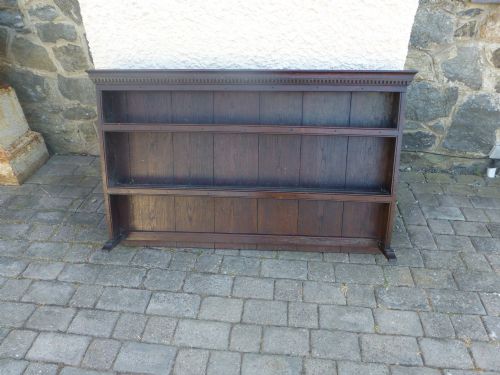
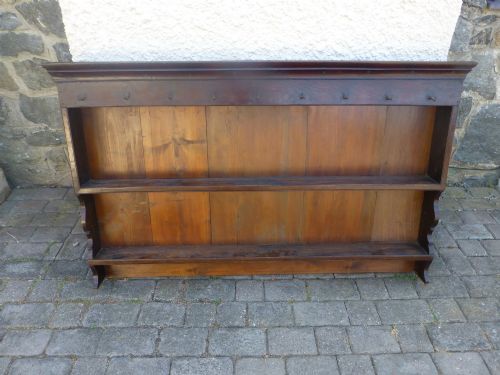
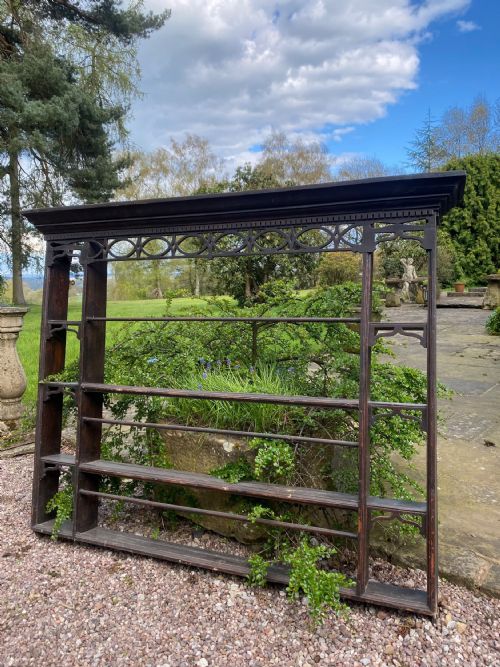
Cabinetmakers constructed the wall racks and plate shelves from solid oak, occasionally incorporating carved details or marquetry work. Iron fixtures and wall mountings supported the weight of the timber and the heavy ceramic chargers.
Vintage Delft Display Retail Price Guide 2026
Typical asking prices for vintage delft display among the pieces listed under this phrase on Sellingantiques today, from the lower quarter to the upper quarter. They describe what is for sale here now, not the wider market.
Listings feature oak, iron, and tin-glazed earthenware across periods spanning from the seventeenth century through to the Georgian era.
What varies in quality
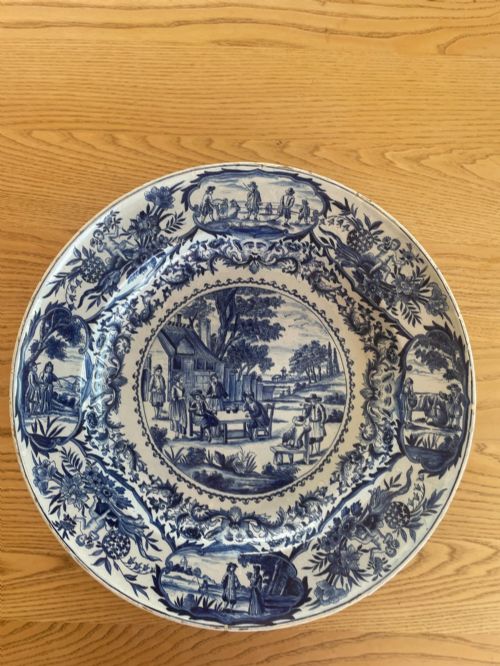
The refinement of the hand-painted decoration distinguishes standard utility wares from exceptional decorative chargers. Crisp brushwork in blue and white or lively manganese and yellow pigments elevates the visual impact of the ceramic.
The joinery and timber selection of the oak racks define their structural merit. Plain country boards contrast with pieces featuring period carving or marquetry, while the scale of large plate racks commands greater presence on a wall.
The Vintage Delft Display Glossary
- Tin-glazed earthenware
- Pottery covered with a white tin oxide glaze that provides an opaque surface for painted decoration. This technique forms the basis of all traditional delftware.
- Charger
- A large decorative plate intended for display on a wall or dresser rather than for daily dining use. These items often feature detailed pictorial scenes.
- Dresser plate rack
- A wooden wall-mounted frame designed to hold plates and chargers upright in grooves or behind rails. They are typically fashioned from solid oak.
- Grand feu
- A high-temperature firing technique used for ceramics that allows the glaze and cobalt pigments to fuse into a durable finish. This method creates a distinct glossy appearance.
- Chinoiserie
- European decorative motifs inspired by Chinese art, featuring stylized figures, landscapes, and pavilions. Painters applied these designs extensively on eighteenth-century plates and chargers.
Vintage Delft Display: Frequently Asked Questions
How do I hang a heavy oak plate rack safely?
Secure the timber frame directly into wall studs using appropriate steel screws and brackets to bear the combined weight of the wood and the ceramics.
Ensure the wall fixings match the load requirements before placing any heavy tin-glazed chargers onto the display shelves.
What is the difference between delft plates and chargers?
Chargers measure significantly larger in diameter than standard dining plates and were made primarily for visual display on walls or dressers.
Standard plates appear in smaller formats and served functional dining roles before transitioning into cabinet and wall exhibits.
How do I identify eighteenth-century delftware?
Examine the earthenware body and the hand-applied tin glaze for the characteristic minor imperfections and variations typical of early kiln firings.
Look for traditional cobalt blue, manganese, or polychrome palettes featuring floral and Chinoiserie motifs consistent with the period.
Can I mix oak racks with different ceramic periods?
Combining seventeenth and eighteenth-century oak furniture with nineteenth-century plates creates a layered, collected aesthetic typical of traditional country interiors.
Maintain balance by matching the scale of the ceramic chargers to the depth of the wooden plate grooves in the rack.