









Vintage Delft Dish
These vintage delft dish examples bring hand-painted blue and white earthenware into your home with centuries of European ceramic tradition.
Vintage Delft Dish
When you search for a vintage delft dish, you encounter decorative plates and chargers shaped from earthenware and finished with distinct tin glaze. These items span periods from the seventeenth century through the mid-twentieth century.
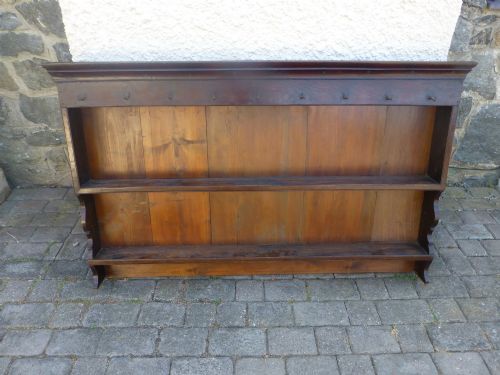
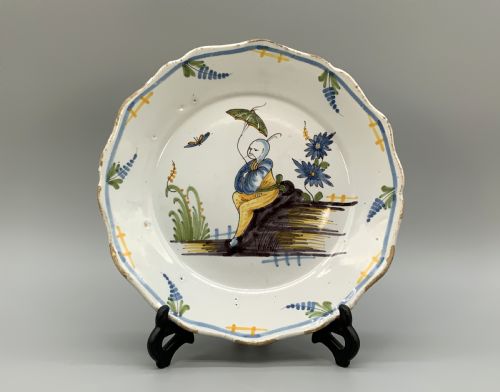
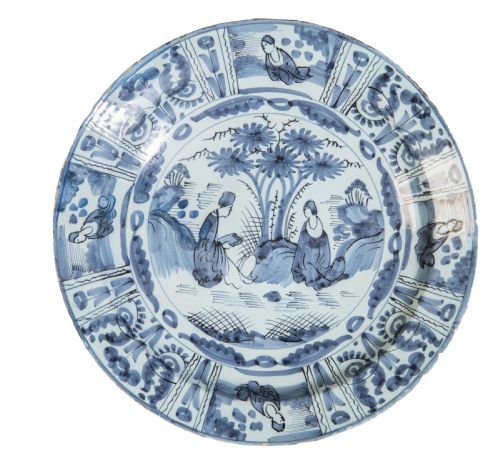
The assortment on this page includes Dutch Baroque chargers alongside English polychrome pieces and French faience. You will also find plate racks designed to display these historic bowls and dishes.
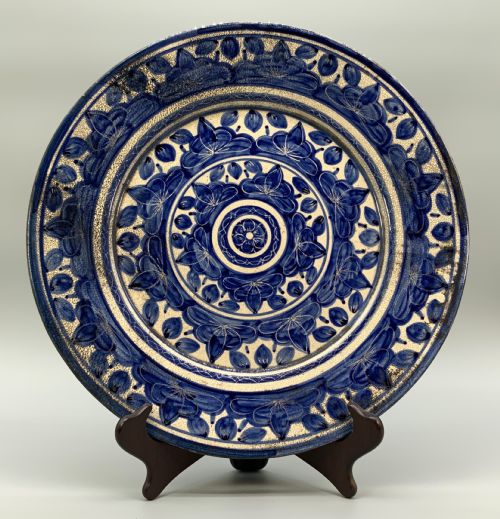
Most examples feature traditional blue and white painting, while others incorporate manganese and yellow pigments or Moorish style influences. They function primarily as decorative wall or surface pieces rather than everyday tableware.
How they were made
Potters shaped earthenware bodies before coating them in a thick tin glaze that provided an opaque white surface for painting. Artisans then applied cobalt oxide and other pigments directly onto this absorbent unfired glaze.
Makers utilised hand-painted floral decoration and Chinoiserie motifs to adorn the plates and chargers before a final kiln firing fixed the colours. Some pieces required specialised pigments such as manganese and yellow to achieve their distinct polychrome appearance.
Vintage Delft Dish Retail Price Guide 2026
Typical asking prices for vintage delft dish among the pieces listed under this phrase on Sellingantiques today, from the lower quarter to the upper quarter. They describe what is for sale here now, not the wider market.
Listings feature earthenware and ceramic pieces from the seventeenth and eighteenth centuries alongside mid-twentieth-century examples.
What varies in quality
The fineness of the hand-painted brushwork sets exceptional chargers apart from simpler plates. Artisans who maintained precise control over their cobalt pigment created sharper motifs and more balanced compositions.
The stability of the tin glaze and the depth of the earthenware body influence the character of each dish. Pieces that retain vibrant glaze surfaces and clear botanical or figurative scenes represent the upper tier of this tradition.
The Vintage Delft Dish Glossary
- Delftware
- Tin-glazed earthenware produced in the Netherlands and England, traditionally featuring white backgrounds with blue painted decoration. This ceramic tradition mimics imported Chinese porcelain.
- Charger
- A large decorative plate or dish intended for display on a sideboard or wall rather than for serving food. These items often showcase the most ambitious painting.
- Tin glaze
- An opaque white ceramic glaze containing tin oxide that creates a smooth surface for hand-painted pigments. It defined European pottery before the widespread adoption of hard-paste porcelain.
- Faience
- European tin-glazed earthenware, particularly associated with French and continental workshops. The term encompasses a range of decorative bowls and chargers.
- Chinoiserie
- European decorative motifs inspired by Chinese art and design, frequently hand-painted on eighteenth-century ceramic dishes.
Vintage Delft Dish: Frequently Asked Questions
Are vintage delft dishes safe for food use?
These historic earthenware plates and chargers are intended for decorative display rather than culinary service. Historic glazes can be delicate and unsuitable for modern dining.
Enjoy them mounted on walls or placed in traditional oak plate racks to preserve their painted surfaces.
How do I hang a delft charger safely?
Utilise specialised spring-loaded plate hangers designed to distribute weight evenly across the rim without causing pressure fractures. Ensure the wall fixing secures firmly into solid masonry or studwork.
Position the dish away from direct sunlight and areas of high temperature fluctuation to protect the tin glaze.
How can I tell seventeenth-century delft apart from later pieces?
Early pieces often exhibit distinct body weights, specific pigment variations, and characteristics typical of seventeenth-century Dutch production. Later examples from the eighteenth century frequently introduce polychrome palettes like manganese and yellow.
Compare the tin glaze opacity and brushwork style to understand the chronological placement of each item.
What is the difference between a plate and a charger?
Chargers are significantly larger in diameter than standard plates and were historically designed for ceremonial display or grand tables. They provide a broader canvas for elaborate floral or figurative painting.
Plates in this category tend to be smaller and suited for grouping in pairs or larger wall arrangements.