


Vintage Decorative Vessel
A vintage decorative vessel brings texture, colour and history to a room through forms designed to display blooms, hold liquids or stand alone.
Vintage Decorative Vessel
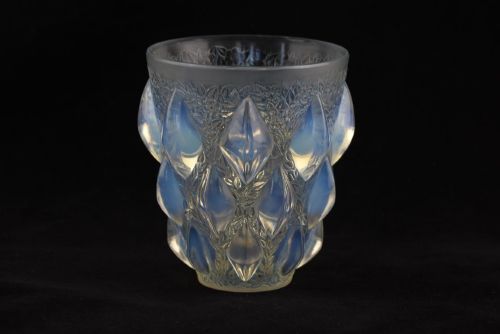
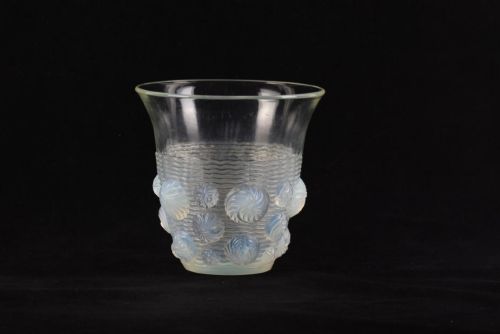
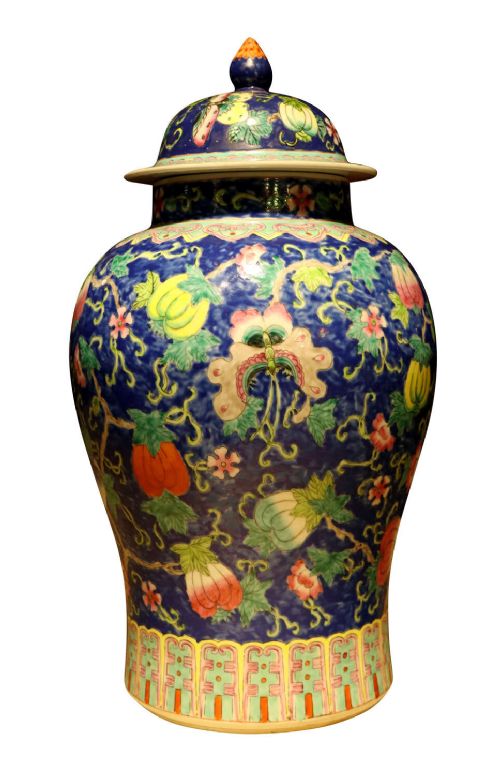
A vintage decorative vessel encompasses ginger jars, urns, jugs, beakers and bowls created across the nineteenth and twentieth centuries. These objects served functional roles in homes or acted purely as ornamental display pieces in diverse global interiors.
The selection ranges from European glass and ceramics to Asian cloisonné enamel, porcelain and metalwork. Pieces from the Arts and Crafts, Art Nouveau and Art Deco movements sit alongside traditional export wares and Victorian domestic items.
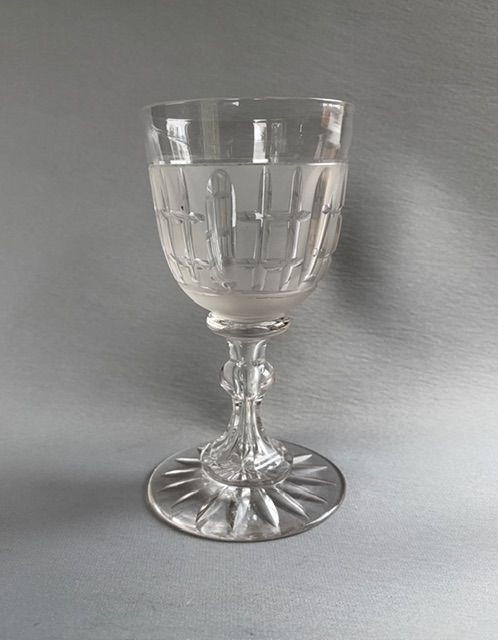
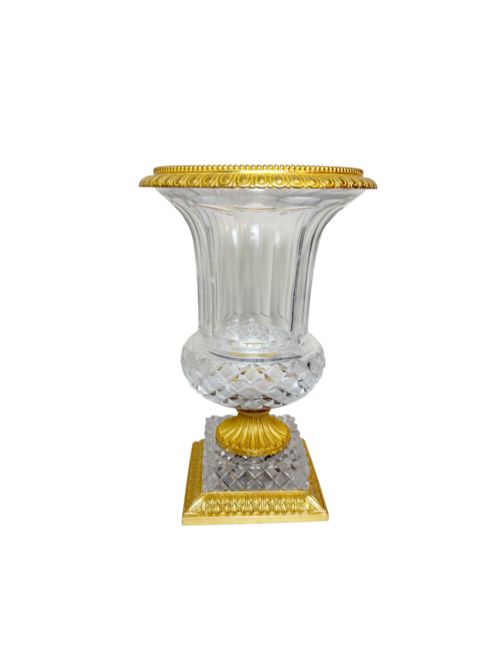
Buyers encounter everything from heavy cut crystal and delicate blown glass to robust copper tea urns and earthenware vases. Each form reflects the aesthetic priorities and material capabilities of its period of origin.
How they were made
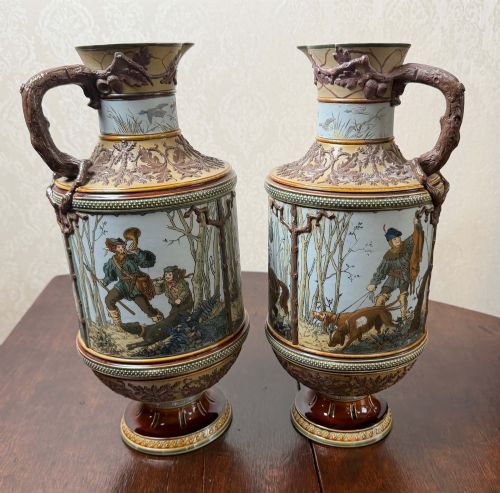
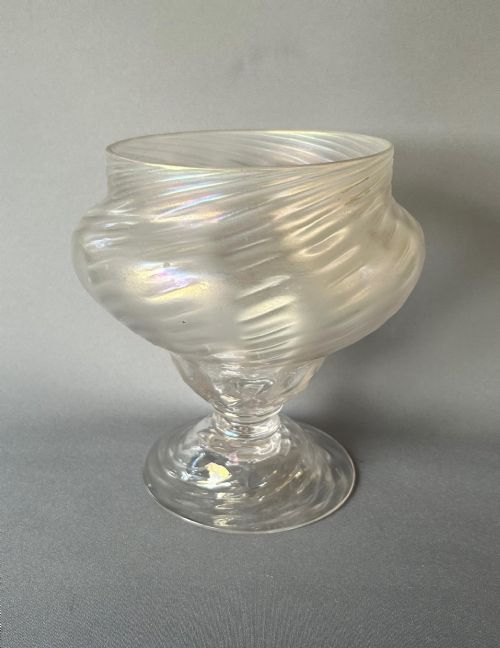
Makers shaped glass through blowing, cutting and engraving, applying metallic oxides to achieve deep blue, cranberry or iridescent finishes. Ceramics involved throwing earthenware and porcelain, followed by glazing and hand-painting or applying reactive flambé finishes.
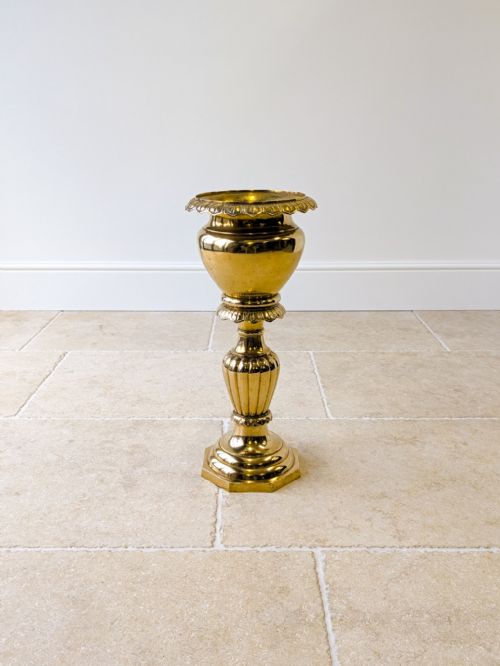
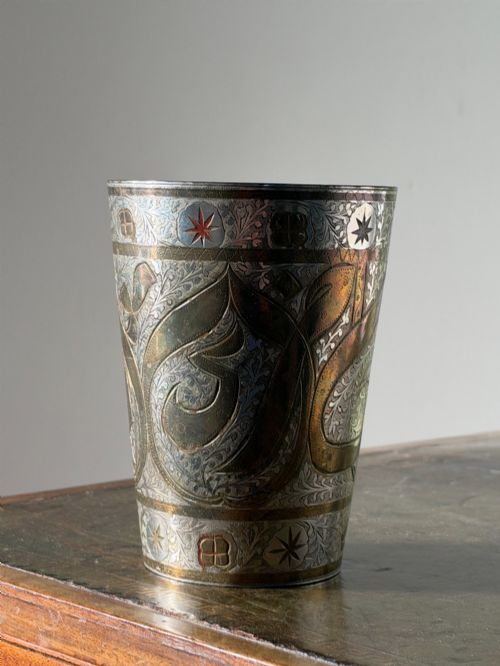
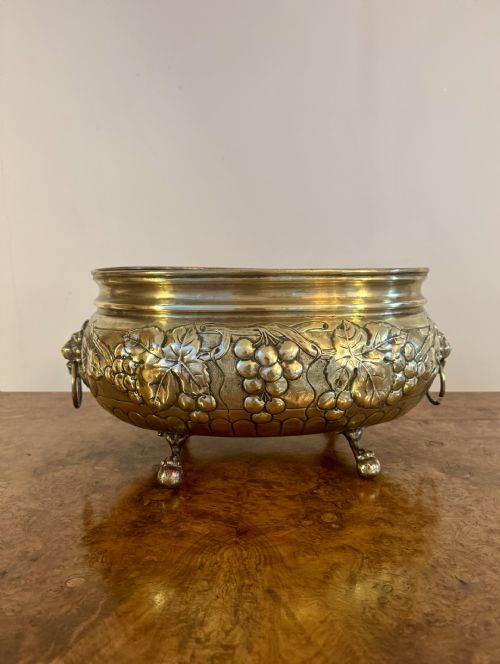
Metalwork vessels relied on casting bronze, brass and copper, or hammering white metal and silver plated surfaces with repoussé and engraved details. Cloisonné pieces required soldering fine wire cells to a metal base before filling them with coloured enamel pastes and firing.
Vintage Decorative Vessel Retail Price Guide 2026
Typical asking prices for vintage decorative vessel among the pieces listed under this phrase on Sellingantiques today, from the lower quarter to the upper quarter. They describe what is for sale here now, not the wider market.
Listings feature vessels spanning the nineteenth century through the 1930s, encompassing earthenware, porcelain, glass, cloisonné enamel, copper and bronze.
What varies in quality
The skill of the maker dictates the precision of the form, whether in the symmetry of a blown glass vase, the balance of a bronze bowl, or the crispness of engraved decoration on metal. Superior pieces demonstrate absolute control over the medium, with clean lines and purposeful weight.
Surface finish separates standard production items from exceptional works. Fine ceramics and enamel pieces display rich, even glazing and meticulous hand-painting, while quality glassware shows deep, sharp cutting and polished facets.
Moorcroft·Webb England·René Lalique·Mappin & Webb·William Soutter & Sons·Royal Worcester·Wemyss·Burmantofts
The Vintage Decorative Vessel Glossary
- Cloisonné
- Enamel work created by soldering flat metal wire onto a metal base to form partitions which are then filled with paste and fired. This technique produces intricate geometric or pictorial patterns across vases and jars.
- Repoussé
- A metalworking technique where a vessel is hammered from the reverse side to form a raised design in relief on the front. It is commonly found on copper and silver-plated items.
- Imari
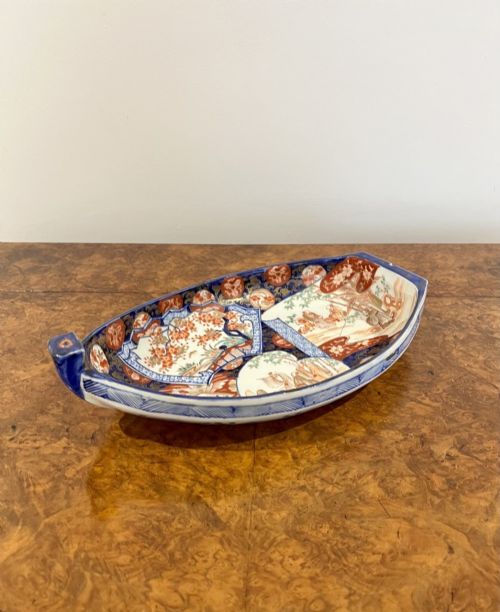
- A traditional Japanese style of porcelain decorated in underglaze blue and overglaze iron red, gold and green. These export pieces reached Western markets in substantial quantities.
- Flambé
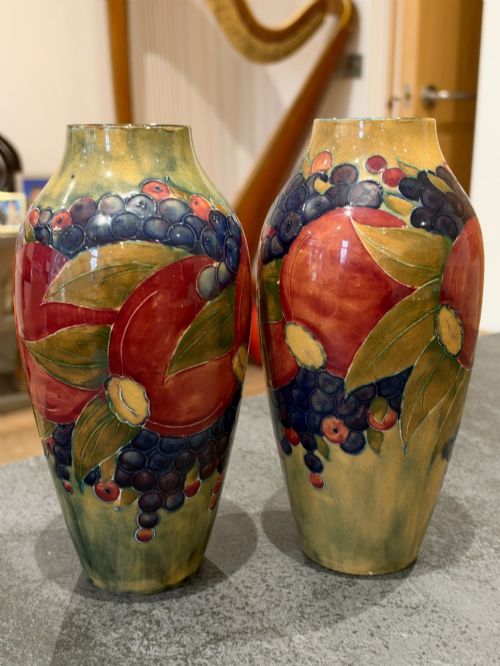
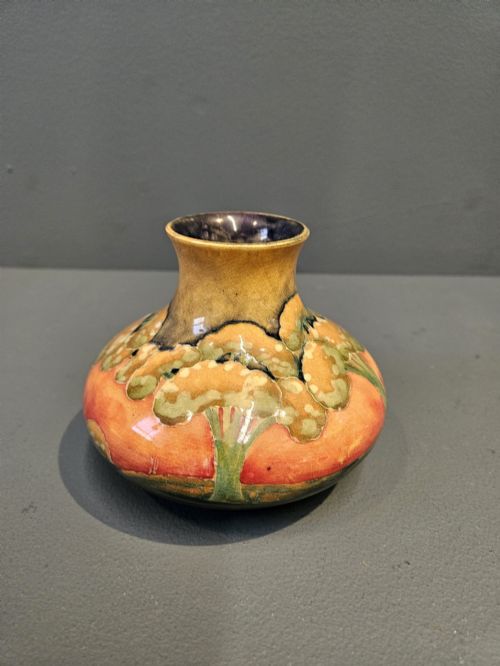
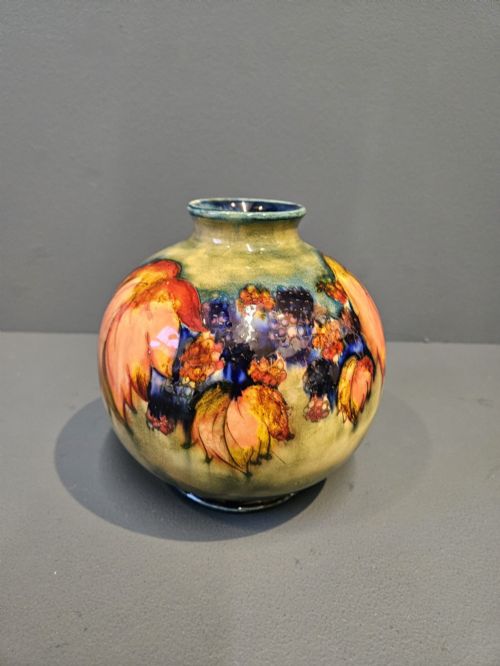
- A rich, variegated glaze achieved by firing ceramics in a reduced oxygen atmosphere, creating unpredictable streaks of crimson, purple and black. Moorcroft utilised this technique on notable art pottery.
- Baluster
- A vase form characterised by a swollen lower portion that tapers towards a narrow neck and flared rim. This silhouette appears frequently in Chinese porcelain and Japanese bronze pieces.
Vintage Decorative Vessel: Frequently Asked Questions
What is a vintage decorative vessel used for?
These pieces functioned as storage jars for ginger, pitchers for liquids, urns for display, and bowls for flowers or fruit. Many were created strictly as ornamental objects to adorn sideboards and mantelpieces.
Today, they serve the same aesthetic purposes, adding colour and period character to modern interiors either holding cut stems or standing empty as sculptural accents.
How do I care for antique glass and ceramic vessels?
Glass and ceramic benefit from gentle dusting with a soft cloth and occasional hand washing in lukewarm water with mild soap. Avoid harsh scrubbers and sudden temperature changes that can stress old materials.
Metal vessels such as copper, brass and silver plate require cleaning appropriate to their finish. Minimise abrasive polishes to preserve patinas built up over decades.
How can I tell the period of a vessel?
Dating relies on combining material evidence, maker marks, stamps and stylistic cues. Victorian and Edwardian items often feature registration numbers, retailer stamps or specific hallmarks.
Art Nouveau and Art Deco pieces display the characteristic organic curves or geometric lines of their respective decades. Comparing forms and decorative motifs with documented examples helps narrow down the era.
Are these vessels suitable for holding water?
While many ceramic, glass and metal vessels remain watertight, porous earthenwares or pieces with hairline cracks require caution. It is wise to test containers with a small amount of water before filling them for flower displays.
Inserting a small glass or plastic liner inside antique jars and vases protects fragile interiors from moisture damage and mineral deposits.