




Vintage Decorative Fabric
Vintage decorative fabric brings pattern and texture into a room, offering wall hangings, room dividers, and upholstered seating drawn from nineteenth and early twentieth-century traditions.
Vintage Decorative Fabric
Vintage decorative fabric appears across this selection in textiles used for wall hanging, tapestry tops, and room dividers. These pieces draw on styles from Art Nouveau and Arts & Crafts to Victorian and Neoclassical Revival aesthetics.
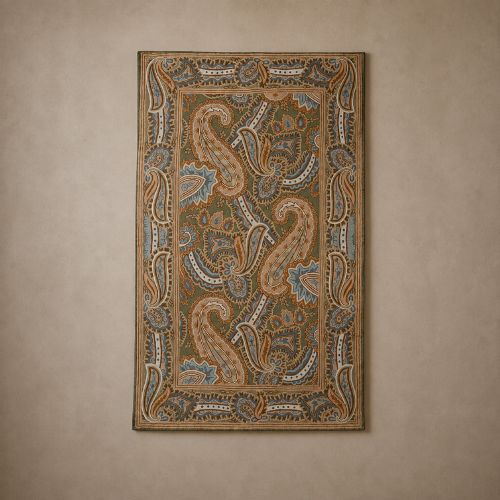
Buyers encounter items ranging from crewelwork embroidered paisley textile panels to printed blocks and tapestries. The selection includes work associated with notable firms alongside nineteenth-century domestic pieces.
How they were made
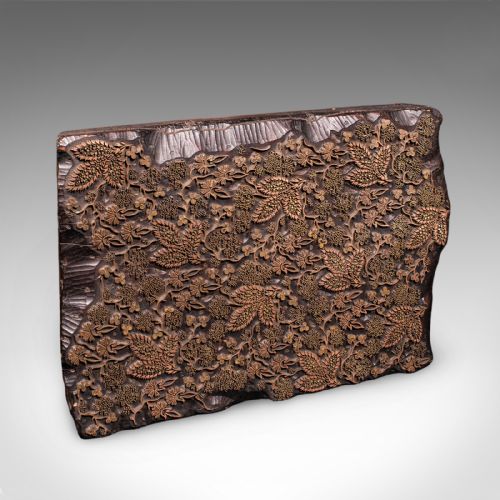
Construction relies on textiles such as linen, cotton, velvet, and thread, often paired with structural elements of wood, brass, and gilt bronze. Printing blocks utilise carved brass and wood to apply patterns.
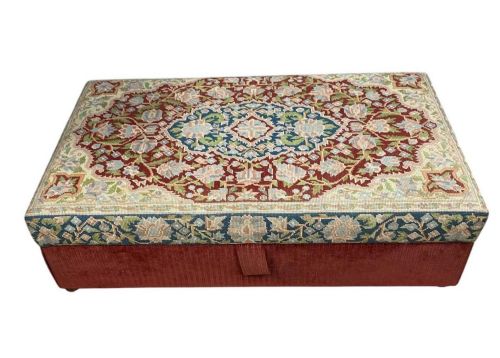
Embroidered panels demonstrate needlework techniques using coloured thread on fabric grounds, while woven tapestries incorporate complex pictorial designs mounted on board or integrated into furniture.
Vintage Decorative Fabric Retail Price Guide 2026
Typical asking prices for vintage decorative fabric among the pieces listed under this phrase on Sellingantiques today, from the lower quarter to the upper quarter. They describe what is for sale here now, not the wider market.
A nineteenth-century child's pull-along horse trots quietly among the stately room dividers and velvet furnishings.
What varies in quality
Quality shows in the fineness of the needlework and the complexity of the printed or woven design. Pieces featuring detailed crewelwork embroidery or intricate carving on printing blocks stand apart from simpler production.
The choice of supporting materials, from satinwood and giltwood to cast brass and bronze, distinguishes standard items from more ambitious decorative objects of the period.
Hampton & Sons of Pall Mall·Liberty of London·William Morris·Howard & Sons
The Vintage Decorative Fabric Glossary
- Crewelwork
- Embroidery executed with wool yarn on a fabric ground. This technique creates textured surface patterns seen in traditional wall hangings.
- Tapestry
- A form of textile art woven on a loom or executed as needlepoint. These pictorial panels are mounted on boards or used on furniture.
- Printing block
- A carved stamp of wood or brass used to apply patterns to textiles and wallpaper. They demonstrate the mechanical processes of nineteenth-century production.
- Art Nouveau
- A style characterised by flowing, organic lines and natural motifs. It appears across various decorative objects from the Victorian era onward.
Vintage Decorative Fabric: Frequently Asked Questions
How do I hang a textile panel?
Textile panels and wall hangings require careful mounting to distribute weight evenly across the fabric without causing distortion. Using a padded batten or a concealed sleeve allows the piece to hang flat against the wall.
Protecting vintage textiles from direct sunlight prevents fading in delicate linen, cotton, and thread components.
What is a fabric printing block?
Fabric printing blocks are carved wooden or brass stamps used in workshops to apply repeated patterns to textiles and wallpaper. They record the mechanical methods of nineteenth-century design.
Collectors prize these carved objects both as historic studio tools and as decorative sculptural items in their own right.
How do I identify Art Nouveau pieces?
Art Nouveau items feature characteristic undulating lines, floral motifs, and asymmetrical plant forms inspired by nature. This style emerged in the late nineteenth century across lighting, fabric, and decorative arts.
Examining the motifs on metalwork and printed textiles helps distinguish this aesthetic from earlier Victorian or later modernist work.
Where did room dividers originate?
Folding room screens and dividers served practical purposes in historic interiors by creating private spaces or blocking draughts. They often incorporated decorative fabrics, painted panels, or carved woodwork.
Placing a screen in a contemporary room introduces height, texture, and period pattern without altering the architecture.