


Vintage Daybed
A vintage daybed offers a practical seat by day and a proper bed by night, spanning periods from Regency to the 1920s.
Vintage Daybed
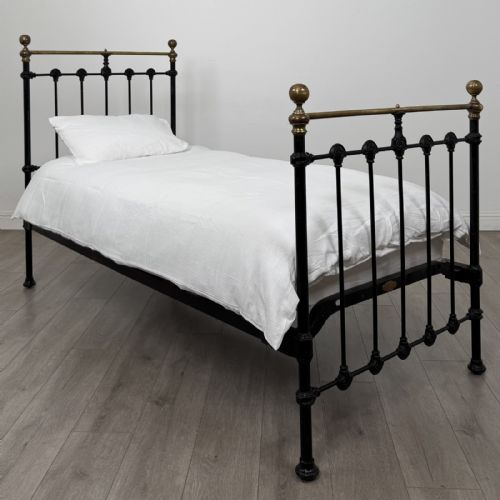
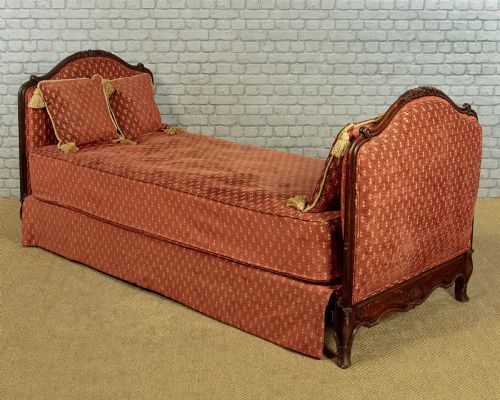
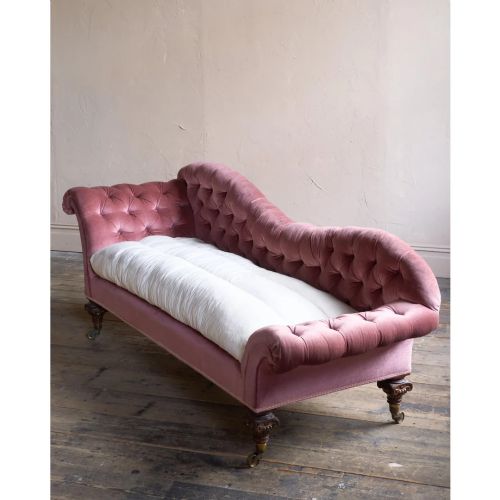
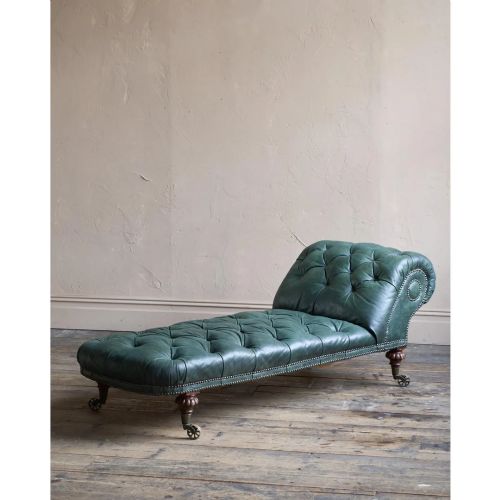
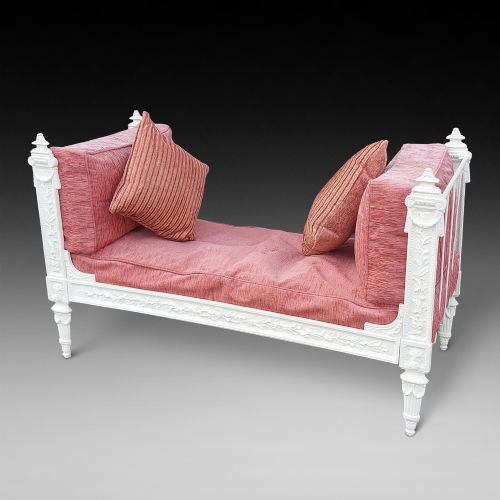
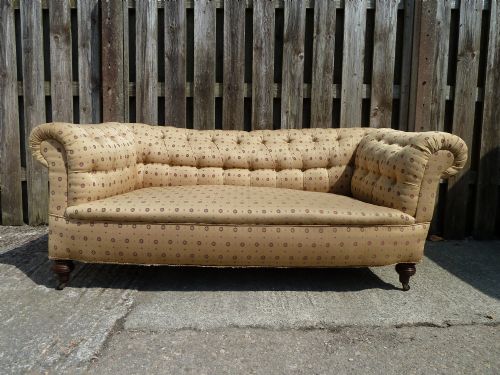
A vintage daybed combines the function of a sofa and a bed, often appearing as a chaise longue, couch, or single bed frame. You will frequently encounter nineteenth-century iron, brass, and mahogany examples alongside early twentieth-century wooden and upholstered variants.
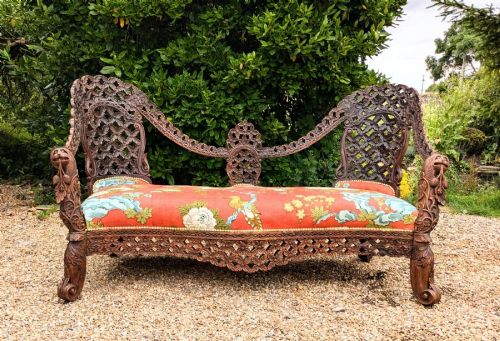
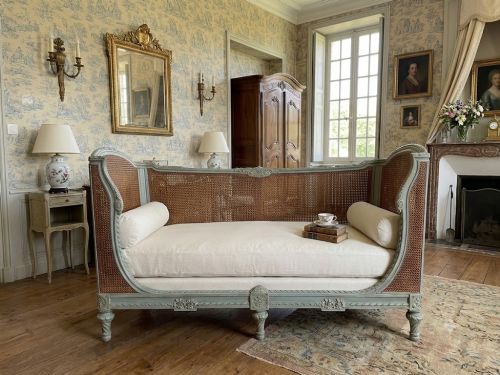
The selections range from French caned designs and Anglo-Indian hardwood pieces to robust Victorian cast iron frames. These items served different domestic roles, from parlour seating and bedroom lounging to campaign use and garden rest.
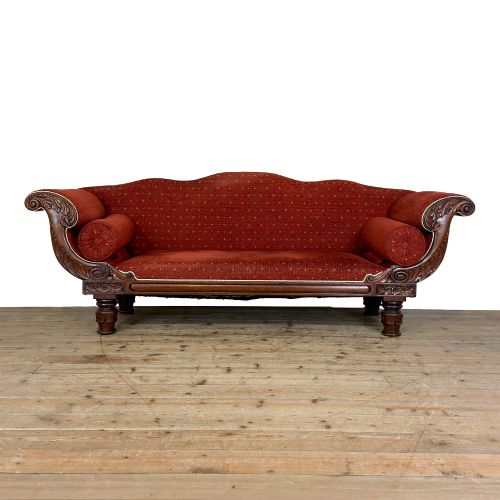
Makers and regional styles introduce distinct character, with French country, Regency, and colonial campaign aesthetics shaping the forms. Buyers encounter everything from grand carved rosewood scroll-end sofas to simple folding oak frames and wicker reclining chairs.
How they were made
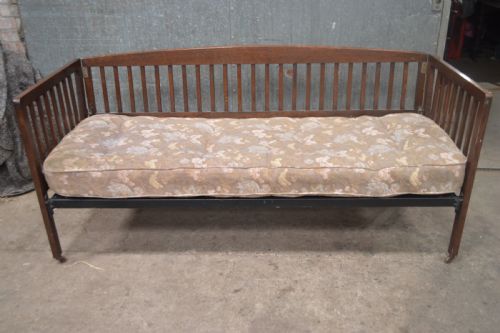
Makers utilised solid timbers such as mahogany, walnut, rosewood, and oak for structural frames, frequently employing intricate hand-carving and ebonising. Caned panels using woven cane and bergère techniques provide light, flexible support for seats and backs.
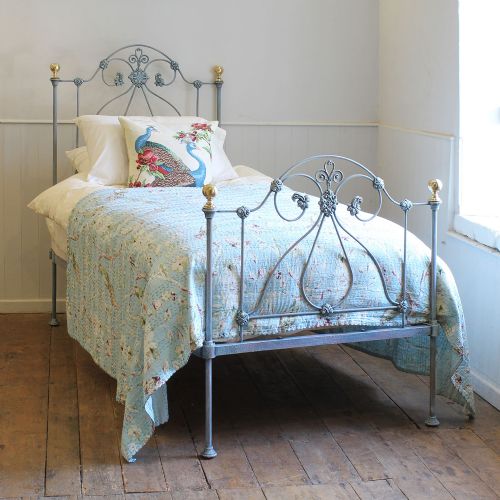
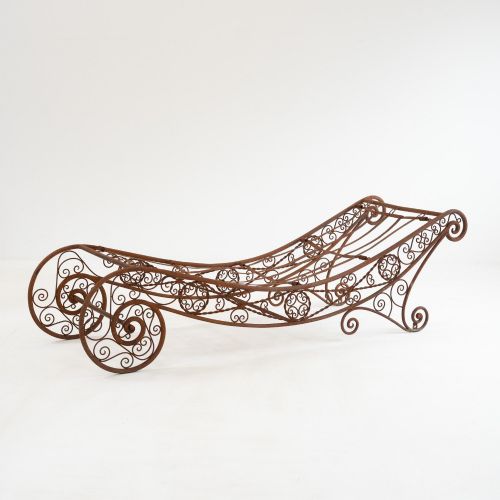
Metalwork played a major structural role, combining brass and iron components with cast iron frames, verdigris finishes, and wrought iron scrollwork. Upholstered versions relied on traditional padding and textile coverings including velvet, leather, and blue fabrics.
Vintage Daybed Retail Price Guide 2026
Typical asking prices for vintage daybed among the pieces listed under this phrase on Sellingantiques today, from the lower quarter to the upper quarter. They describe what is for sale here now, not the wider market.
Materials recorded across the selection include brass, mahogany, wrought iron, cast iron, cane, and velvet.
What varies in quality
The integrity of the original frame and joinery dictates the structural grade, distinguishing robust hardwood and cast iron structures from more fragile builds. Hand-carved detailing on mahogany and rosewood reflects the labour and skill invested by the maker.
The preservation of original elements, such as turned legs, castors, caning, and metal finishes, separates exceptional examples from heavily altered pieces. Superior upholstery materials and refined decorative flourishes like gilt decoration elevate specific items within the range.
Howard & Sons·Angraves of Leicester·R W Winfield
The Vintage Daybed Glossary
- Bergere
- A French upholstered armchair or sofa with an enclosed wooden frame and cane panels. The cane work provides breathable flexibility to the back and sides.
- Chaise longue
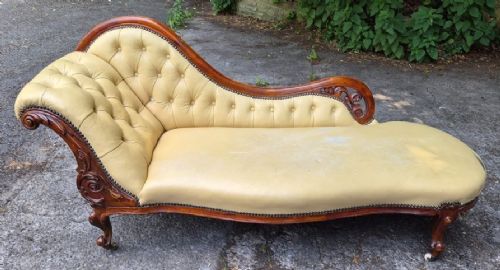
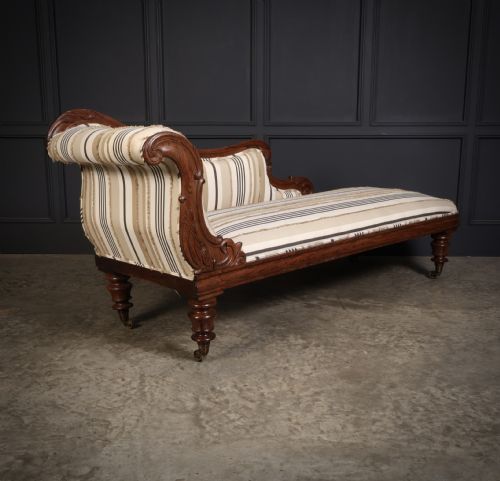
- An upholstered sofa shaped like a chair with a long seat for reclining. Nineteenth-century examples often feature scroll ends or ionic column legs.
- Canapé
- A decorative French sofa style. Versions include painted cane frames and carved wooden structures intended for formal rooms.
- Campaign style
- Portable furniture designed for travel and military use. These pieces often feature folding mechanisms and sturdy dismantling frames.
- Verdigris
- A green patina that forms naturally on copper, brass, or bronze surfaces over time. It provides a distinct aged coloration to metal bed frames.
Vintage Daybed: Frequently Asked Questions
How do I use a daybed in a modern room?
A vintage daybed functions as a comfortable seating option during the day against a wall or in a large hallway. By adding cushions, it transforms into an auxiliary sleeping space for guests.
Positioning the piece where natural light highlights the wood grain or metalwork enhances its visual impact. Smaller wooden or iron variants fit well in studies or dressing rooms without overwhelming the floor plan.
How do I date a nineteenth-century daybed?
Dating relies on examining the stylistic markers, timber types, and construction methods characteristic of specific decades. Regency and William IV pieces often display heavy carved mahogany and scroll ends, whereas late Victorian items introduce cast iron and brass.
Hardware such as original castors, fixing bolts, and finishing techniques like ebonising or gilt decoration provide further clues to the manufacturing period.
Are these daybeds comfortable for sleeping?
Many historical daybeds accommodate standard single mattress sizes or custom squabs, making them suitable for regular rest. Slatted bases and spring systems provide the necessary support underneath the upholstery.
Comfort depends on the mattress condition and the interior depth of the frame, particularly on older iron and wooden structures designed primarily for lounging.