


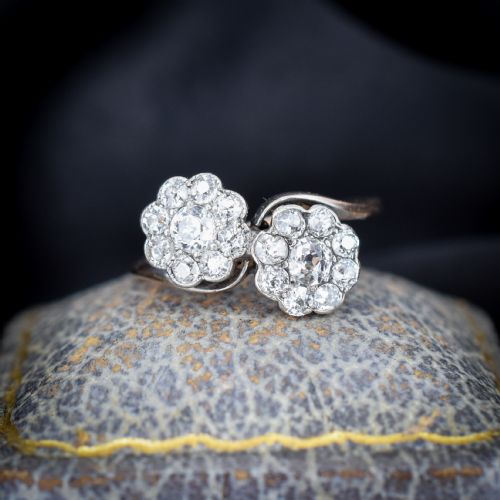

Vintage Daisy Ring
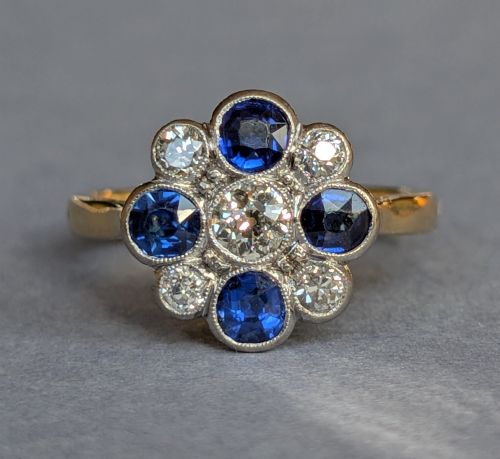
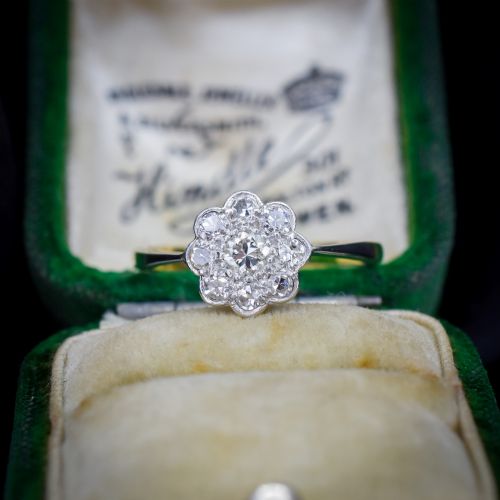
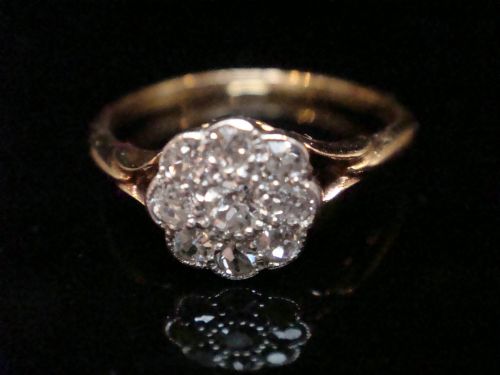
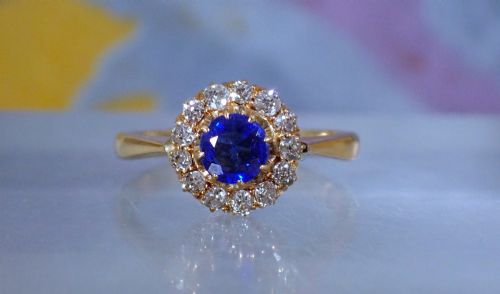
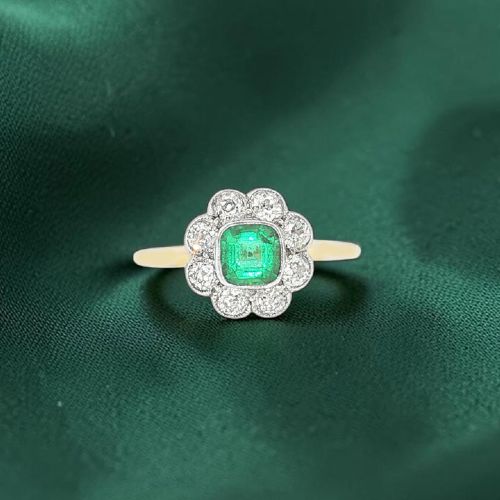
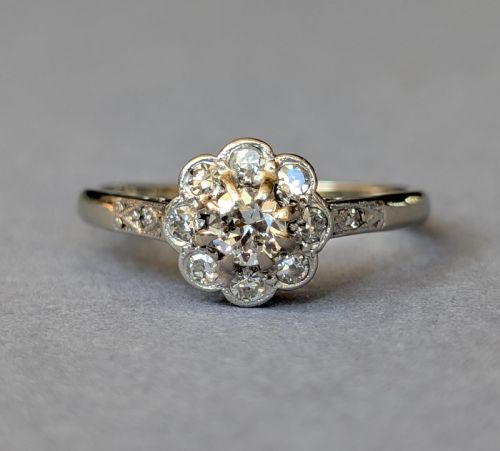
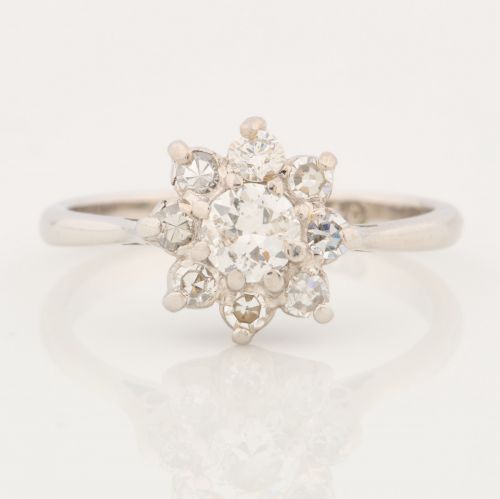
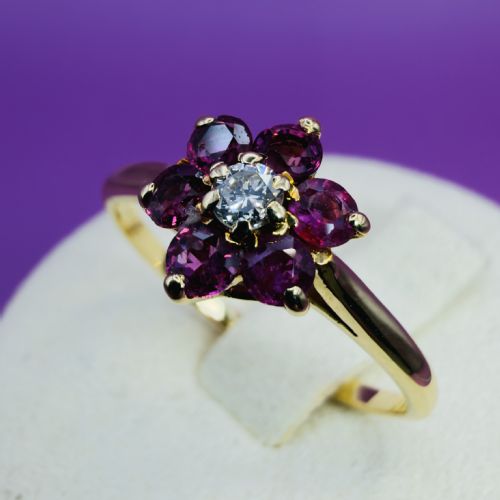
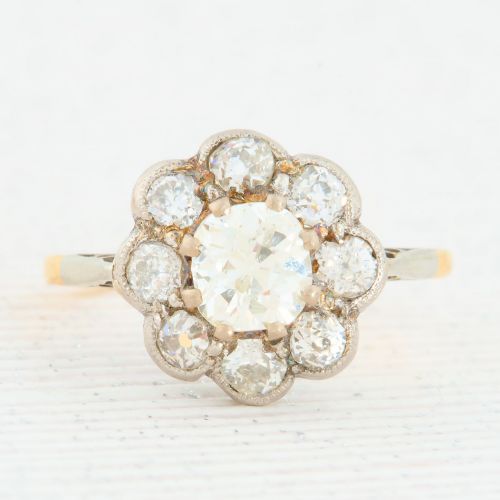
A vintage daisy ring brings together a central stone encircled by smaller gems, mimicking a flower head with lasting charm.
Vintage Daisy Ring
Makers fashioned these pieces during the Victorian, Edwardian, Art Deco, and mid-century periods using various gold purities and platinum.
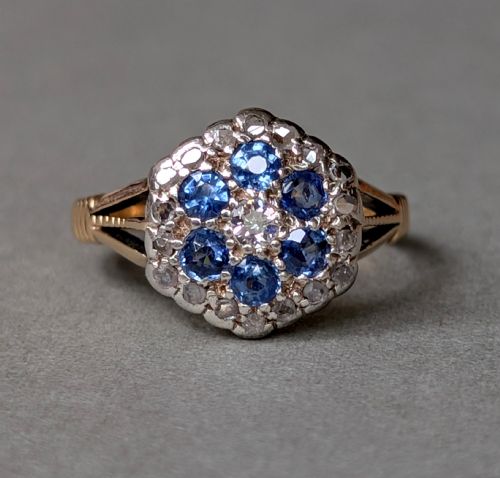
The layout typically places a diamond, sapphire, ruby, emerald, pearl, or opal at the focal point, framed by glittering diamond petals.
How they were made
Goldsmiths combined 18ct yellow gold, 18ct white gold, and platinum settings, often mounting platinum heads over gold shanks to showcase white diamonds.
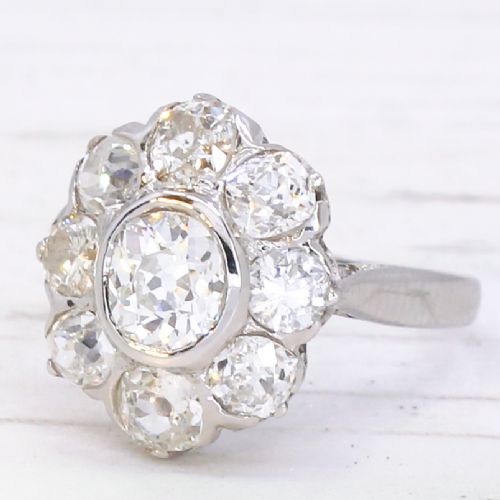
Old cut diamonds, including mine and European cuts, appear frequently in the earlier Edwardian and Art Deco examples, shaped by hand before modern machinery.
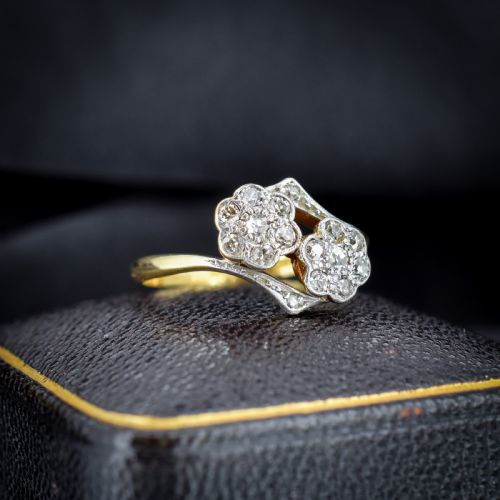
Prong, claw, and bezel settings secure the central stones and outer cluster elements, joined occasionally by twist or double-twist band designs.
What varies in quality
The calibre of the central stone and the matching uniformity of the surrounding cluster stones dictate the overall standard of the ring.
Hand-finishing details, such as delicate millegrain edges and pierced gallery work under the setting, separate standard production from finer workmanship.
The choice of platinum combined with high-carat gold foundations indicates a sturdier build designed to protect delicate claw work over decades of wear.
The Vintage Daisy Ring Glossary
- Cluster ring
- A ring design featuring a central stone surrounded by a ring of smaller gems.
- Old cut
- A diamond cut style characterised by a small table, high crown, and large culet, typical of antique and Edwardian jewellery.
- Millegrain
- A decorative technique involving a row of tiny raised metal beads along the edges of a setting.
- Toi et Moi
- A French term meaning you and me, describing a ring featuring two main side-by-side stones.
- Platinum
- A dense, strong, silvery-white metal frequently used in Edwardian and Art Deco settings to securely hold diamonds.
Vintage Daisy Ring: Frequently Asked Questions
Are vintage daisy rings good for daily wear?
Most rings from these periods withstand regular daily use provided the settings receive routine checks by a jeweller. Platinum and high-carat gold offer durable foundations for daily life.
However, softer gems like pearls or opals require extra care to avoid scratches and moisture damage during routine activities.
How do I identify an Edwardian daisy ring?
Edwardian examples often pair platinum top settings with yellow gold bands, showcasing delicate openwork galleries and millegrain detailing. The diamond cuts typically display old European or old mine facets.
Art Deco variations tend to feature sharper geometric lines, whereas Victorian pieces present heavier gold work around the central cluster.
What stones are common in antique cluster rings?
Diamonds form the most frequent centre and petal stones, though sapphires, rubies, and emeralds appear regularly as vibrant focal points. Pearls and opals also feature in specific Victorian and Edwardian pieces.
The surrounding cluster almost exclusively consists of small diamonds to reflect light and highlight the central coloured gem.