


Vintage Cut Crystal
Vintage cut crystal brings heavy refraction and sharp wheel-cut geometry to tables and ceilings, spanning Georgian decanters and Edwardian chandeliers.
Vintage Cut Crystal
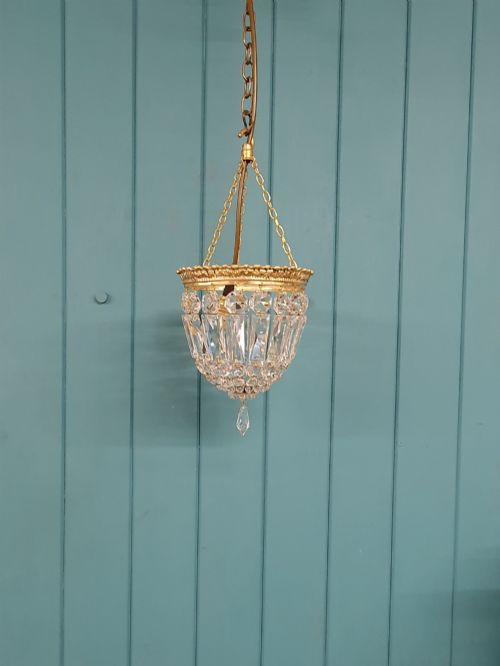
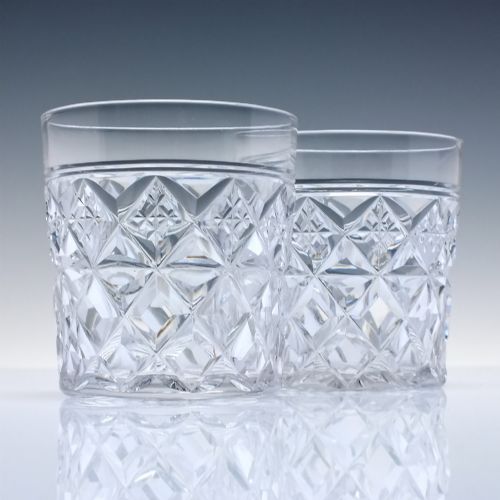
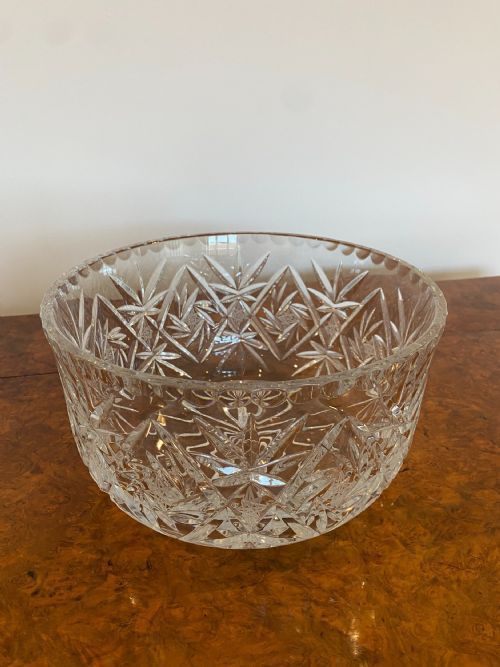
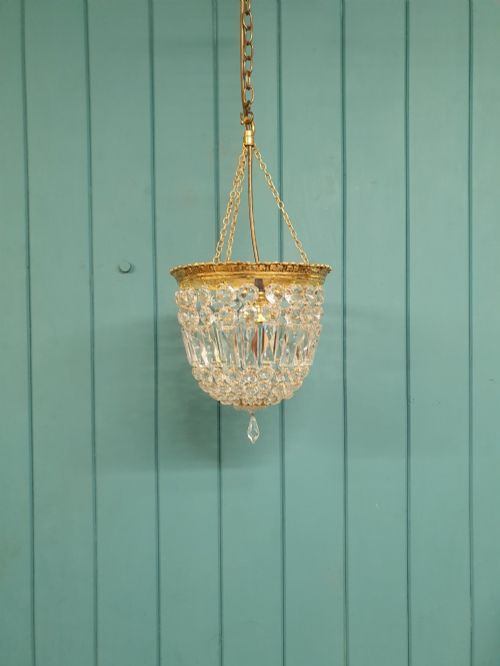
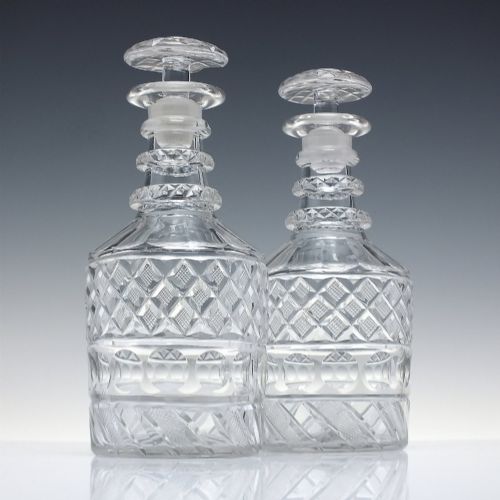
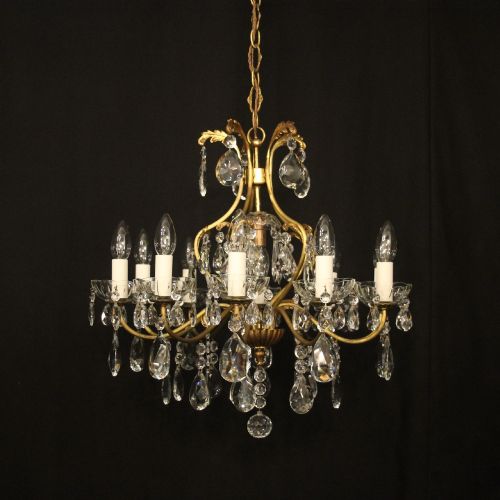
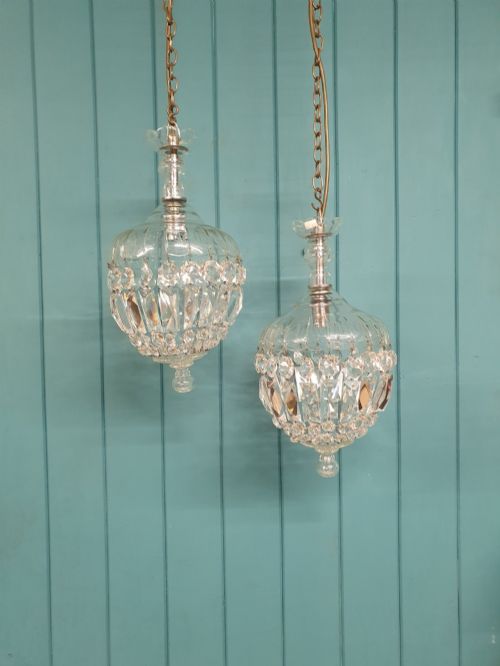
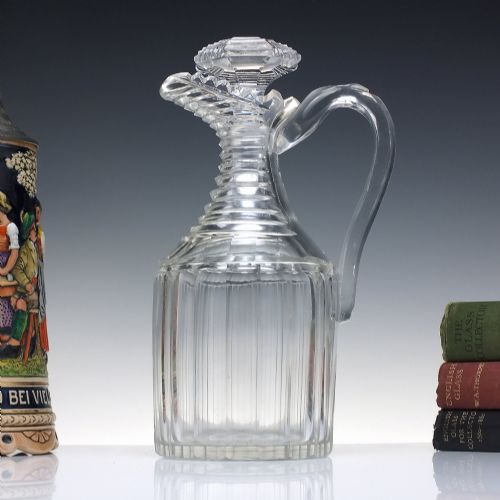
Vintage cut crystal encompasses drinking vessels, large table centerpieces, decorative urns, and multi-light chandeliers shaped from heavy glass and lead crystal. When you examine vintage cut crystal, you encounter everything from early nineteenth-century Georgian claret jugs to 1930s Art Deco bowls and French bag chandeliers.
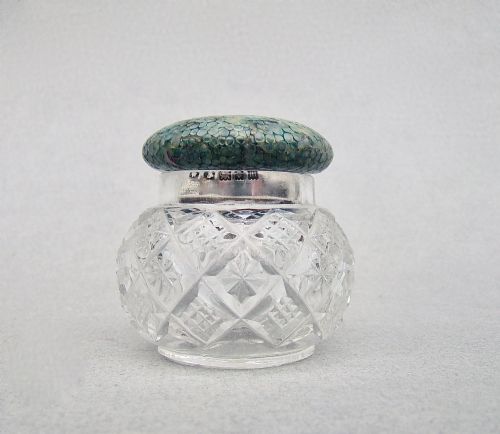
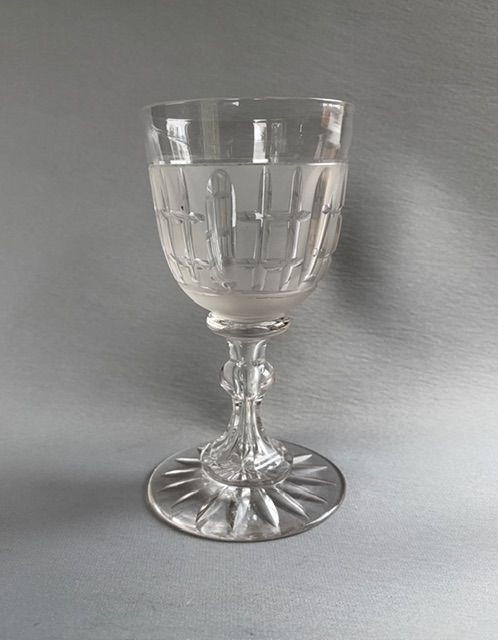
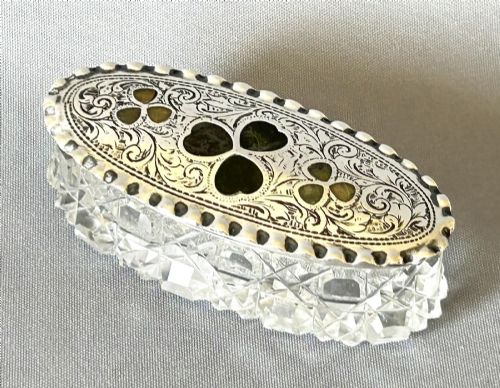
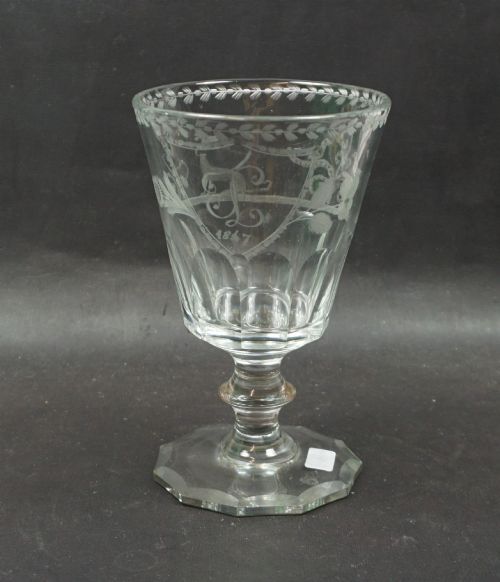
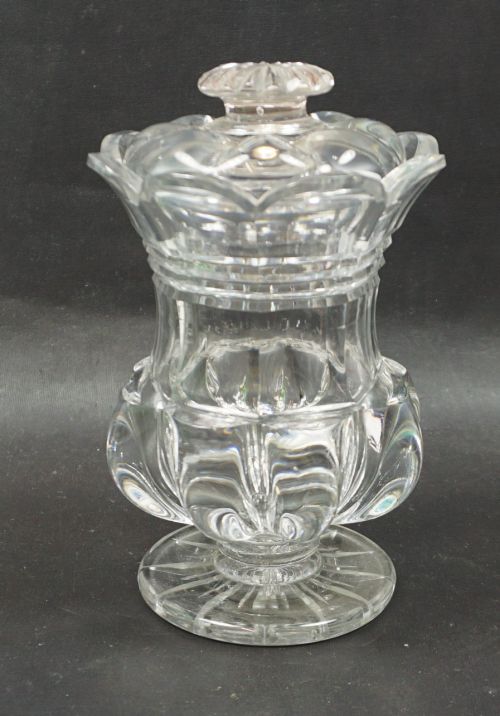
The objects take practical and decorative forms, including decanters, preserve jars, marriage goblets, and trinket boxes mounted in silver or gilt brass. Pieces date across the Victorian, Edwardian, and Art Deco periods, drawing on English, French, and Continental workshops.
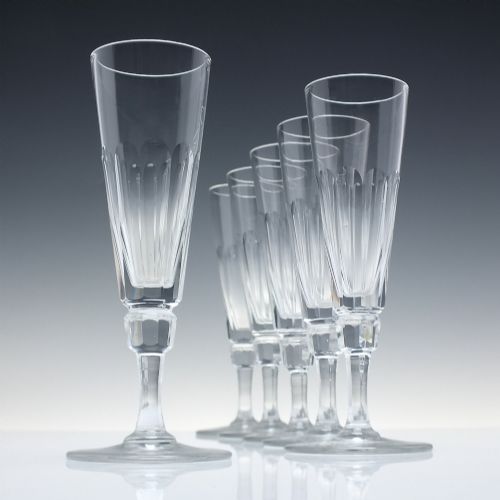
Tableware sets such as port glasses, dram glasses, and finger bowls appear alongside monumental lighting fixtures adorned with crystal drops and spikes. Buyers seek these items for their light-catching brilliance and the tactile weight of lead glass in domestic interiors.
Materials and methods
Makers shaped these objects using heavy glass, lead crystal, and cut glass, frequently combining the glass body with mounts of gilt brass, sterling silver, or gilt bronze. Metal components such as handles, rims, and chandelier frames provide structural support and ornamental contrast to the refractive glass.
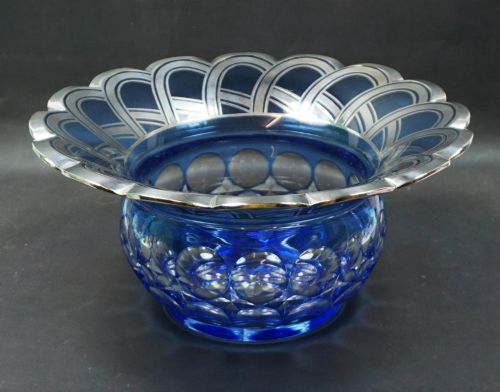
Artisans applied wheel-cutting, pillar moulding, facet cutting, and surface engraving to create geometric patterns, botanical motifs, and armorial monograms. Overlay techniques involved casing clear glass in coloured layers - such as blue or red over crystal - before cutting through the outer stratum to reveal the contrasting glass beneath.
Vintage Cut Crystal Retail Price Guide 2026
Typical asking prices for vintage cut crystal among the pieces listed under this phrase on Sellingantiques today, from the lower quarter to the upper quarter. They describe what is for sale here now, not the wider market.
Markers of excellence
Quality rests in the crispness of the cutting, where wheel-cut facets display sharp, clean edges that catch light decisively rather than appearing soft or rounded. Heavy lead content provides a resonant ring and a substantial physical heft that distinguishes superior vessels from lighter, common glassware.
The harmony between the glass body and its mounts dictates overall merit, seen in securely fitted silver, gilt bronze, or brass mounts that integrate without crowding the cut design. Engraved details executed with fine control, such as detailed foliage or animal figures, elevate individual pieces above standard production work.
John Walsh Walsh·Webb England·Val ST Lambert
The Vintage Cut Crystal Glossary
- Lead crystal
- Glass containing a high proportion of lead oxide, increasing the weight, refractive index, and softness for deep wheel-cutting. This composition gives the material its characteristic brilliance and density.
- Facet cut
- A pattern of flat, polished planes ground into the surface of the glass at precise angles. These planes direct light inward and outward to create sparkle.
- Tantalus
- A locking wooden frame holding decanters to prevent unauthorized access to the contents while displaying the cut glass. They typically feature silver-plated or sterling silver security bars.
- Bag chandelier
- A lighting fixture featuring a mass of crystal drops gathered in a pear-shaped bag below the upper crown. This dense arrangement maximises light refraction from internal candle arms or bulbs.
- Overlay glass
- A technique where a layer of coloured glass is fused over a clear crystal base before portions are cut away. This method produces high-contrast designs in colours like blue and red.
Vintage Cut Crystal: Frequently Asked Questions
How do I date vintage cut crystal?
Dating relies on stylistic clues, manufacturing techniques, and occasional maker marks or monograms. Georgian and Regency pieces often feature thick pontil scars and deep hand-cutting, while Edwardian and 1930s items incorporate Art Deco geometry or machine-smoothed finishes.
Hardware mounts and accompanying silver elements also offer clues. Hallmarks on silver collars or associated tantalus frames provide exact assay office dates that help narrow the period of manufacture.
What is the difference between glass and lead crystal?
Lead crystal contains metallic lead oxide, which increases the material density, refractive index, and softness compared to standard soda-lime glass. This higher density allows artisans to cut deeper, sharper facets that scatter light more intensely.
Crystal also produces a clear, resonant tone when gently struck, whereas standard glass produces a duller sound. The added weight is usually immediately noticeable when holding comparable objects.
How should I clean vintage cut crystal chandeliers?
Cleaning requires a gentle approach to preserve both the crystal drops and any gilt brass or bronze metalwork. Technicians typically spray a mild glass cleaner onto a cloth or apply a diluted soapy solution by hand, wiping each prism individually rather than submerging the fixture.
Harsh chemical immersion can strip gilt finishes or degrade old wire ties holding chandelier drops. Ensuring the power is completely disconnected before cleaning prevents damage to internal electrical components.
Can antique decanters still hold wine?
Many antique decanters remain fully functional for serving and breathing wine, provided the interior is clean and free of stubborn staining. Checking the ground glass stopper for a snug, original fit ensures proper closure for beverage storage.
Residue from old port or spirits can sometimes settle inside deep corners. Warm water, non-abrasive cleaning beads, and careful rinsing usually restore clarity without harming the antique glass surface.