
Vintage Cut Crystal Light
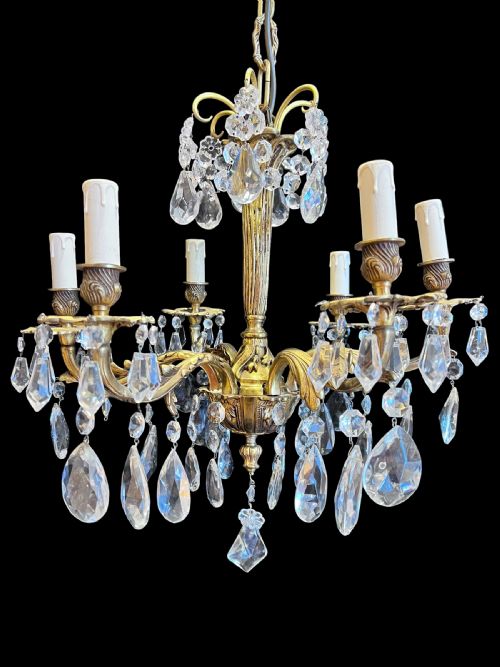
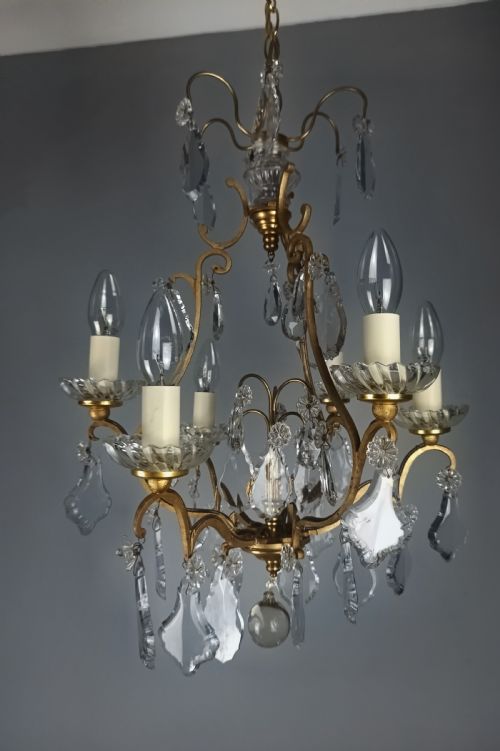
These vintage cut crystal light fittings combine brass and gilt metal frames with brilliant glass drops to illuminate rooms with genuine period character.
Vintage Cut Crystal Light
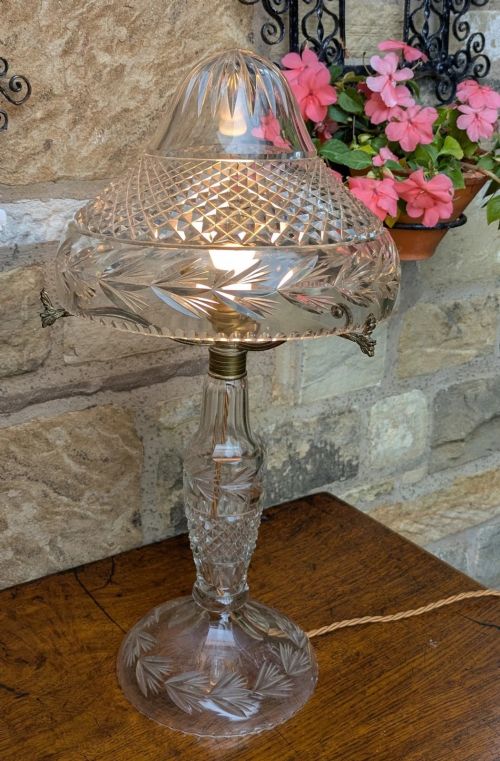
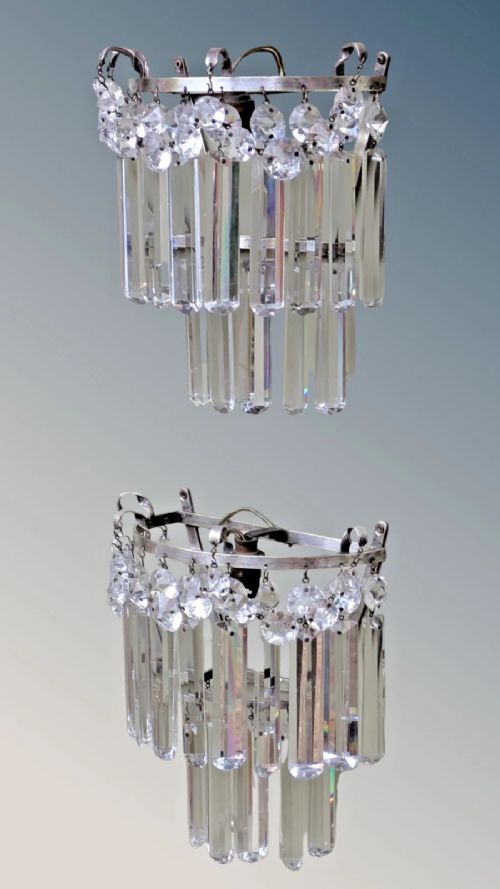
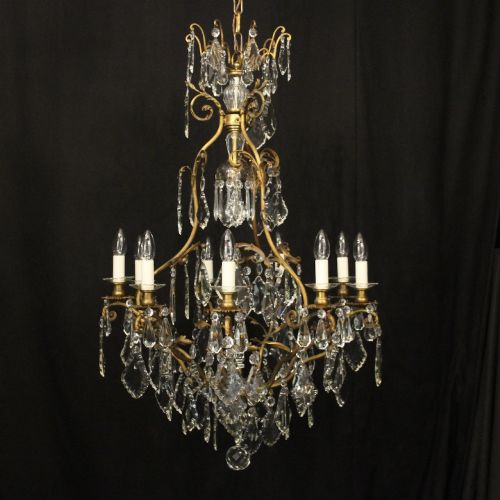
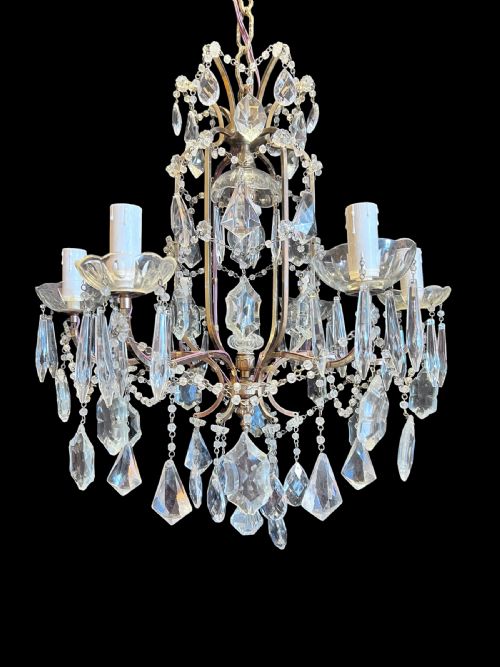
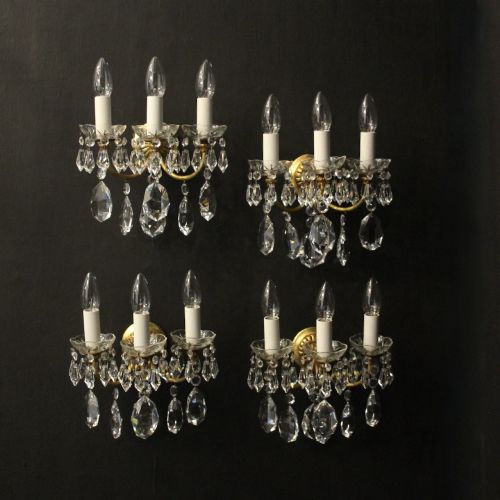
A vintage cut crystal light encompasses multi-arm chandeliers, flush ceiling plafonniers, wall lights, and table lamps originating from the Edwardian era through the mid twentieth century. French and Italian designs predominate, alongside English examples, ranging from compact spike chandeliers to large ballroom tent and waterfall fixtures.
Buyers encounter various configurations including basket chandeliers, bag chandeliers, and paired lustres mounted with brass, gilt bronze, or gilt brass frames. These pieces stem from periods spanning the late nineteenth century to the 1950s, with a strong representation of Edwardian and 1920s work.
Materials and Construction
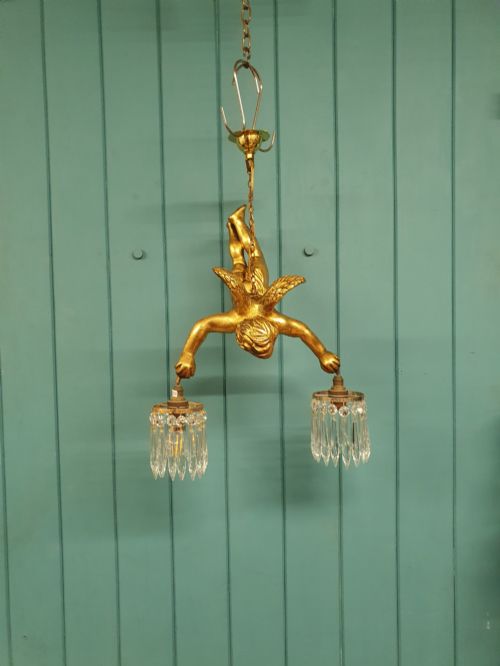
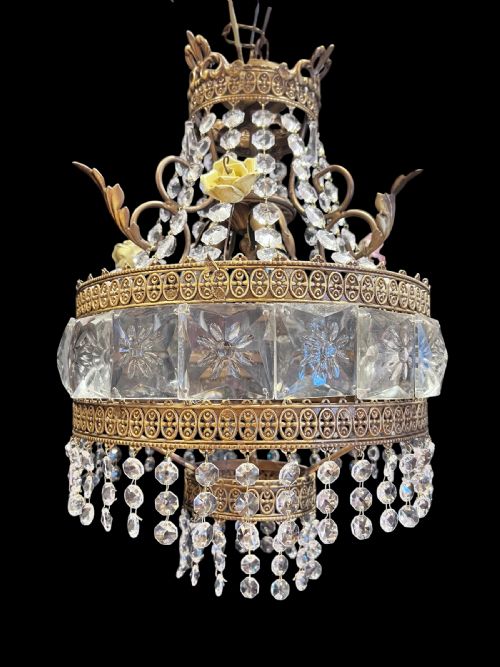
Frames rely on cast and spun brass, gilt bronze, or gilt metal to support heavy glass components securely. Structural elements frequently integrate decorative motifs such as lion masks, porcelain flowers, or gilt spatter cherubs.
Prisms, drops, and bowls consist of cut glass and cut crystal, wired into complex tent, bag, or waterfall configurations. Metal armatures hold numerous light sources, secured with pins and wire to suspend the crystal elements.
Materials across these listings include brass, crystal, glass, gilt bronze, gilt brass, and gilt metal.
Assessing Distinction
Gradations in quality depend upon the precision of the glass cutting and the clarity of the crystal drops, which dictate how light refracts across a room. Better examples feature crisp facets on every prism and substantial cast metal frames rather than pressed sheet components.
Proportion and scale distinguish finer fixtures, where the density of the crystal harmonises with the structural brass or gilt bronze armature. The integrity of the original hanging configuration and the weight of the metal components set superior examples apart from standard production.
The Vintage Cut Crystal Light Glossary
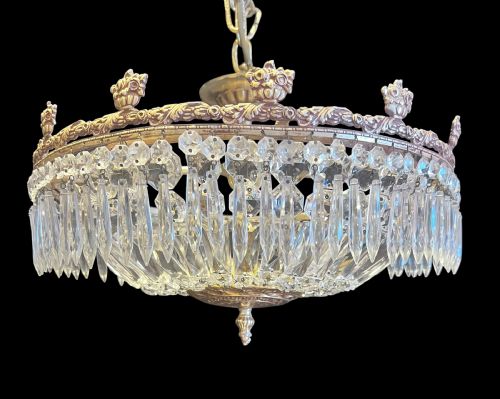
- Plafonnier
- A ceiling light fitting that sits flush or very close to the ceiling surface. These fixtures often feature glass domes or shallow bowls held in metal mounts.
- Lustre
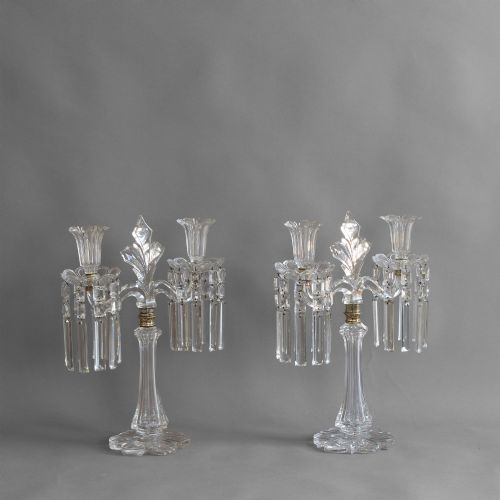
- A decorative tabletop ornament featuring hanging glass pendants attached to a central stem and bowl. Victorian examples frequently incorporate ruby glass.
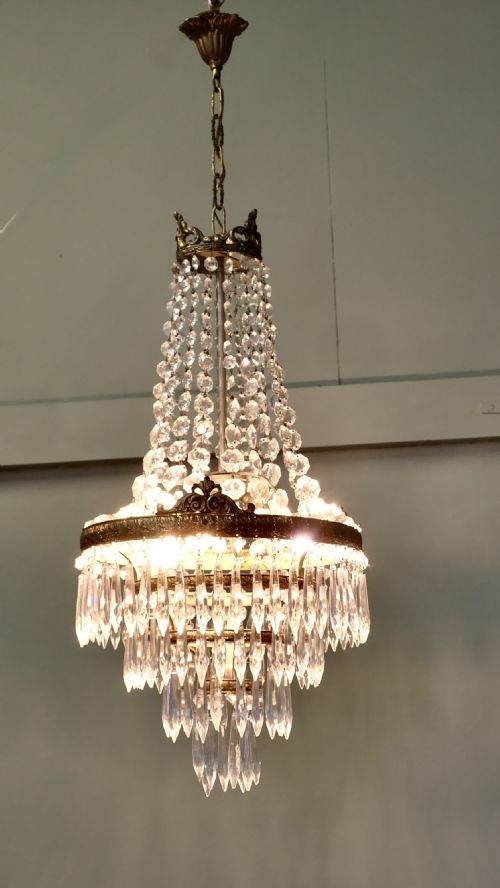
- Tent Chandelier
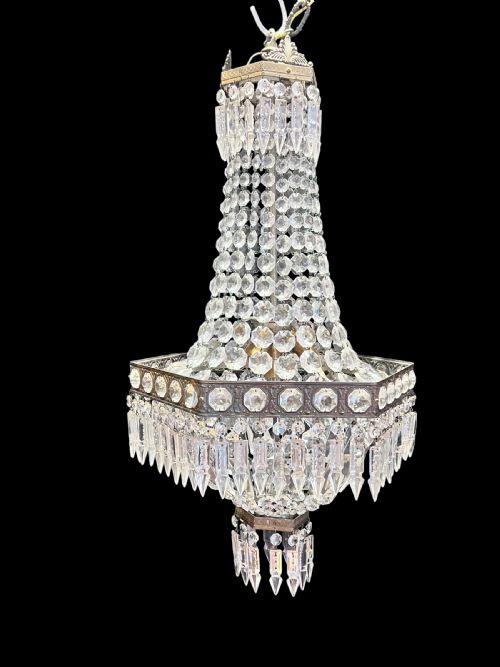
- A lighting fixture featuring a dense upper canopy of strings of small crystal beads that fall outward to a wider crown. Light arms project from beneath this upper tent.
- Bag Chandelier
- A lighting form where glass drops gather into a tapered bag or basket shape beneath the frame. This style directs illumination through a contained volume of crystals.
- Waterfall Chandelier
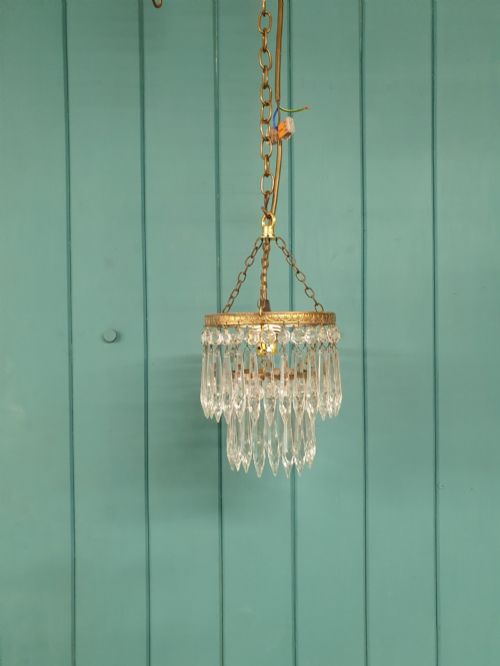
- A multi-tiered lighting fixture featuring cascading rows of overlapping crystal drops. The arrangement creates a visual flow resembling falling water.
Vintage Cut Crystal Light: Frequently Asked Questions
How do I clean a crystal chandelier?
Maintenance involves wiping individual glass drops with a mild cleaning solution while the fixture hangs securely from the ceiling.
Techniques require supporting each crystal from beneath to prevent strain on the surrounding wire ties and metal frame.
Can these antique lights use modern bulbs?
Most fittings accommodate contemporary SES or SES screw-type LED lamps once the internal wiring is checked by a qualified electrician.
Original brass lamp holders can often be retained while updating the electrical flex for safety compliance.
How do I identify an Edwardian chandelier?
Edwardian pieces typically exhibit characteristic brass or gilt frames combined with cut glass spikes, domes, or acorn plafonnier shades.
Proportions tend to be compact in domestic hallway fittings, contrasting with larger ballroom fixtures from subsequent decades.
Are French and Italian chandeliers different?
French fixtures frequently utilise gilt bronze or brass frames with elaborate tent and waterfall crystal arrangements in Empire or Rococo styles.
Italian pieces often integrate delicate wrought elements, porcelain flowers, or distinct Genoa and Venetian multi-arm configurations.