

Vintage Cushion Cut Ring
A vintage cushion cut ring brings together historic hand-cut stones and precious settings, offering distinct character for daily wear.
Vintage Cushion Cut Ring
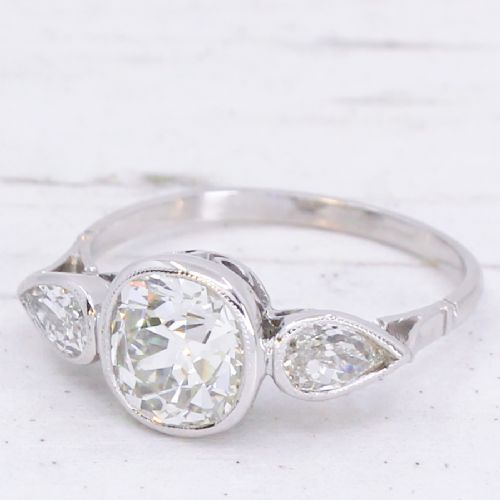
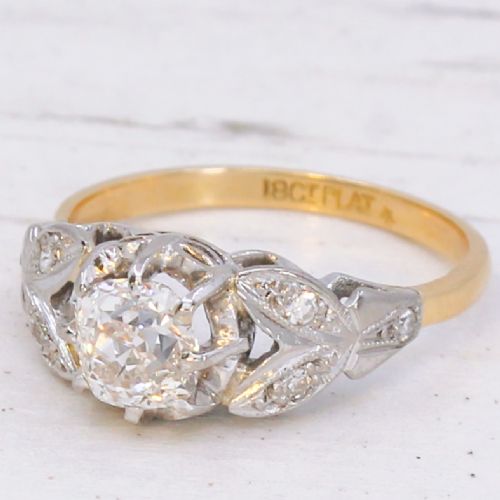
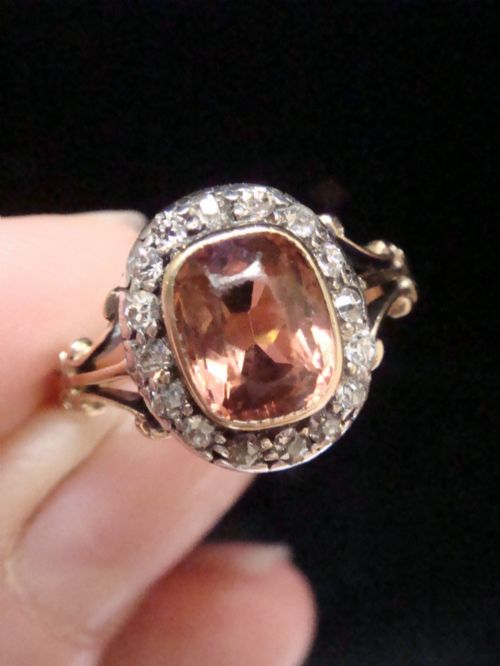
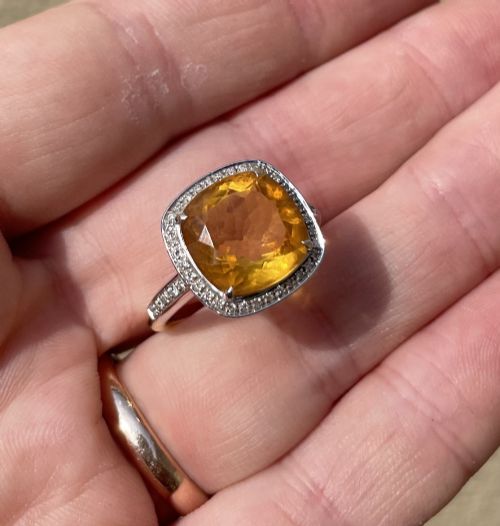
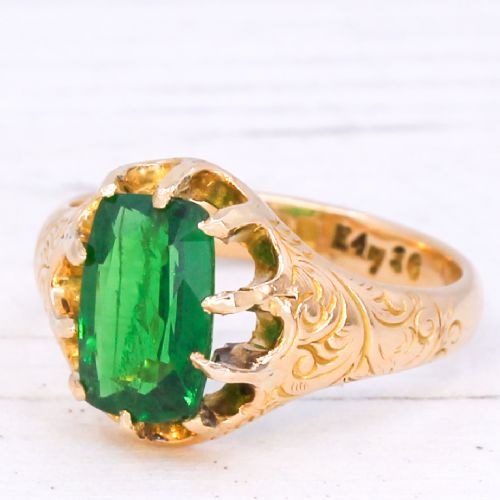
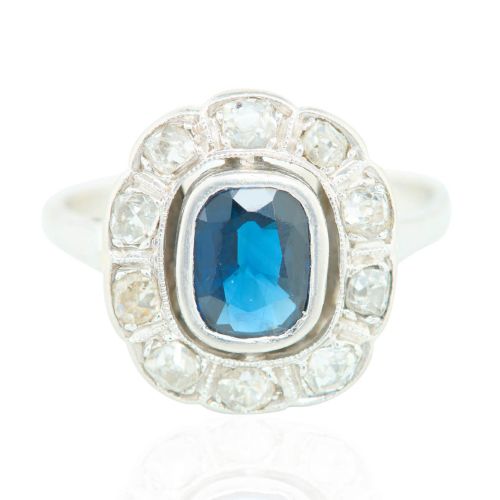
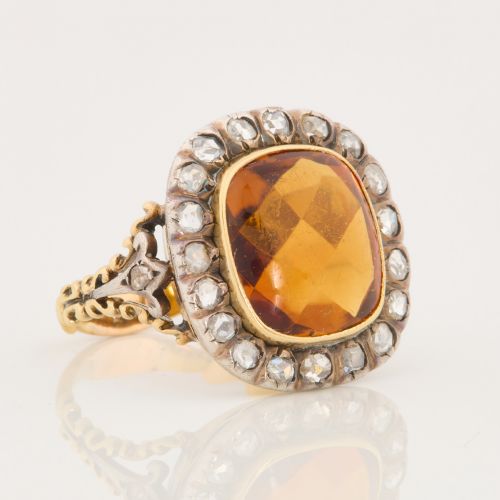
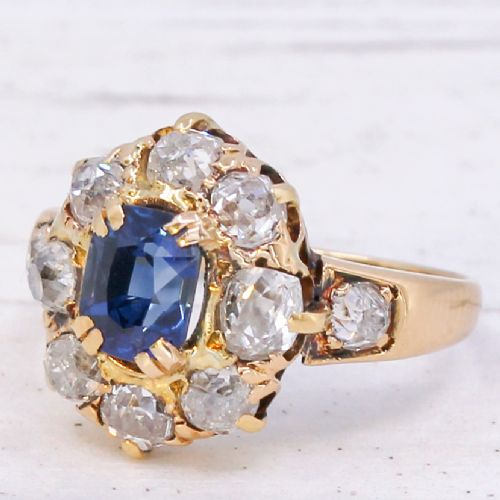
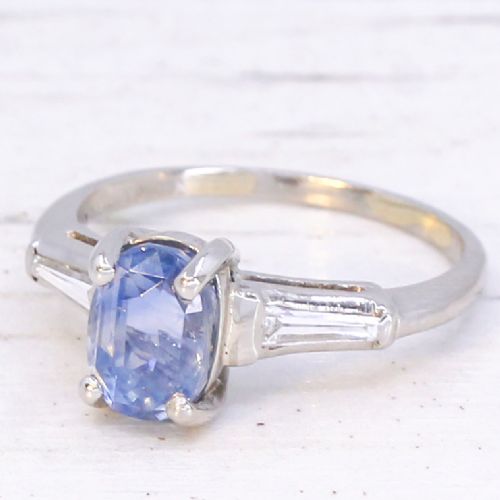
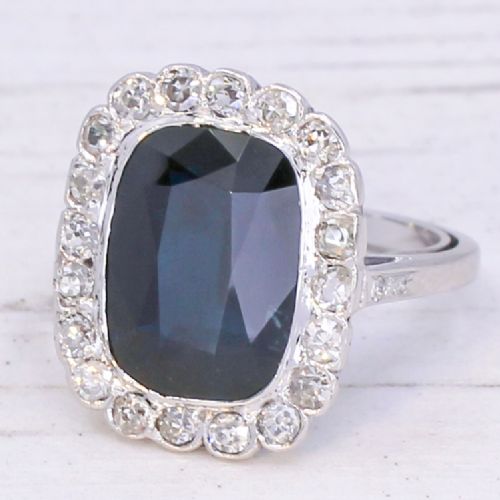
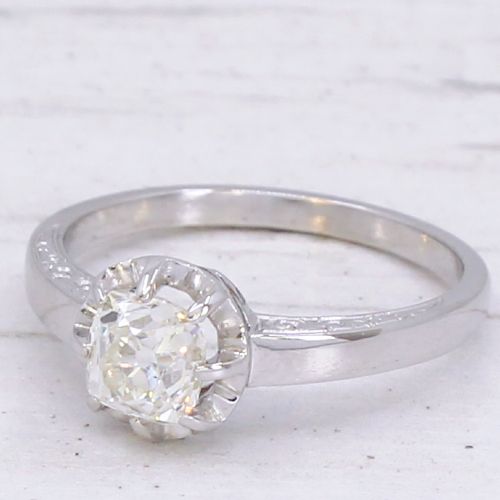
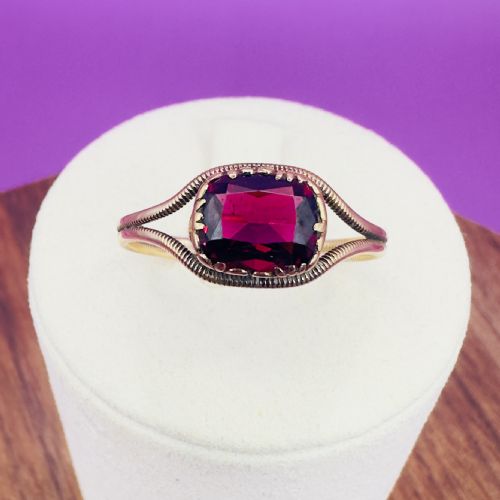
A vintage cushion cut ring showcases stones shaped with rounded corners and larger facets, reminiscent of old pillow forms. These pieces span periods from the Georgian era through the Victorian, Edwardian, Art Deco, and Mid-Century decades, appearing primarily as engagement rings, cocktail rings, and simple solitaires.
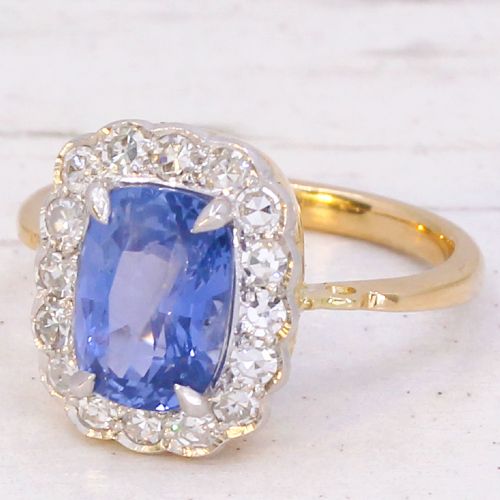
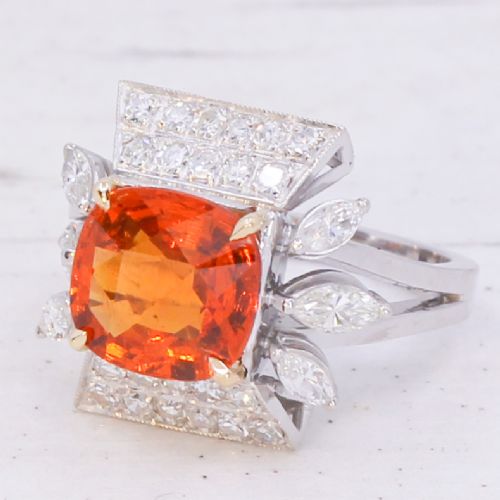
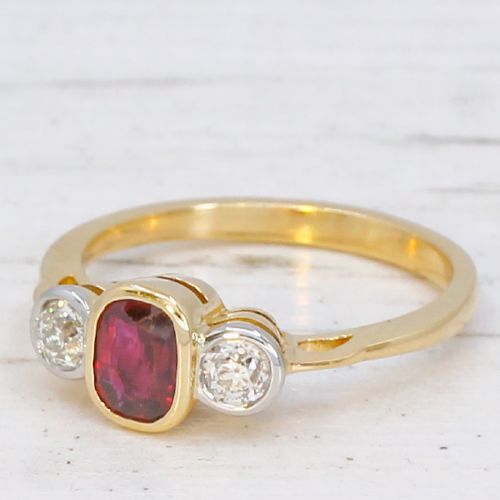
Collectors frequently encounter diamond solitaires alongside cluster settings featuring sapphires, emeralds, rubies, garnets, and tourmalines. The stones are mounted in yellow gold, white gold, platinum, or combined metals that reflect the prevailing style of their manufacturing period.
Materials and construction methods
Goldsmiths shaped mountings in platinum, 18ct yellow gold, 18ct white gold, and occasionally 15ct or 9ct gold, often pairing yellow gold shanks with white metal heads to accentuate the stones. Platinum grew particularly prominent during the Art Deco period for intricate, durable settings.
Centre stones display hand-cut facets, including old cushion cuts, old mine cuts, and transitional cuts, shaped by hand before modern standardisation. Surrounding stones such as diamonds and calibre-cut gems were tightly integrated into clusters and trilogy arrangements using precise bezel, prong, or pave techniques.
Current listings span periods from the 18th-century Georgian era through Victorian, Edwardian, Art Deco, and Mid-Century decades.
Factors influencing quality and distinction
Quality rests in the harmony between the hand-cut central gem and its metal setting, where precise proportions and minimal wear to the original prongs or shoulders elevate a piece. The presence of unheated origin gems or certified diamonds adds significant distinction to certain examples.
The integrity of the metalwork, from delicate millegrain edges on Art Deco platinum mounts to substantial Victorian gold galleries, determines the overall execution. Pieces retaining their original stone settings without modern alterations command greater interest among collectors.
The Vintage Cushion Cut Ring Glossary
- Cushion cut
- A diamond or coloured gemstone shape featuring rounded corners and larger facets, designed to maximise brilliance under candlelight.
- Old mine cut
- An early form of cushion-shaped diamond cut characterised by a high crown, small table, and large open culet, typical of 18th and 19th-century jewellery.
- Millegrain
- A decorative technique involving a line of tiny metal beads along the edges of a setting, common in Edwardian and Art Deco pieces.
- Cluster ring
- A ring design featuring a prominent central gemstone encircled by a ring of smaller accent stones, usually diamonds.
- Trilogy ring
- A three-stone ring configuration representing past, present, and future, typically set with graduated diamonds or coloured gems.
Vintage Cushion Cut Ring: Frequently Asked Questions
How do I care for a vintage ring?
Clean these pieces gently with warm soapy water and a soft brush, avoiding harsh ultrasonic cleaners that might damage delicate settings or treated stones.
Have a professional jeweller inspect the claws and prongs periodically to ensure the central cushion cut stone remains secure.
Can these rings be resized easily?
Most gold and platinum bands can be altered by a skilled jeweller, though intricate shoulder work or continuous gallery designs require careful handling.
Consult a specialist who understands antique construction methods to preserve the structural integrity of the shank.
How do I identify the period?
Dating relies on a combination of metal types, mounting styles, and cutting techniques, such as platinum use in Art Deco pieces or high-carat yellow gold in Victorian examples.
Gemological reports and hallmarks stamped inside the shank often provide further clues to the origin and era.