

Vintage Curved Cupboard
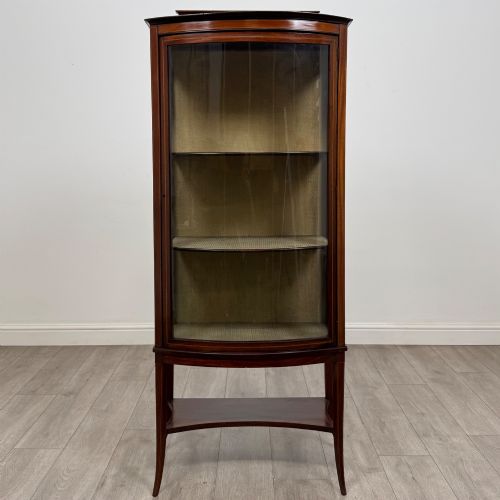
These vintage curved cupboard designs bring rounded fronts and subtle geometry into rooms, housing glassware, linens or spirits with understated elegance.
Vintage Curved Cupboard
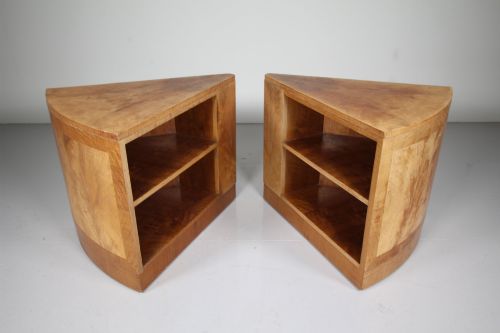
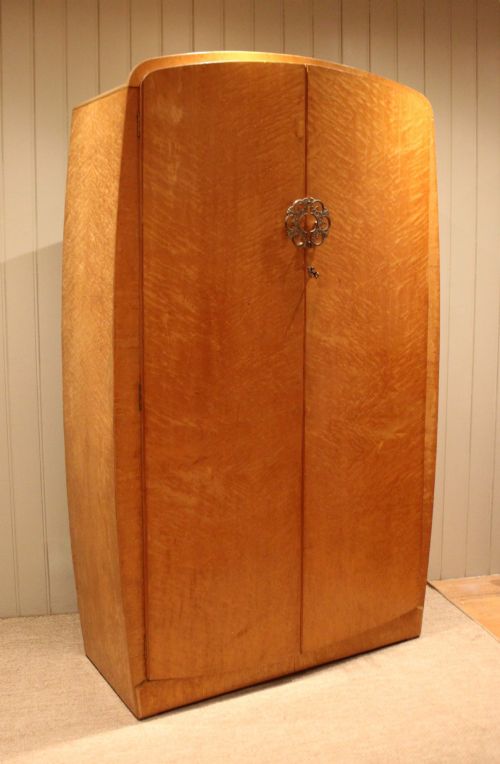
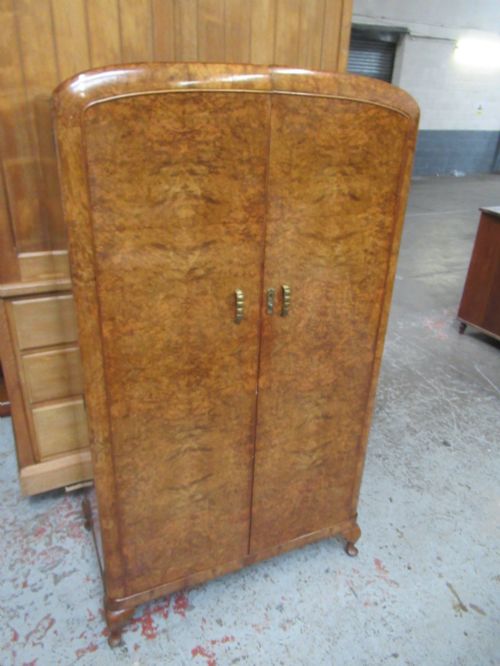
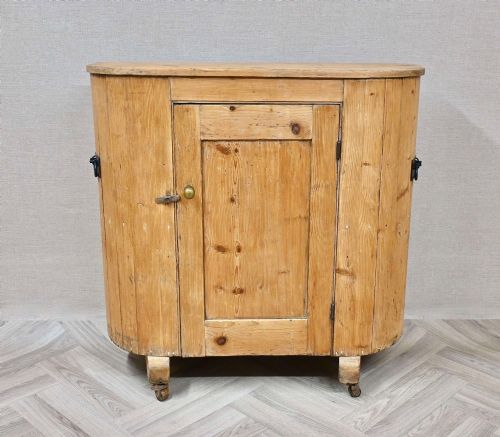
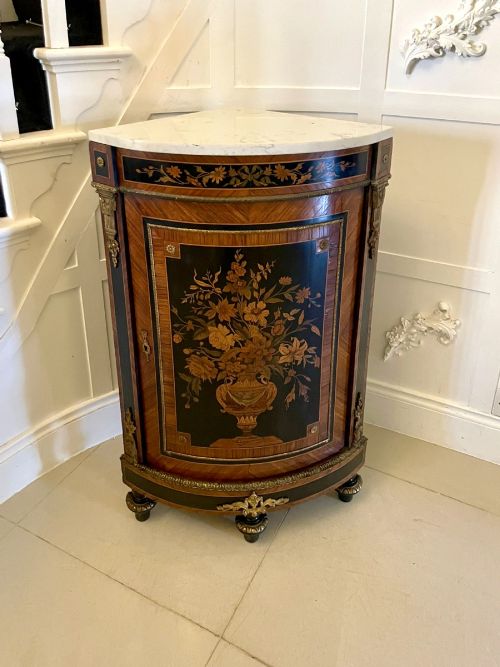
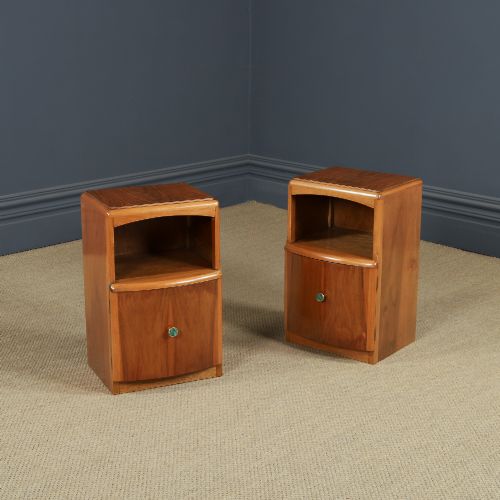
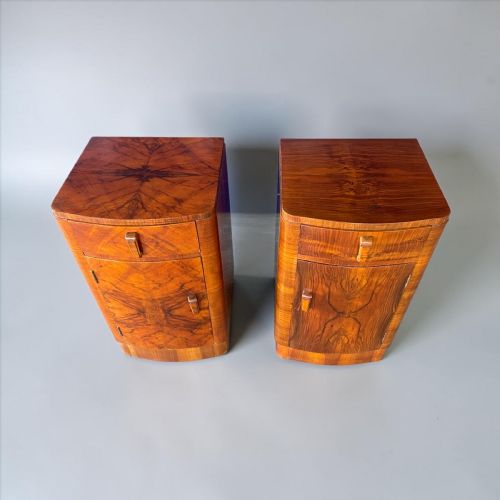
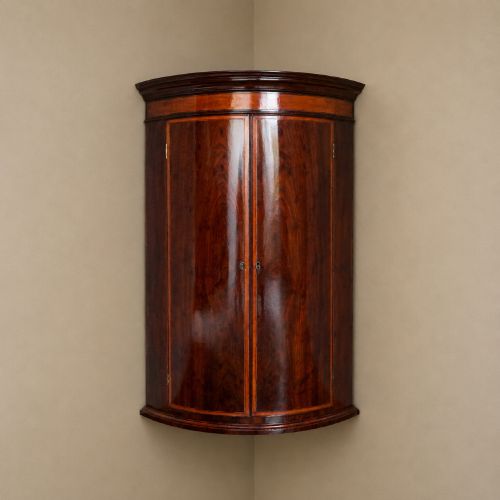
A vintage curved cupboard offers rounded architectural lines to domestic spaces, utilising corners and wall stretches efficiently. Pieces span the Georgian era through to the Art Deco period, accommodating diverse interior schemes.
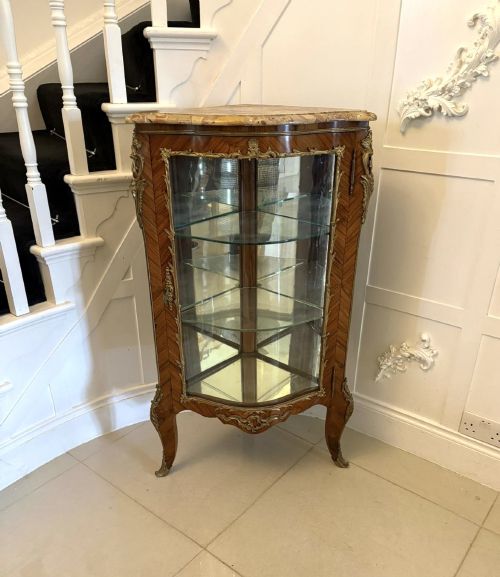
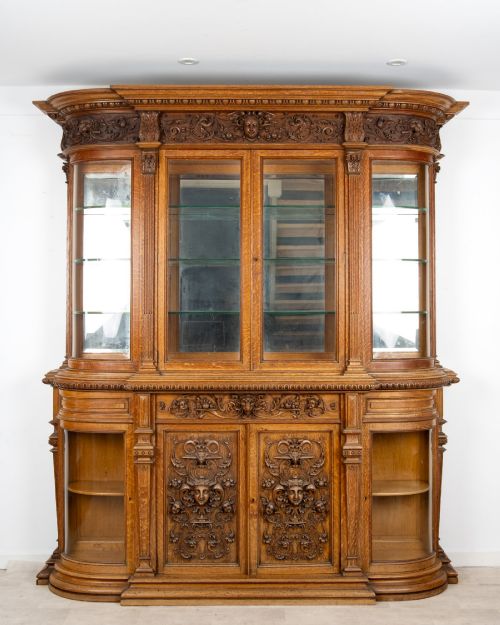
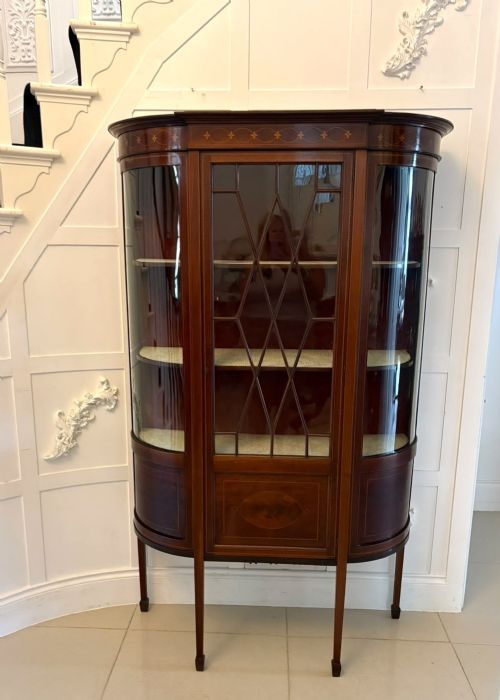
Display cabinets and corner cupboards dominate the selection, alongside bedside tables, side cabinets, and cocktail cabinets. Mahogany, walnut, and burr walnut appear frequently as primary timbers.
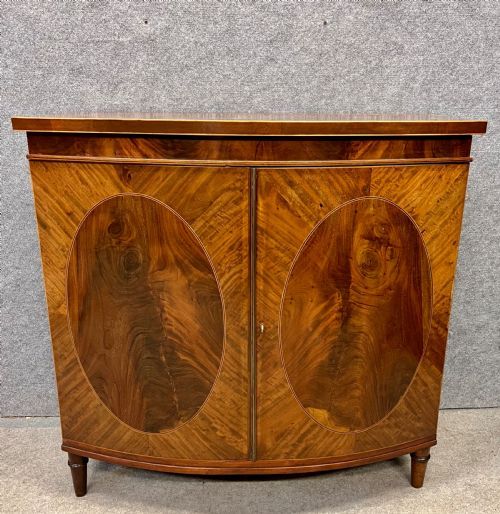
Origins stretch from English workshops to French and Dutch makers, yielding serpentine, bow-ended, and demi-lune profiles.
Materials and Technique
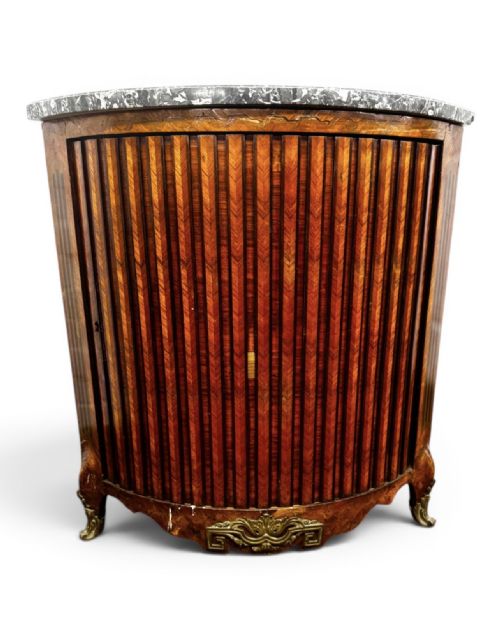
Cabinet makers utilised solid timbers alongside intricate wood veneers, applying figured walnut, tulipwood, and satinwood to curved carcases. Tambour fronts, marquetry inlay, and hand-carved details demand precise carpentry to follow sweeping radii.
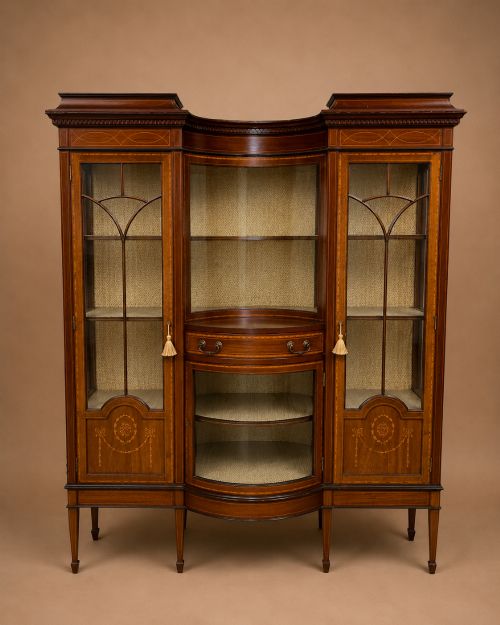
Ormolu mounts, marble tops, and brass hardware provide functional and decorative accents on French and English pieces alike. Glazed doors utilise delicate wooden glazing bars to frame interiors without interrupting the curvilinear silhouette.
Vintage Curved Cupboard Retail Price Guide 2026
Typical asking prices for vintage curved cupboard among the pieces listed under this phrase on Sellingantiques today, from the lower quarter to the upper quarter. They describe what is for sale here now, not the wider market.
Listings feature items spanning from the eighteenth century through to nineteen-thirty Art Deco designs in mahogany, walnut, and satinwood.
Distinctions in Execution
Quality rests upon the selection of timber veneers and the precision of the curved joints. Figured grains aligned symmetrically across a bowed or serpentine front indicate thoughtful construction.
Secondary details distinguish fine examples, such as original brass locks, intact marble slabs, and finely executed marquetry work. The integrity of the carcase under the weight of glass and stored items reflects foundational joinery standards.
Maurice Adams·The Bowman Brothers·Betty Joel·Hobbs And Co
The Vintage Curved Cupboard Glossary
- Bow front
- A convex, outward-curving cabinet or drawer front that softens rectilinear room layouts.
- Serpentine
- A shaped furniture front featuring a convex centre flanked by concave curves.
- Demi-lune
- A half-moon shape used for tables and side cabinets designed to sit flush against walls.
- Tambour
- A flexible shutter made of narrow vertical wooden strips glued to a canvas backing, allowing doors to slide around curved tracks.
- Ormolu
- Gilt bronze ornamentation applied to furniture mounts, prominent in French decorative arts.
Vintage Curved Cupboard: Frequently Asked Questions
Where should I place a corner cupboard?
Corner cupboards utilise neglected junction spaces in dining rooms or hallways, turning awkward angles into display areas.
Their angled backs fit tightly against intersecting walls while projecting a rounded front into the room.
How do I use a cocktail cabinet?
Cocktail cabinets serve for storing glassware, bottles, and mixing equipment behind dedicated doors.
Many incorporate pull-down surfaces or mirrored interiors intended for serving drinks during social gatherings.
What is a tambour front?
A tambour front consists of narrow wooden slats attached to fabric, allowing the door to curve around the corner of a cabinet.
This mechanism conceals storage compartments without requiring swing clearance for traditional doors.
How do I identify an Art Deco cabinet?
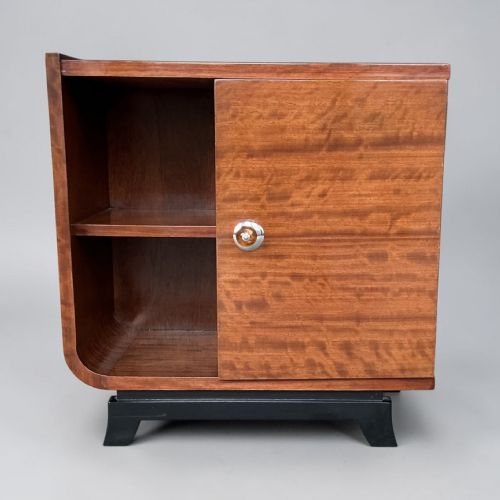
Art Deco pieces from the nineteen-thirties often display geometric symmetry, circular silhouettes, and highly figured walnut or birch veneers.
Maker attributions and streamlined hardware help distinguish this modernist aesthetic from earlier revival styles.