





Vintage Crystal Vase
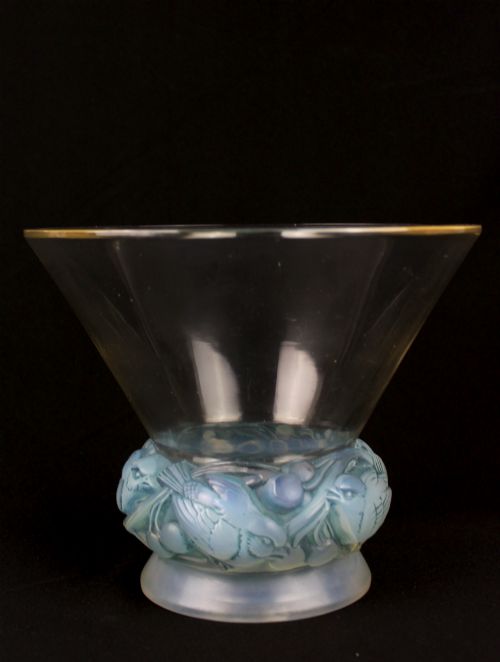
A vintage crystal vase brings weight and clarity to a room, catching the light through deep cuts or opalescent curves.
Vintage Crystal Vase
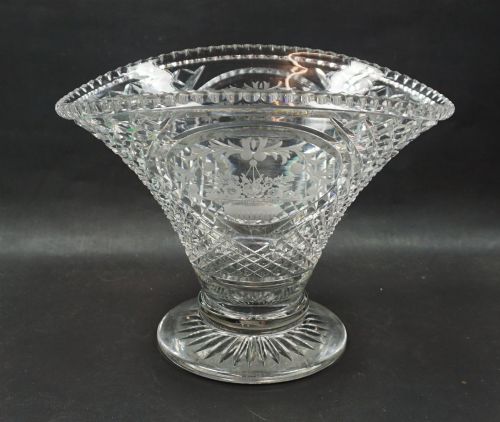
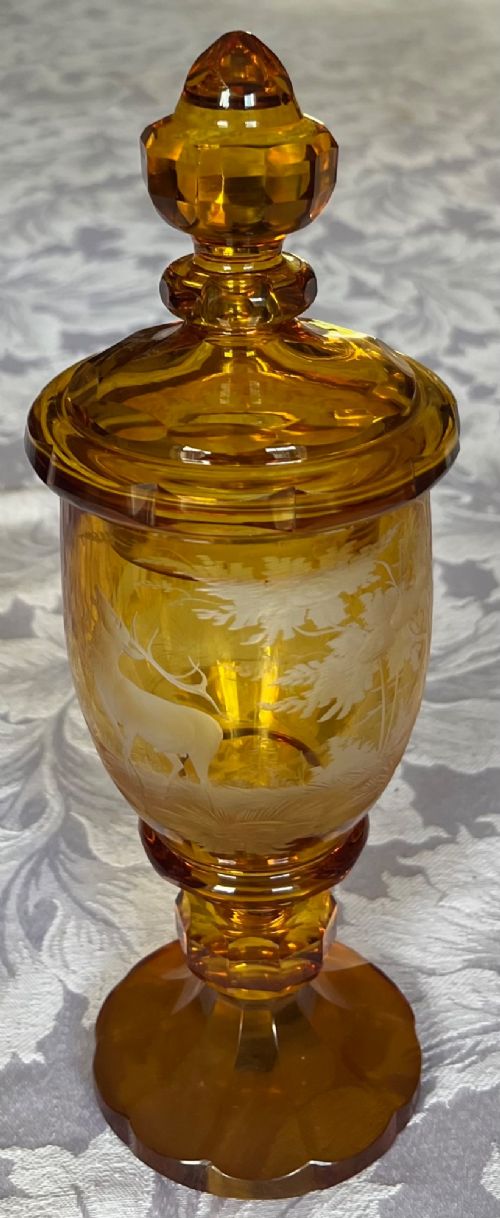
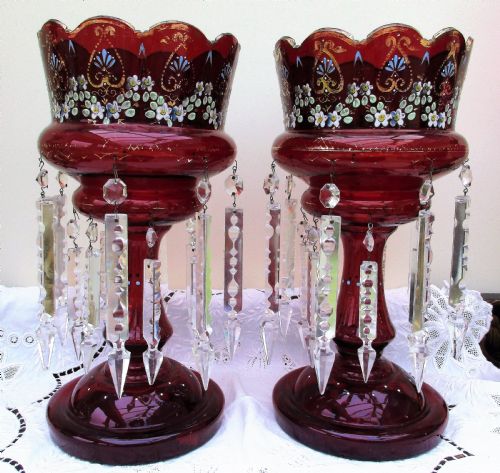
A vintage crystal vase encompasses heavy cut glass, moulded pieces, and overlay vessels produced from the nineteenth century through the mid-twentieth century. Buyers searching for a vintage crystal vase encounter everything from nineteenth-century Victorian table lustres and Bohemian lidded vessels to bold Art Deco modernist creations.
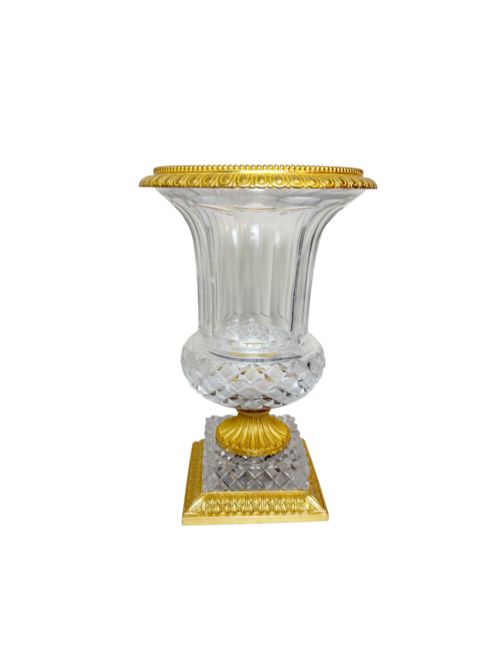
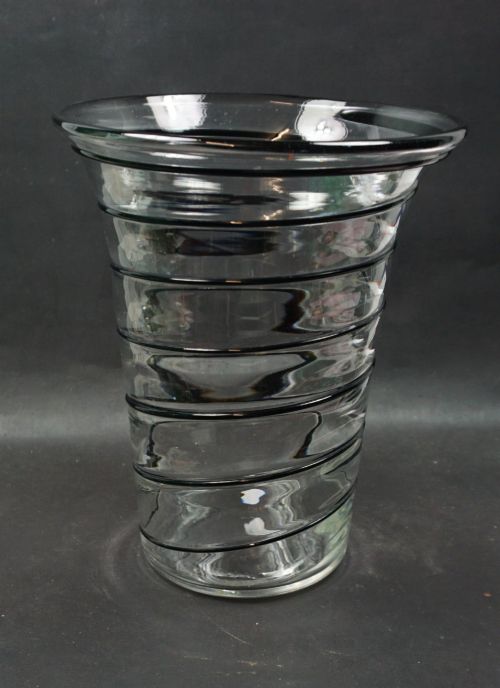
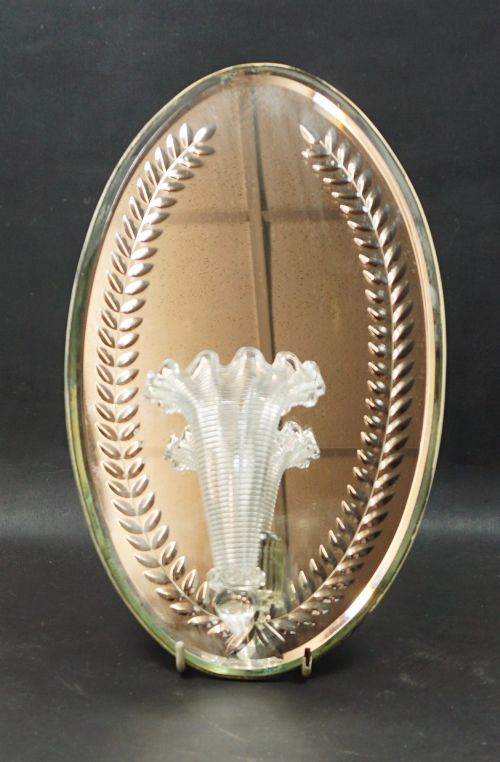
The selection ranges across distinct periods including the Victorian era, Edwardian period, and the 1920s and 1930s. Forms vary widely from straightforward clear glass spill vases and large urns to complex pieces with coloured overlays or engraved figural scenes.
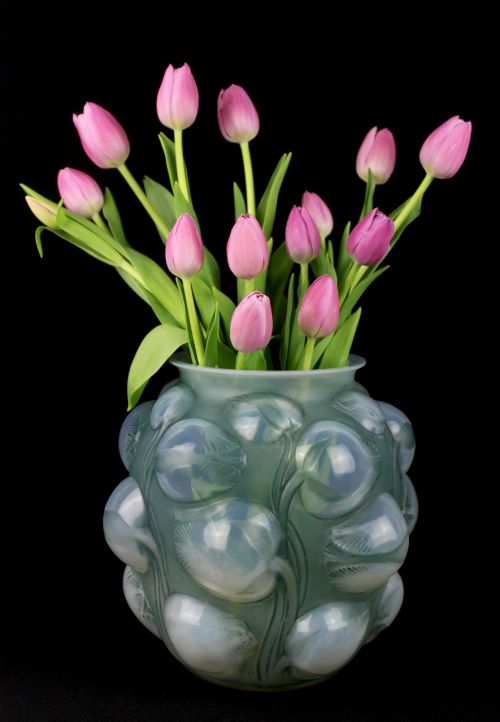
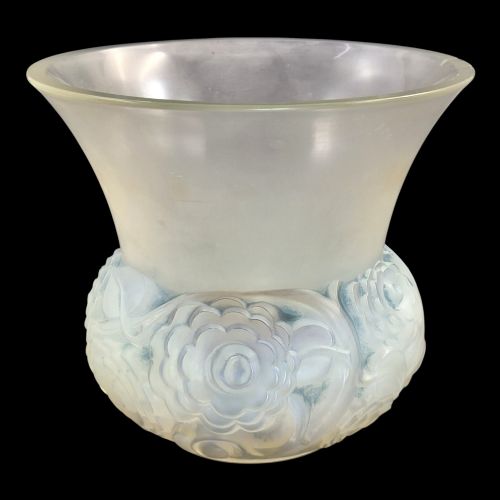
Moulded and frosted glass pieces also appear alongside traditional heavy lead crystal vessels. Many originate from renowned European makers in Britain, France, and Belgium, reflecting shifting design movements from Neoclassical to Art Nouveau and Art Deco.
How they were made
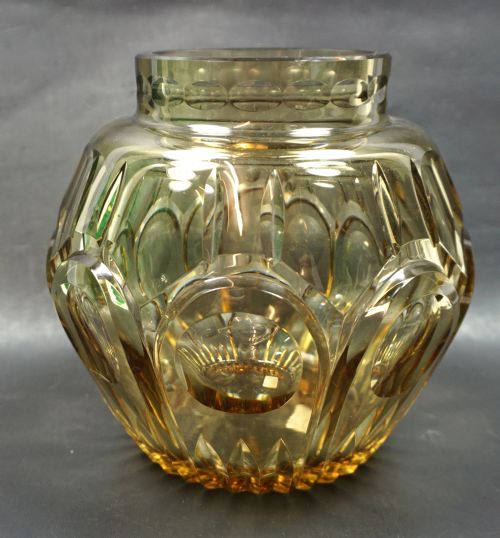
Makers utilised lead crystal, clear glass, and coloured glass, often layering contrasting hues in what is known as crystal overlay. Artisans then cut, wheel-engraved, or deeply etched these exterior layers to reveal the contrasting glass beneath.
Moulding and frosting techniques defined the Art Deco period, where artists pressed glass into complex relief moulds and used stains or enamels to highlight details. Gilding and enamel decoration were also applied directly to the surface before firing.
Table lustres and heavier vessels required multiple stages of hot glassworking followed by cold-work cutting and polishing by hand. This created the sharp facets and brilliant optical clarity seen across the pieces.
Vintage Crystal Vase Retail Price Guide 2026
Typical asking prices for vintage crystal vase among the pieces listed under this phrase on Sellingantiques today, from the lower quarter to the upper quarter. They describe what is for sale here now, not the wider market.
Some vases proudly portray the ancient Greek philosopher Socrates alongside delicate poppy flowers and buzzing glass bubbles.
What varies in quality
Quality rests in the crispness of the cutting, the depth of the wheel engraving, and the purity of the metal. Superior pieces display sharply defined facets and flawless optical clarity without bubbles or cloudiness.
The skill of the designer and the execution of the moulding separate standard production items from masterworks. In overlay and cased glass, the precision of the cut determines how cleanly the contrasting colours emerge.
Signed works and pieces bearing distinct maker attributions demonstrate higher artistic ambition and execution. The weight and balance of the vessel also indicate the substantial lead content and the time invested in finishing.
René Lalique·Daum·Val St. Lambert·St Louis glassworks·Stevens & Williams
The Vintage Crystal Vase Glossary
- Lead crystal
- Glass containing a significant percentage of lead oxide, which increases the weight, refractive index, and working time for cutting. This high lead content gives the material its characteristic heavy feel and brilliant sparkle.
- Crystal overlay
- A technique where a layer of coloured glass is fused over a clear or contrasting body before being cut away. The cutting exposes the underlayer to create sharp geometric or floral patterns.
- Table lustre
- A decorative ornamental vase fitted with hanging glass prisms around the rim. These Victorian accessories were designed to catch and multiply candlelight in formal rooms.
- Wheel engraving
- A method of decorating glass by holding the vessel against a rotating small stone or copper wheel. It allows for detailed figural scenes and delicate botanical motifs.
- Opalescent glass
- Glass that displays a milky, translucent quality with shifting blue or amber highlights depending on the light. It became particularly popular during the Art Deco era.
Vintage Crystal Vase: Frequently Asked Questions
How do I clean a vintage crystal vase?
Wash the vessel by hand using lukewarm water and a mild detergent. Avoid sudden temperature changes to prevent thermal shock and cracking.
Dry the piece immediately with a soft, lint-free cloth to maintain the polished surface and prevent water spots.
Can I use these vases for fresh flowers?
Many of these vessels were designed to hold cut flowers or decorative foliage. Heavy lead crystal and glass urns provide a stable base for substantial arrangements.
Take care when placing heavy stems inside delicate nineteenth-century pieces to avoid scratching the interior walls.
What is a mantle lustre?
Mantle lustres are decorative twin vases adorned with long crystal pendants hanging from the rim. They sat upon fireplaces or sideboards as ornamental centrepieces during the Victorian period.
The hanging prisms were intended to catch and refract light from lamps and candles.
How do I date a crystal vase?
Examine the style of the cutting, the decorative motifs, and the manufacturing technique. Art Deco pieces display geometric moulded relief, while Victorian items often feature heavy ruby glass or elaborate cut patterns.
Signatures, acid-etched marks, and registration numbers on the base also help identify the period and maker.