
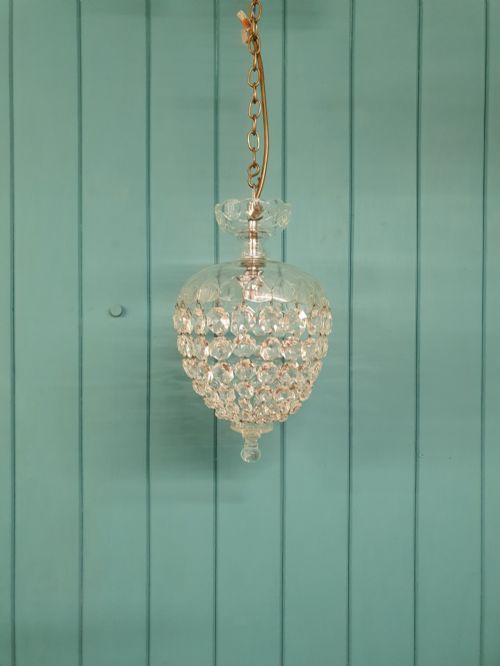


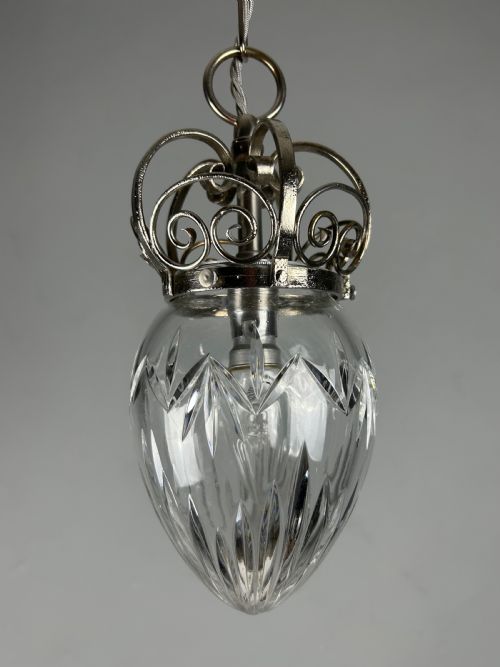


Vintage Crystal Pendant Shade
A vintage crystal pendant shade brings sparkling illumination to a room, offering period charm through cut glass and brass.
Vintage Crystal Pendant Shade
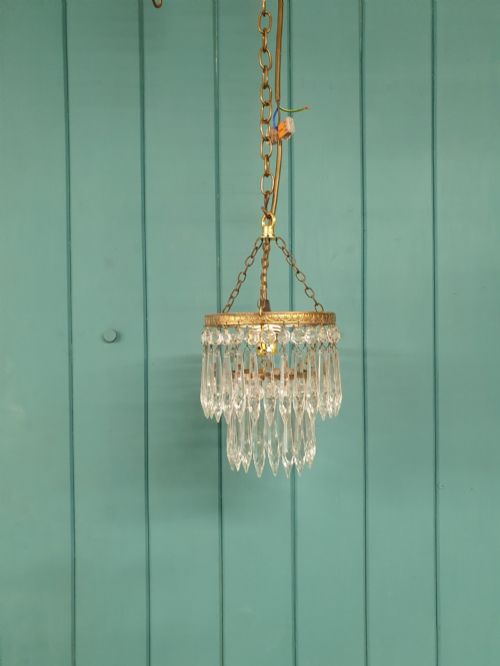
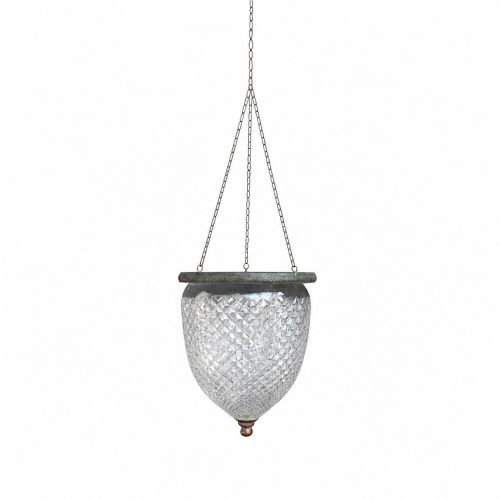
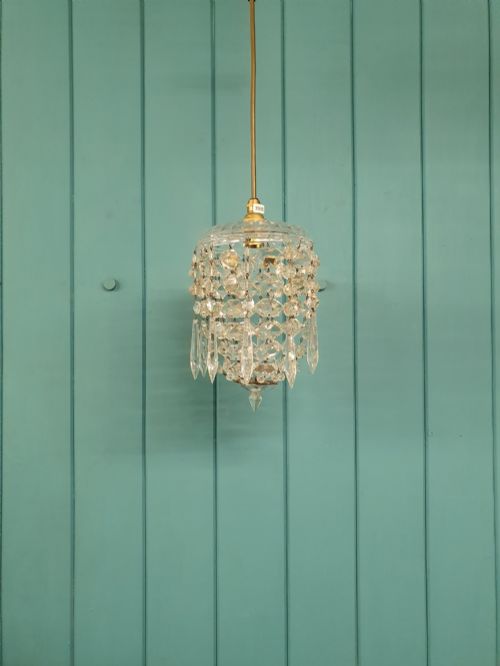
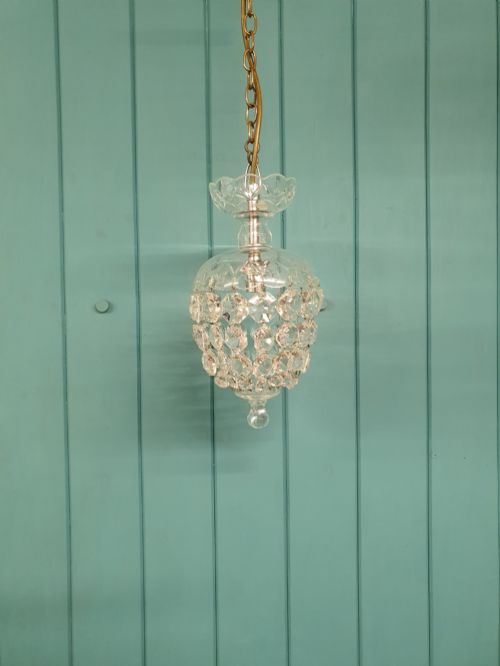
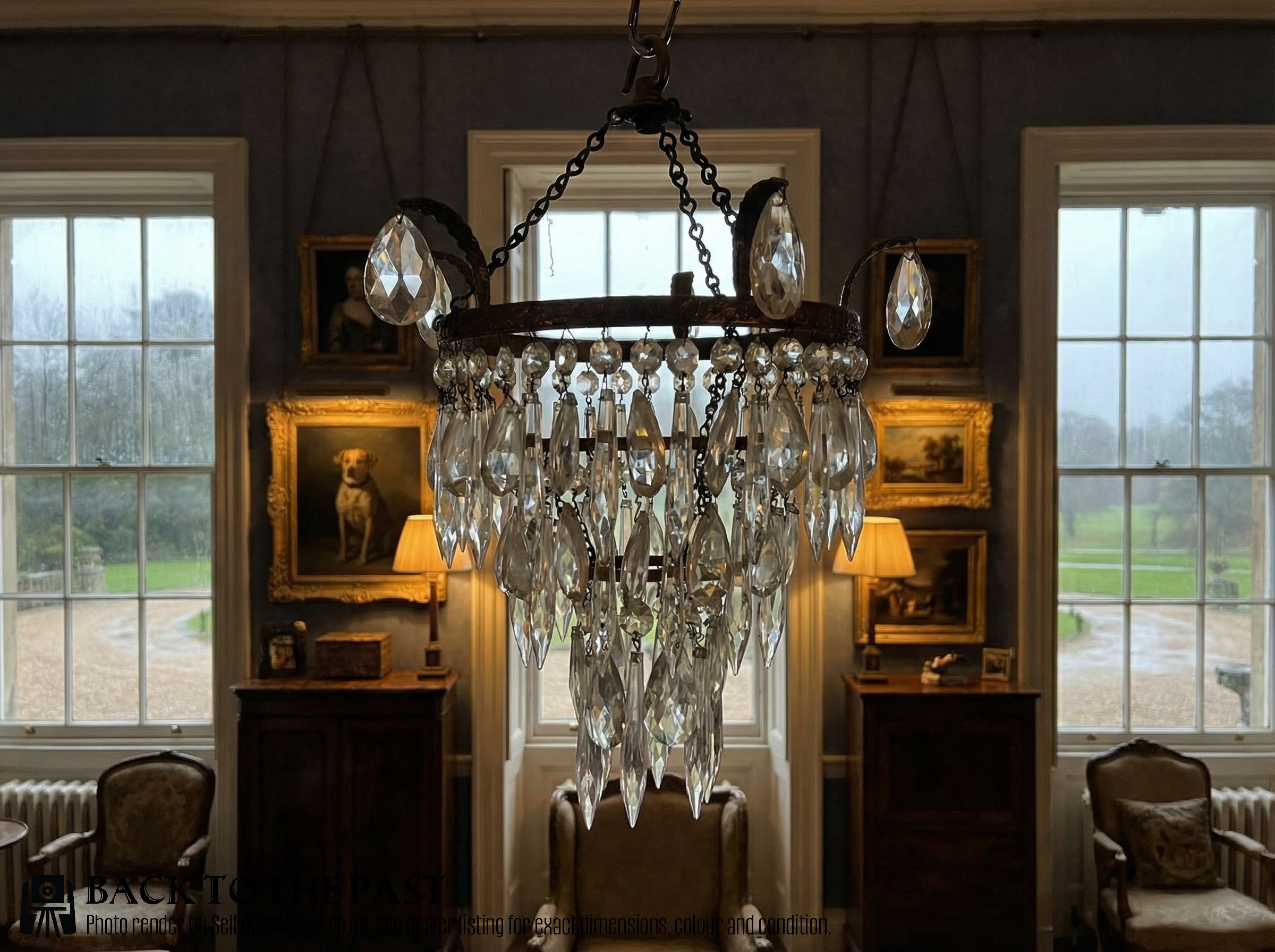
A vintage crystal pendant shade sits overhead, casting refracted light across a room through glass prisms and cut crystal elements. These fixtures appear in forms such as small spike chandeliers, dome tops, bag chandeliers, and dish lights.
The pieces on this page span the Victorian era, the Edwardian period, and the nineteen-thirties, reflecting styles from Arts and Crafts and Art Nouveau to French Empire and Art Deco. Buyers most frequently encounter compact brass and cut glass designs alongside tiered waterfall shades originating from the early twentieth century.
Origins stretch from English workshops to French ateliers, incorporating metals like chrome, bronze, and silver plating alongside hand-blown glass. Each shade functions as a hanging ceiling light, suspended from wires or chains to illuminate hallways, bedrooms, and reception spaces.
Materials and construction methods
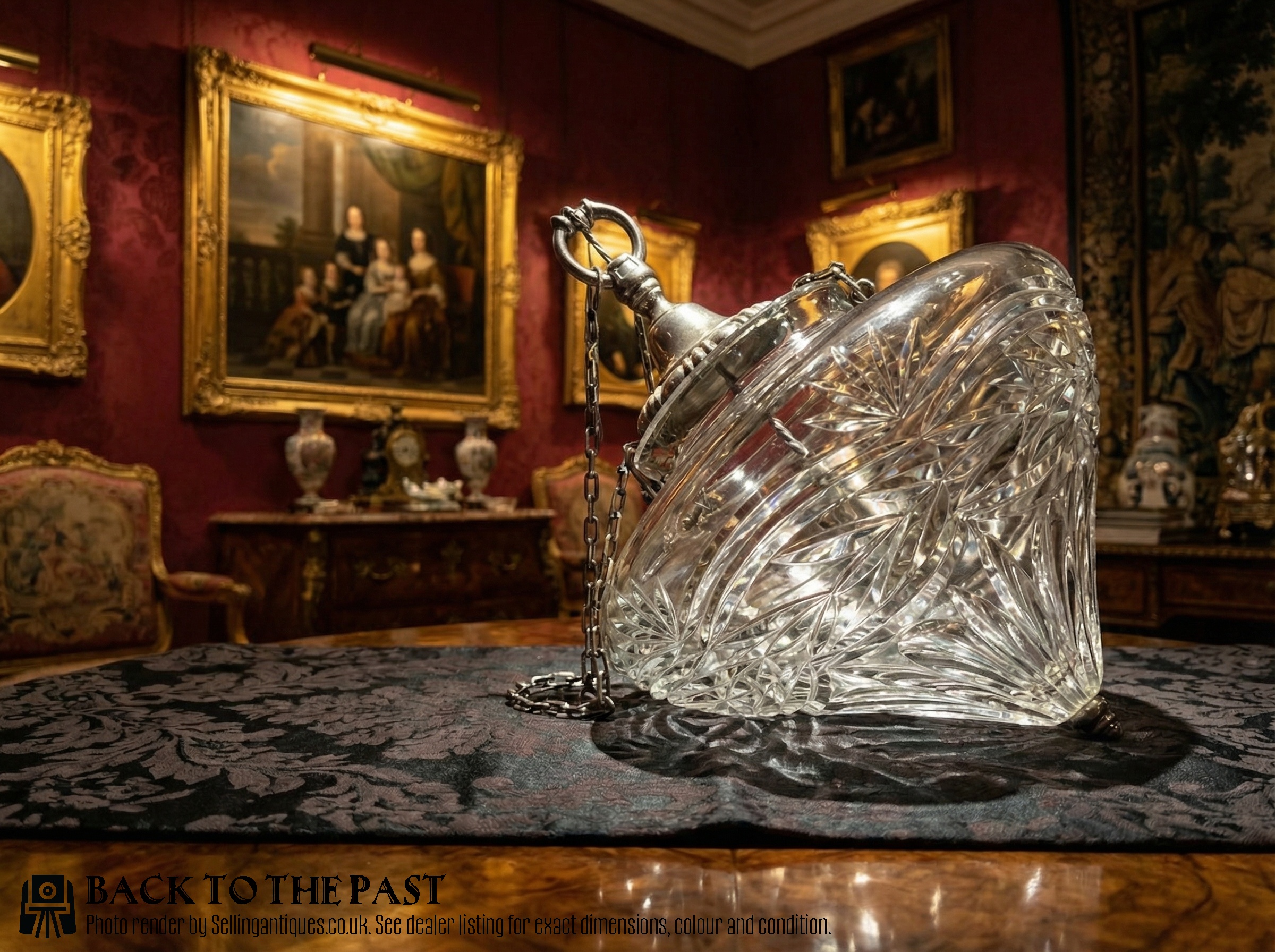
Makers constructed these pendant shades using frames of brass, bronze, chrome, or silver plating to support heavy glass elements. Cut glass crystals, beads, and prisms are suspended from these metal armatures using wire or pinned linkages.
Glass components feature hand-blown techniques, diamond cutting, and etching to create faceted surfaces that catch the light. Specific examples integrate decorative additions such as coloured glass drops, blue prisms, or floral wire motifs.
Factors of quality and craftsmanship
Quality rests upon the depth of the glass cutting and the clarity of the crystal components, which determine how brilliantly the shade refracts light. Superior pieces display crisp facets on spikes, domes, and beads rather than soft, moulded edges.
The choice of metalwork also defines the tier of the piece, with substantial brass, bronze, or silver-plated frames providing robust structure. Finer examples retain complex tiered configurations, matching finials, and integrated decorative prisms without missing elements.
The Vintage Crystal Pendant Shade Glossary
- Plafonnier
- A ceiling-mounted or close-hanging light fixture with a bowl or dome-shaped shade. These sit flush or close to the ceiling line.
- Prism
- A cut glass pendant designed to refract light into spectral colours. They hang from the main frame in various geometric shapes.
- Waterfall chandelier
- A multi-tiered lighting fixture where cascading strands of crystal beads resemble falling water. These designs often feature two or three graduating tiers.
- Bag chandelier
- A light fitting enclosed in a flat-backed or basket-shaped bag of glass beads and crystals. This compact form became popular during the early twentieth century.
- Spike chandelier
- A narrow pendant light featuring projecting glass spikes or spear-like prisms radiating outwards. They frequently measure around six to nine inches.
Vintage Crystal Pendant Shade: Frequently Asked Questions
How do I hang a crystal pendant shade?
These fixtures suspend from ceilings using wired fittings or chains attached to structural hooks. Professional installation ensures the weight of the metal and glass is securely supported.
Height placement depends on room clearance, with dining areas and hallways allowing for different hanging lengths to maximise illumination.
What periods do these shades come from?
The selection includes pieces spanning the Victorian era, the Edwardian period, and the nineteen-thirties. Early twentieth-century examples dominate the offerings.
Styles range from Arts and Crafts simplicity to ornate French Empire and Art Deco designs.
How do I clean a crystal pendant shade?
Dust the glass and metal components regularly with a soft cloth to maintain clarity. For deeper cleaning, delicate glass drops can be wiped individually while attached.
Harsh chemical cleaners should be avoided to protect silver plating, bronze, and brass patinas on the frames.
What materials are used in these shades?
Frames are fashioned from brass, bronze, chrome, or silver-plated metal. Glass elements consist of cut crystal, moulded glass, and hand-blown components.
Coloured glass drops and floral wire accents occasionally supplement clear crystal prisms.