

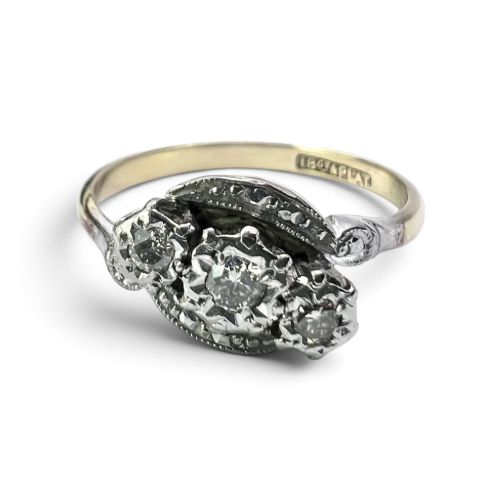
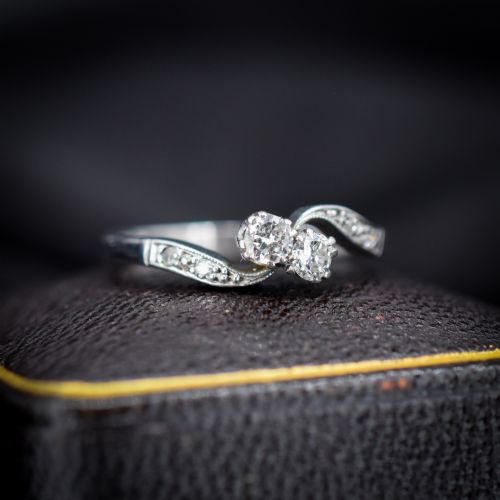
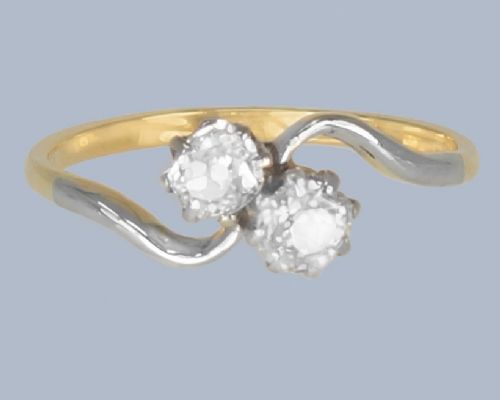
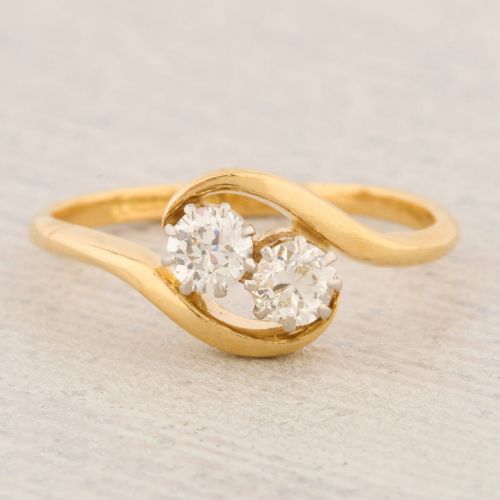

Vintage Crossover Engagement Ring
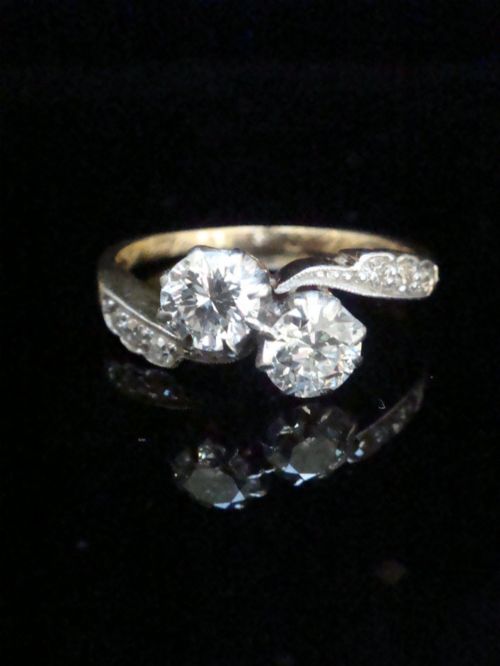
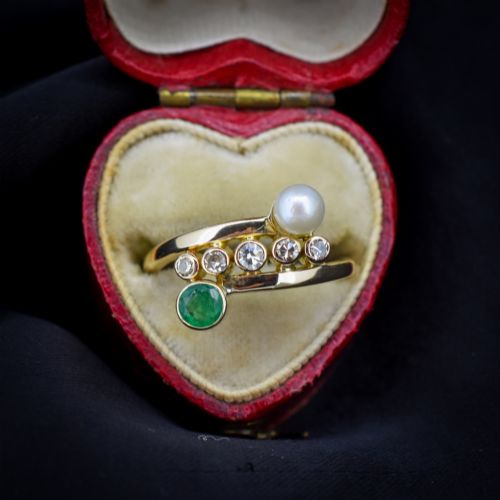
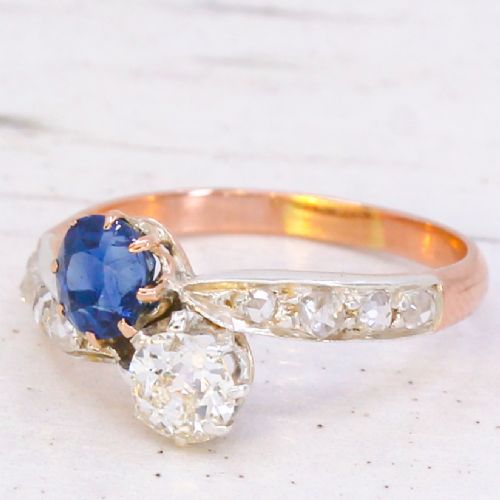
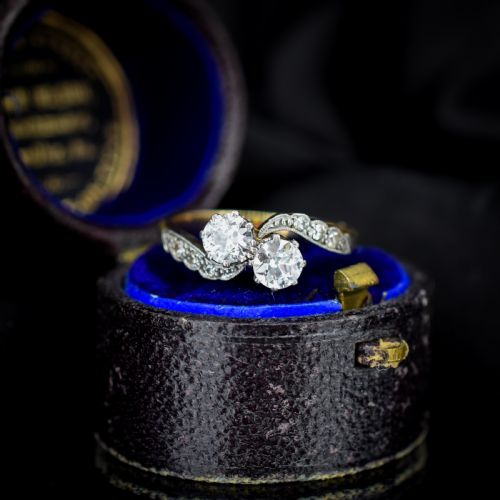
A vintage crossover engagement ring brings together two or more gems in a sweeping embrace that symbolises two lives meeting as one.
Vintage Crossover Engagement Ring
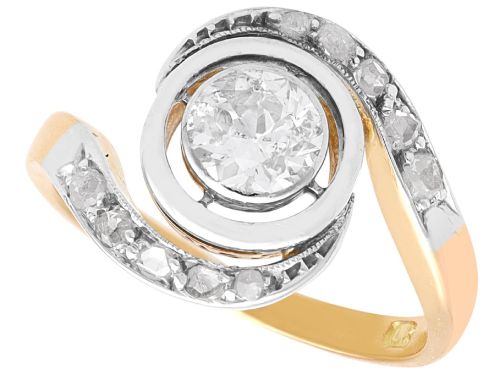
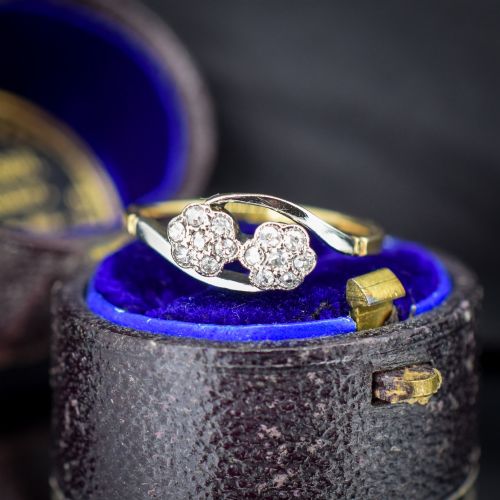
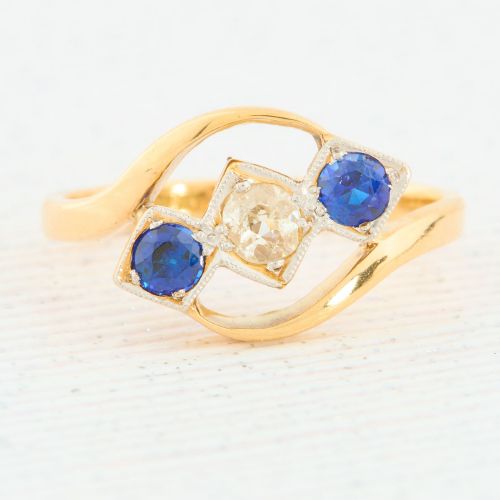
The selections available lean heavily towards Edwardian and Art Deco aesthetics, alongside mid-century examples from the nineteen-forties and fifties. Edwardian designs often pair old cut diamonds with pearls or rubies in platinum-topped gold, while Art Deco pieces bring geometric flair and vibrant sapphires.
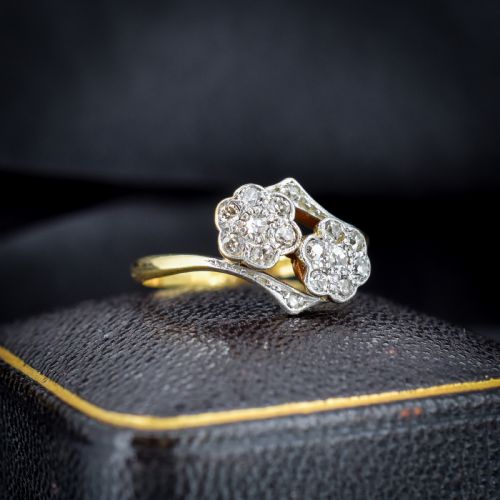
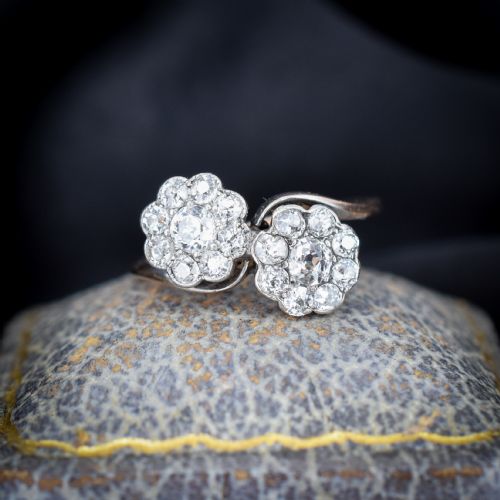
Buyers exploring this phrase will frequently encounter two-stone twist configurations and bypass rings where the shoulders wrap past each other. These forms evolved through the late nineteenth century and reached distinct artistic peaks during the periods spanning nineteen-ten to nineteen-thirty.
Materials and construction methods
Goldsmiths constructed these rings primarily using eighteen-carat yellow gold, eighteen-carat white gold and platinum. Platinum settings gained favour in Edwardian and Art Deco workshops for their strength, allowing artisans to secure delicate old cut diamonds and sapphires with minimal metal.
The setting techniques rely heavily on grain setting, claw work and platinum-topped gold fusion. Artisans shaped the shank to twist smoothly around the finger, requiring precise hand-forging to maintain the tension and symmetry characteristic of bypass and Toi et Moi rings.
Vintage Crossover Engagement Ring Retail Price Guide 2026
Typical asking prices for vintage crossover engagement ring among the pieces listed under this phrase on Sellingantiques today, from the lower quarter to the upper quarter. They describe what is for sale here now, not the wider market.
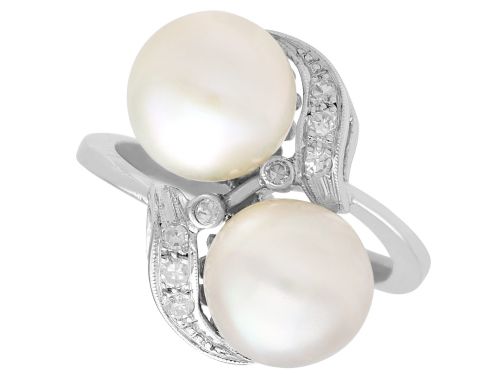
A surprise pearl often keeps company with an old cut diamond, proving that even centuries ago, opposites loved to attract.
Distinctions in quality and execution
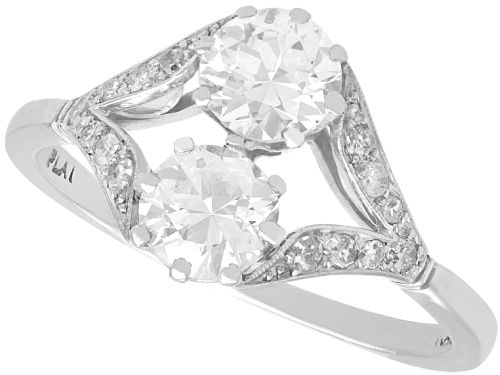
The distinction between standard examples and the finest pieces rests on the cut and match of the primary stones. In Toi et Moi rings, the visual harmony depends on the balanced proportions and matching brilliance of the two principal gems, whether diamonds or coloured stones.
Structural integrity and the preservation of original claw work or platinum-topped shoulders also determine the standing of a piece. Finer examples maintain crisp lines in their twist motifs and retain the original hand-cut facets of their diamonds without excessive wear to the surrounding metal.
The Vintage Crossover Engagement Ring Glossary
- Toi Et Moi
- French for you and me, describing a ring featuring two main gemstones set side by side in a twist or crossover design. This configuration gained popularity in the late nineteenth century and remained a favourite through the Edwardian era.
- Bypass
- A ring style where the two ends of the shank cross past each other without meeting directly. This design creates a dynamic sense of movement on the hand.
- Old Cut
- A general term for diamond cuts executed before the standardisation of the modern brilliant cut in the early twentieth century. These stones typically feature smaller tables and larger culets, producing a distinctive, softer candlelight gleam.
- Trilogy
- A ring featuring three principal stones set in a row, representing the past, present and future. In the context of crossover rings, these stones are sometimes integrated into a sweeping twist or swirl formation.
- Platinum-Topped
- A manufacturing method where a layer of platinum is fused to an eighteen-carat yellow gold shank. This technique provided the bright white backdrop preferred for diamond settings while retaining the warmer gold structure beneath.
Vintage Crossover Engagement Ring: Frequently Asked Questions
What is a Toi et Moi ring?
A Toi et Moi ring is a specific style featuring two principal gemstones that sit close together in a twisted or crossover band. The design translates from French as you and me.
Historically chosen for engagement rings, this layout symbolises two distinct individuals joining together. The stones can be matching diamonds or a combination of a diamond and a coloured gem such as a sapphire or ruby.
How do I care for a vintage crossover ring?
Caring for a vintage ring involves gentle cleaning with warm soapy water and a soft brush, avoiding harsh ultrasonic cleaners that can loosen older stones. Regular checks by a jeweller ensure the claws holding the diamonds or sapphires remain secure.
Storing the ring in a separate compartment prevents the platinum or gold shanks and older stones from scratching against other jewellery pieces.
Are these rings suitable for daily wear?
Most antique and vintage crossover rings in eighteen-carat gold or platinum are robust enough for everyday wear when handled with reasonable care. Settings featuring softer stones like pearls require extra mindfulness regarding knocks and water exposure.
Evaluating the thickness of the original band helps determine if the ring requires strengthening by a specialist before resuming daily service.
How do I identify an Edwardian crossover ring?
Edwardian crossover rings typically display delicate platinum-topped gold work, openwork filigree and old cut diamonds often paired with pearls or natural sapphires. The metalwork is characterised by lightness and fine millegrain detailing.
These pieces reflect the graceful, garland-style aesthetics prevalent from the turn of the twentieth century up to nineteen-ten.