

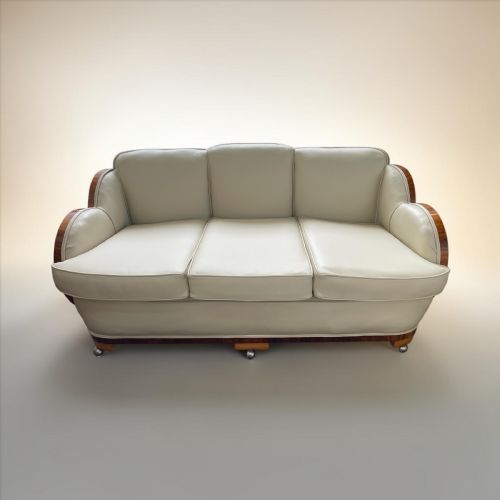


Vintage Cream Couch
A vintage cream couch brings deep character and period comfort to a room, offering generous seating rooted in 19th-century and early 20th-century design traditions.
Vintage Cream Couch
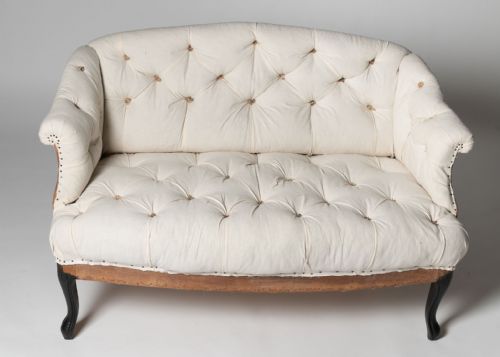
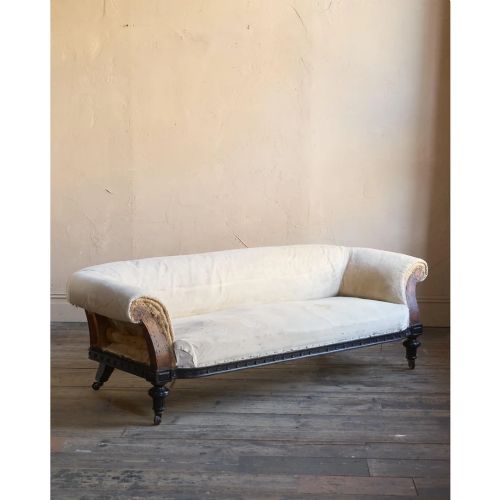
When you search for a vintage cream couch, you encounter a diverse selection of seating ranging from substantial country house sofas and deep Chesterfields to French salon settees and Art Deco three-piece suites. The pieces span the nineteenth century through the nineteen-thirties, incorporating styles such as Victorian, Edwardian, Art Deco, and French Louis variations.
You are most likely to meet substantial upholstered frames upholstered in neutral textiles, calico, leather, or linen. These pieces serve as functional centrepieces in reception rooms, drawing rooms, and studies, reflecting the craftsmanship of both English workshops and French ateliers.
How they were made
The structural foundations rely on hardwoods such as mahogany, walnut, rosewood, and giltwood, often shaped into show frames or carved legs with brass details. Joinery is traditional and robust, supporting deep spring units and hand-tied suspension systems.
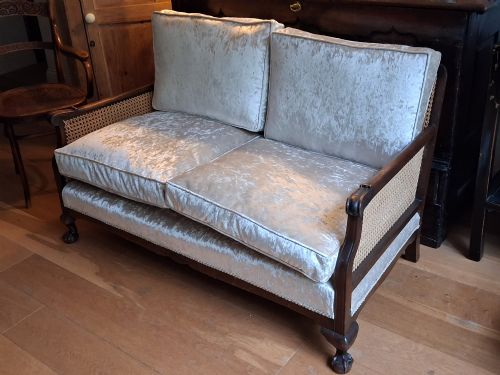
Upholstery techniques utilise layered natural fillings enclosed in durable fabrics like linen, calico, velvet, and leather. Canework, buttoning, and hand-carved decorative elements complete the construction of these substantial frames.
Vintage Cream Couch Retail Price Guide 2026
Typical asking prices for vintage cream couch among the pieces listed under this phrase on Sellingantiques today, from the lower quarter to the upper quarter. They describe what is for sale here now, not the wider market.
Listings feature 19th-century pieces alongside 1930s Art Deco suites, utilising materials like mahogany, brass, walnut, and leather.
What varies in quality
The distinction between tiers rests upon the integrity of the underlying timber frame and the precision of the joinery. Original show frames with crisp, hand-carved detailing and intact structural bracing command greater regard than altered or heavily restored carcasses.
The standard of upholstery materials and the fidelity of period finishing also divide examples. Pieces retaining original manufacturer signatures, robust internal springing, and refined decorative carving represent the higher end of the range.
Harry and Lou Epstein·Howard and Sons·Jas Shoolbred·Hampton and Sons
The Vintage Cream Couch Glossary
- Chesterfield
- A large upholstered sofa characterised by deep buttoning, rolled arms of the same height as the back, and traditionally finished in leather or fabric. It remains a staple of traditional English interior design.
- Chaise Longue
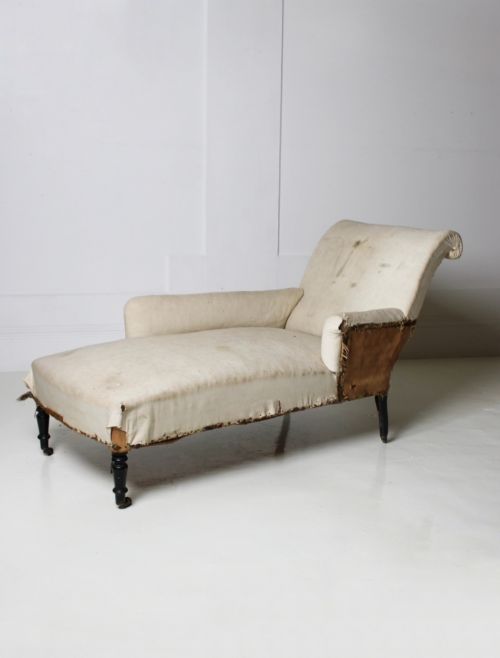
- An upholstered chair with a long seat large enough to support the legs, combining elements of a sofa and a bed. These date across various nineteenth-century and early twentieth-century stylistic periods.
- Bergère
- An enclosed upholstered armchair or sofa with wooden frames and woven cane side panels. The cane work requires considerable skill to produce and repair.
- Show Frame
- A wooden structural frame left partially or fully exposed around the upholstered elements of a settee or sofa. This highlights the carved mahogany, walnut, or giltwood craftsmanship.
- Calico
- A plain-woven unbleached textile frequently utilised as an initial upholstery layer or base cover beneath top fabrics. It provides a sturdy foundation for traditional stuffing methods.
Vintage Cream Couch: Frequently Asked Questions
What is a vintage cream couch?
A vintage cream couch is a period seating piece originating from the nineteenth or early twentieth century, upholstered in neutral or light-toned textiles. These items encompass diverse styles including Chesterfield, Art Deco, and French provincial designs.
They function as practical seating arrangements while providing historical character to modern and traditional interiors alike.
How do I identify the period?
Period identification relies upon examining structural timber, decorative carving styles, and upholstery methods. Characteristics such as exposed mahogany show frames, specific Victorian buttoning, or distinct Art Deco geometric lines point to exact eras. Nail heads, casters, and maker stamps further clarify the exact decade of manufacture.
Where were these sofas used?
These pieces originally occupied drawing rooms, country house reception halls, and grand salons. They provided formal seating for guests and comfortable lounging within large domestic spaces. Today, their generous proportions suit spacious living rooms, studies, and open-plan areas.
How do I care for leather and fabric?
Leather surfaces require regular conditioning with specialist balms to maintain flexibility and prevent drying. Fabric and linen upholstery benefit from gentle vacuuming and prompt professional cleaning for spills. Keeping pieces away from direct sunlight preserves both the wood finish and the textile colour.