


Vintage Craft Chairs
These vintage craft chairs bring honest construction and tactile materials directly into daily use.
Vintage Craft Chairs
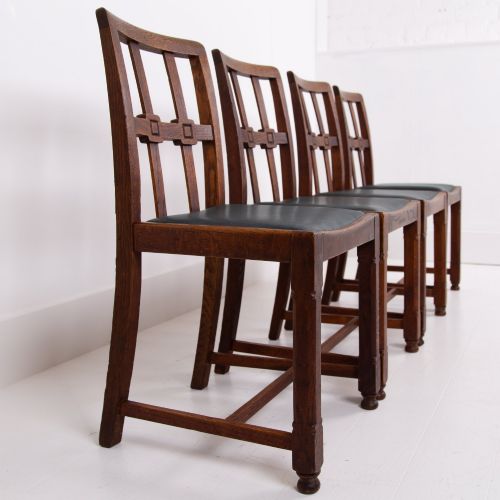
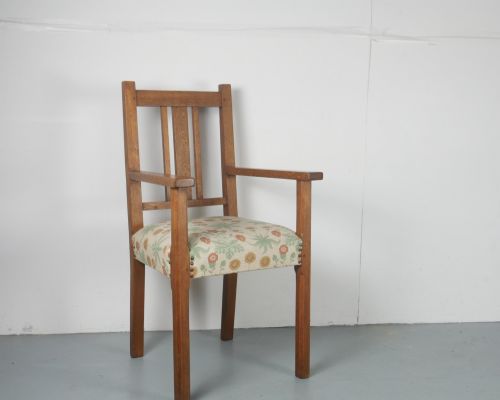
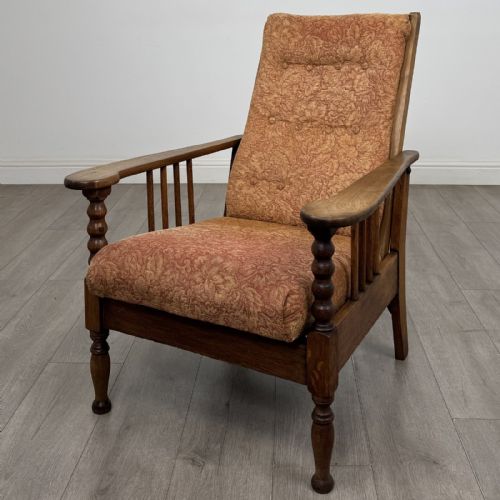
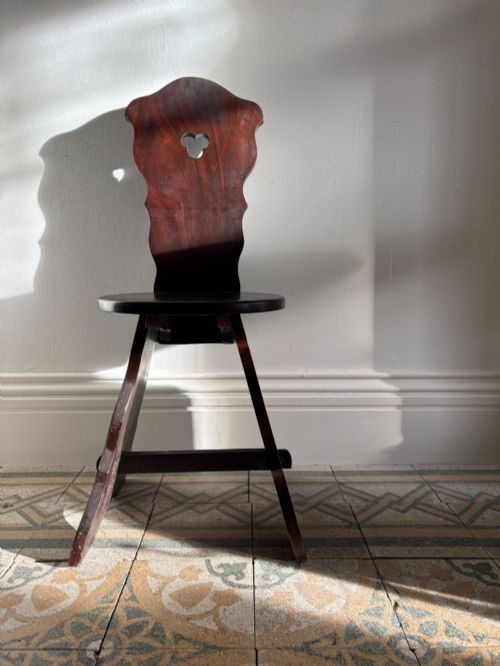
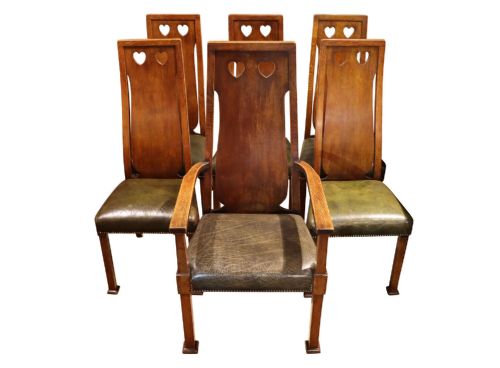
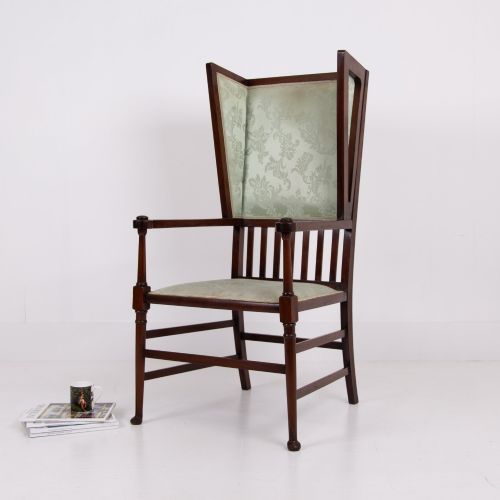
Vintage craft chairs embody the principles of the Arts and Crafts movement, focusing on utility, honest construction and materials that age with character. The selection spans dining chairs, armchairs, rocking chairs and hall chairs produced across the late nineteenth and early twentieth centuries.
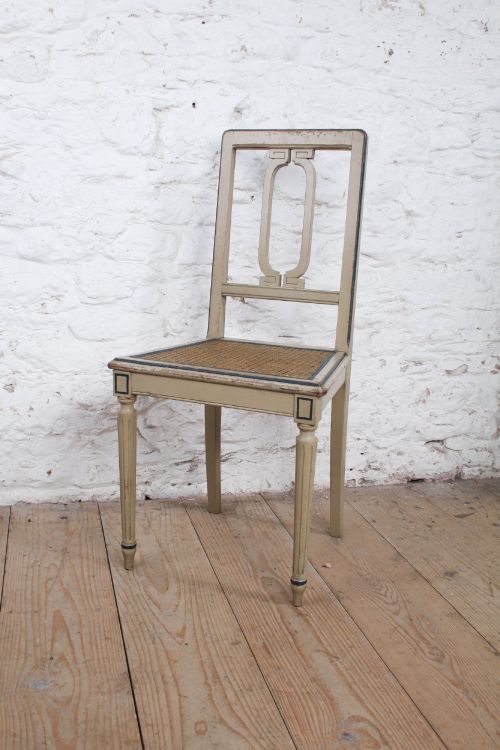
Oak remains the predominant timber, frequently accompanied by mahogany, teak and pitch pine. Seating surfaces utilise woven rush, split cane, leather, fabric and velvet, reflecting the period's preference for natural textures.
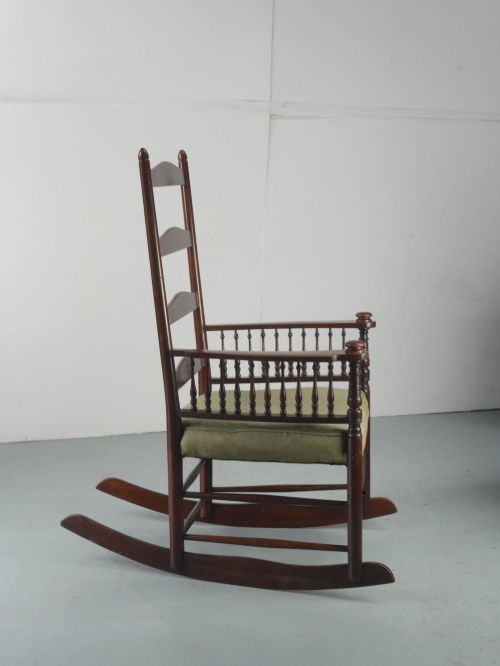
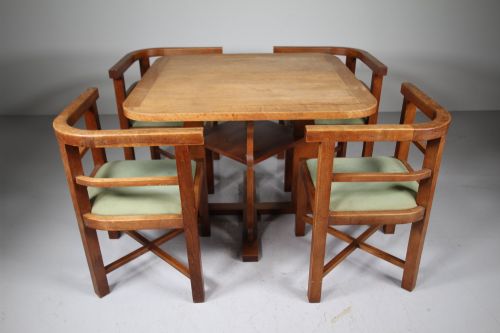
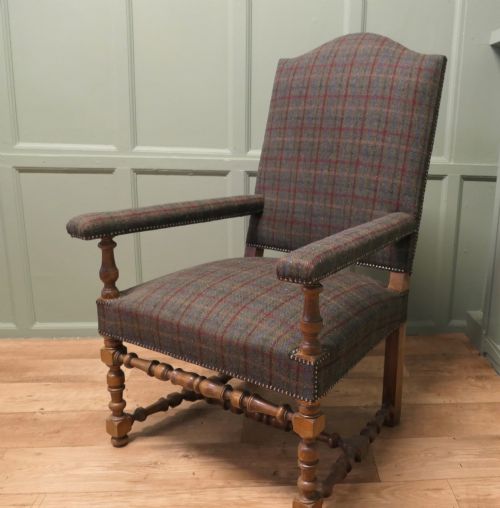
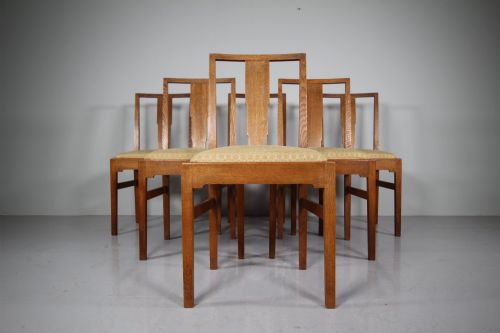
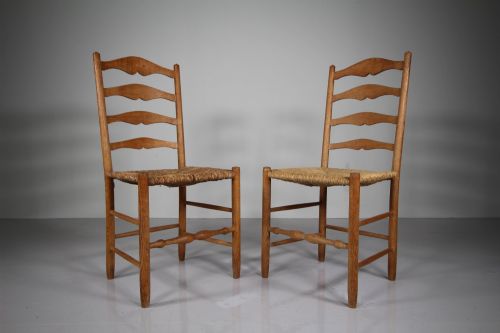
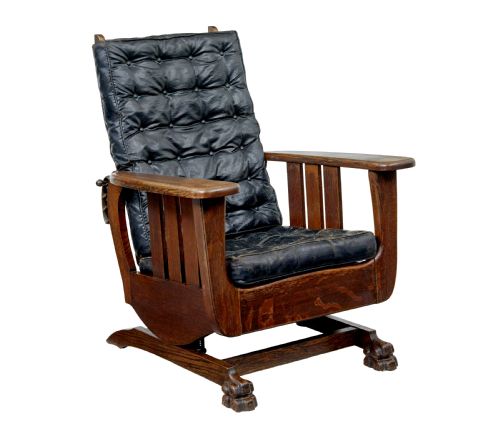
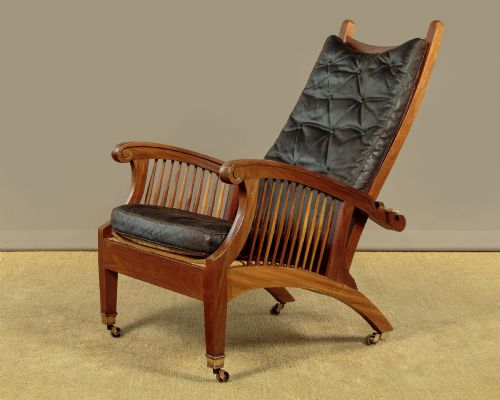
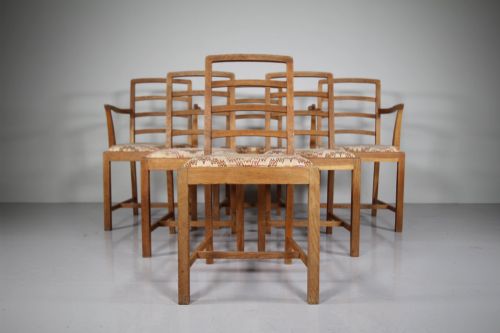
The aesthetic draws heavily on Arts and Crafts, Gothic Revival, Art Nouveau and Scottish School styles. Pieces range from simple ladderback designs to elaborate reclining armchairs and matched dining sets.
Materials and Making
Makers relied primarily on solid oak, utilising its dense grain for structural integrity in dining and armchair frames. Joinery was often left visible, celebrating traditional construction methods without hidden fasteners.
Seats incorporated natural materials such as hand-woven rush, cane, and stitched leather or fabric upholstery. These surfaces were chosen for durability and tactile warmth, contrasting with the hard polished finishes of earlier eras.
Vintage Craft Chairs Retail Price Guide 2026
Typical asking prices for vintage craft chairs among the pieces listed under this phrase on Sellingantiques today, from the lower quarter to the upper quarter. They describe what is for sale here now, not the wider market.
Materials documented across the inventory include solid oak, mahogany, pitch pine, rush, cane, leather, and velvet.
Judging Quality and Execution
Quality rests upon the integrity of the timber framing and the skill of the joinery. Hand-carved details, pegged joints, and maker stamps or labels elevate a piece significantly above standard commercial production.
The retention of original woven rush or properly executed traditional reupholstery maintains historical fidelity. Superior pieces balance functional comfort with structural robustness, showing thoughtful proportion and clean lines.
Neville Neal·Edward Barnsley·Heals of London·William Morris·Rossetti·Liberty Morris And Co·Dryad of Leicester
The Vintage Craft Chairs Glossary
- Ladderback
- A chair back featuring multiple horizontal slats between the upright posts. This traditional form appears frequently in early twentieth-century craft seating.
- Rush seat
- A seating surface woven from dried marsh grass or sedge over a wooden frame. It provides a flexible and durable texture common in vernacular seating.
- Glastonbury chair
- A low wooden armchair with an X-framed base and a sloping back, based on medieval designs. The style gained popularity during the Gothic Revival and Arts and Crafts periods.
- Sgabello
- A light wooden chair featuring solid trestle supports instead of conventional legs. Renaissance in origin, the form was reinterpreted by nineteenth-century craft makers for hall and occasional use.
- Tabard Inn chair
- A specific dining chair design associated with William Morris and his circle. These chairs utilise turned uprights and rush or upholstered seating.
Vintage Craft Chairs: Frequently Asked Questions
How do I identify an Arts and Crafts chair?
Look for exposed joinery, plain solid timber construction, and an emphasis on functional form over ornamental carving. Many pieces utilise natural seating materials like rush or cane.
Maker stamps, labels, or distinctive regional styles such as the Scottish School also help confirm the origins of these items.
Were these chairs meant for everyday dining?
Many of these pieces were built specifically as robust dining or kitchen chairs intended for daily domestic life. Solid oak frames and durable woven rush seats provided the necessary strength for regular use.
Larger armchairs and recliners were designed for fireside reading and relaxation in sitting rooms and libraries.
How should I care for rush and cane seats?
Keep natural woven rush and cane seats away from direct heat sources and excessive moisture to prevent the material from becoming brittle. Occasional gentle dusting and maintaining consistent indoor humidity will preserve the fibres.
Avoid heavy liquid cleaners, utilising a slightly damp cloth only when necessary for spot cleaning.