



Vintage Country House Armchair
A vintage country house armchair brings deep seating, relaxed pedigree and worn comfort straight into a sitting room.
Vintage Country House Armchair
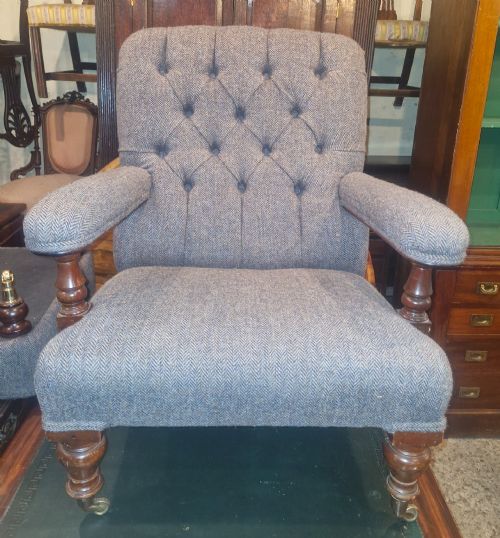
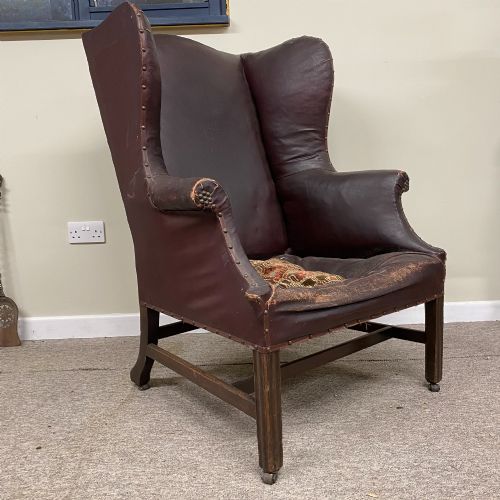
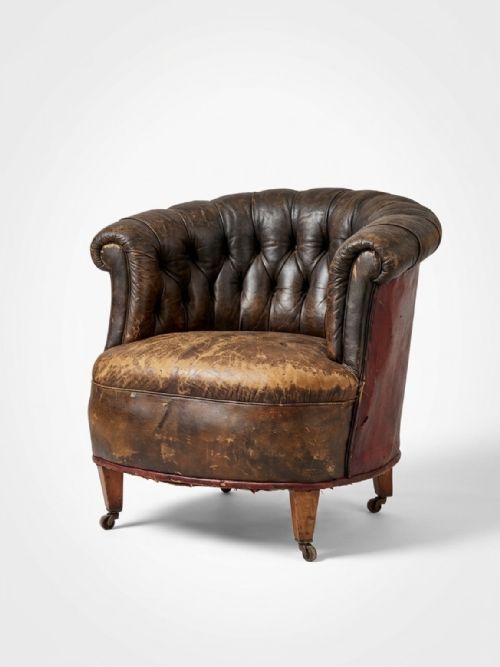
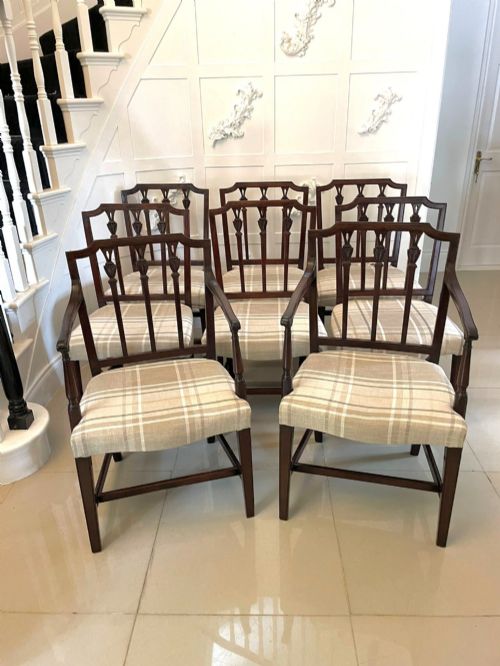
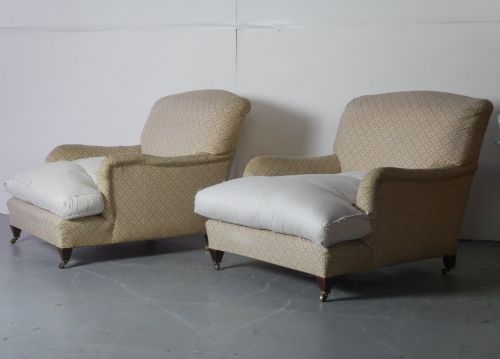
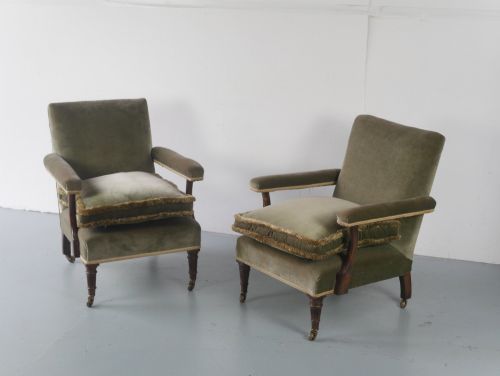
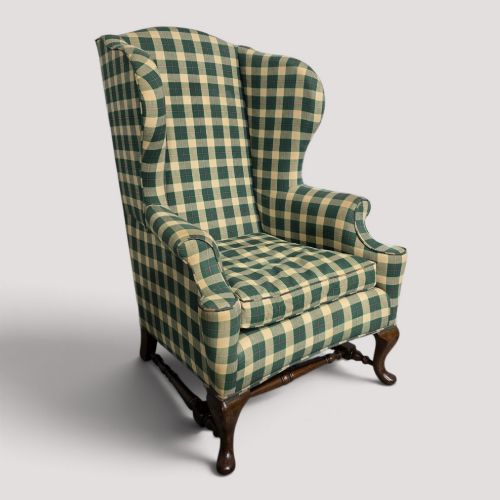
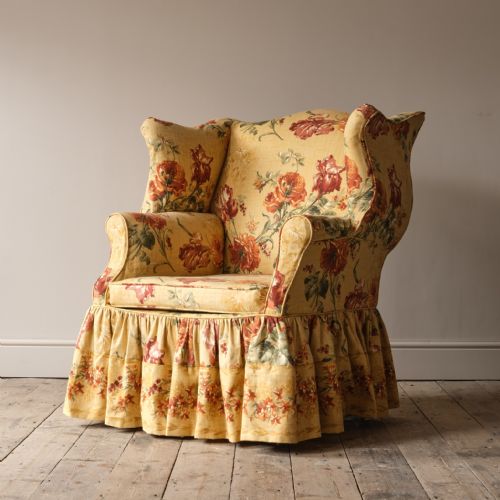
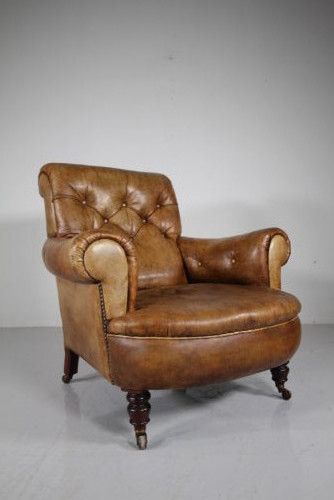
A vintage country house armchair covers a broad span of deep-seated library chairs, wingbacks, upholstered club chairs and robust wooden carvers designed for informal domestic comfort. Pieces matching this description appear across multiple eras, ranging from eighteenth-century George III examples and nineteenth-century Victorian designs to Edwardian and early twentieth-century creations.
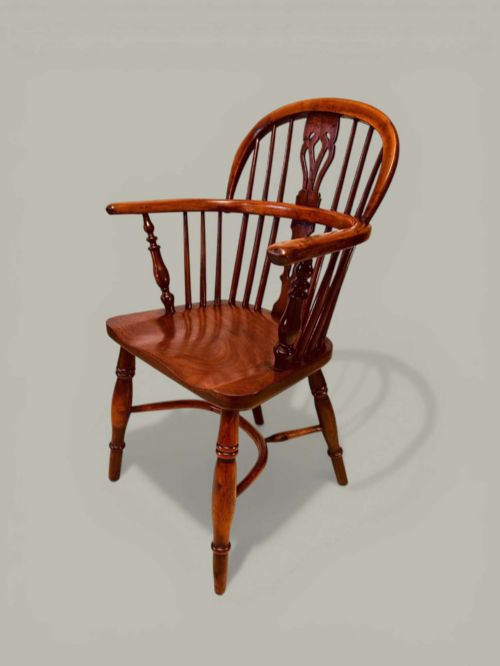
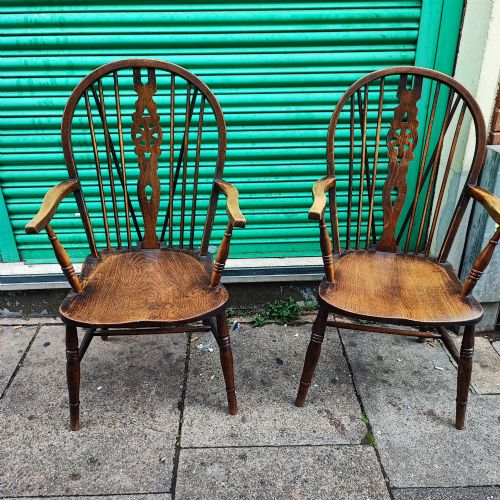
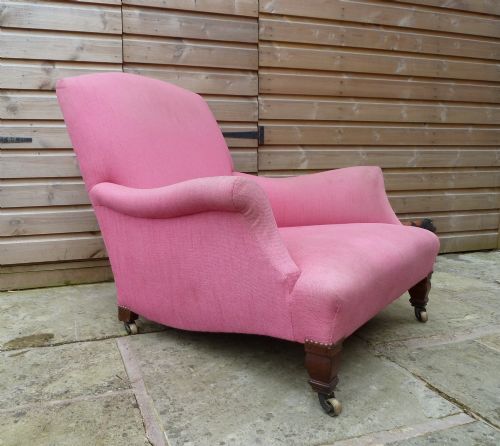
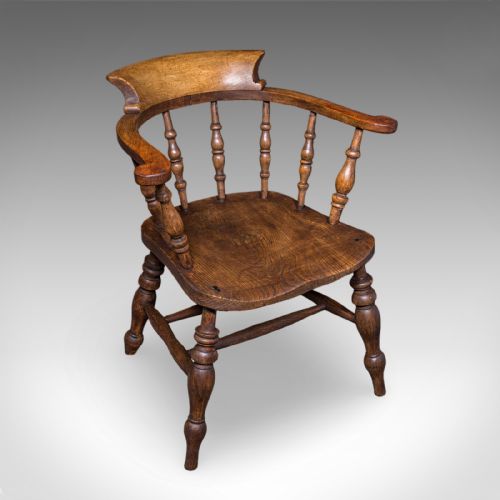
The selection on this page leans heavily into traditional English seating forms, including Windsor chairs, smoker's bows, wingbacks and substantial leather club armchairs. Buyers find everything from low-slung upholstered loungers to sturdy wooden framed armchairs built for daily use in large country residences.
Materials and construction
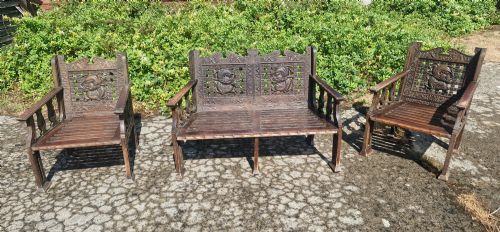
Frames rely on solid timbers such as mahogany, oak, walnut, elm, ash and yew, chosen for structural strength and durability. Woodwork frequently involves traditional joinery, turned supports and carved details, particularly on open armchairs and eighteenth-century dining or desk chairs.
Upholstered versions combine internal webbing and springs with durable coverings like leather, chenille twill and various fabrics. Brass fittings and decorative nails appear on leather library chairs and specific nineteenth-century upholstered forms.
Vintage Country House Armchair Retail Price Guide 2026
Typical asking prices for vintage country house armchair among the pieces listed under this phrase on Sellingantiques today, from the lower quarter to the upper quarter. They describe what is for sale here now, not the wider market.
Listings span the eighteenth, nineteenth and early twentieth centuries, featuring oak, mahogany, walnut, elm, ash, brass and leather.
Distinctions in quality
Quality rests primarily on the integrity of the timber frame, the depth and resilience of the underlying upholstery construction, and the retention of original or sympathetic materials. Superior examples display substantial scale, harmonious proportions and well-executed joinery or carving.
Makers and stylistic lineage significantly influence standing, particularly items associated with prominent nineteenth-century workshops like Howard and Sons. The character of the leather or fabric, including patination and age-related wear, separates standard production seating from pieces of distinct presence.
Whytock and Reid·Howard and Sons
The Vintage Country House Armchair Glossary
- Wingback armchair
- A large upholstered chair featuring protective side wings designed to shield the sitter from drafts near a fireplace. These chairs often possess deep seats and high backs.
- Windsor chair
- A wooden chair constructed with seating into which the legs and back spindles are inserted directly. Country versions frequently utilise elm, ash or yew.
- Smoker's bow
- A low sturdy wooden elbow chair with a rounded back rail, common in nineteenth-century English domestic settings. It shares construction traits with Windsor seating.
- Carver chair
- An armchair designed to match a set of dining chairs, typically featuring open arms and a raised seat height. These appear in mahogany, oak and elm.
- Club armchair
- A deep-seated upholstered lounge chair usually finished in leather. These chairs prioritise heavy padding and relaxed posture over formal upright support.
Vintage Country House Armchair: Frequently Asked Questions
What defines a country house armchair?
These armchairs are characterised by generous proportions, deep seating and an emphasis on comfort over rigid formality. They span various styles from traditional wingbacks to leather club seats.
Their domestic history means they were built to be used heavily in libraries, drawing rooms and studies across generations.
Are wooden country chairs comfortable?
Wooden country chairs like Windsors and smoker's bows rely on carved saddle seats and curved back rails to provide ergonomic support without padding. Their comfort comes from traditional craftsmanship shaping the timber to the body.
Adding a loose cushion is a common historical and modern way to soften the seat for extended sitting.
How do I care for antique leather upholstery?
Antique leather requires gentle cleaning and regular conditioning to prevent the hide from drying out and cracking over time. Keeping the leather away from direct heat sources preserves its natural oils and rich patination.
Allowing the surface to show natural signs of age maintains the character expected from vintage country house seating.