





Late Victorian Easy Chair
A late victorian easy chair brings comfortable seating and period character to a room, built for relaxation in the nineteenth century.
Late Victorian Easy Chair
When you search for a late victorian easy chair, you are looking at nineteenth-century seating designed for comfort and domestic repose. These pieces span the late Victorian era, with dates clustering around eighteen-eighty and nineteen-hundred.
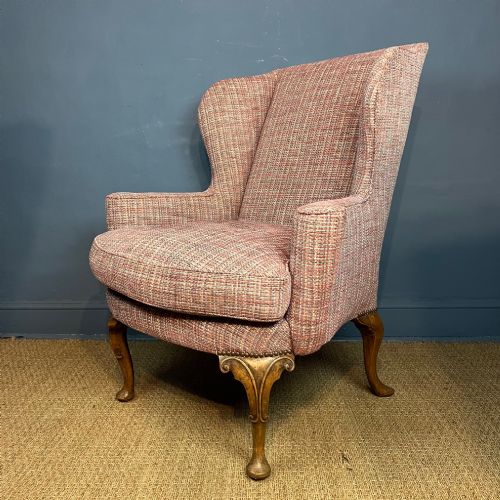
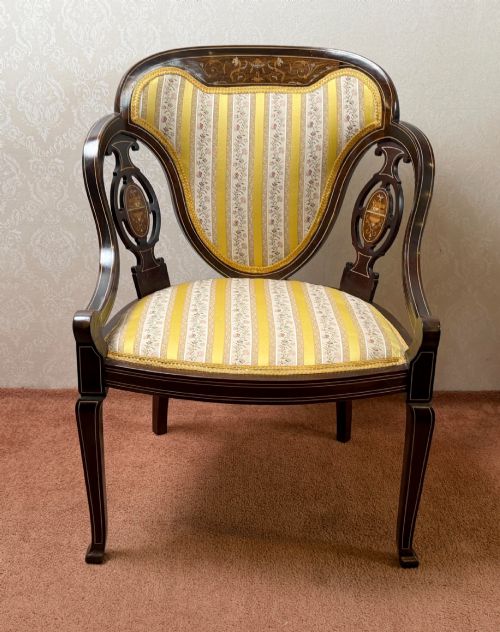
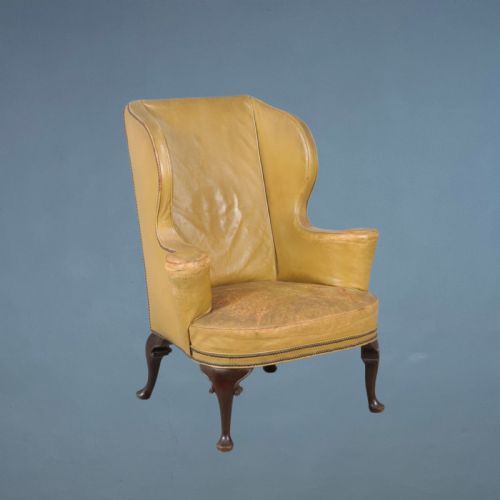
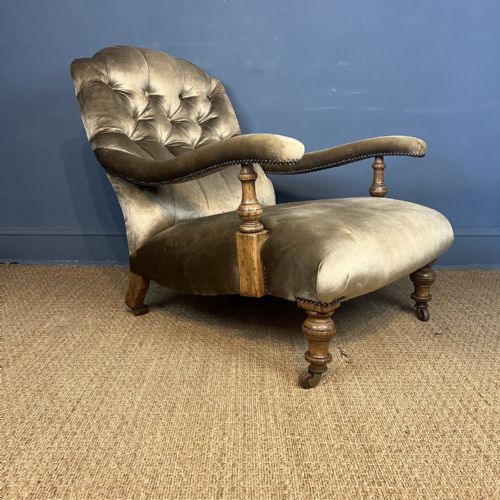
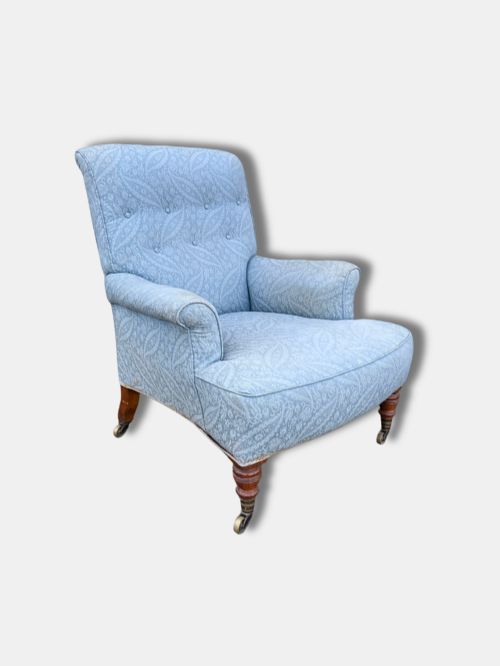
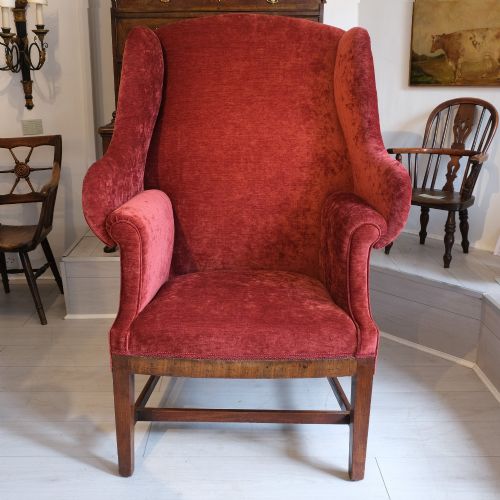
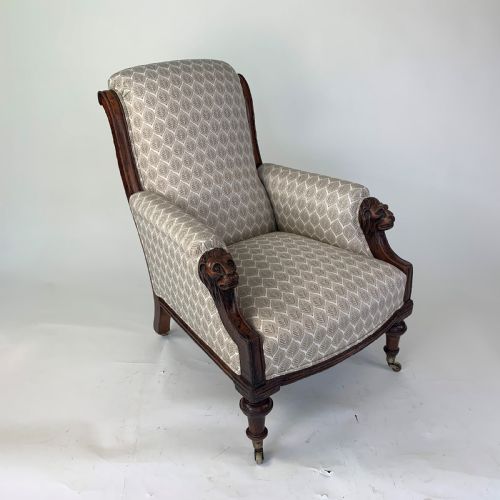
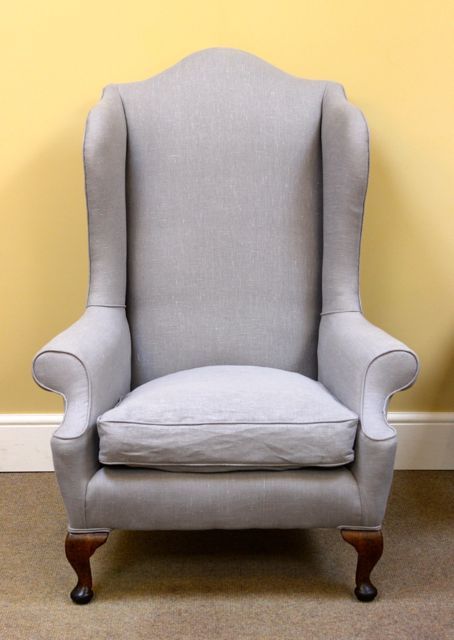
The form typically manifests as an armchair or a wing armchair, with upholstered frames suited for parlours and sitting rooms. You are most likely to meet wing back designs, button back chairs, and open armchairs on this page.
Origins trace across the nineteenth century, taking in both plain timber frames and revivalist designs. The aesthetic reflects the domestic comfort prioritised in late Victorian English homes.
How they were made
Makers built these frames using hardwoods such as mahogany, walnut, and oak, often exposing the timber on legs and arm supports. Brass castors frequently finish the feet to allow movement across carpets and wooden floors.
Upholstery defines the character of these chairs, employing materials like linen, leather, velvet, and various woven fabrics. Button backing and wing profiles required skilled padding and springing to achieve the desired shape and support.
Late Victorian Easy Chair Retail Price Guide 2026
Typical asking prices for late victorian easy chair among the pieces listed under this phrase on Sellingantiques today, from the lower quarter to the upper quarter. They describe what is for sale here now, not the wider market.
Listings feature nineteenth-century seating constructed from mahogany, walnut, oak, and timber, upholstered in leather, velvet, linen, and fabric.
What varies in quality
The distinction between ordinary and superior examples lies in the timber selection and the precision of the frame construction. Walnut and mahogany frames show finer grain and more careful turning than standard oak or general timber alternatives.
Upholstery execution separates the workshop tiers, visible in the symmetry of buttoning, the tautness of the fabric covering, and the shaping of wing profiles. The integration of maker styles, such as Howard and Sons influences or Queen Anne revival lines, elevates the design ambition.
Howard and Sons
The Late Victorian Easy Chair Glossary
- Wing armchair
- An upholstered seat featuring side panels or wings designed to shield the occupant from draughts. These elements project forward from the backrest.
- Button back
- A style of upholstery where depressions are formed in the padding by stitching buttons at regular intervals. This technique secures the stuffing and creates a quilted texture.
- Queen Anne revival
- A design style drawing inspiration from early eighteenth-century forms, characterised by curved lines and walnut frames. It reappeared in late nineteenth-century furniture.
- Open armchair
- A seat without upholstered side panels, leaving the wooden arm supports visible. These chairs offer a lighter visual profile than enclosed wing designs.
- Castor
- A small wheel fitted to the foot of a chair leg to ease movement. Brass fittings are common on nineteenth-century seating.
Late Victorian Easy Chair: Frequently Asked Questions
How do I identify a late Victorian armchair?
Look for nineteenth-century timber frames paired with upholstery styles like button backing or wing profiles. Dates often cluster around eighteen-eighty to nineteen-hundred.
Check for materials such as walnut, mahogany, and brass castors which typify the period production methods.
Were these chairs used in bedrooms?
These comfortable seating pieces served primarily in sitting rooms, parlours, and drawing rooms for daily relaxation and reading. Their substantial upholstery suited principal reception spaces.
Smaller open armchairs sometimes found placement in dressing rooms or bedrooms depending on the household layout.
How do I care for leather upholstery?
Leather surfaces on nineteenth-century seating require gentle dusting and occasional conditioning to prevent drying. Keep them away from direct heat sources and strong sunlight.
Avoid harsh chemical cleaners, using instead specialist leather balms recommended for antique pieces.
What wood types should I expect?
Makers primarily utilised mahogany, walnut, and oak for the exposed frames and structural elements. Timber choice often reflects the quality tier of the specific piece.
Brass hardware frequently accompanies these woods on castors and decorative tacks.