


Vintage Copper Trinket Box
These vintage copper trinket box examples bring genuine metalwork character to a dressing table, offering small-scale storage with distinct period presence.
Vintage Copper Trinket Box
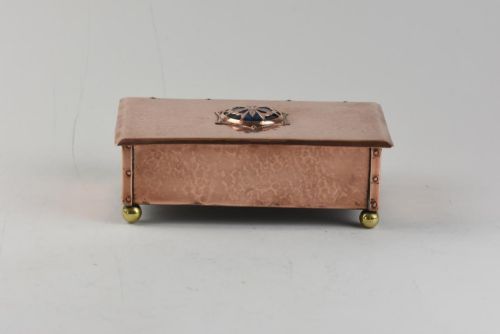
The selections on this page highlight distinct stylistic movements, including Arts and Crafts designs alongside earlier Georgian and Victorian examples. Formats vary from simple rectangular shapes to elaborate specimens featuring repoussé decoration and enamel cabochons.
Materials and construction
Construction relies heavily on sheet copper and metal alloys, shaped to form rigid bodies for small receptacles. Artisans employed hand-beating and repoussé techniques to raise decorative motifs directly from the metal surface.
Surface ornamentation integrates applied elements such as enamel cabochons, brass mounts, and detailed metal overlays. Finishes range from deliberate bronze patinas to silvered copper coatings and traditional gilt applications.
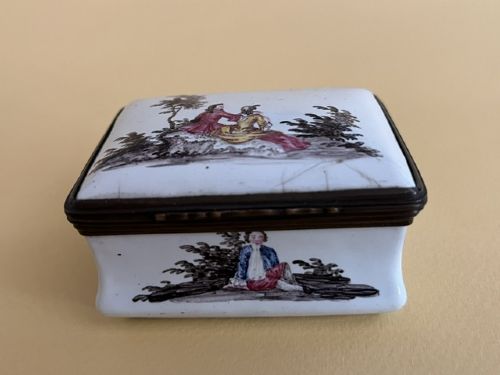
Certain pieces incorporate specialist techniques like lithographed tinplate or fine enamel work, particularly seen in historical patch and snuff boxes. Makers balanced structural utility with decorative surface work, utilising hinges and fitted lids to complete each vessel.
Listings feature periods spanning from the eighteenth century through to nineteen-hundred, incorporating materials such as copper, enamel, and gilded metal.
Judging quality in period metalwork
Quality rests upon the crispness of the metalwork and the integration of decorative details. Hand-executed repoussé work demonstrates superior artisan involvement compared to simpler, uniform pressings.
The selection of secondary materials, such as central enamel cabochons or cast brass mounts, influences the overall character of the piece. Superior examples maintain structural integrity in their hinges and closures whilst preserving their original surface patination.
Hunter and Palmer
The Vintage Copper Trinket Box Glossary
- Repoussé
- A metalworking technique where the artisan hammers the metal from the reverse side to form a raised design on the front. This method creates tactile, highly decorative relief patterns on box lids and sides.
- Cabochon
- A polished, convex gemstone or enamel inset without facets, frequently mounted centrally on metal boxes. These elements add focal colour and texture to Arts and Crafts designs.
- Patch box
- A small historical container originally designed to hold cosmetic patches used in previous centuries. These delicate items often feature hinged enamel lids.
- Patina
- The natural surface transformation and coloration acquired by metal over long periods of exposure and handling. Collectors value undisturbed patinas for the historic depth they impart.
- Casket
- A larger, more ornate box historically utilised for storing jewellery or precious keepsakes. These pieces frequently feature heavier metal framing and lining.
Vintage Copper Trinket Box: Frequently Asked Questions
What were small antique boxes used for?
These vessels served practical purposes for holding personal items such as snuff, cosmetic patches, cigars, or small trinkets. Their portable scale made them suitable for pocket carriage or placement on dressing furniture.
Over time, their function shifted from utilitarian daily accessories to decorative cabinet pieces appreciated for their craftsmanship and historical materials.
How can I date an old copper box?
Dating relies on observing stylistic markers, manufacturing techniques, and material combinations typical of specific periods. Arts and Crafts items from around nineteen-hundred often display hand-beating and enamel cabochons, whereas eighteenth-century pieces frequently feature specialised enamel work.
Examining construction methods like hinge types and interior linings provides further clues to a box's chronological origin.
How should I clean a copper trinket box?
Cleaning antique metal requires a gentle touch to preserve the historic surface and natural patination valued by collectors. Aggressive polishing removes the aged character that accumulates over centuries.
Dusting with a soft, dry cloth is generally sufficient for routine maintenance, avoiding harsh chemical cleaners that can damage applied patinas or enamel.
What is the difference between a trinket box and a patch box?
A patch box is a specific, compact historical container traditionally made for holding small fabric cosmetic patches used in the eighteenth century. They frequently feature hinged enamel lids and diminutive proportions.
Trinket boxes encompass a broader category of storage vessels designed for jewellery and small keepsakes across various nineteenth and twentieth-century styles.