
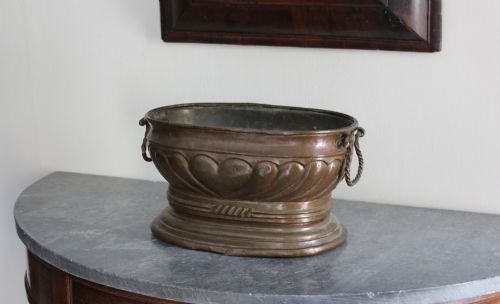
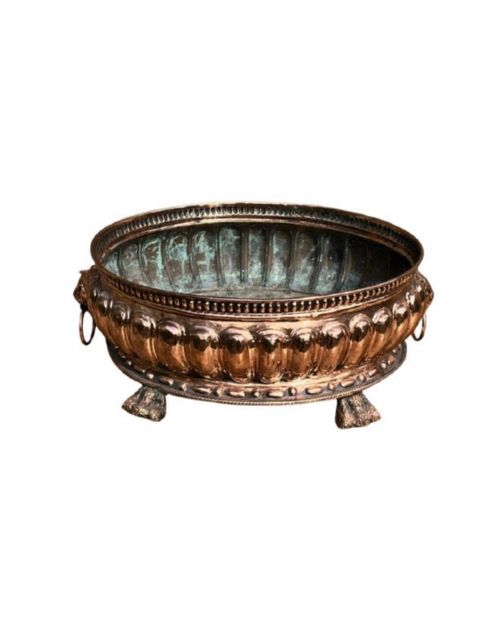

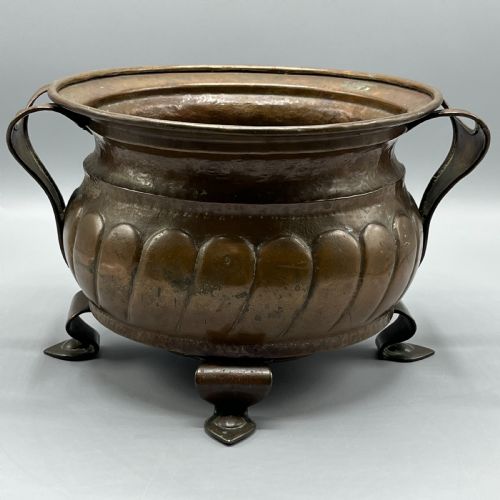


Vintage Copper Jardiniere
A vintage copper jardiniere brings warmth and texture to an interior, housing houseplants or serving as a decorative vessel.
Vintage Copper Jardiniere
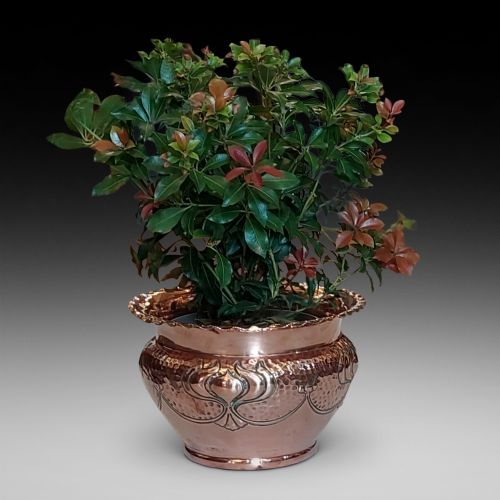
A vintage copper jardiniere is primarily a decorative plant holder or container designed for indoor greenery. When searching for a vintage copper jardiniere, buyers encounter vessels spanning several distinct periods, including Victorian, Edwardian, and Arts and Crafts eras.
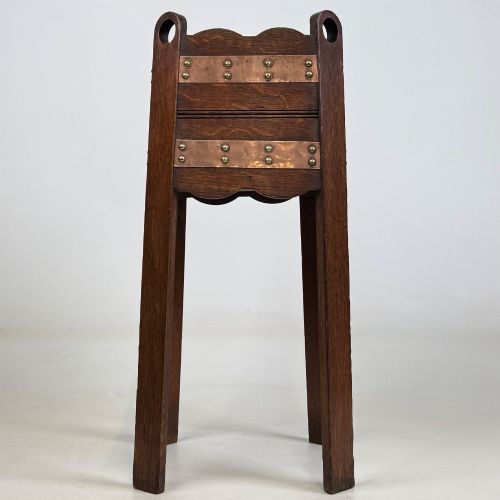
The forms vary from traditional round pots to oval vessels, log buckets, and footed planters on stands. Many pieces incorporate contrasting metals or timbers, linking the plant holder directly to related forms like wine coolers and plant stands.
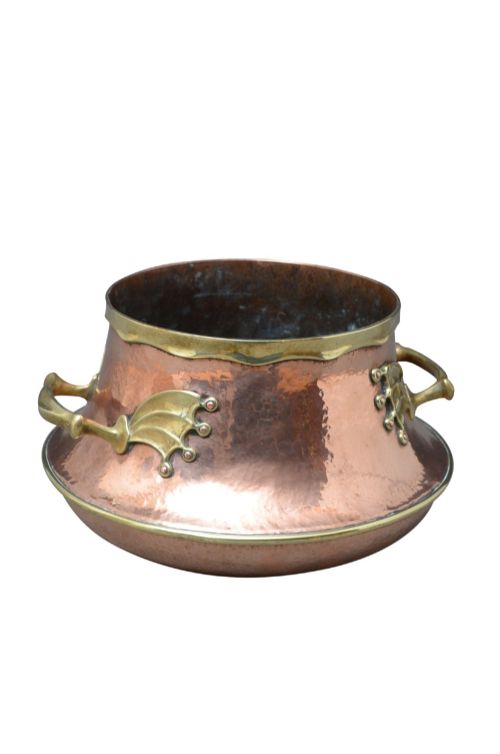
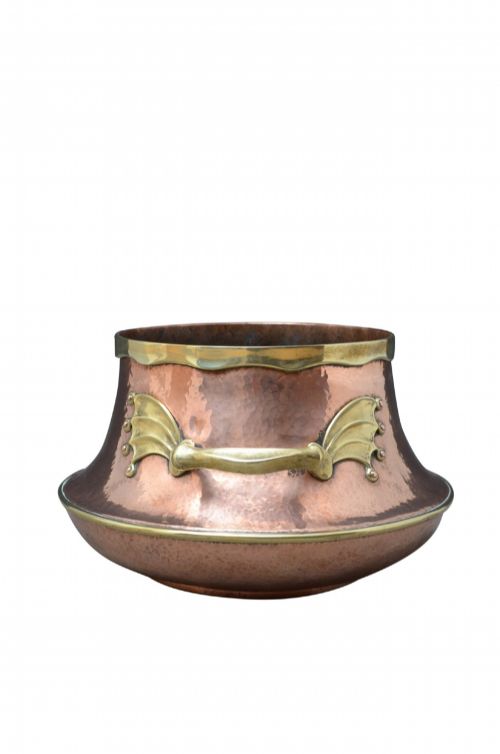
Originating largely from the nineteenth and early twentieth centuries, these metal containers reflect domestic horticulture trends of their day. Buyers most frequently meet Arts and Crafts examples alongside robust Victorian designs featuring brass handles and riveted construction.
Materials and Construction
Makers formed these vessels predominantly from sheet copper, often utilising hand-hammered techniques that left visible tool marks across the surface. Brass was frequently employed for feet, handles, rims, and decorative mounts to create a warm tonal contrast.
Internal elements sometimes included tin linings or wooden components such as oak and walnut bodies, particularly in pieces that doubled as wine coolers or plant stands. Wrought iron and ebonised wood also appear in stands and mounts, anchoring the soft metalwork to sturdy structural frames.
One unexpected variant crosses domestic metalwork with luggage design, appearing as a copper Gladstone bag configured to hold plants.
Distinctions in Quality
Quality rests upon the weight of the metal gauge and the integrity of the construction, such as dovetailed seams or hand-beaten hammering rather than mass-produced stamping. Superior examples display thoughtful proportion, secure handles, and well-integrated brass or wooden mounts that remain firm.
The character of the aged patina also separates standard production from exceptional pieces, showing deep, unpolished warmth rather than harsh chemical cleaning. Finer vessels retain their original linings and structural hardware without crude repairs or replacement parts.
The Vintage Copper Jardiniere Glossary
- Jardiniere
- An ornamental pot or stand for holding plants or flowers. These vessels sit indoors on tables, sideboards, or dedicated plant stands.
- Arts and Crafts
- A design movement prioritising traditional craftsmanship and visible hand-working. Pieces from this style often feature hammered copper surfaces and simple, honest construction.
- Patina
- The surface appearance developed through age, oxidation, and handling. On these metals, a good patina shows varied tones of brown and red.
- Planter
- A container used for growing or displaying plants. They share similar forms with jardiniere vessels but may include drainage provisions or specific internal liners.
Vintage Copper Jardiniere: Frequently Asked Questions
How do I clean a copper jardiniere?
Maintenance depends entirely on whether you prefer a bright polished shine or the deep historical patina accumulated over decades. Most collectors choose to leave the darkened surface untouched, simply dusting the vessel with a soft dry cloth.
If cleaning is necessary for hygiene or personal taste, use a gentle non-abrasive metal cleaner designed specifically for copper. Avoid harsh scrubbing that removes the character and age marks integral to antique metalwork.
Can I plant directly inside the pot?
Direct planting is generally discouraged because moisture and damp soil accelerate internal corrosion and degrade any historic tin linings. Constant contact with wet compost can weaken the metal seams over time.
Instead, place a modern plastic pot or saucer inside the vessel to hold the plant and catch excess water. This practice protects the historic interior while allowing you to use the jardiniere safely for greenery.
What is the difference between a jardiniere and a wine cooler?
Jardinieres and wine coolers often share identical forms, oval shapes, and metal construction, making their historical use somewhat interchangeable. Wine coolers typically featured watertight linings or insulated bodies intended to hold ice and bottles during dining.
Many pieces served multiple domestic functions depending on the household's needs at the time. A container might act as a plant holder in the parlour and a bottle cooler in the dining room.
How do I date an Edwardian copper piece?
Dating relies on observing stylistic markers, construction methods, and materials associated with the early twentieth century. Edwardian pieces frequently blend Arts and Crafts hand-craftsmanship with lighter proportions than their heavy Victorian predecessors.
Compare the piece against known design traits of the period, such as specific brass mount shapes or ebonised wood stands. Structural details and hardware often provide the clearest clues to manufacturing decades.