

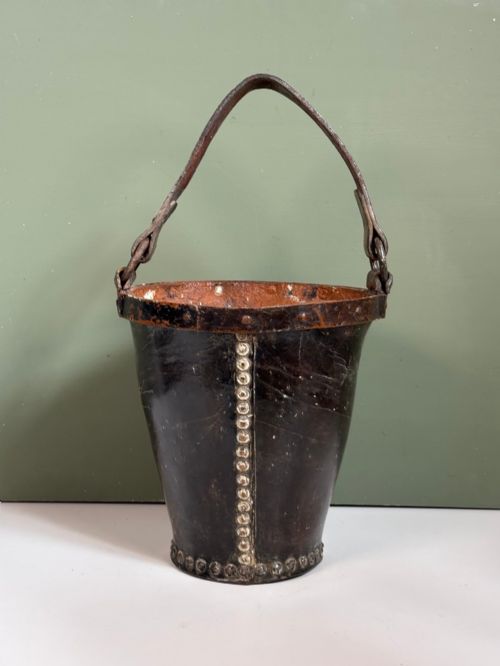


Vintage Copper Ash Scuttle
A vintage copper ash scuttle brings warmth and character to a hearth, combining sturdy metalwork with practical fireside utility.
Vintage Copper Ash Scuttle
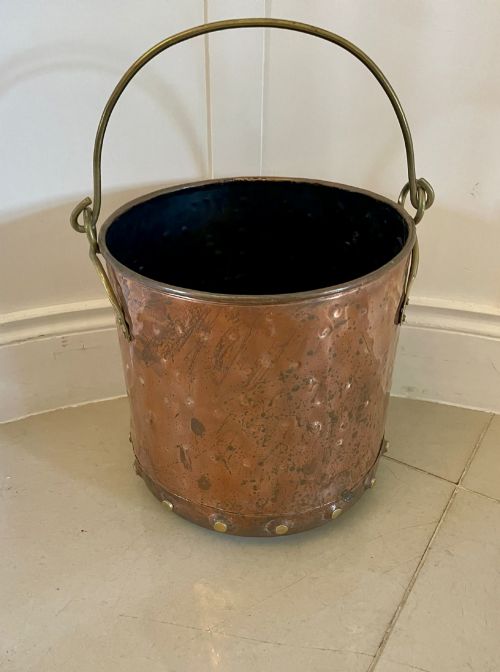
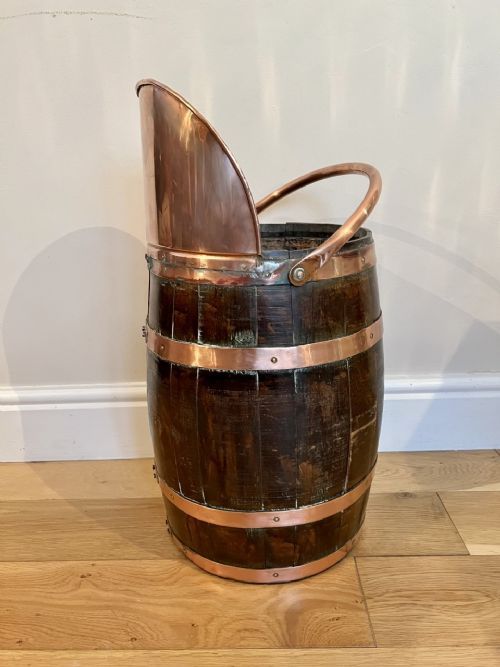
When searching for a vintage copper ash scuttle, buyers encounter durable fireside containers designed for holding fuel and managing hearth waste. The pieces appearing here span from the 1800s to the 1930s, encompassing styles from Georgian and Victorian periods through to Arts and Crafts, Art Nouveau, and Art Deco.
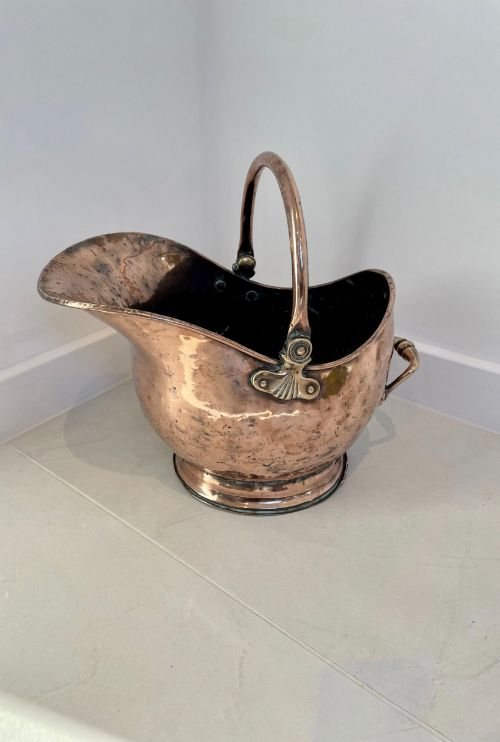
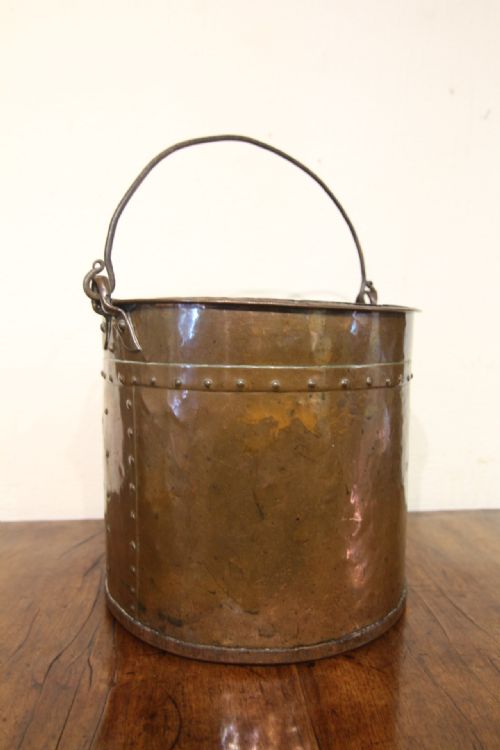
Helmet shapes, cylindrical buckets, circular bins, and cauldrons dominate the forms available. These vessels often incorporate brass handles, iron swing bails, and wooden grips to facilitate carrying heavy loads of coal or logs from the scuttle to the grate.
How they were made
Makers formed these containers primarily from sheet copper, frequently joining the seams with visible rivets for structural strength. Brass components, including swing handles, feet, and rims, provide contrasting metallic detail against the warmer copper body.
Vintage Copper Ash Scuttle Retail Price Guide 2026
Typical asking prices for vintage copper ash scuttle among the pieces listed under this phrase on Sellingantiques today, from the lower quarter to the upper quarter. They describe what is for sale here now, not the wider market.
Listings span the nineteenth and twentieth centuries, featuring materials such as copper, brass, wrought iron, oak, and boiled leather across Georgian, Victorian, and Arts and Crafts styles.
What varies in quality
The distinction between standard utility items and finer pieces lies in the substance of the metal gauge and the precision of the hand-beating or riveting. Heavier metal gauge prevents warping under the heat and weight of daily use.
Artistic execution also separates the ranges, seen in the fluid plant motifs of Art Nouveau examples or the hand-hammered surfaces typical of Arts and Crafts pieces. Subtle decorative touches on brass mounts and swing handles elevate the finished work.
The Vintage Copper Ash Scuttle Glossary
- Scuttle
- A metal container with a handle and a sloping lip, designed specifically for holding and pouring coal onto a fire. These vessels often feature a wide base for stability on the hearth.
- Helmet scuttle
- A traditional hearth bucket featuring a flared rim resembling a medieval helmet, paired with a hinged handle across the top and a smaller grip at the rear for tipping. This form gained immense popularity during the Victorian era.
- Riveted
- Joined together using short metal pins hammered flat at the ends, creating a visible and permanent mechanical bond along the seams of the copper body.
- Dinanderie
- A medieval term revived to describe decorative objects made of beaten brass, copper, or bronze, often associated with Art Deco cauldrons and planters.
- Swing bail
- A curved metal handle attached to opposite sides of a bucket or scuttle, allowing the user to lift and tilt the vessel safely.
Vintage Copper Ash Scuttle: Frequently Asked Questions
What is a copper ash scuttle?
A copper ash scuttle is a functional hearth container made from sheet metal, designed to hold fuel or clear out spent embers.
These vessels combine durable metal construction with decorative appeal, making them traditional fireplace accessories.
How do I date a copper scuttle?
Dating relies on identifying the prevailing aesthetic style, such as Georgian simplicity, Victorian ornamentation, or Arts and Crafts hand-hammering.
Construction details, including the type of riveting, handle attachments, and accompanying materials like oak or brass, also indicate the period of manufacture.
Can I use it for logs?
Many larger buckets, cauldrons, and bins serve equally well for storing logs beside the fireplace.
Sturdy construction in copper and wrought iron allows these containers to withstand the weight and rough texture of firewood.
How do I clean copper?
Maintenance typically involves wiping the surface with a soft cloth to remove dust and maintain the metal finish.
Harsh abrasive cleaners can strip away aged patination that collectors appreciate on older pieces.