

Vintage Console Furniture
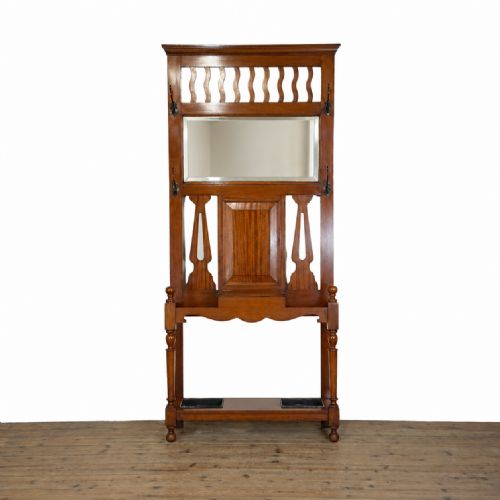
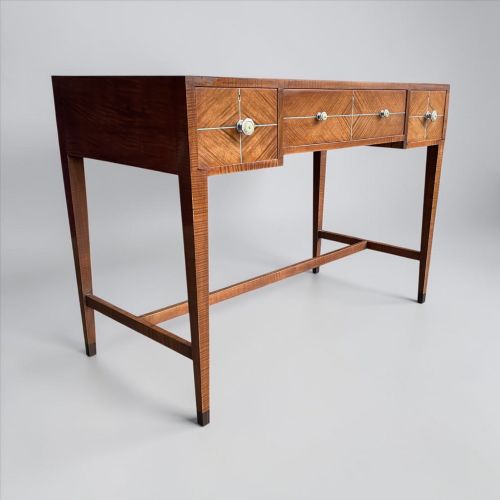
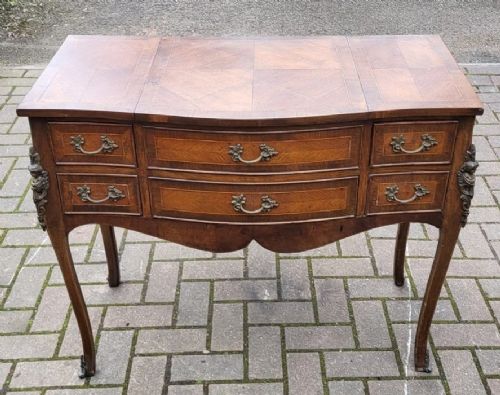
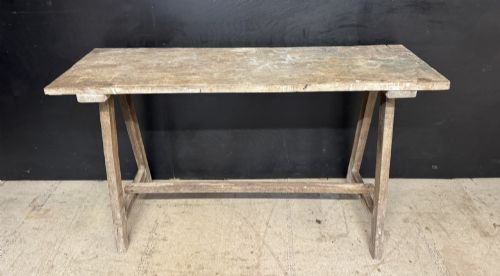
These vintage console furniture pieces bring enduring character and surface space to hallways and living areas, spanning styles from Victorian to Art Deco.
Vintage Console Furniture
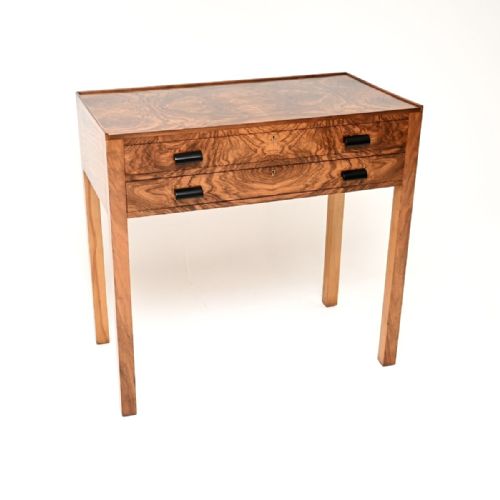
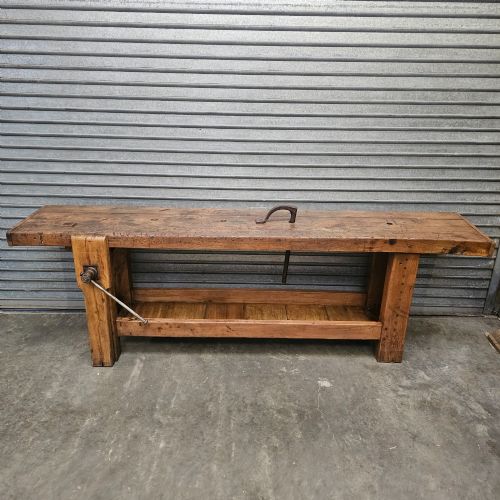
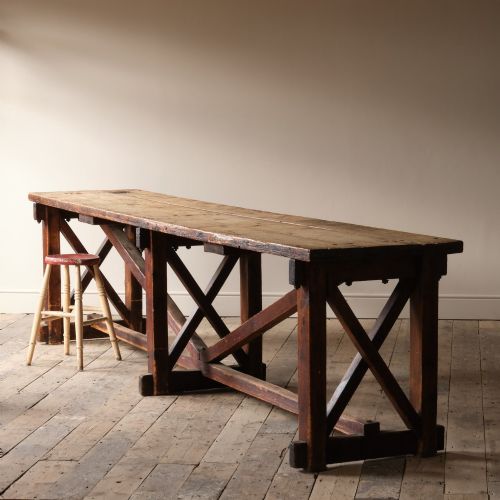
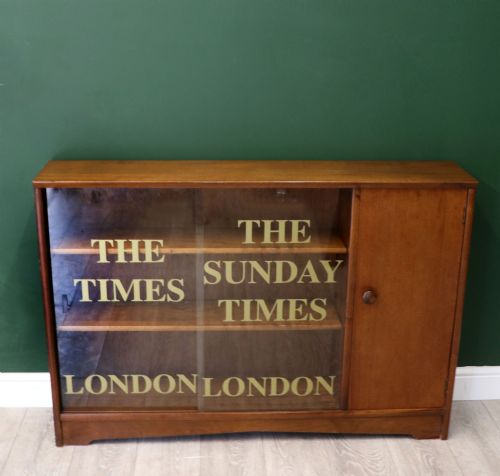
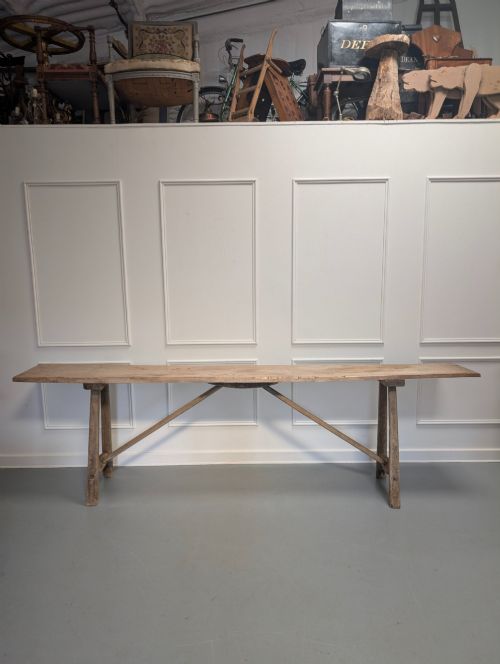
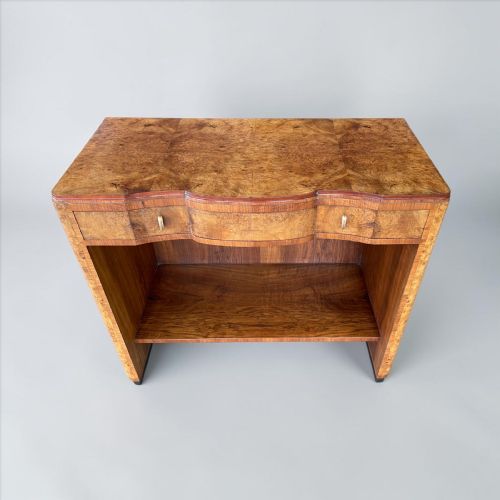
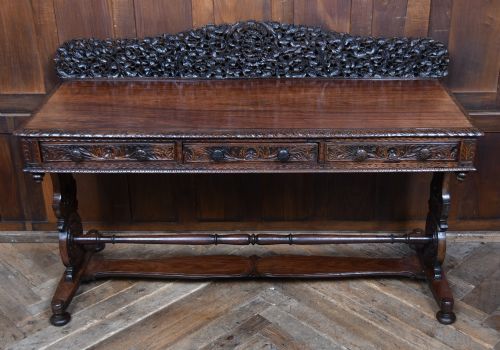
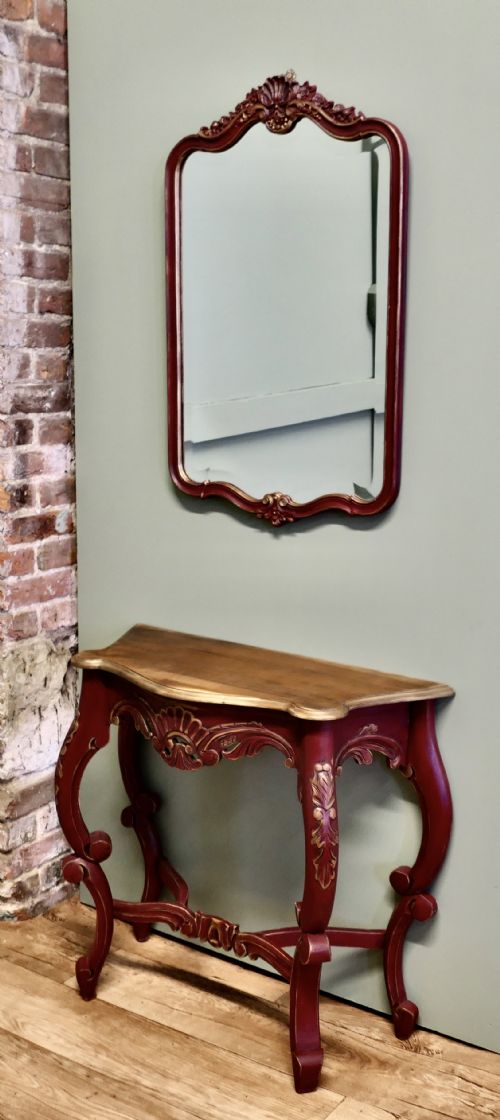
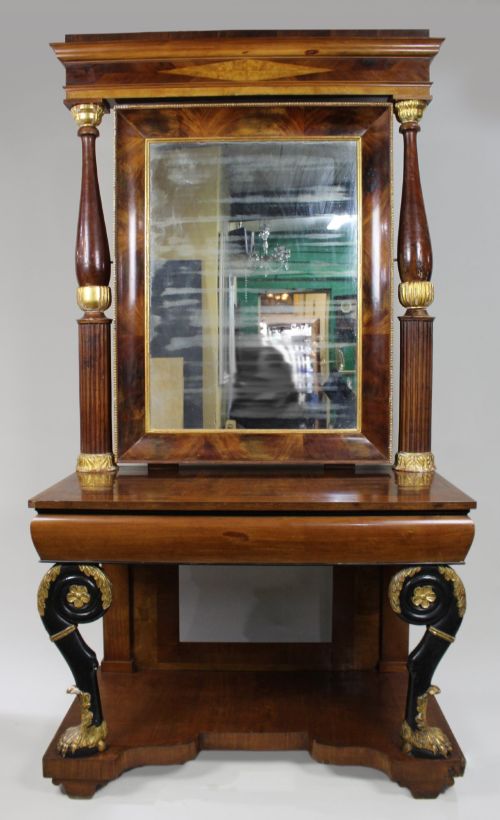
When searching for vintage console furniture, buyers encounter a diverse selection of tables, wall-mounted ledges, and narrow side pieces designed to stand against walls in halls and principal rooms. The selection includes substantial pine farmhouse tables, painted demi-lune cabinets, and marble-topped variants originating from the nineteenth century through the mid-twentieth century.
Origins vary widely across these listings, encompassing English workshop pieces, French provincial designs, and items with Italian or Kashmiri decorative carving. This geographical breadth ensures that buyers find forms ranging from rustic pine work tables to formal parcel-gilded mahogany consoles.
Materials and construction methods
Cabinet makers relied heavily on solid hardwoods such as mahogany, walnut, and oak, alongside utilitarian softwoods like pine for farmhouse and industrial pieces. Surface decoration often involved hand-carving, parcel gilding, or applied lacquered chinoiserie finishes.
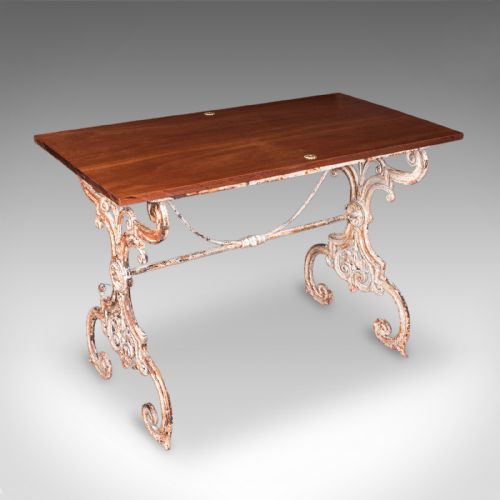
Marble and onyx inserts frequently provide durable, decorative tops for washstands and display consoles, whilst cast iron and brass support industrial or occasional frames. Joinery techniques reflect the period of origin, supporting heavy stone surfaces and timber structures over decades of use.
Vintage Console Furniture Retail Price Guide 2026
Typical asking prices for vintage console furniture among the pieces listed under this phrase on Sellingantiques today, from the lower quarter to the upper quarter. They describe what is for sale here now, not the wider market.
Listings span multiple materials including mahogany, oak, walnut, pine, marble, glass, and brass across nineteenth and twentieth-century periods.
Distinguishing quality across the range
The standard of a piece rests upon the crispness of its hand-carved details, the selection of figured timbers like burr walnut or satinwood, and the integrity of structural joinery. Finer examples display meticulous attention to decorative finishes, such as polychrome paintwork or parcel gilding, executed by skilled workshops.
Material pairing also dictates distinction, particularly in the sourcing of heavy matching marble or onyx slabs fitted precisely to timber frames. Pieces retaining original surface patinas and cohesive matching mirror sets command greater appreciation among collectors.
Herbert Gibbs·Bath Cabinet Makers·Maurice Adams·Amleto Bertoni·Hubert Simpson
The Vintage Console Furniture Glossary
- Demi-lune
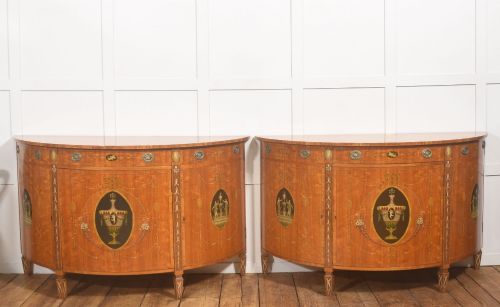
- A half-moon shape commonly applied to console tables and cabinets designed to fit flush against a wall. This profile saves floor space in narrow hallways.
- Poudreuse
- A French dressing table or vanity equipped with a folding top and internal compartments. These often feature fine wood veneers and mounted brass or ormolu detailing.
- Lowboy
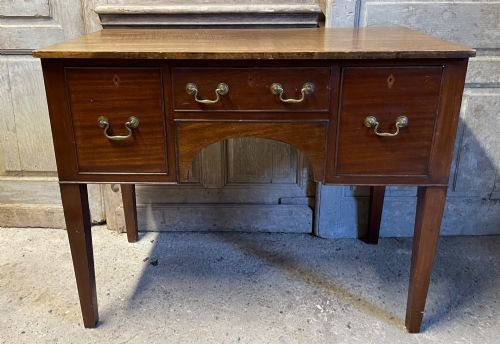
- A small seventeenth or eighteenth-century dressing or side table featuring one or more rows of drawers beneath the working surface. They typically stand on slender cabriole or straight legs.
- Parcel gilt
- Partially gilded with gold leaf or paint to highlight specific carved details or mouldings on a wooden frame. This technique adds visual contrast to walnut or mahogany structures.
- Chinoiserie
- European decorative motifs inspired by Chinese art, typically executed in lacquered finishes. It was popular during Victorian revival periods for occasional and side tables.
Vintage Console Furniture: Frequently Asked Questions
How were console tables used historically?
Console tables were traditionally placed against walls in formal reception rooms and entrance halls to display decorative items, lighting, or mirrors. Their narrow depth allowed them to furnish transitional spaces without obstructing movement.
Over time, variations like washstands and writing tables adapted these wall-adjacent forms for bedrooms and home offices. They served both ornamental and practical functions within domestic interiors.
Where should I place a vintage console in a modern home?
These pieces fit naturally in entrance halls, narrow corridors, or behind living room sofas to provide surface area for lamps and books. Their compact depths make them suitable for utilising transitional dead space.
Matching sets with integrated mirrors also work well in bedrooms or dressing areas as functional vanity spaces. Taller variations can act as impromptu desks or display points in open-plan rooms.
How do I identify a Victorian piece from an Edwardian one?
Victorian furniture typically employs heavier timbers like dark mahogany or oak, often featuring rich carvings and marble tops associated with substantial washstands. Proportions tend to be robust and grounded.
Edwardian pieces often display lighter woods, painted satinwood finishes, or bamboo structures reflecting a shift towards brighter, less formal interior aesthetics. Revival styles during this later period also drew inspiration from eighteenth-century designs.
What is the difference between a console table and a side table?
Console tables are specifically built to stand flush against a wall and are often secured or supported structurally by the wall itself. Their primary historical function was decorative display.
Side tables are generally freestanding items designed to be accessed from multiple angles or moved easily around a room. However, nineteenth-century listings often blur these definitions, using the terms interchangeably.