
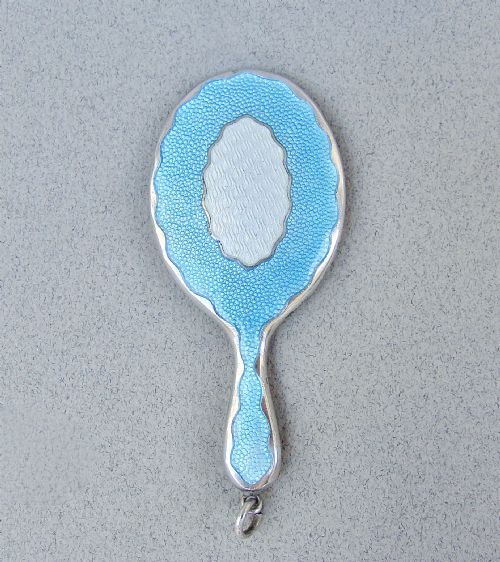
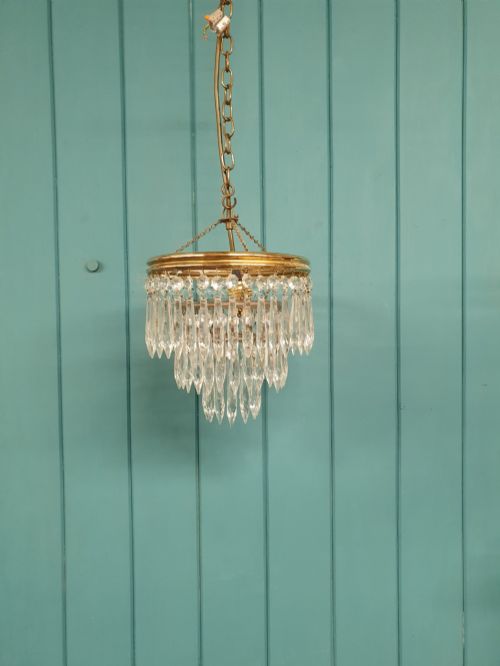


Vintage Compact Pendant
These vintage compact pendant pieces are charming miniature mirrors and powder compacts designed to be worn, blending vanity with decorative metalwork.
Vintage Compact Pendant
When you search for vintage compact pendant items, you encounter pocket-sized accessories and miniature purse mirrors transformed into wearable items or suspended objects. The pieces appearing here span the 1910s, Edwardian era, 1920s, and 1930s.
You meet sterling silver and brass powder compacts alongside blue enamel and chrome examples from the Art Deco period. These portable items reflect early twentieth century craftsmanship, connecting personal grooming with ornamental design.
The selection ranges from George V silver compacts to items bearing guilloche enamel work. Each piece demonstrates how functional objects from the early twentieth century served decorative purposes.
How they were made
Maker workshops utilised sterling silver, brass, and chrome as the structural metals for these compacts and mirrors. Metalworking techniques included forming portable cases designed to hold powder and glass mirrors.
Vitreous enamel and guilloche enamel were applied to metal surfaces to create patterned backgrounds beneath translucent coloured layers. Artisans incorporated enamel in blue and other shades to adorn the exterior lids of the compacts.
Every compact hides a tiny mirror meant for fleeting glances during tea dances a century ago.
What varies in quality
The distinction between standard examples and finer pieces lies in the crispness of the guilloche engine-turning beneath the translucent enamel. Precision in the metalwork and the clarity of the enamel surface dictate the sophistication of the object.
Hallmarks stamped into the silver provide clear evidence of origin and maker identity, adding historical weight to the piece. The preservation of the original enamel without chipping separates well-kept specimens from heavily worn items.
Henry Williamson·Henry Matthews·Henry Perkins and Sons
The Vintage Compact Pendant Glossary
- Guilloche enamel
- A decorative technique where a precise pattern is mechanically engraved into metal before translucent enamel is applied over the top. This lets the underlying geometric design show through the glossy coloured surface.
- Sterling silver
- An alloy of silver containing ninety-two point five percent silver and seven point five percent other metals, usually copper. It provides durability while maintaining a bright metallic lustre.
- Vitreous enamel
- A material made by fusing powdered glass to a metallic substrate at high temperatures. The resulting coating is smooth, durable, and resistant to chemical change.
- Art Deco
- A design style that flourished in the nineteen-twenties and nineteen-thirties, characterised by sleek geometric shapes and streamlined forms. It influenced jewellery, compacts, and decorative arts.
- Hallmark
- An official mark stamped on precious metals by an assay office to indicate purity and origin. British silver pieces typically display marks for the maker, city, and year of assay.
Vintage Compact Pendant: Frequently Asked Questions
What is a vintage compact pendant?
A vintage compact pendant is a portable mirror or powder compact from the early twentieth century designed for personal use and display. These items combine metalwork and enamel artistry into small wearable or pocket-sized accessories.
They represent the intersection of fashion and function from the Art Deco and Edwardian periods. Collectors prize them for their detailed craftsmanship and decorative appeal.
How do I date these pieces?
Dating relies on assay hallmarks stamped into the silver metal, which indicate the exact year and location of manufacture. Stylistic indicators like Art Deco geometric patterns or Edwardian motifs also help place the item in time.
Makers' marks provide further confirmation of the production era. Comparing the materials, such as chrome versus sterling silver, narrows the timeframe further.
What materials were used?
These items were constructed primarily from sterling silver, brass, and chrome. Enamel, particularly guilloche enamel, was frequently applied to the metal surfaces for decoration.
Internal components typically feature glass mirror panels and metal trays for cosmetic powder. The combination of these materials defines the aesthetic of the period.
How should I care for enamel?
Enamel requires gentle handling to prevent scratching or chipping of the glass surface. Keep these pieces away from harsh chemicals, abrasive cleaners, and prolonged moisture.
Store them in a soft lining away from direct sunlight to preserve the vibrant colours of the enamel. Regular dusting with a soft cloth maintains the polished finish.