


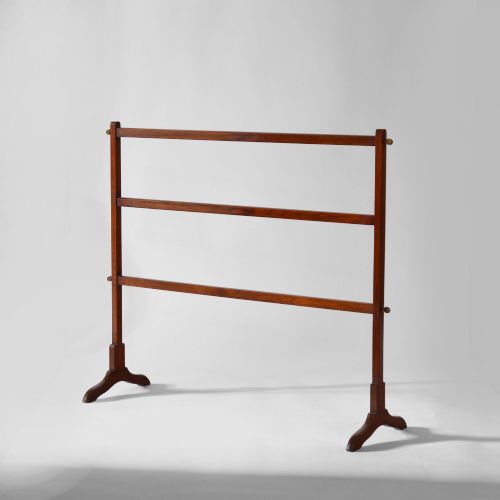
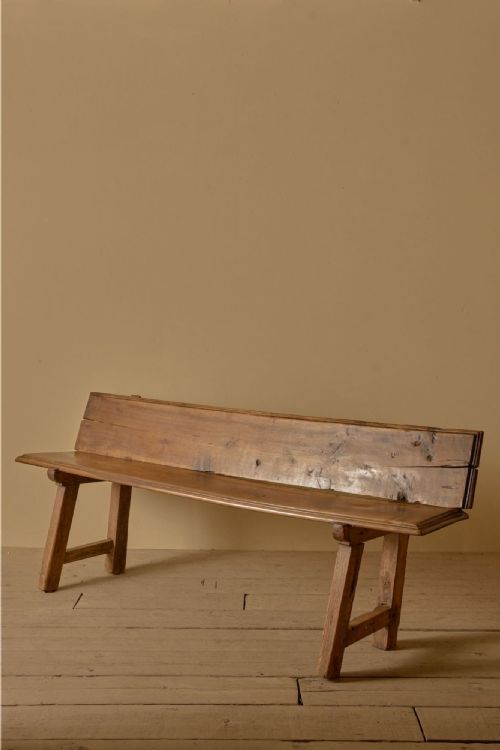
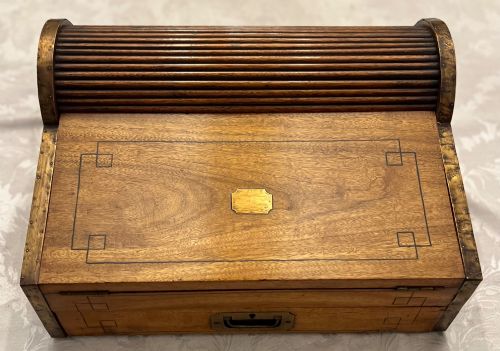
Vintage Colonial Furniture
Vintage colonial furniture brings together solid padouk, teak, and brass bindings from distant regions, offering robust utility and intricate carving for modern interiors.
Vintage Colonial Furniture
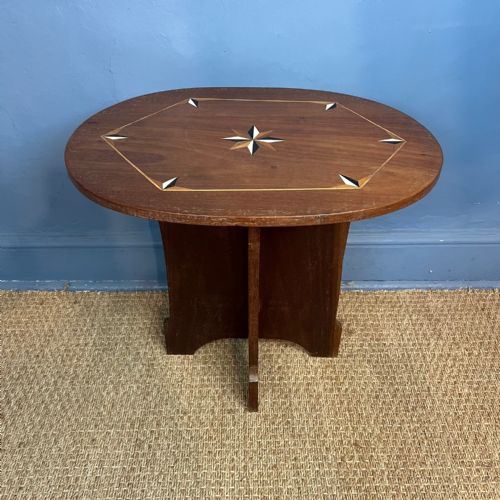
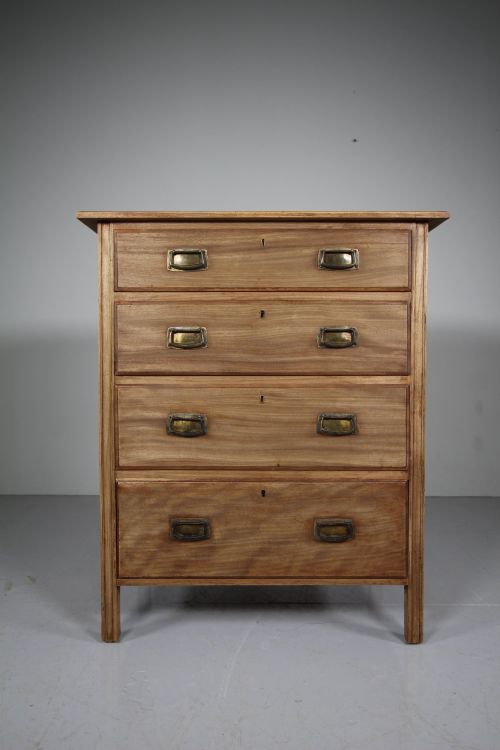
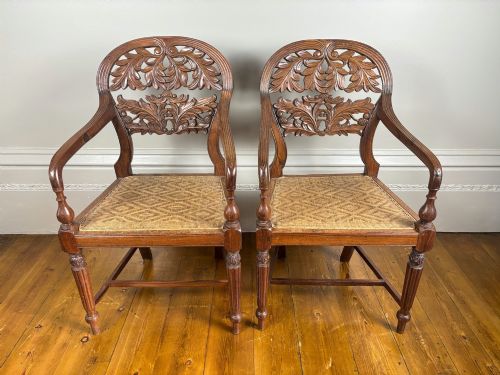
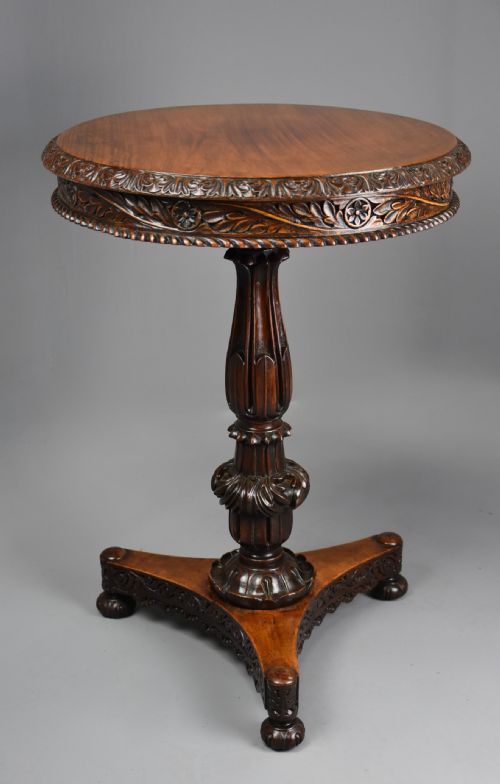
The objects most frequently met on this page include side tables, armchairs, chests of drawers, and occasional tables. These forms vary from heavy padouk and teak sideboards to folding camp furniture designed for travel.
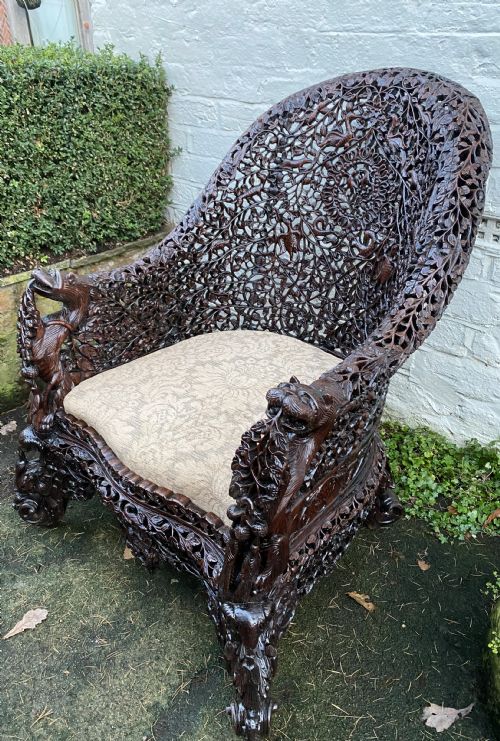
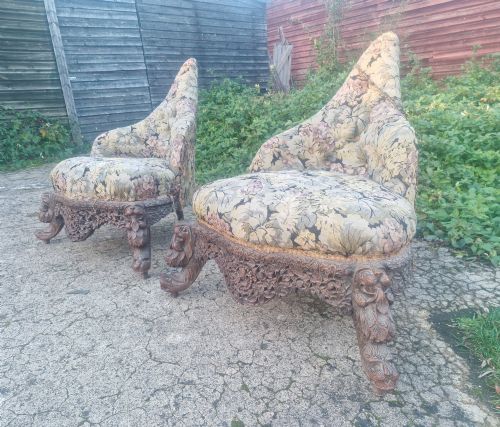
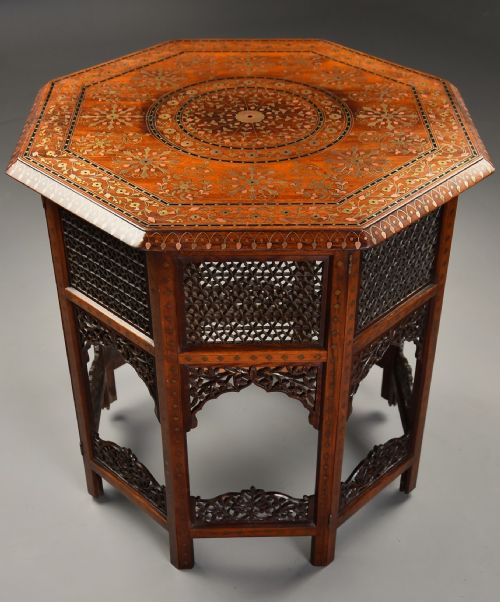
Makers and regional workshops in India, Burma, and Ceylon utilised dense native timbers to construct durable domestic items. Buyers encounter everything from intricately carved Hoshiarpur tables to plain brass-bound camphor chests intended for transport.
Materials and construction methods
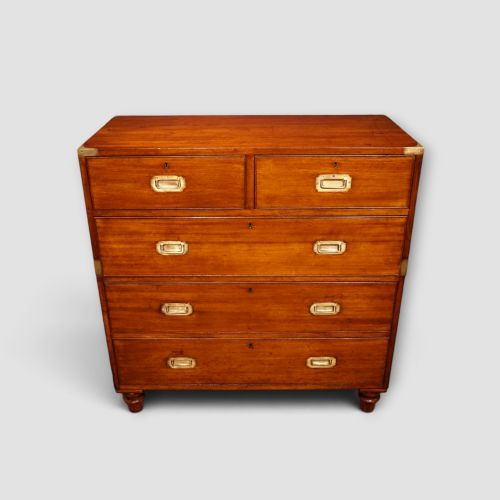
Makers relied on durable tropical hardwoods such as teak, padouk, rosewood, and ebony, which withstood humid climates and heavy transport. These timbers were often joined with complex framing techniques and reinforced with brass corners, straps, and recessed handles.
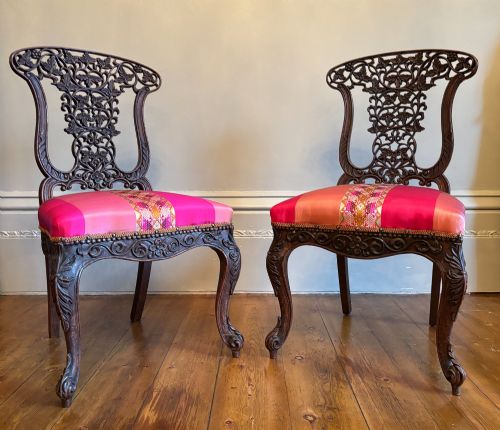
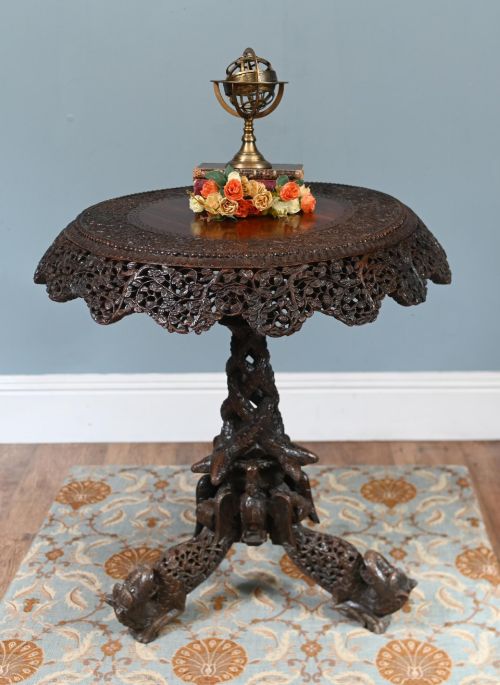
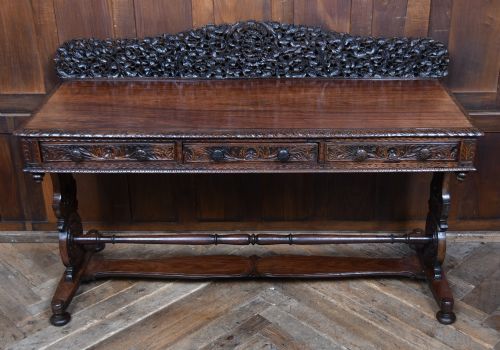
Decorative surfaces display intricate relief carving, bone inlay, and cane work executed by skilled regional artisans. Campaign items incorporate clever folding mechanisms, removable legs, and multi-part construction to facilitate dismantling during travel.
Vintage Colonial Furniture Retail Price Guide 2026
Typical asking prices for vintage colonial furniture among the pieces listed under this phrase on Sellingantiques today, from the lower quarter to the upper quarter. They describe what is for sale here now, not the wider market.
Listings span the eighteenth, nineteenth, and early twentieth centuries, featuring materials such as teak, rosewood, bone inlay, and solid brass.
Quality and craftsmanship variations
Quality rests primarily in the density and selection of the timber, alongside the crispness of any carved detailing. Pieces executed in solid padouk or rosewood with deeply chiselled foliage hold greater distinction than simpler softwood or veneered alternatives.
The precision of the brass hardware and the tightness of the joinery distinguish superior items. Well-executed campaign furniture retains fully functional folding elements and well-fitted internal compartments that operate smoothly after decades of use.
Early Heals
The Vintage Colonial Furniture Glossary
- Campaign furniture
- Portable furnishings designed for military officers and officials on the move, typically constructed in sections with brass corners and recessed handles.
- Padouk
- A heavy, durable reddish-brown tropical hardwood favoured by colonial cabinetmakers for its stability and resistance to warping.
- Bergere
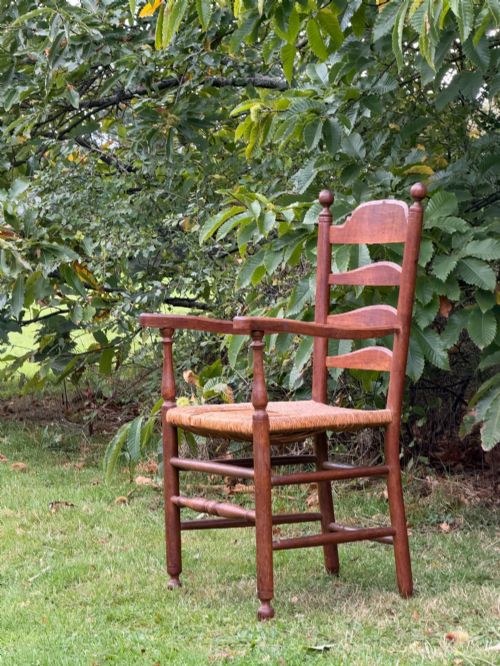
- An enclosed upholstered armchair with a wooden frame, frequently incorporating woven cane panels on the back and sides.
- Hoshiarpur
- A style of woodwork originating from Punjab, characterised by dense geometric inlay using bone or pale wood set into dark timber.
- Whatnot
- An open set of shelving with multiple tiers supported by slender pillars, used for displaying decorative objects.
Vintage Colonial Furniture: Frequently Asked Questions
What is vintage colonial furniture?
Vintage colonial furniture comprises functional and decorative items produced during the nineteenth and early twentieth centuries in regions influenced by British administration, particularly India and Burma. These pieces merge British form with local materials and carving traditions.
Buyers encounter practical items like chests of drawers and writing boxes alongside decorative tables and seating suites designed for domestic comfort abroad.
How do I identify campaign furniture?
Campaign pieces are defined by their portability, featuring two-part construction, brass binding on the edges, and flush-fitting handles that do not catch during transport. These items were built to be packed into crates and moved frequently.
Look for removable legs, folding X-frames, and hidden compartments within writing boxes or chests.
Which woods were used?
Cabinetmakers utilised dense tropical hardwoods that resisted humidity and pest damage, most notably teak, padouk, rosewood, and camphor wood. These timbers provided the structural strength needed for heavy daily use.
Lighter woods such as satinwood and imported walnut also appear, occasionally paired with bone inlay or cane seating.
How should I care for these pieces?
Maintain tropical hardwoods by keeping them away from direct heat sources and sudden temperature fluctuations that can cause timber to split. Regular dusting with a soft cloth preserves the polished surface.
Avoid excessive moisture on inlaid areas and cane panels, as bone and natural fibres require gentle handling to prevent loosening.