


Vintage Collectors Display Cabinet
A vintage collectors display cabinet organises small treasures behind glass, bringing order and visibility to gathered curiosities.
Vintage Collectors Display Cabinet
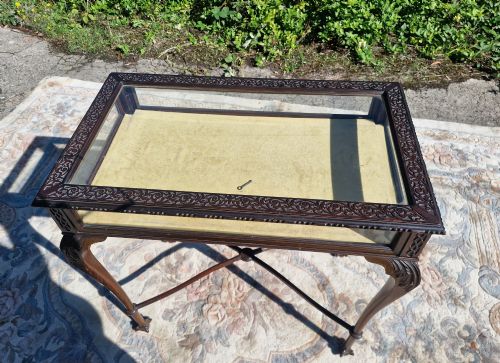
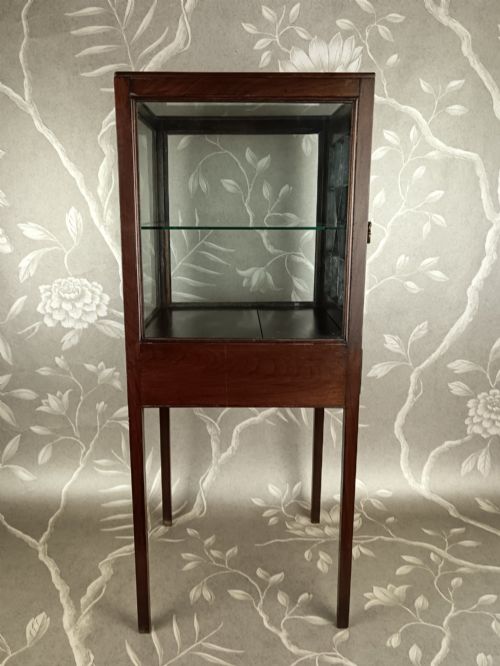
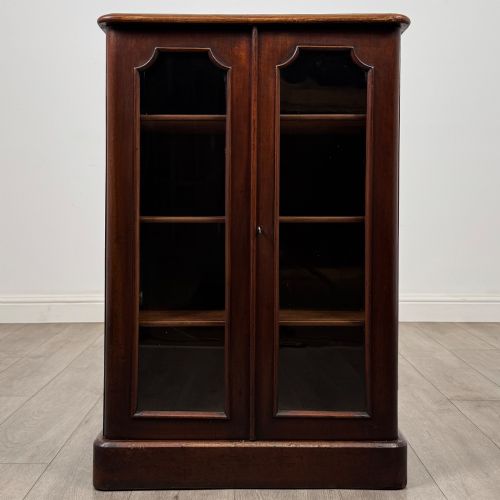
When you search for a vintage collectors display cabinet, you encounter forms ranging from low table-top glass cases to tall shop counters and freestanding vitrines. The selection spans periods from the Georgian era through Victorian and Edwardian times into the 1920s and 1930s.
Countertop and table variants provide surface visibility for small objects, while multi-drawer specimen pieces house systematic collections. Wall-mounted styles and towering shop fittings utilise vertical space effectively for merchandise or personal displays.
Originating largely from British and continental workshops, these pieces incorporate styles like Chippendale, Louis XVI Revival, and Art Deco alongside commercial shop fittings.
Materials and Construction
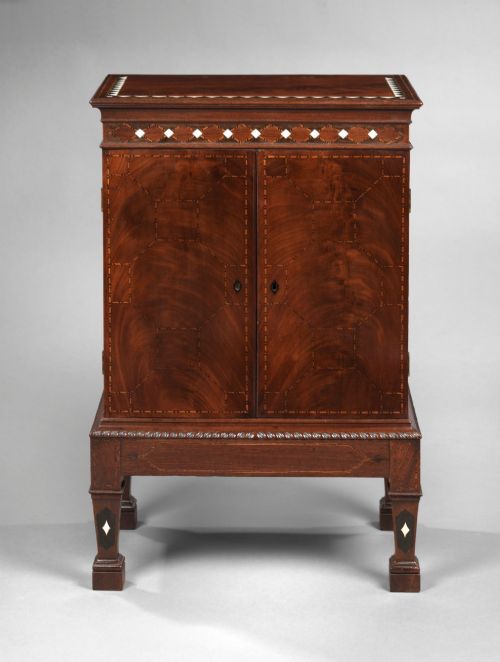
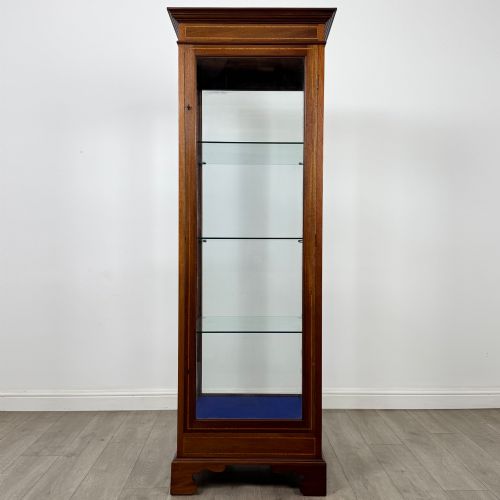
Cabinet makers relied predominantly on timber frames of mahogany, oak, walnut, and kingwood, frequently enhanced with intricate marquetry inlay, satinwood, or ebonised finishes. Glass panels enclose the front and sides to protect contents while admitting light.
Internal surfaces are regularly lined with velvet or fabric to cushion delicate items, while brass hardware secures doors and hinged tabletops. Mirrored interiors appear in specific display configurations to amplify ambient illumination behind the glass.
Materials recorded across these listings include mahogany, oak, teak, walnut, kingwood, brass, glass, mirror, velvet, and fabric.
Evaluating Construction and Detail
Superior examples distinguish themselves through fine timber selection, precise joinery, and restrained decorative carving rather than heavy embellishment. The integration of glass panes, whether curved or flat, and the smoothness of drawer runners dictate daily functionality.
Provenance and specialised maker attribution elevate certain pieces, particularly when original brass fittings and internal velvet linings remain intact without later alterations.
Manoah Rhodes & Sons Ltd
The Vintage Collectors Display Cabinet Glossary
- Bijouterie table
- A glass-topped display table designed specifically for showcasing jewellery, medals, and small decorative items. These pieces typically feature hinged lids lined with fabric.
- Vitrine
- An all-glass or glass-fronted cabinet used for displaying porcelain, curiosities, or collections. The word derives from the French term for glass.
- Specimen cabinet
- A specialised piece featuring multiple shallow drawers built to hold natural history specimens, coins, or small artefacts. They prioritize internal organisation over display glass.
- Marquetry
- Decorative woodwork where thin pieces of veneer are fitted together to form geometric or floral patterns. Craftsmen apply these designs to cabinet surfaces and tabletops.
- Ebonisation
- A chemical treatment or staining process applied to timber to imitate genuine ebony. This dark finish appears frequently on pieces from the late nineteenth and early twentieth centuries.
Vintage Collectors Display Cabinet: Frequently Asked Questions
What fits inside a countertop display cabinet?
Countertop cabinets accommodate small curiosities, pocket watches, coins, medals, and jewellery where clear top or side visibility matters.
Their shallow depths and glass panes keep contents secure from handling while remaining entirely visible to observers.
How do I distinguish a vitrine from a bijouterie table?
A vitrine operates as a vertical display cabinet with glass doors on the front or sides, standing on legs or a base. A bijouterie table positions the display area horizontally beneath a glass-topped lid at table height.
Both serve to showcase collections, but they occupy different spatial footprints in a room.
Were these cabinets made for homes or shops?
The evidence shows both domestic furniture, such as Georgian and Edwardian drawing-room vitrines, and commercial shop display units from the early twentieth century. Apothecary and watchmaker variants served specific retail and trade functions.
Commercial pieces often feature taller proportions or specific countertop footprints designed for business premises.
What timbers were commonly used?
Mahogany and oak dominate the construction materials across multiple periods, accompanied by walnut, teak, rosewood, and kingwood. Inlays frequently incorporate satinwood and decorative veneers.
Frames often received ebonisation treatments during the late nineteenth and early twentieth decades.