



Vintage Collectors Box
A vintage collectors box holds small treasures securely, offering a glimpse into past habits of sorting and display through compact craftsmanship.
Vintage Collectors Box
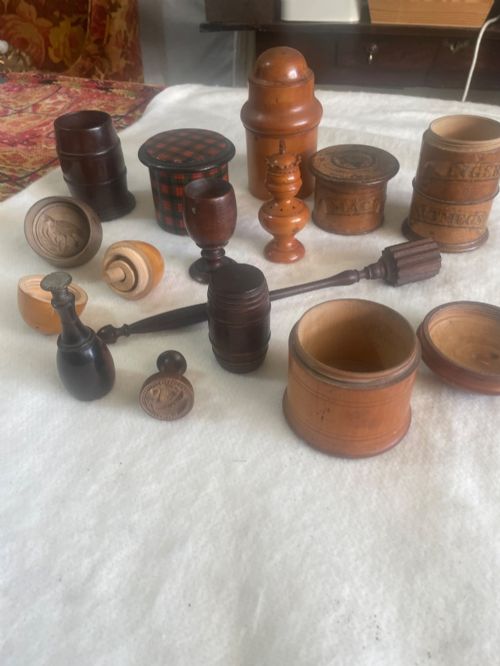
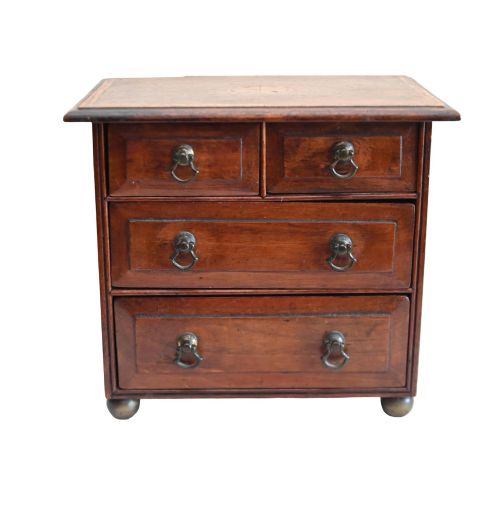
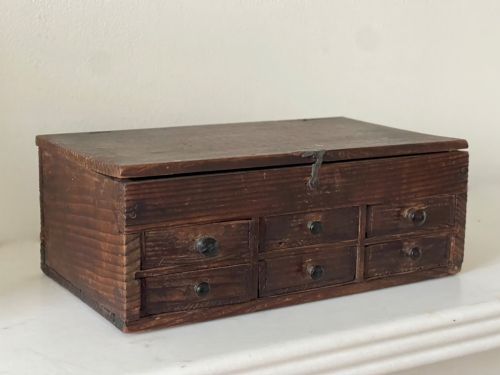
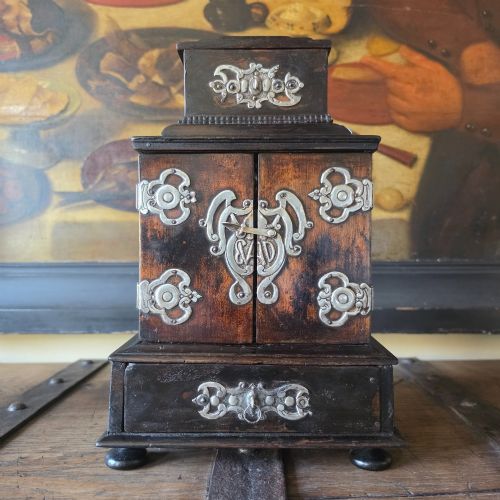
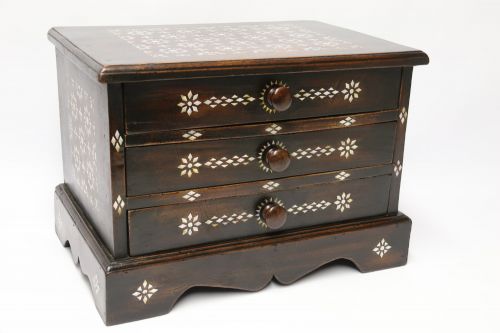
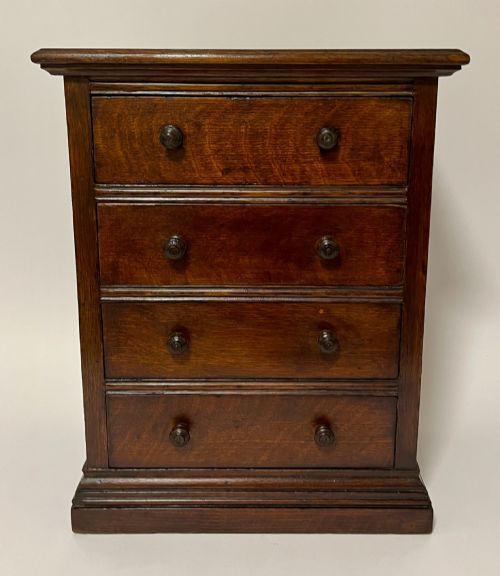
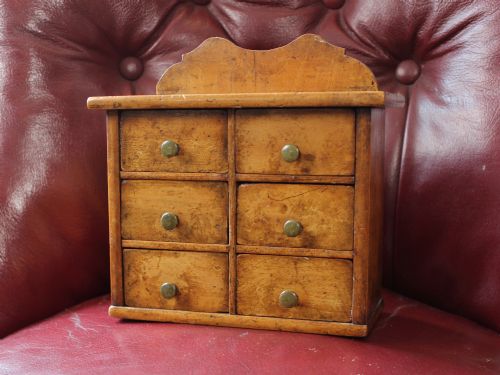
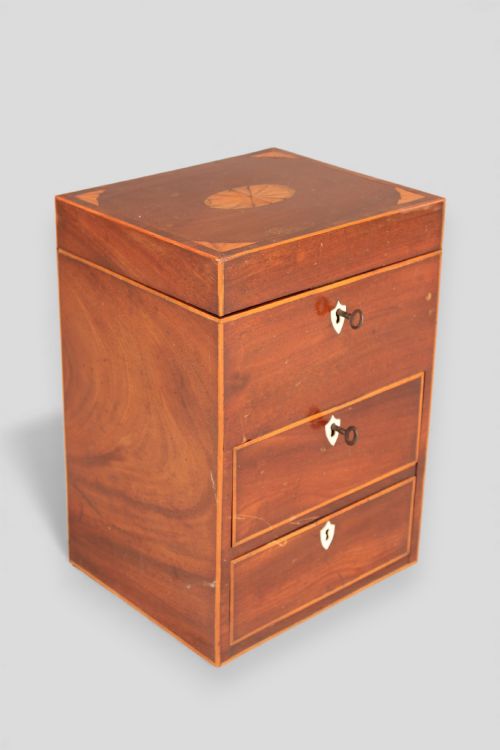
When searching for a vintage collectors box, buyers encounter an eclectic mix of tabletop cabinets, miniature chests of drawers, spice drawers, and specialised storage cases. These items span periods from the Georgian era through the Victorian and Edwardian periods up to the 1930s and 1940s, reflecting diverse practical storage needs of the past.
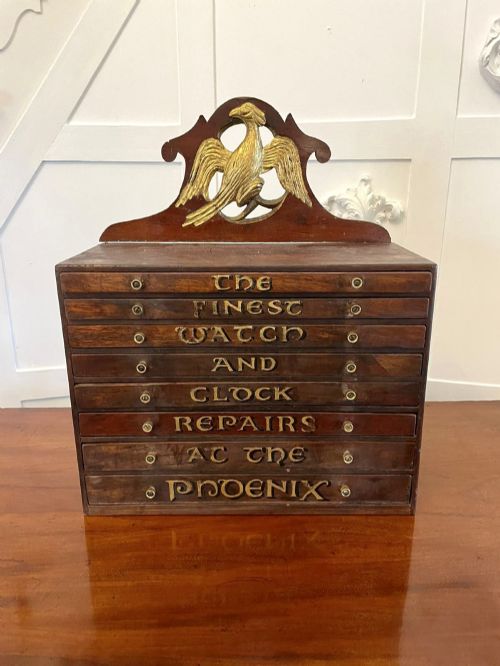
The most common forms on this page include apothecary and watchmaker cabinets, table cabinets, and small specimen cases. Materials range widely across wood types such as mahogany, oak, and walnut, often complemented by glass, brass, and velvet linings.
Origins stretch from English country houses to Anglo-Indian workshops and Japanese lacquer studios. Each piece reveals a specific historical function, whether housing watch repair tools, seeds, letters, or scientific slides.
Materials and construction methods
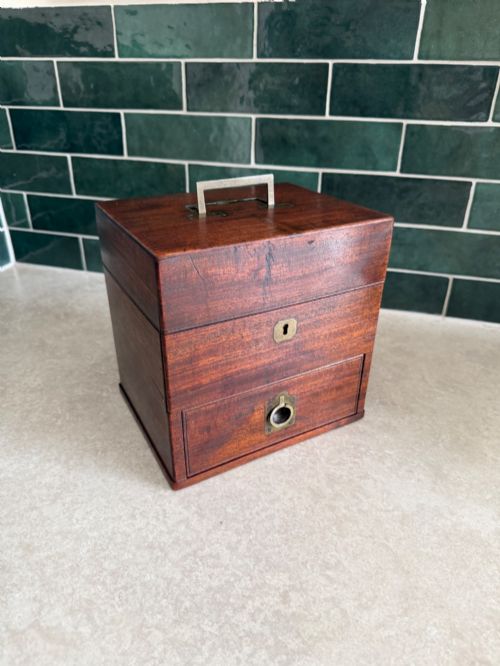
These boxes and cabinets rely heavily on dense hardwoods such as mahogany, oak, walnut, and satinwood, frequently paired with secondary fruitwoods or boxwood. Cabinetmakers utilised dovetail joints for small drawers and fitted brass handles, hinges, and locks for security.
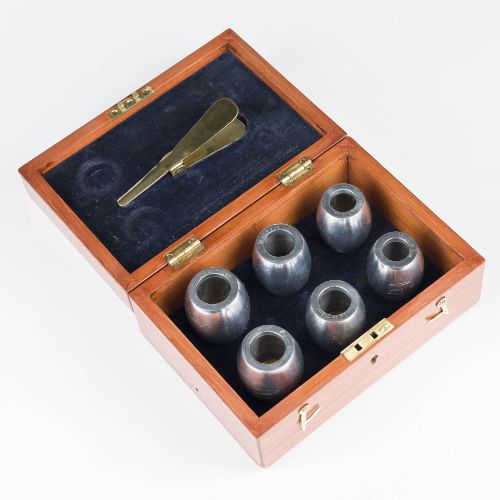
Glass panels feature in display cases, bijouterie tables, and countertop shop cabinets to allow viewing while protecting the contents. Interiors often incorporate velvet linings, intricate dividers, and specialised compartments tailored to instruments, specimens, or cigars.
Surface treatments vary from engine-turned detailing on snuff boxes to black lacquer on Japanese table cabinets and inlaid decorative work on Anglo-Indian pieces.
Vintage Collectors Box Retail Price Guide 2026
Typical asking prices for vintage collectors box among the pieces listed under this phrase on Sellingantiques today, from the lower quarter to the upper quarter. They describe what is for sale here now, not the wider market.
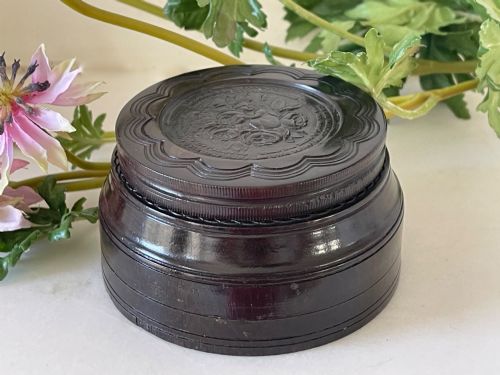
An eighteenth-century walnut table snuff box waits quietly to hold your smallest secrets.
Distinctions in construction and finish
Quality rests in the precision of the joinery and the selection of timber, such as figured burr walnut or dense mahogany, rather than simple ornamentation. Superior examples maintain smooth drawer operation, original fitted interiors, and intact glass or brass hardware.
Finer cabinets display meticulous attention to internal partitions and secure locking mechanisms designed for valuable instruments or medical equipment. Pieces retaining their original keys, internal trays, and uncompromised surface patination command greater appreciation among collectors.
De Grave Short And Co·Manoah Rhodes And Sons Ltd
The Vintage Collectors Box Glossary
- Bijouterie table
- A glass-topped display table designed to showcase small decorative objects, medals, or jewellery. These tables usually stand on slender legs and feature hinged glazed lids.
- Apothecary box
- A fitted wooden chest designed to hold medical phials, scales, and ingredients securely. They typically include small locking compartments and internal partitioning.
- Apprentice chest
- A small-scale set of drawers demonstrating a cabinetmaker's skill to a guild. These miniature pieces mirror full-size furniture construction precisely.
- Engine-turned
- A mechanical decoration technique producing intricate geometric patterns on metal surfaces such as silver or brass. This method is frequently found on snuff boxes and pocket items.
- Humidor
- A specialised storage box designed to maintain humidity levels for cigars and tobacco. They often incorporate tight-fitting lids and wood linings such as mahogany or cedar.
Vintage Collectors Box: Frequently Asked Questions
What were vintage collectors boxes originally used for?
These boxes served specialised storage purposes for professionals and hobbyists, holding items ranging from watchmaker tools and apothecary supplies to seeds, stamps, and geological specimens.
Many were custom-built for specific trades or domestic collections, reflecting the precise organisational needs of Georgian, Victorian, and Edwardian households and workshops.
How do I identify the period of a cabinet?
Dating relies on timber choices, construction techniques like dovetailing, and the style of brass hardware such as handles and escutcheons. Georgian pieces often show simpler classical proportions in mahogany or oak.
Victorian and Edwardian examples frequently introduce denser hardwoods, burr veneers, more complex internal partitioning, and machine-made components as industrial methods evolved.
Can I use these cabinets for modern displays?
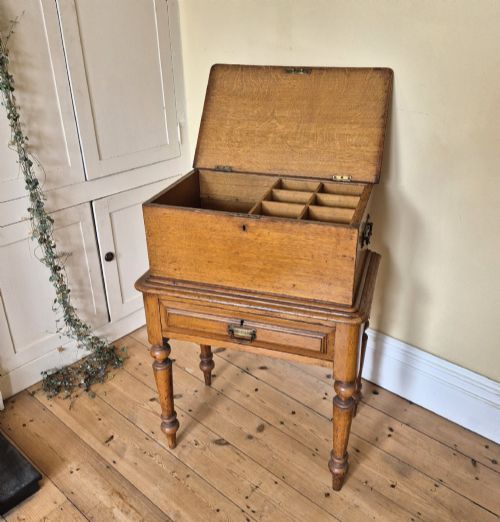
These cabinets suit contemporary homes for displaying small curiosities, pocket watches, minerals, or jewellery. Glass-topped bijouterie tables and tabletop drawer units provide practical visibility and protection.
Their compact size allows them to sit easily on desks, countertops, or side tables while offering secure enclosed storage.
Are keys usually included with antique boxes?
Some pieces retain their original working keys for the main locks, while others do not function with keys today due to replacement locks over centuries of use.
Listings specify whether a key is present, though many boxes remain fully functional for display and storage regardless of lock status.